

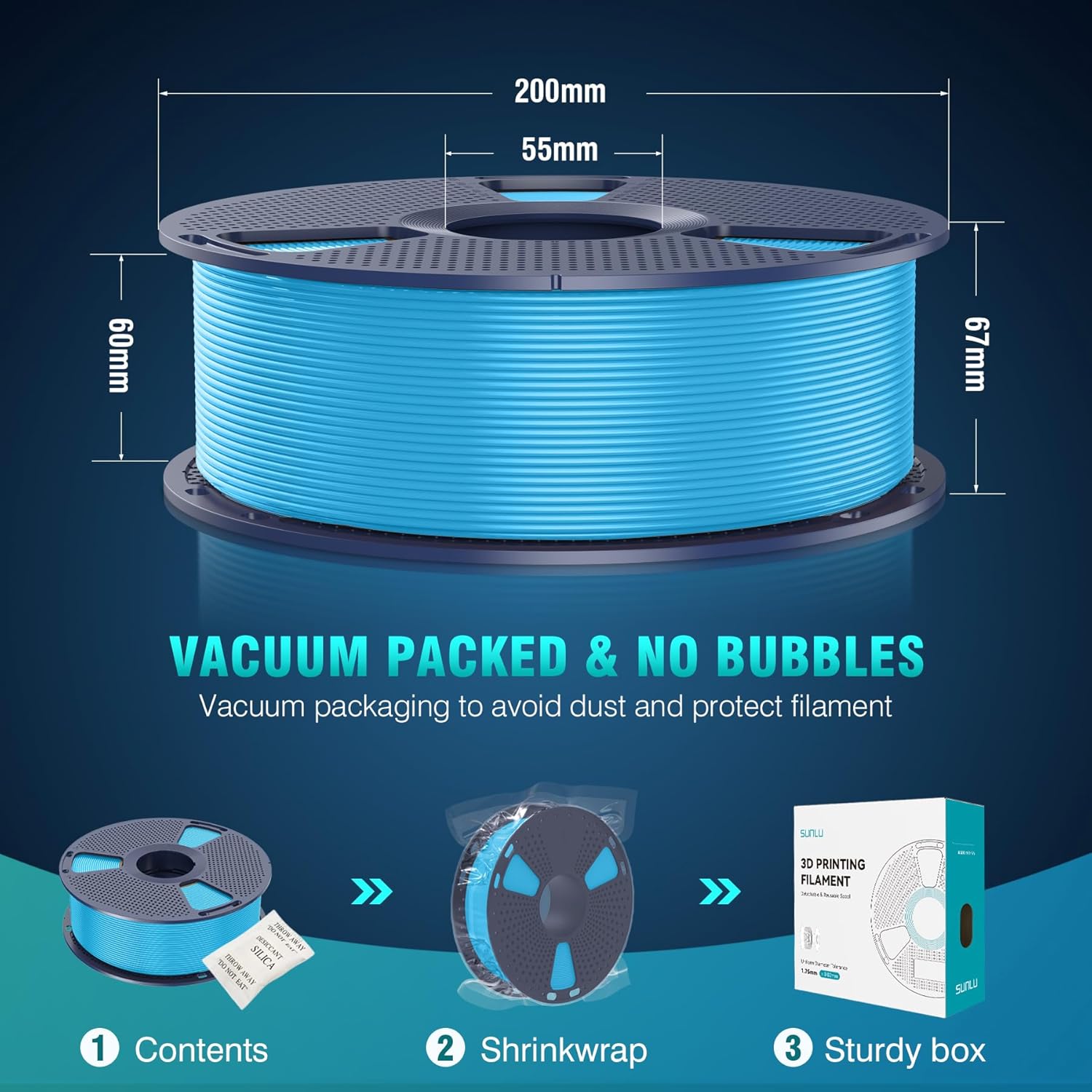
SUNLU PETG 1.75 mm 1kg spool PETG filament
Reviews
Product description
This PETG filament is a versatile option for makers who need tougher parts than PLA while keeping easy printability for everyday projects. It suits functional prototypes, enclosures and outdoor parts where heat and chemical resistance matter, and it prints on most FDM machines with a 1.75 mm feed.
Key Points
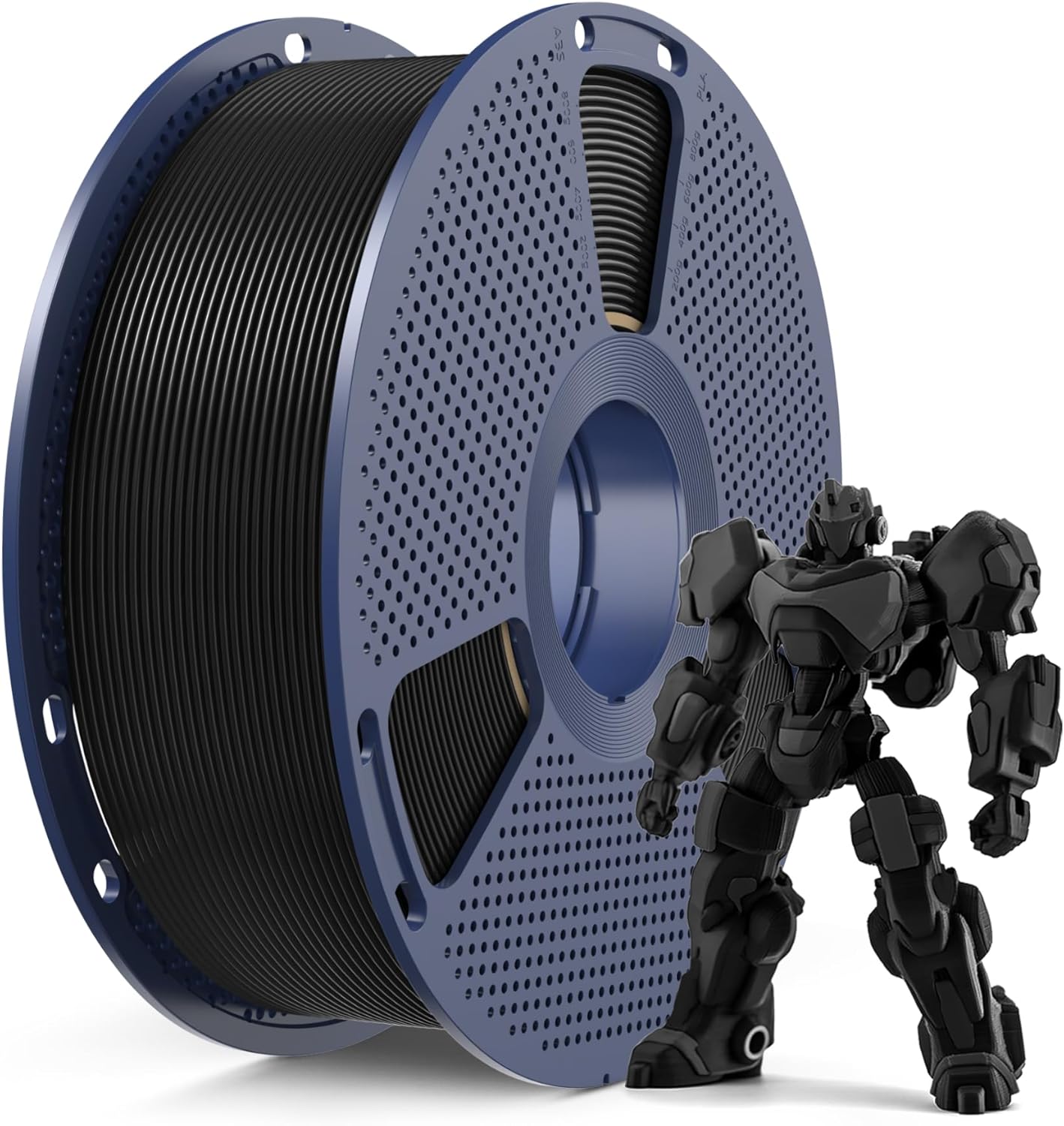
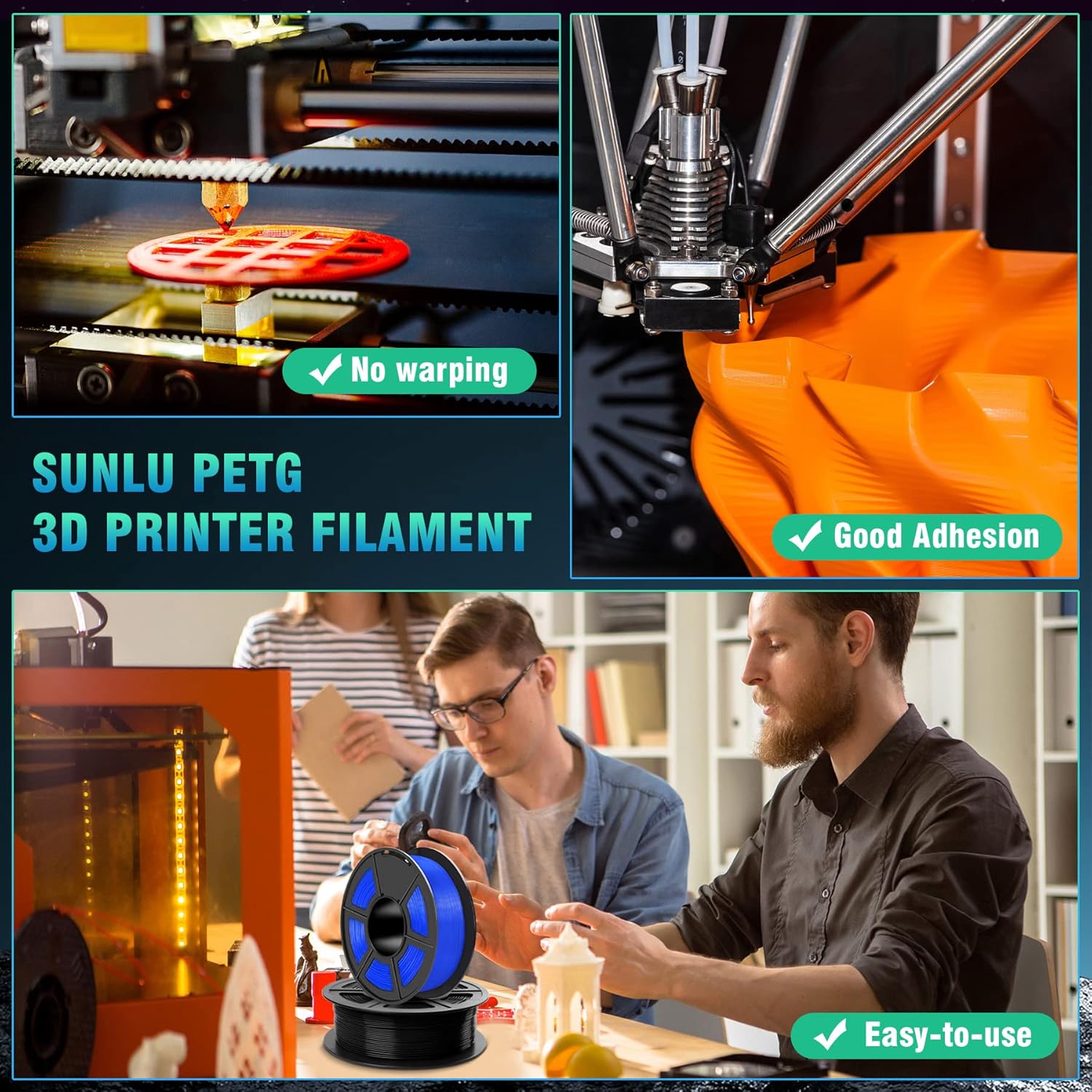
SUNLU PETG balances strength and ease of use, combining the flow characteristics similar to PLA with higher toughness like ABS. Prints tend to show less warping and layer separation thanks to good thermal stability, which helps when producing mechanically useful parts or components that require dimensional accuracy. 🎯
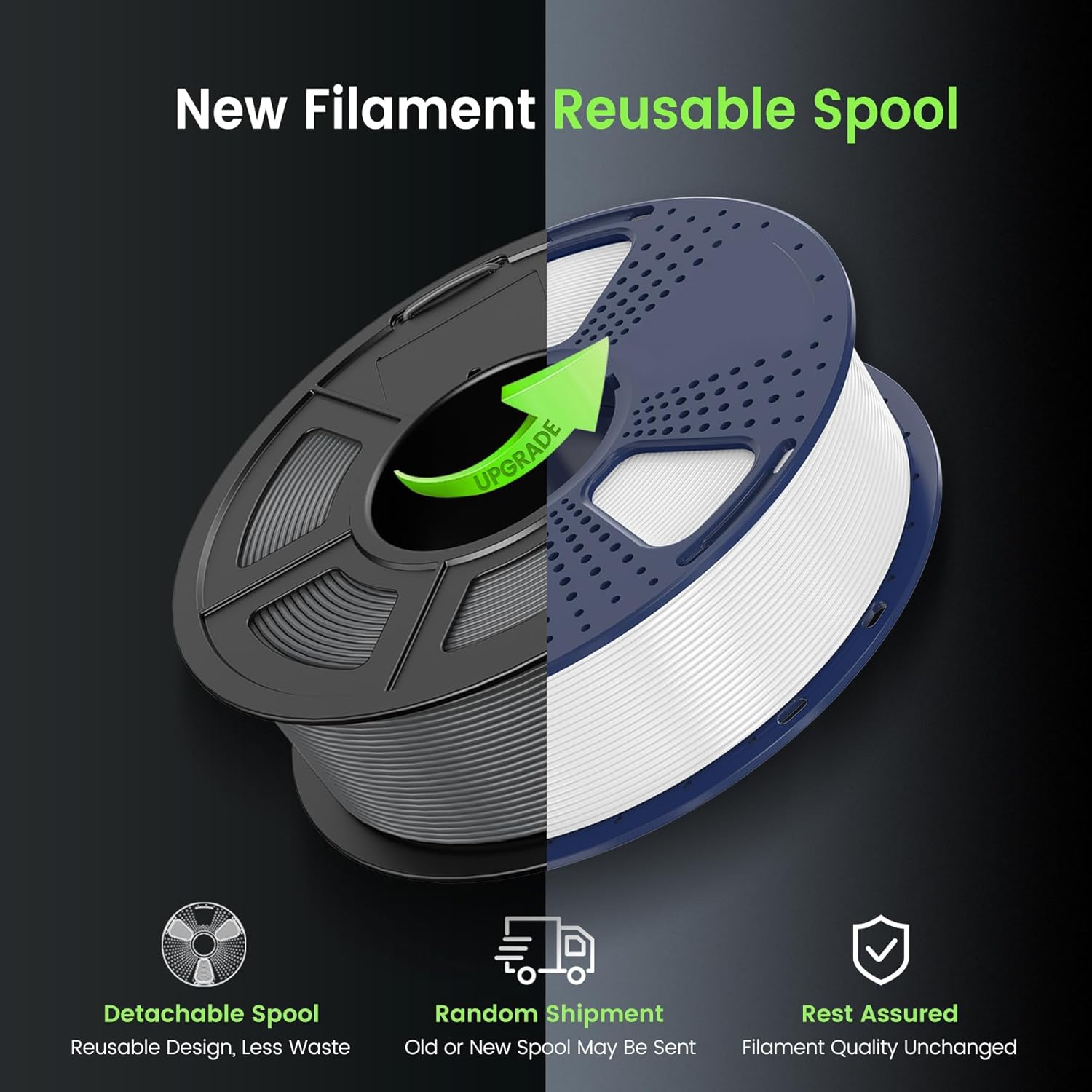
The filament performs better under heat than standard PLA, making it suitable for motor housings, brackets and some automotive accessories, according to the manufacturer. It also offers improved resistance to oils and mild solvents, so items exposed to workshop conditions keep their integrity longer. 🔧
Moisture control matters for PETG. The spool is vacuum-sealed with desiccant to reduce water uptake during storage, however consider drying if you detect stringing or reduced toughness after prolonged exposure to humid air. For highly transparent or light-diffusing prints the material can achieve a crystal-like translucency, useful for lamp covers or display elements.
Technical Specifications
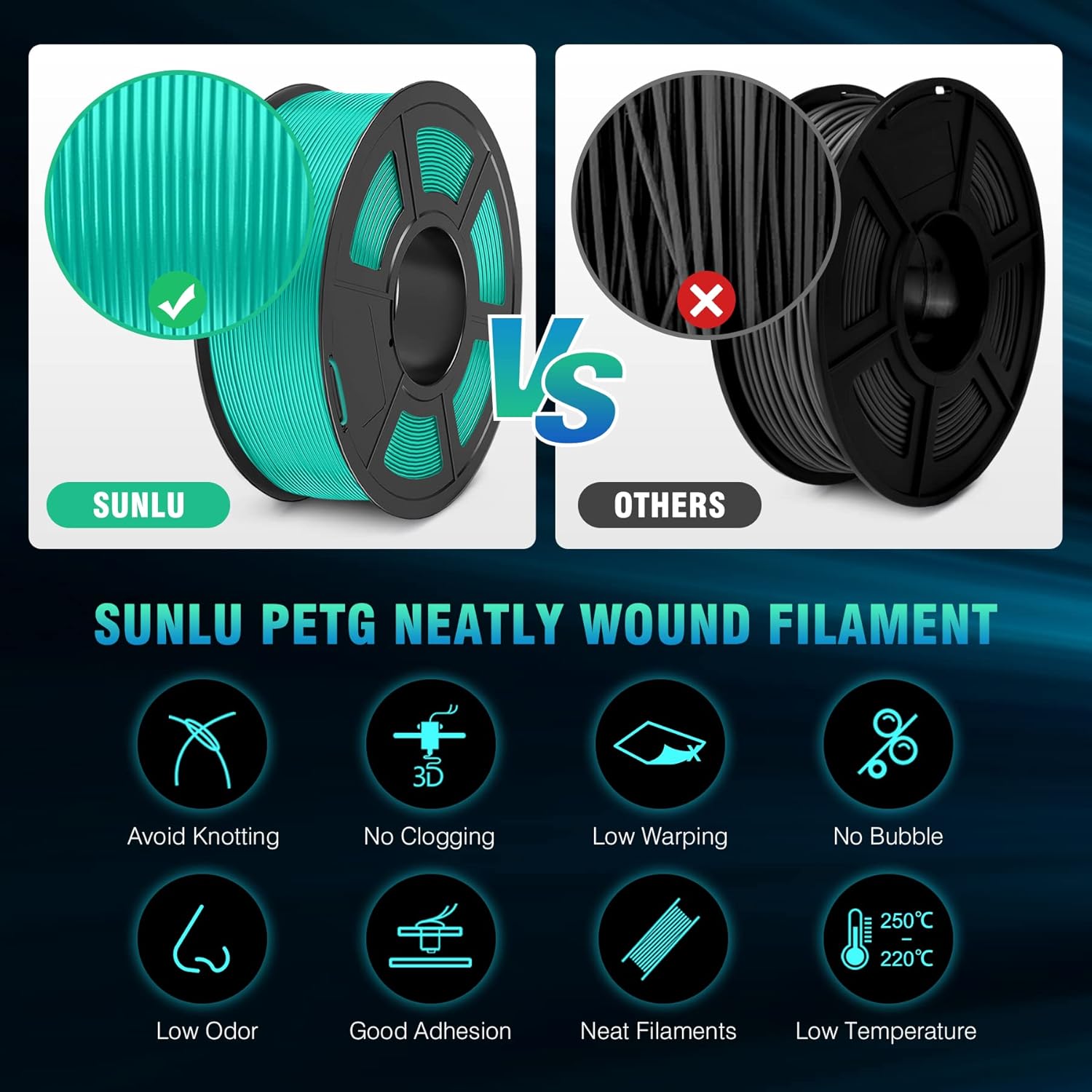
- Name: SUNLU PETG Filament 1.75 mm
- Material: PETG
- Diameter: 1.75 mm
- Spool weight: 1 KG
- Recommended nozzle temperature: 230-240 °C
- Recommended print speed: 50-100 mm/s
- Colour: Black
Benefits
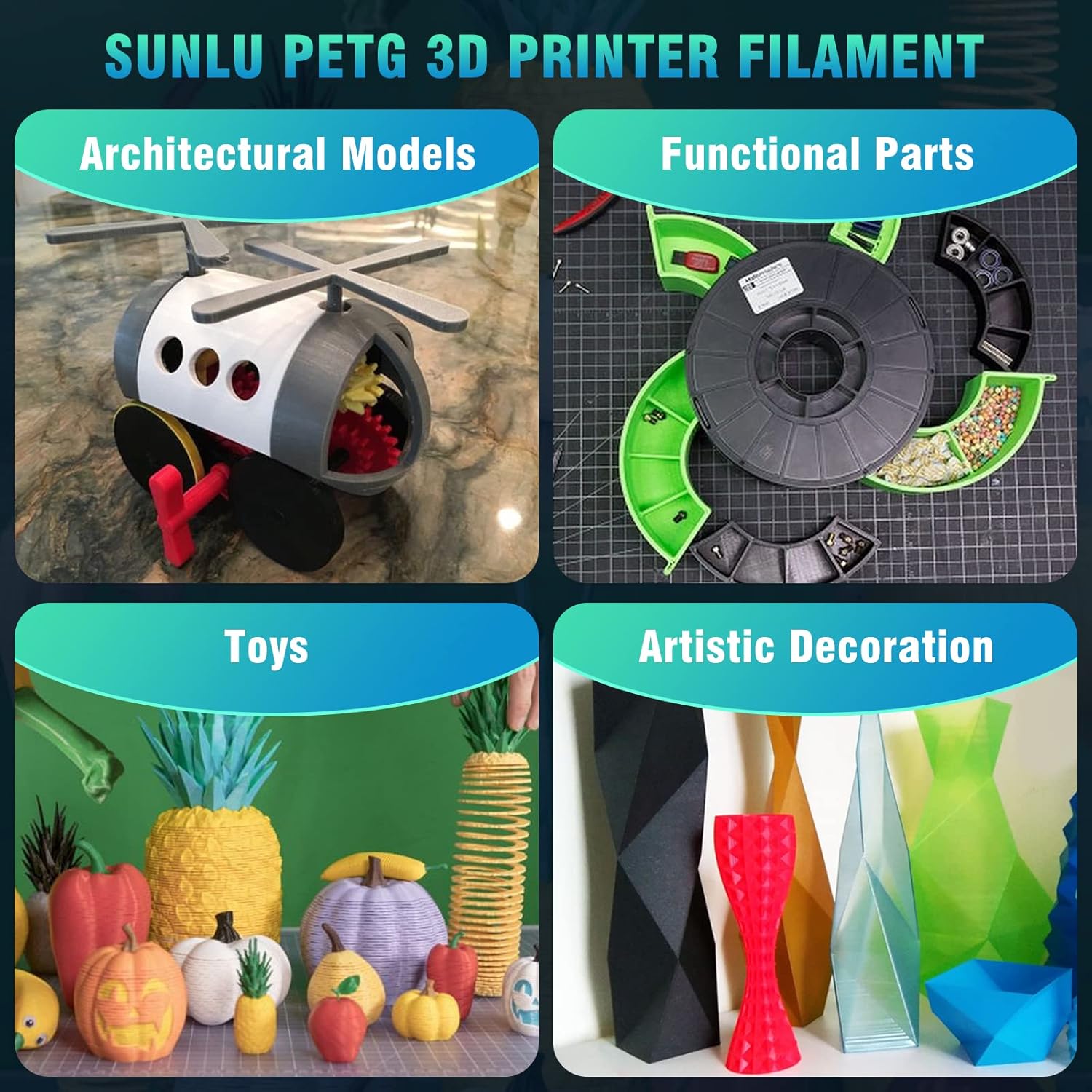
The combination of toughness and reduced brittleness lets you print gears, functional hinges and items that need to absorb impact without cracking. Print surfaces are generally smooth with a professional finish that often requires little post-processing. For decorative or translucent pieces the filament can preserve clarity while still maintaining mechanical performance. ✨
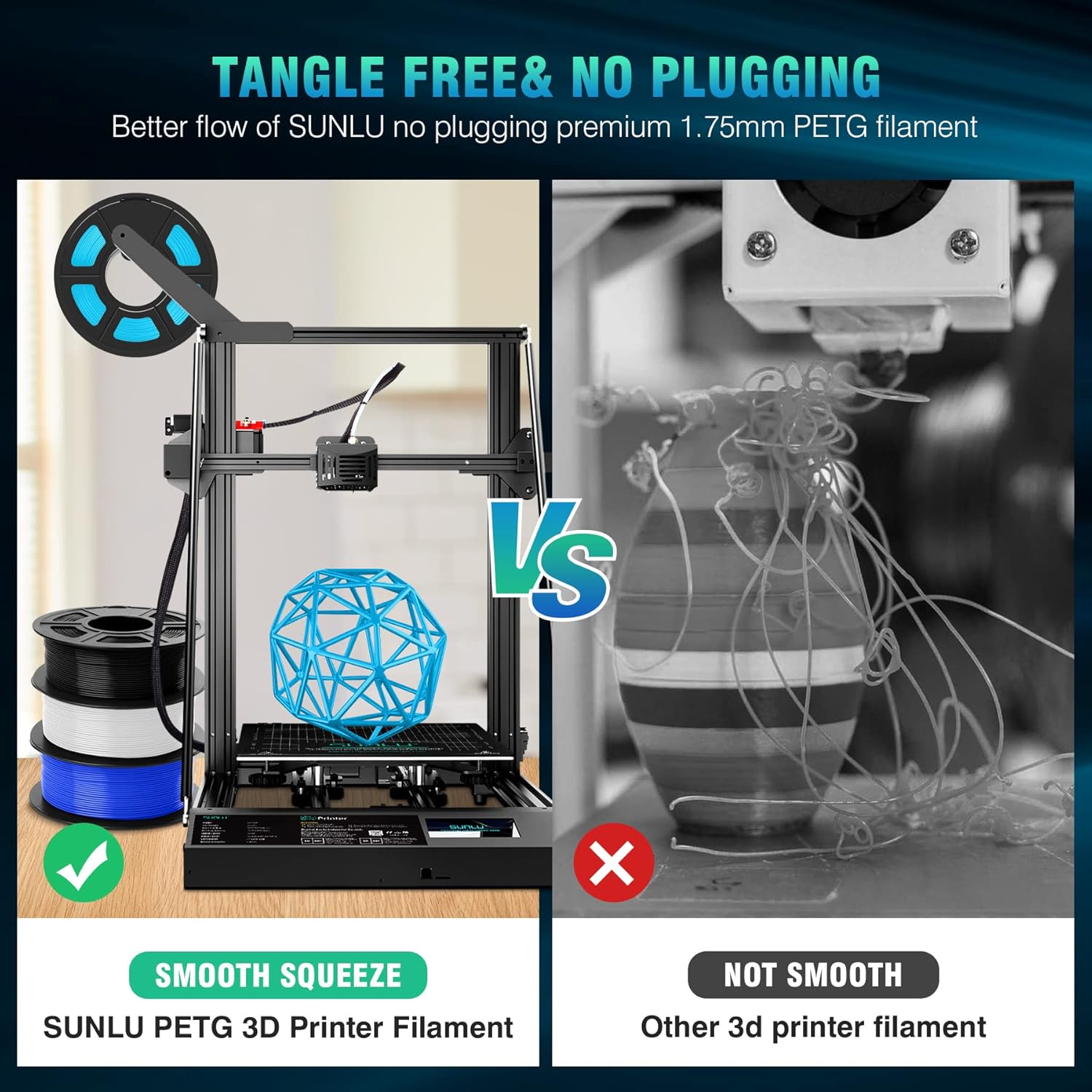
Layer adhesion is a practical advantage of PETG over PLA. Strong interlayer bonds reduce the risk of delamination under stress, which is beneficial for load-bearing prototypes or parts subjected to vibration. On the other hand, PETG can be slightly more prone to stringing compared with PLA, so fine-tuning retraction and temperature can improve results.
Usage Recommendations
Use a heated bed to improve first-layer adhesion and set bed temperature according to your printer’s guidance. Moderate print speeds are recommended to balance surface quality and extrusion stability. If you aim for glossy, transparent parts print at the higher end of the recommended temperature range and consider a slower first layer. For highly precise miniature details reduce speed and calibrate extrusion to avoid over-extrusion.