

Celestron PowerSeeker 114EQ Reflector Telescope review: solid starter kit with equatorial mount
Product description
What it is and who it’s for
The Celestron PowerSeeker 114EQ is a compact, entry‑level Newtonian reflector telescope designed for first‑time observers and families wanting a practical, value‑driven setup. It combines a classic German Equatorial mount with a straightforward manual control, a couple of eyepieces, a Barlow lens to extend the sample of views, and a sturdy height‑adjustable tripod. If you’re looking for a beginner‑friendly instrument that can cover Moon details, bright planets, and a broad swath of deep‑sky targets without delving into high‑end complexity, this model sits in the practical middle ground. The kit also comes with a deluxe accessory tray, which helps you keep eyepieces and tools within easy reach when you’re in the dark.
The practical setup and what stands out on paper
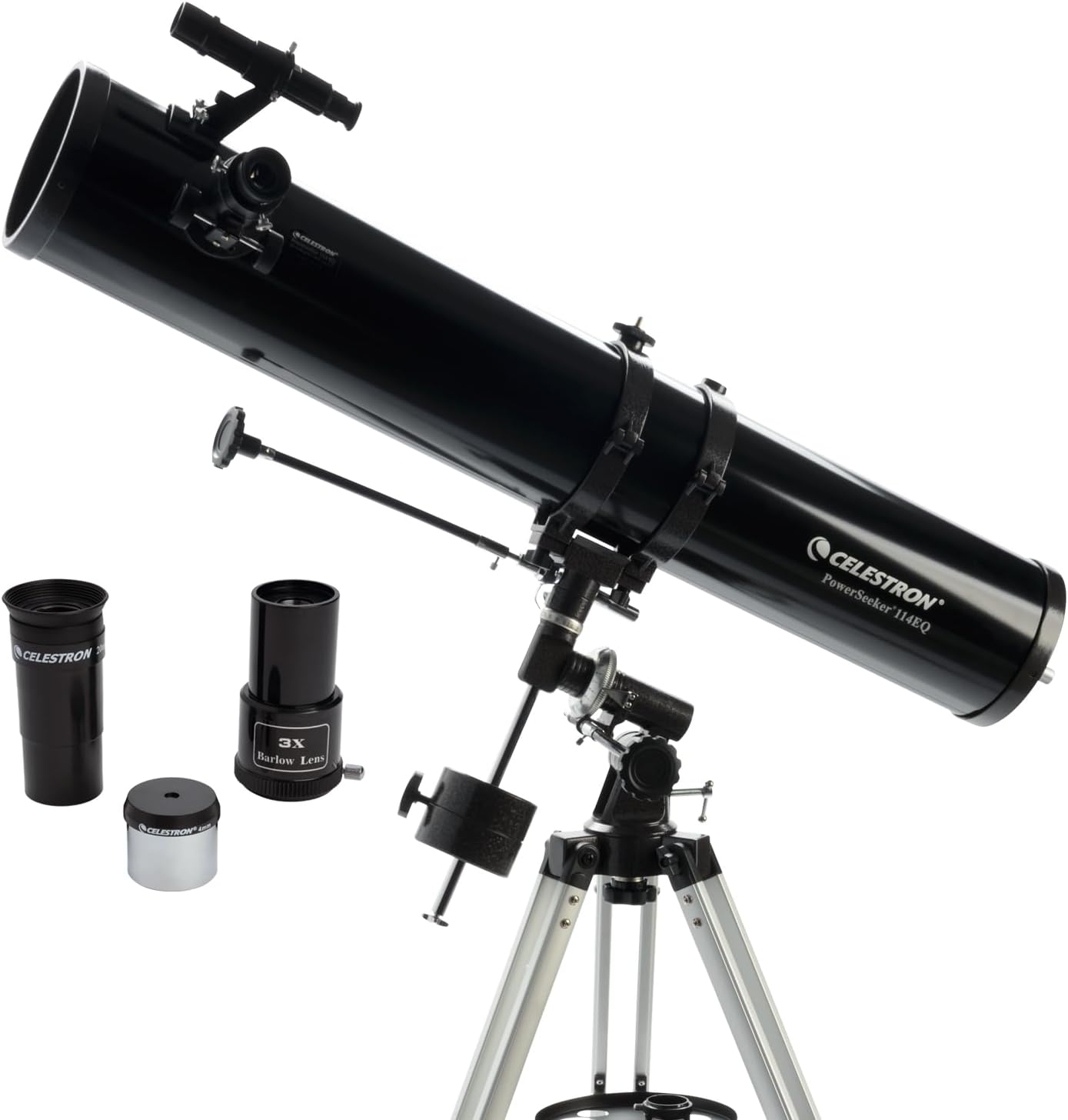
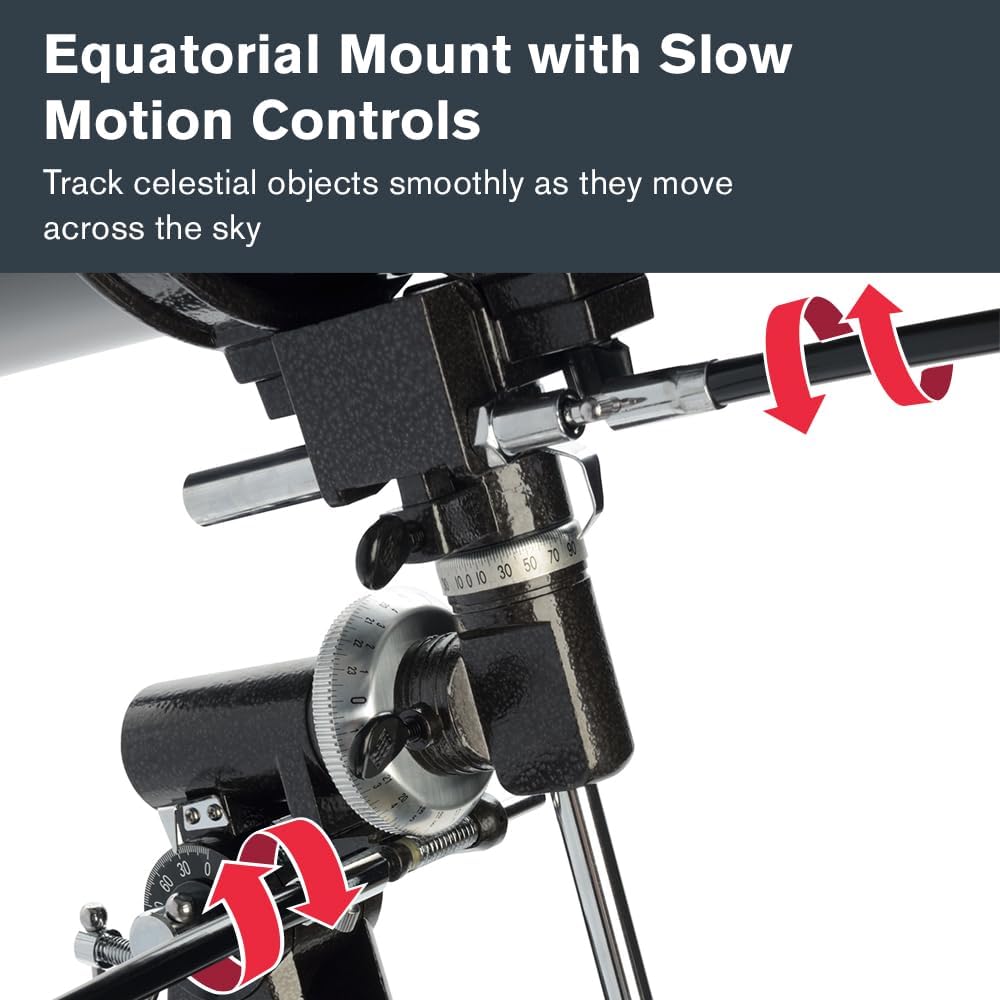
On the surface, the PowerSeeker 114EQ is built to be put together and used with minimal fuss. The German Equatorial mount provides smooth, trackable movement, thanks to a slow‑motion altitude rod that allows you to nudge the telescope accurately while you observe. This is one of the features that makes it friendlier for beginners who want to learn sky alignment without fighting with a more basic alt‑azimuth mount. The optical design is a straightforward Newtonian reflector, which traditionally offers good light gathering for the price, making it suitable for learning the night sky rather than chasing extremely faint objects.
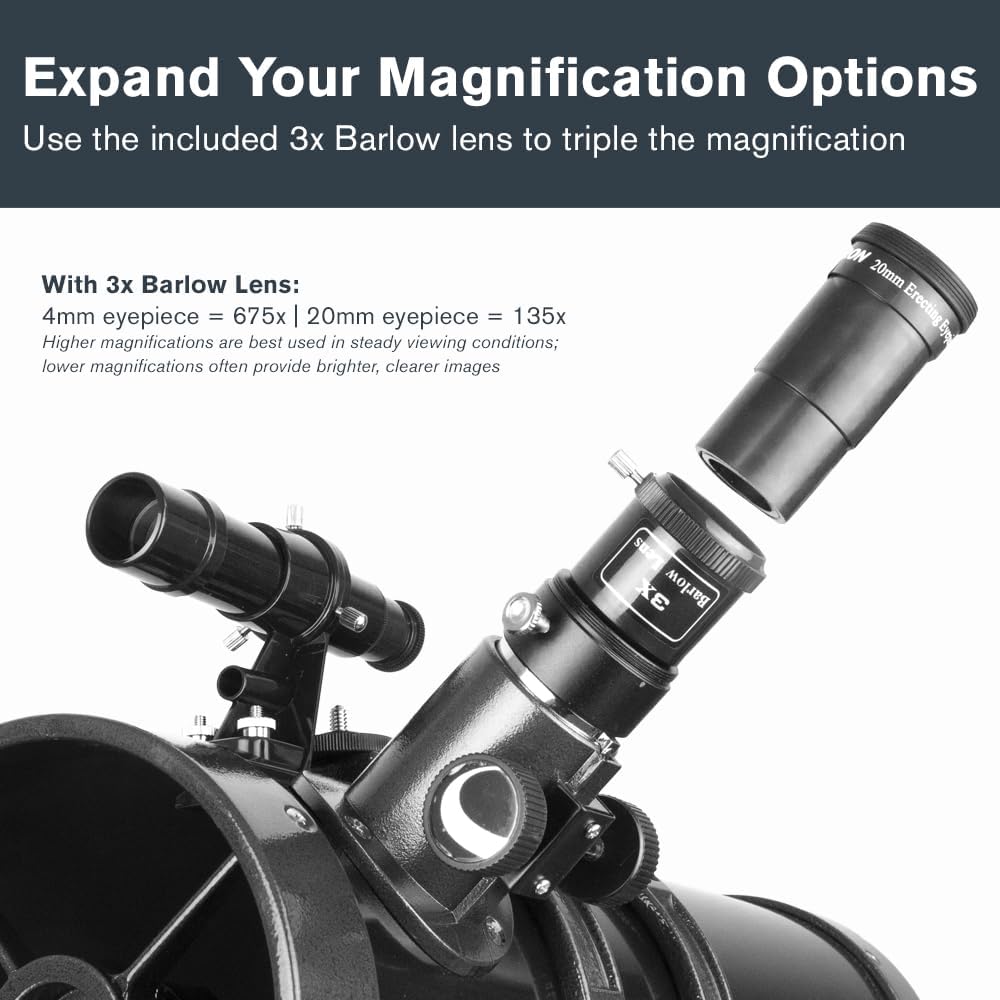
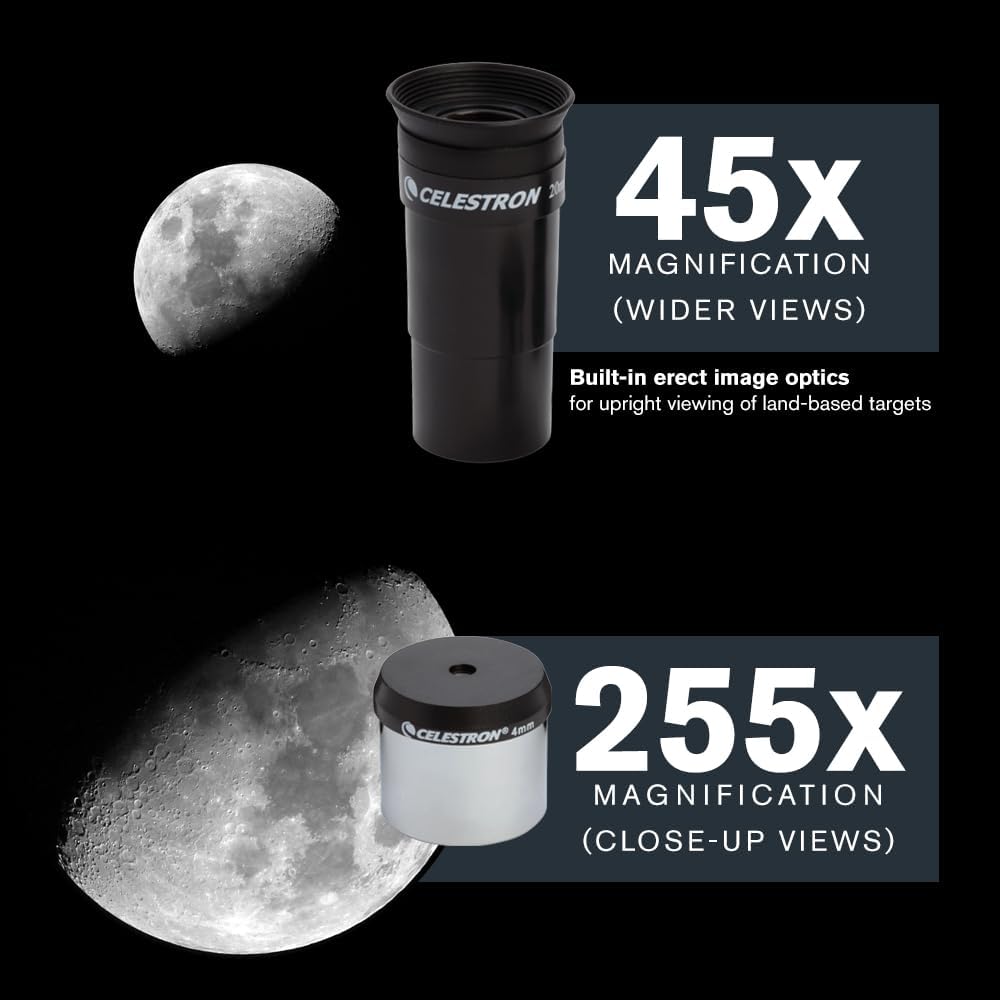
The kit’s optics include two eyepieces (20mm and 4mm) plus a 3× Barlow lens. The eyepieces give you at least two magnification options out of the box, while the Barlow effectively triples the power of each eyepiece, opening up more targets and a sense of exploring different scales. Of course, as with all beginner kits, you’ll want to temper expectations about high‑magnification performance on distant DSOs and rely more on bright, easy‑to‑spot objects for initial sessions.
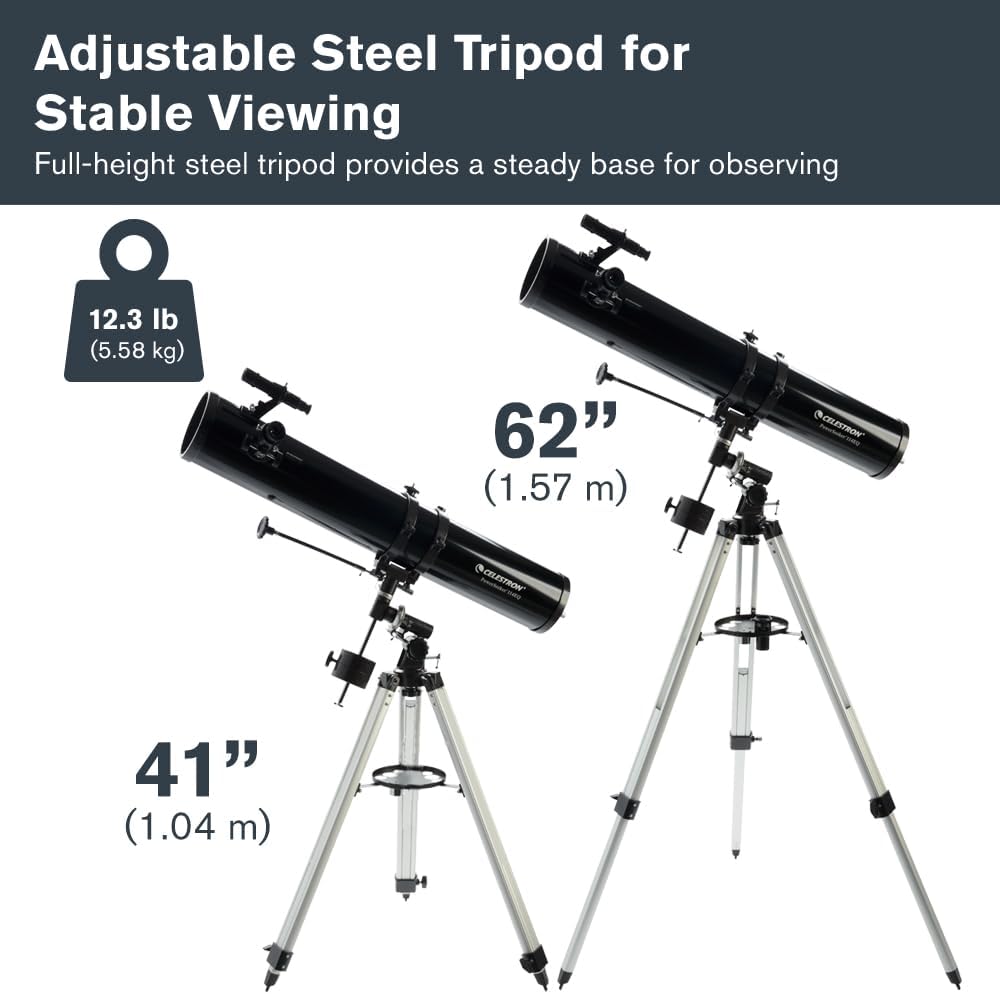
A notable advantage is portability. The setup is described as compact and lightweight, so it’s feasible to take it to a dark sky site or a quiet garden corner without a logistical headache. The included adjustable tripod adds a layer of ergonomics, letting you raise or lower the telescope to a comfortable observing height, rather than being stuck at a fixed position.
How it translates into everyday use
In practice, this is the kind of instrument that tends to reward patience and method, rather than flash or brute power. If you prioritise a clear introductory path—learning to locate the Moon’s craters, watching Jovian bands, or tracking a handful of bright deep‑sky targets—the PowerSeeker 114EQ delivers. Its manual mount means you’ll need a steady hand and a bit of practice to keep objects centred, especially at higher magnifications. That said, for home use or a family trip, it can be surprisingly capable for its price bracket.
If you’re choosing between this and more basic alternatives, the main difference is the added versatility conferred by the equatorial mount and the included Barlow. These elements help you progress beyond “point and look” to more structured observing sessions without immediately stepping up to a more complex telescope.
What works well and where it might fall short
What stands out here is the balance of simplicity and capability. The two eyepieces cover common starting magnifications, and the Barlow helps you explore more scales without buying additional accessories right away. The German Equatorial mount is also a practical step up from a basic alt‑azimuth in terms of smooth, guided movement, which can reduce frustration when hunting for faint objects. The tripod’s height adjustability is another practical touch, making it feasible for participants of varying heights to observe without compromising stability.
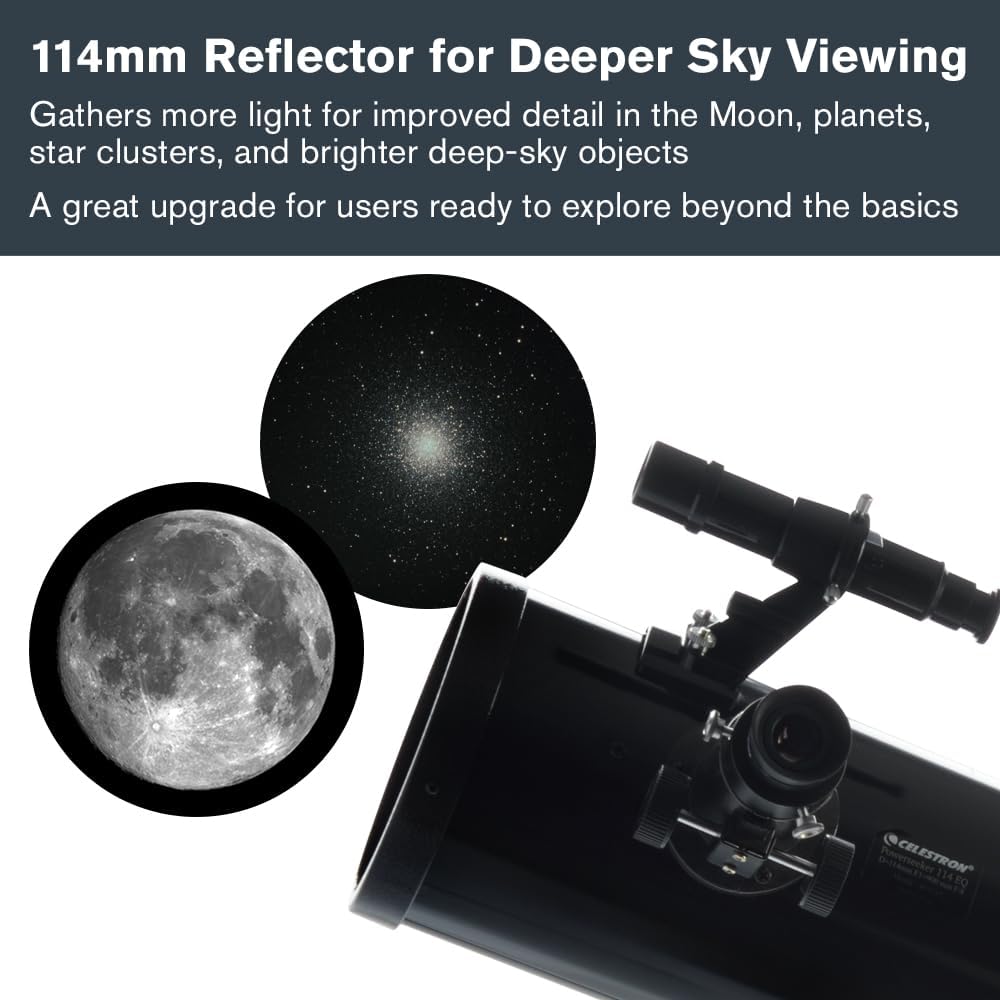
However, there are sensible caveats. The 114mm aperture limits light gathering compared to larger scopes, so very faint nebulae or galaxies won’t pop as vividly as they might in larger instruments. The manual mount requires a bit more skill to keep objects in view at higher magnifications, so it’s not the best fit for those who want a hands‑off, press‑a‑button experience. Also, you should expect some assembly and a learning curve around star alignment and star hopping.
For whom is it best suited
It suits budding astronomers, families, and hobbyists who want a practical, affordable route into stargazing. If you enjoy the idea of learning night-sky navigation, spotting familiar craters on the Moon, or following brighter planets with a little patience, this kit gives you a solid platform. It’s less compelling if you’re after high‑end planetary details, or if you crave the most effortless observing experience with automated go‑to features.
When it makes sense to buy and when to pause
Buy it if you’re after a compact, value‑for‑money starter telescope that supports learning with a proper mount and a couple of flexible magnifications. It’s a sensible choice for occasional use in a back garden or a weekend camp, where portability and straightforward setup matter. Pause if your priority is the most effortless observing with automated tracking, or if you intend to push into serious deep‑sky work and require a larger aperture.
What to check before purchase
- Confirm you’re comfortable with basic assembly and manual pointing.
- Consider whether you’ll use it mainly for Moon and planets or if you also want to glimpse brighter DSOs, the 114mm aperture keeps expectations realistic.
- Ensure you have a suitable observing site, as light pollution will affect what you can see and magnify.
- Plan for eventual accessory upgrades if you outgrow the included eyepieces and Barlow.
Practical comparison: how this fits into the broader approach to buying a beginner telescope
This PowerSeeker model represents a traditional, value‑driven approach: a modest aperture, a proper equatorial mount, and a few accessories to get you started without overcommitting financially. If you’re prioritising portability and a guided first‑step learning curve, it’s a pragmatic option. If, instead, you want a telescope that’s more forgiving of a casual, all‑in‑one observing session with less manual handling, you might lean toward a different class with more automated features or a larger aperture later on.
FAQ (practical and based on available data)
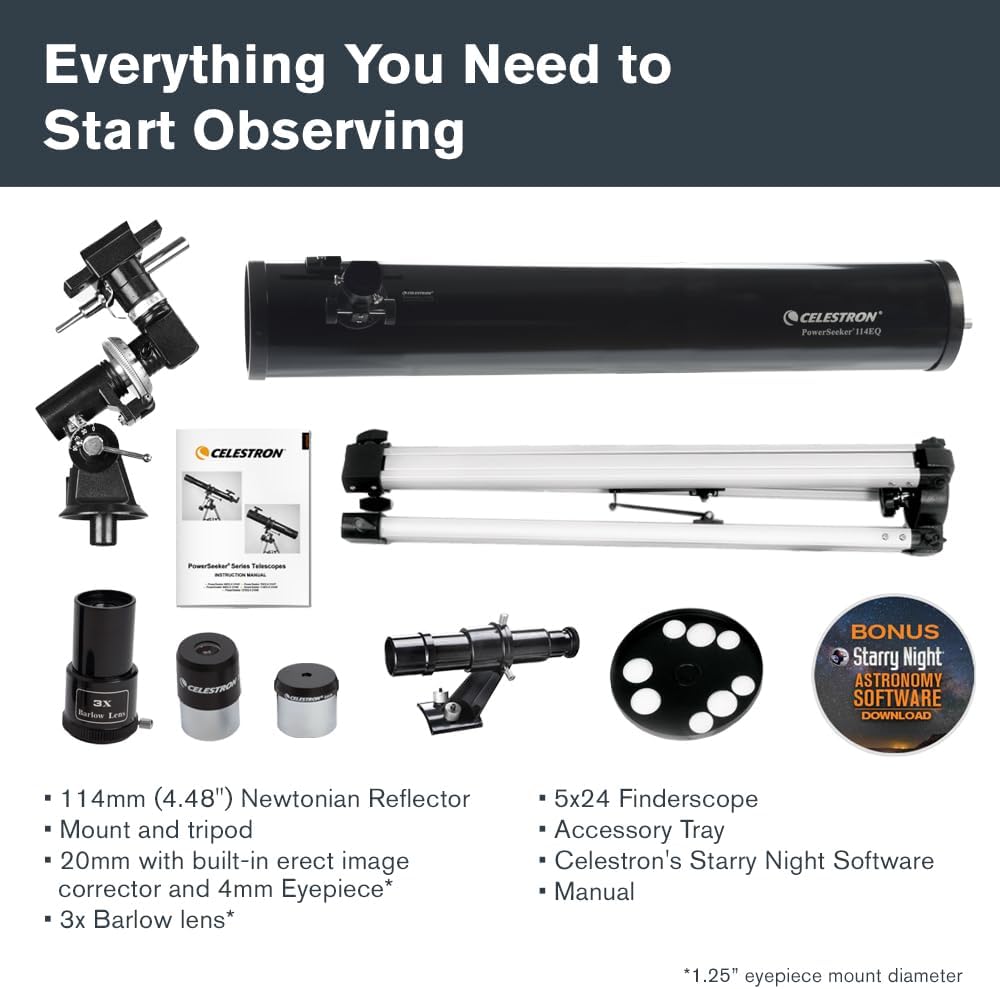
- Does it include everything needed to start observing right away? Yes, with two eyepieces, a Barlow lens, a finderscope, a height‑adjustable tripod and a deluxe accessory tray, plus software download.
- Can it handle deep‑sky objects beyond the Moon and planets? It can, but expect brighter targets and a manageable list rather than faint galaxies and nebulae.
- Is the mount easy to use for beginners? The slow‑motion altitude rod helps with pointing, but it’s a manual system that benefits from a bit of practice.
Is it worth it?
It makes sense if you want a grounded, honest entry point into stargazing that balances cost with usable features. It won’t replace a higher‑end setup, but for learning the ropes and enjoying regular sessions in reasonably dark skies, it delivers steady value.