

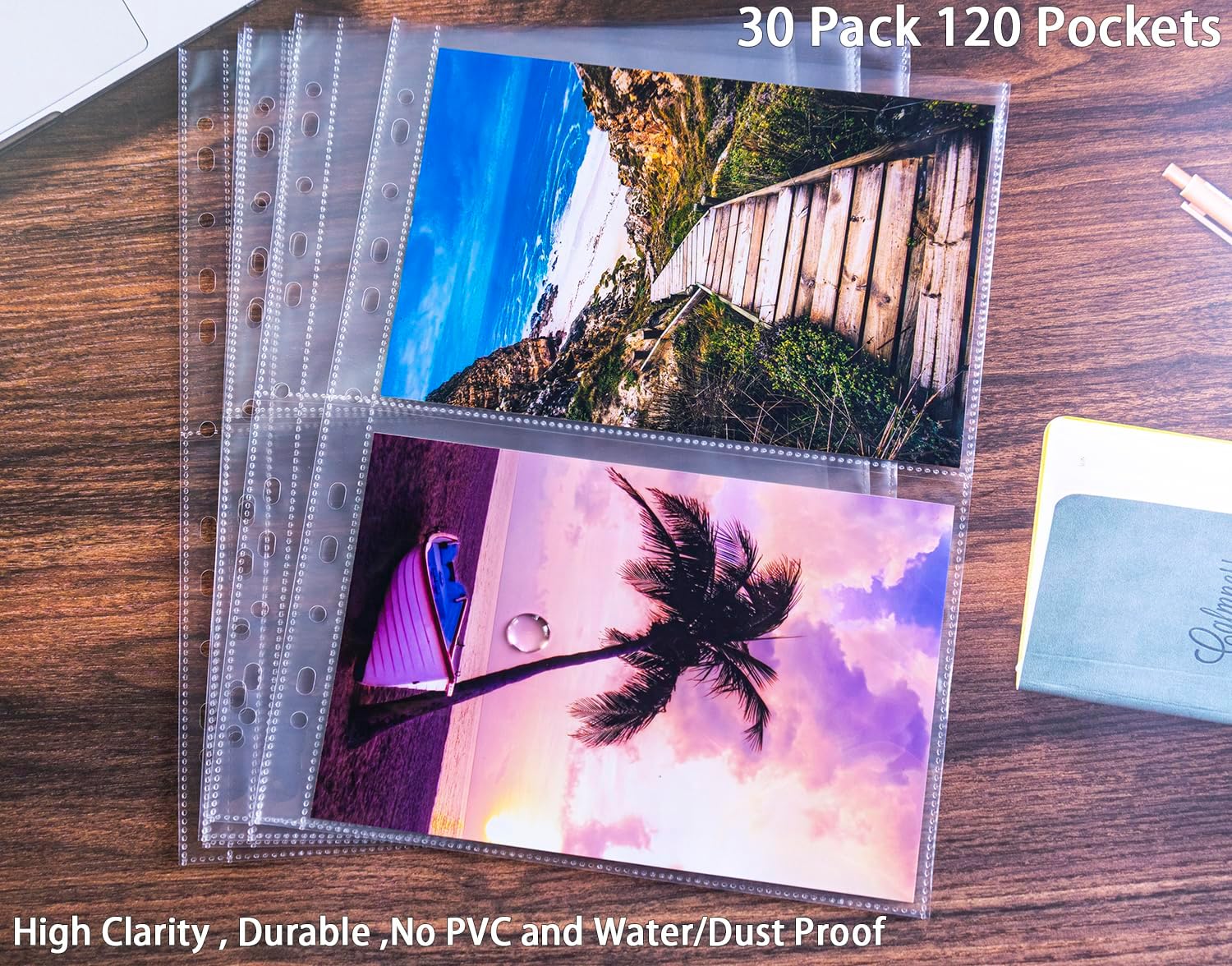
A4 Photo Sleeves Pack 30, 2‑compartment top‑load
Reviews
Price
Product description
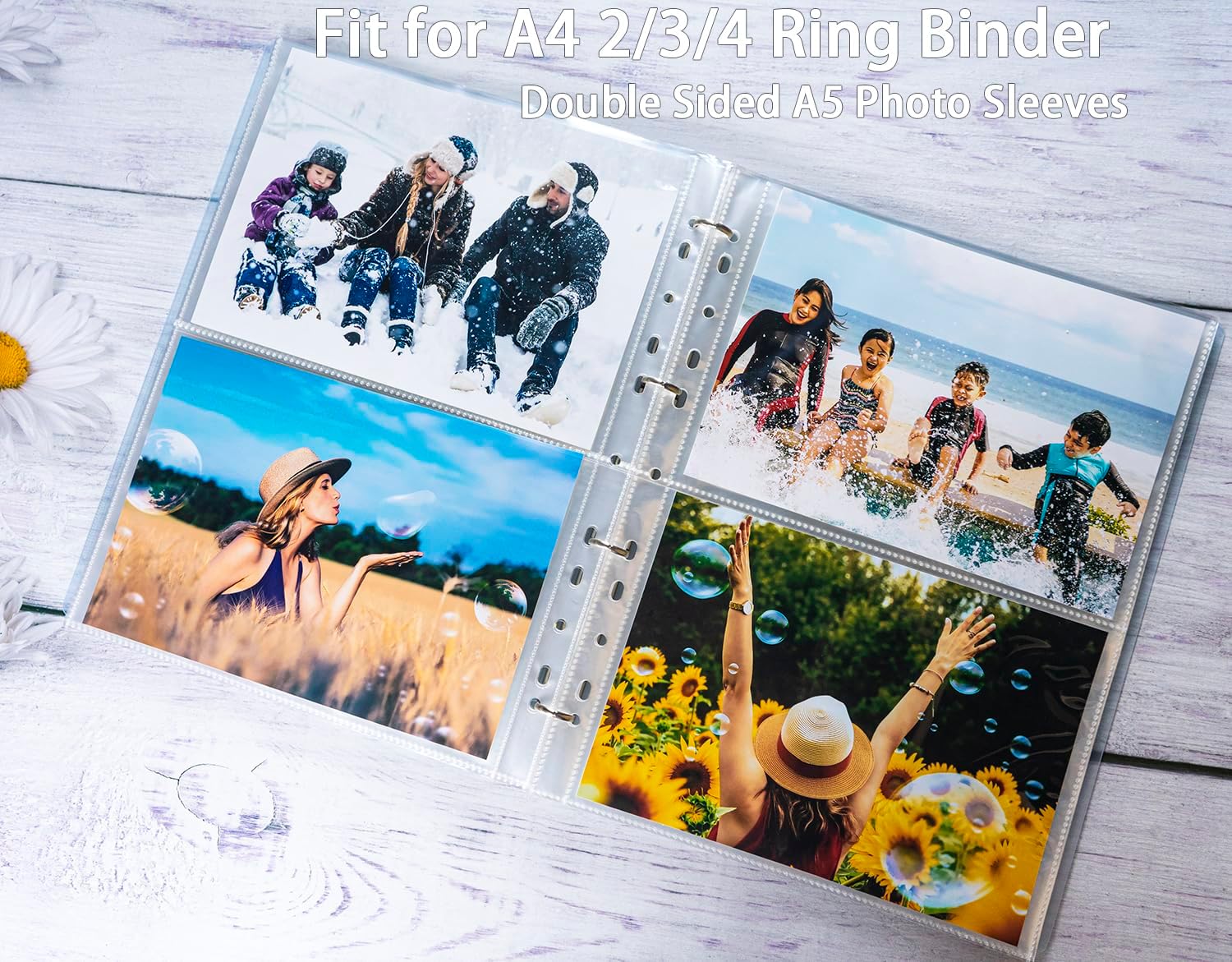
This pack of A4 double-sided photo sleeves offers practical storage for postcards and standard photos, keeping images organised in a ring binder while protecting them from dust and moisture. With 30 refill pages that fit 2/3/4-ring A4 binders, the set is aimed at anyone assembling a photo album, postcard collection or archival project where visibility and preservation matter.
Key Points
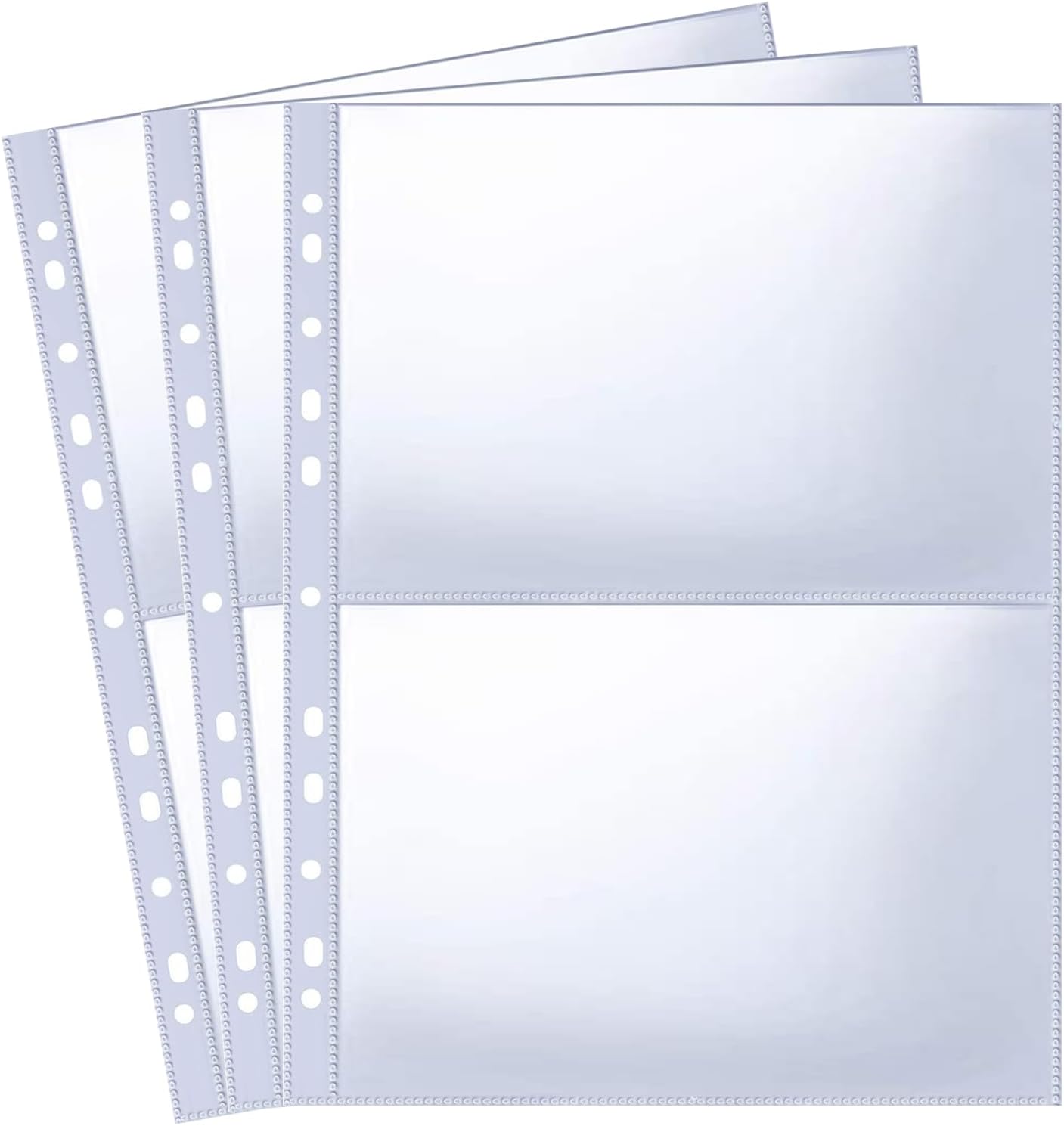
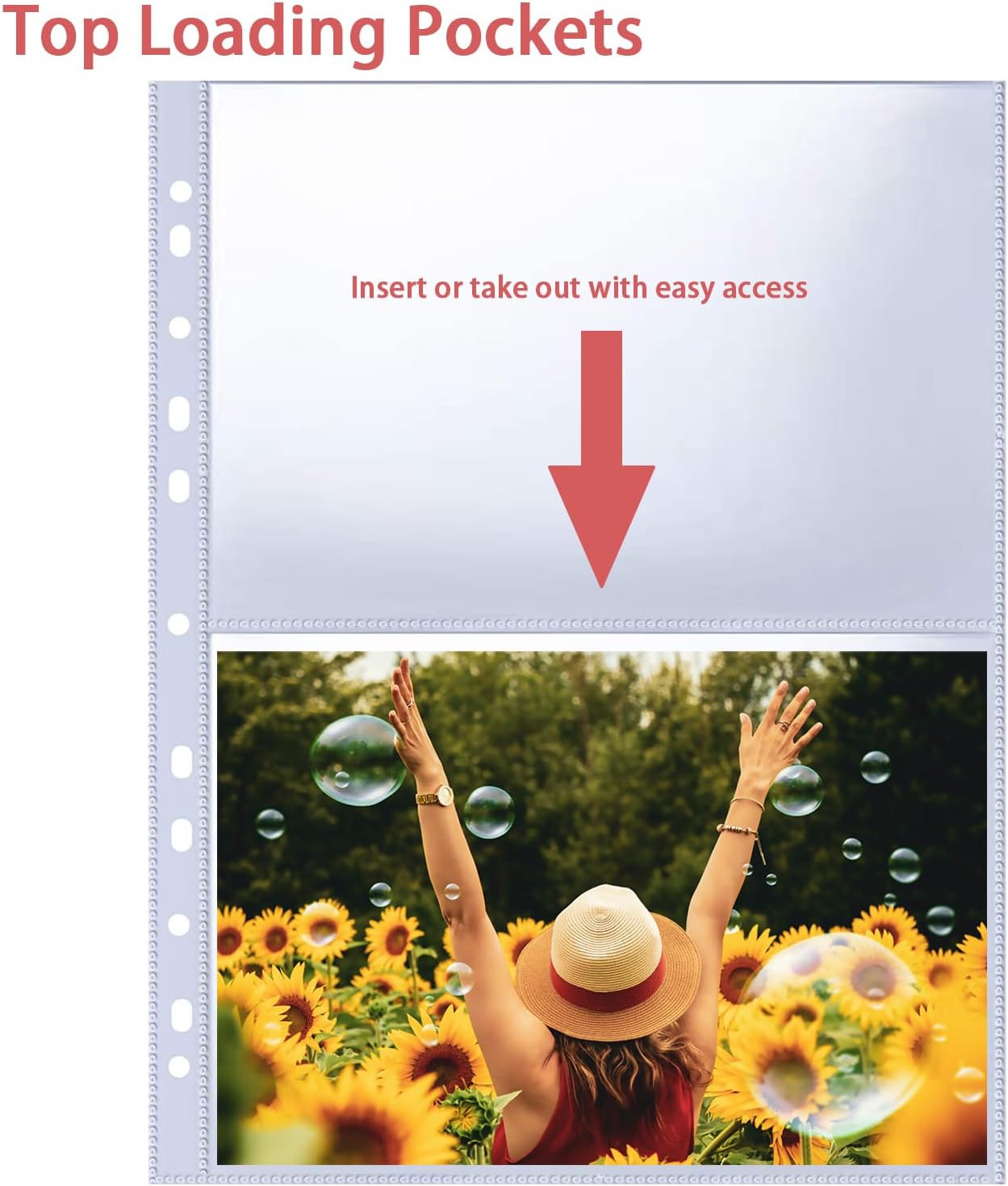
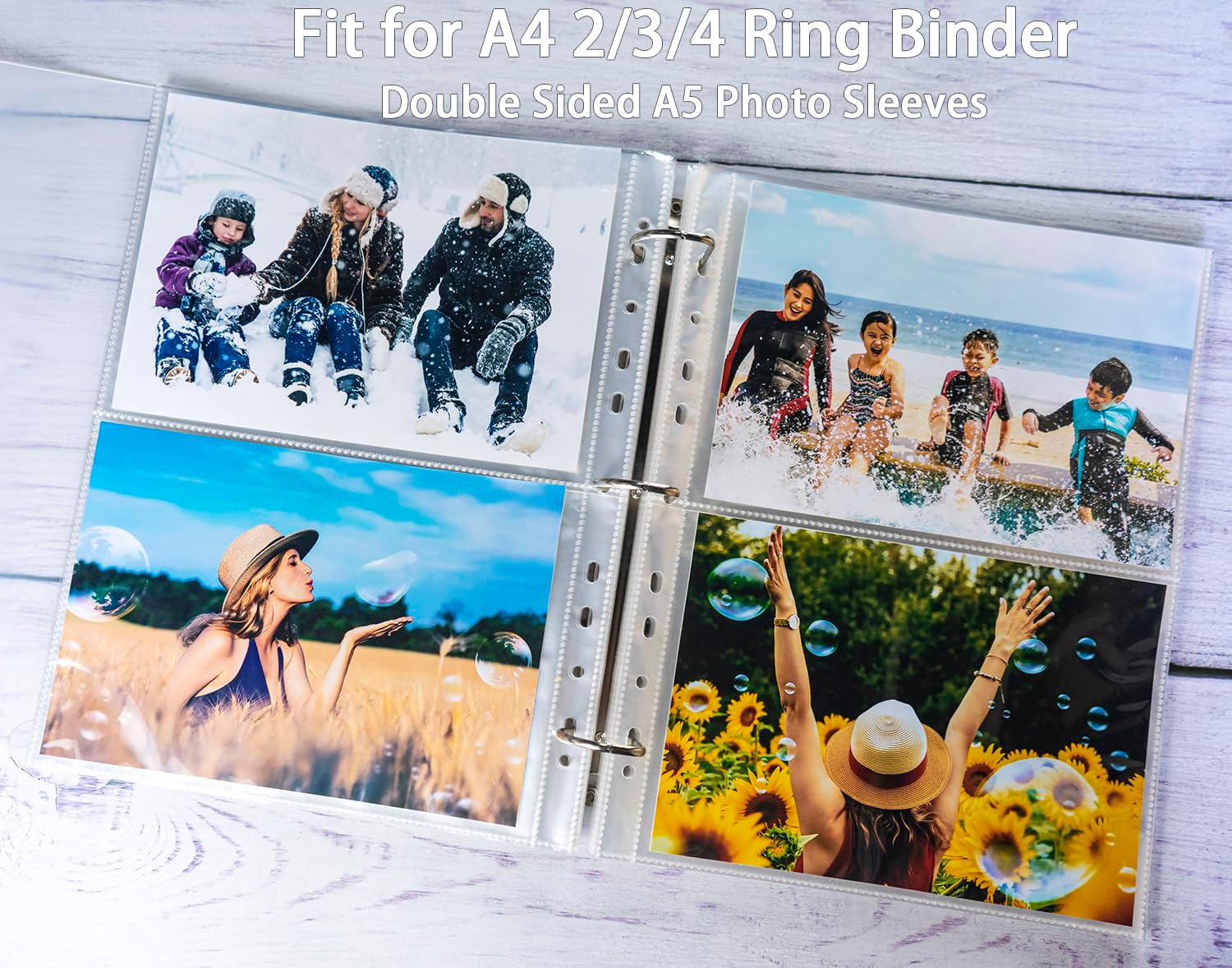
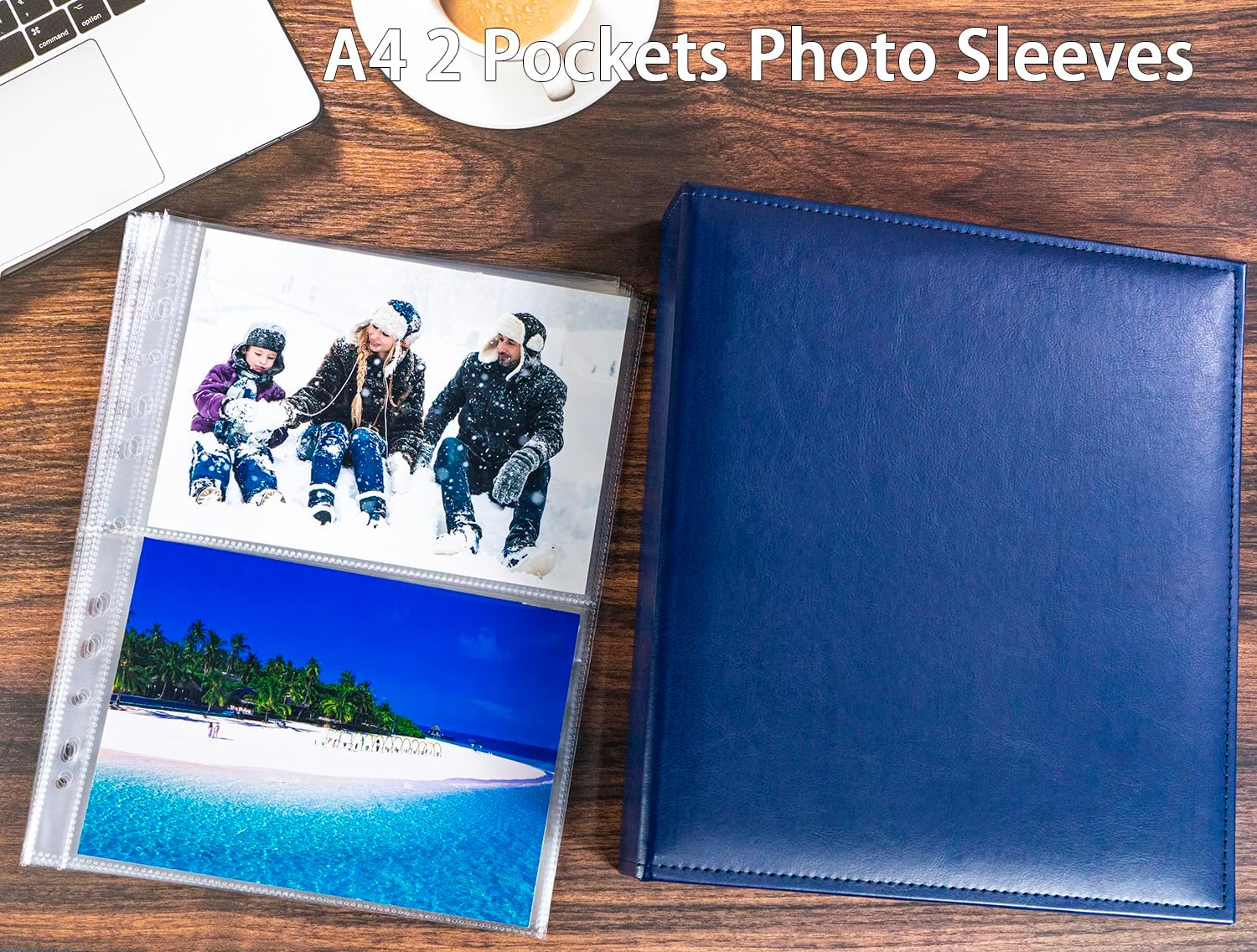
Each page contains two compartments on both sides, giving four pockets per sheet and a total of 120 pockets across the pack. The pockets are top-loading to make insertion and removal of photos straightforward, and the clear design lets you view images without handling them directly. The sheets are compatible with standard A4 binders that accept 11 punched holes, and the pocket size suits A5 portraits and typical postcard dimensions. 😊
Technical Specifications
- Name: WITHYU Pack of 30 A4 Photo Sleeves
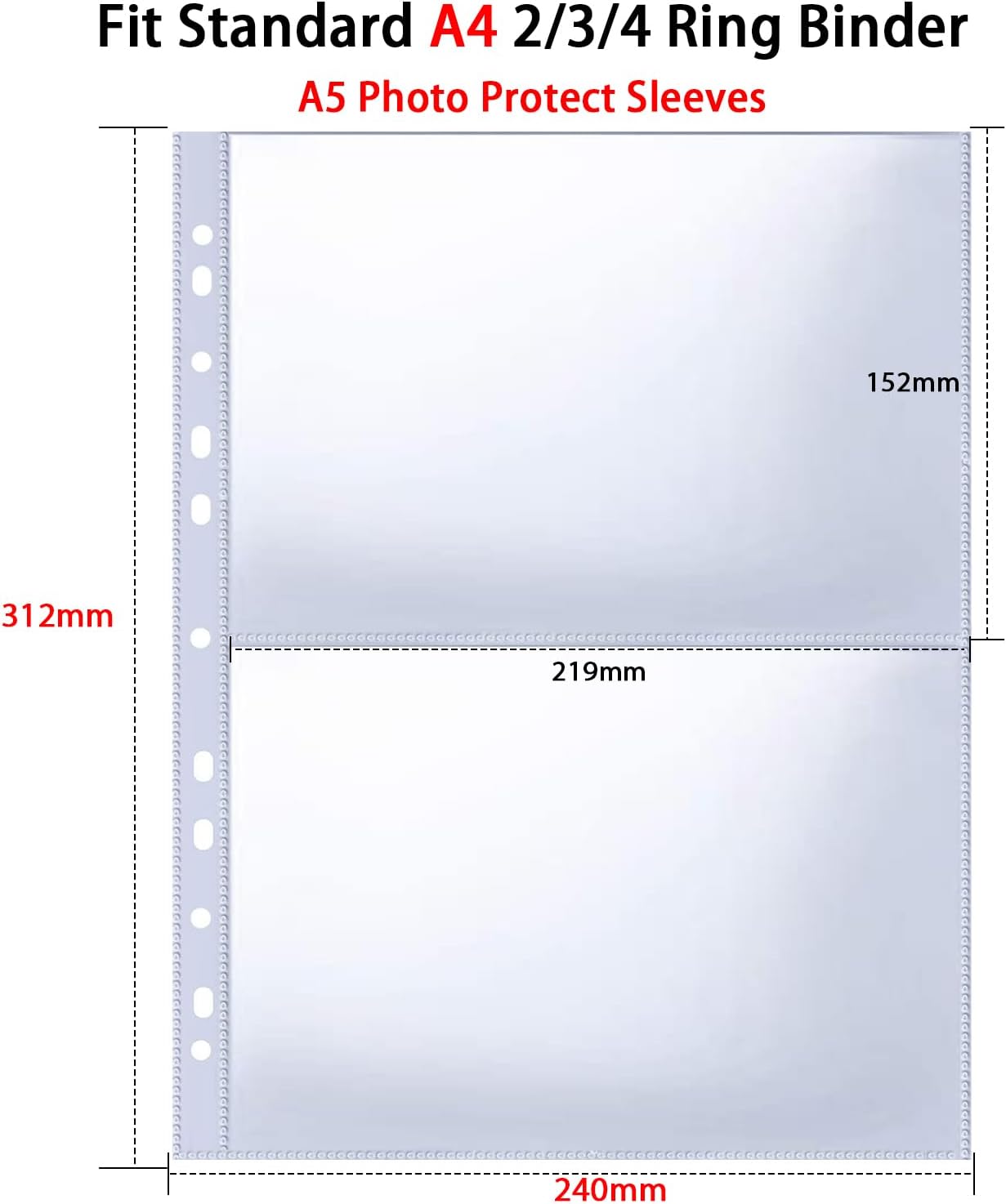
- Sheet size: 240 x 312 mm
- Pocket size: 219 x 152 mm
- Holes: 11 punched holes to fit 2/3/4-ring A4 binders
- Pockets per sheet: 4 (double-sided, two compartments each)
- Total pockets: 120
Benefits
The sleeves are made from durable polypropylene with ultrasonic welding, which, according to the manufacturer, reduces tearing and avoids the use of PVC. This material choice helps preserve photographs by being non-toxic and less likely to degrade images over time. The water- and dust-resistant pockets add an extra layer of protection for collections that may be handled occasionally or stored on open shelves. 📸
Usage Recommendations
Insert photos vertically into the top-loading pockets to prevent slipping and to maintain a neat album presentation. For long-term storage, keep albums out of direct sunlight and in a stable environment to limit fading. Consider grouping photos by event or date so that the double-sided layout is used efficiently and pages remain balanced in the binder. 🗂️
Note that while the sleeves are clear and protective, they are not described as archival-grade acid-free by the manufacturer, so if you require museum-level conservation, check specific archival materials before use.