

2PCS Multimeter Test Leads (4mm Banana Plug to Crocodile Clips) 1000V/15A Red & Black, 1m each
Product description
If you’re doing automotive checks, servicing industrial kit, or simply want sturdier multimeter leads than the flimsy ones that come in basic kits, these crocodile-clip test leads are built with that job in mind. On paper they’re aimed at safer, more reliable electrical testing thanks to the stated CAT IV positioning and a 1000V / 15A rating.
That said, multimeter leads are one of those purchases that can feel “good until you use them for the wrong situation”. So it’s worth checking whether the 4mm banana plug connection fits your meter, and whether the crocodile clip size and insulation style suit the terminals you usually work on.
The essentials
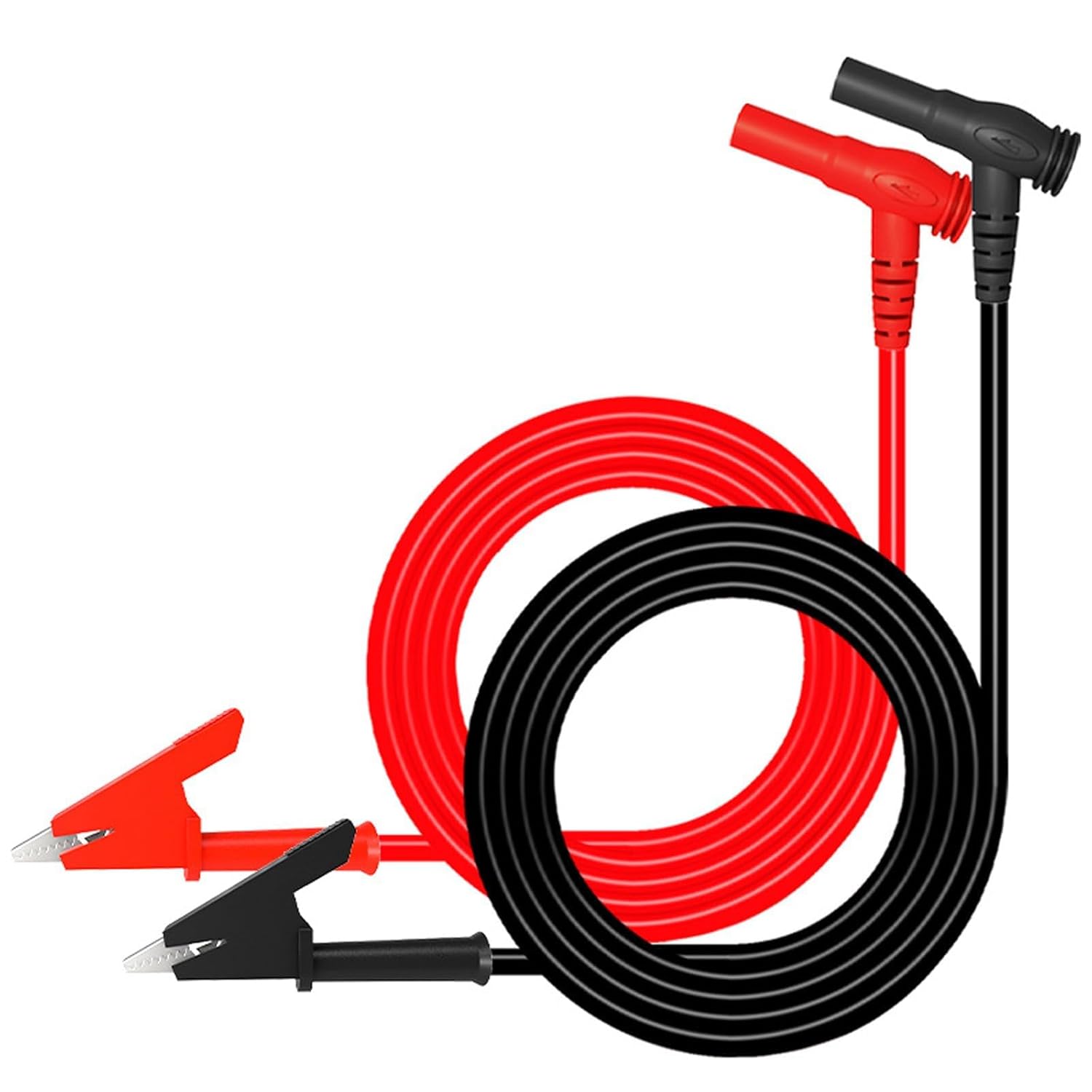
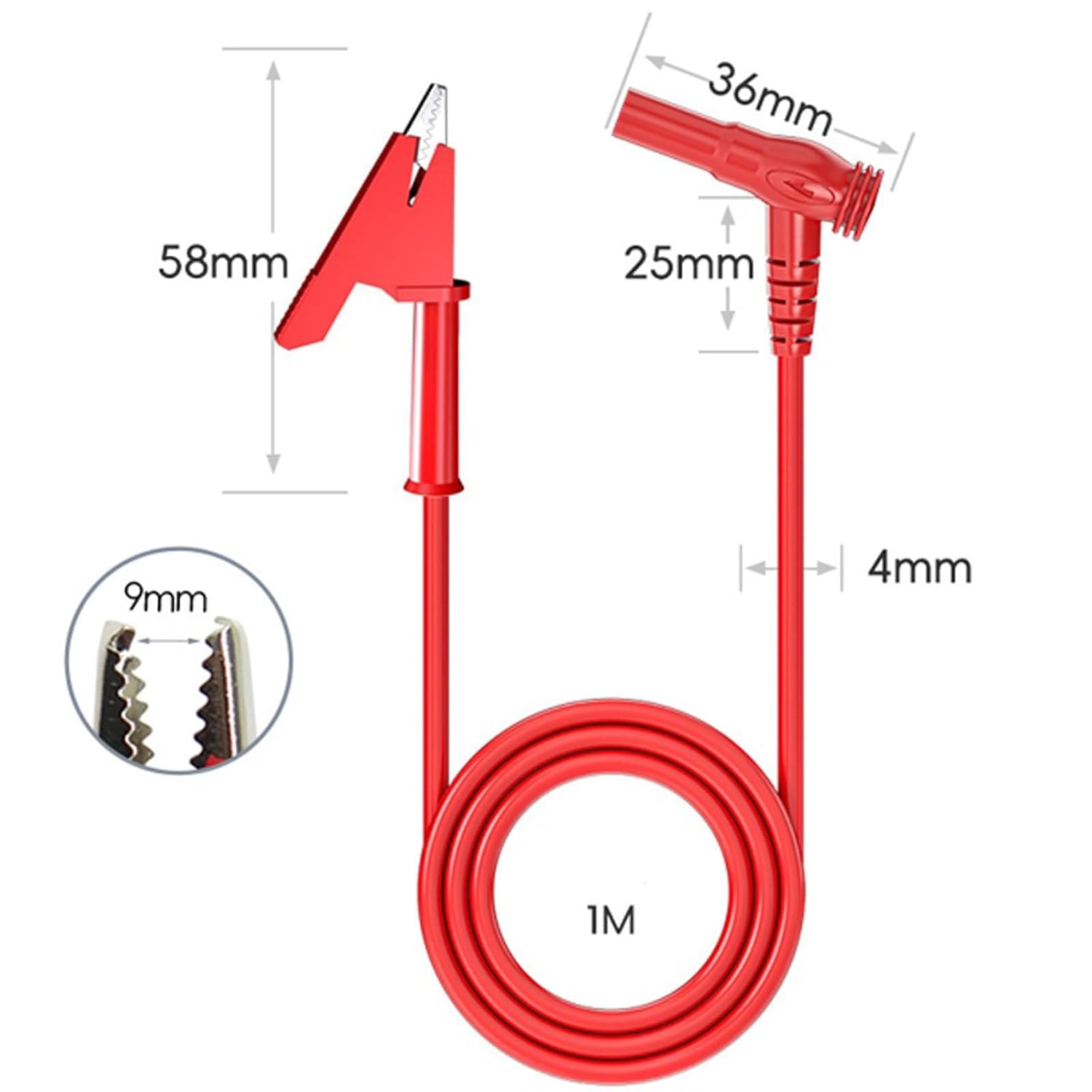
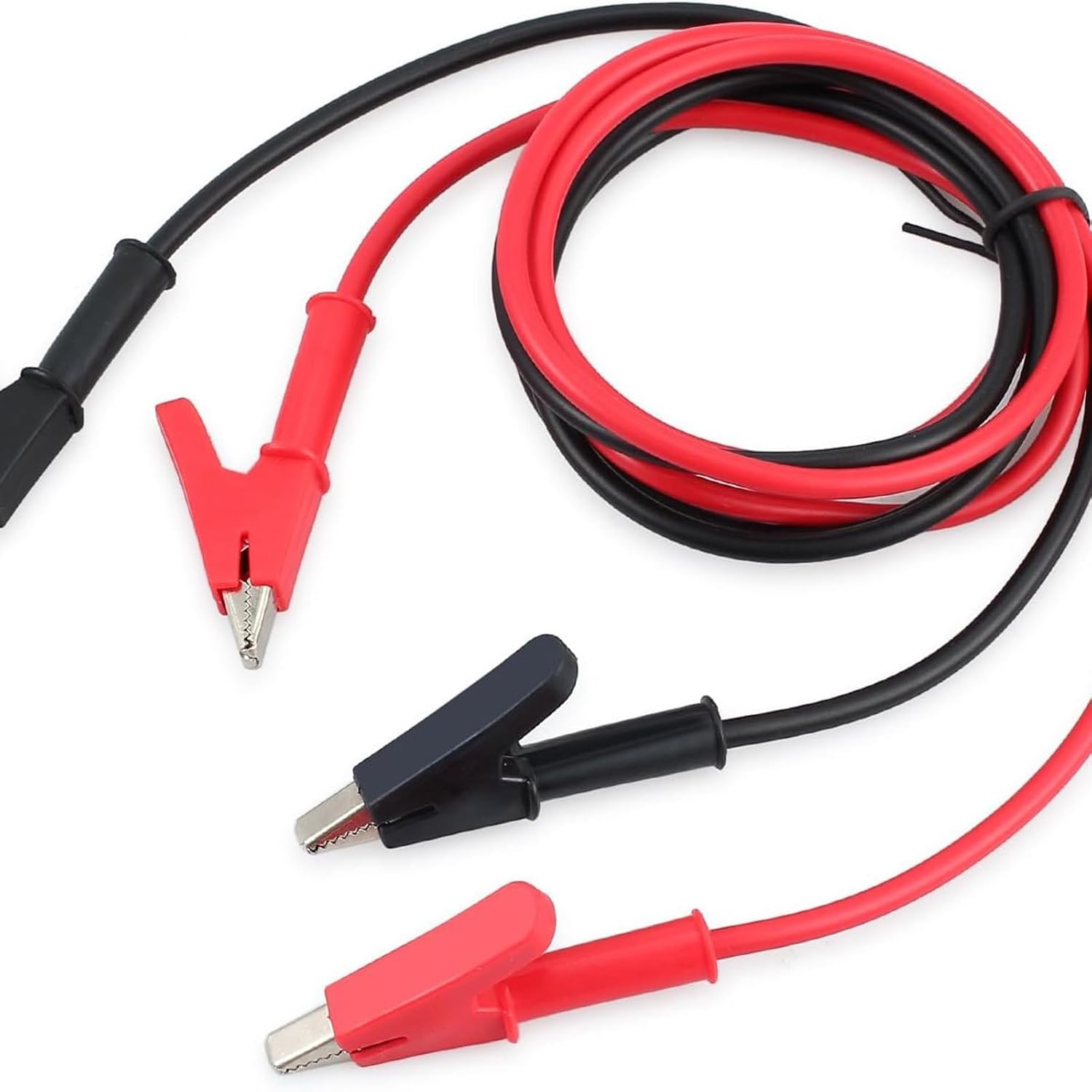
These are a pair of multimeter test leads with 4mm banana plugs on one end and heavy-duty crocodile (alligator) clips on the other. The leads are supplied in red and black for easy polarity recognition while you’re setting up measurements. The lead length is stated as 1m for each lead, giving you some breathing room when the circuit points are awkwardly positioned (think engine bays or crowded control panels).
The crocodile clips have wide-grip jaws described as 1.5cm, which is intended to clamp onto thicker wires, terminals, or less regular shapes without constantly slipping. The tips are insulated to help reduce the chance of accidental shorts during live measurements.
What to know about safety and ratings
The manufacturer claims “high-capacity 1000V/15A safety” and says the leads meet CAT IV standards. For buyers, the practical takeaway is that these leads are meant for more demanding electrical testing contexts than the cheapest general-purpose wires.
However, keep expectations grounded: “CAT IV” and voltage/current ratings only matter when your meter, your setup, and your working environment are all appropriate for that test category. If you’re only doing low-voltage continuity checks on bench electronics, you might not be getting much extra benefit—though you could still appreciate the thicker, more confidence-inspiring build.
Where they feel better in day-to-day use
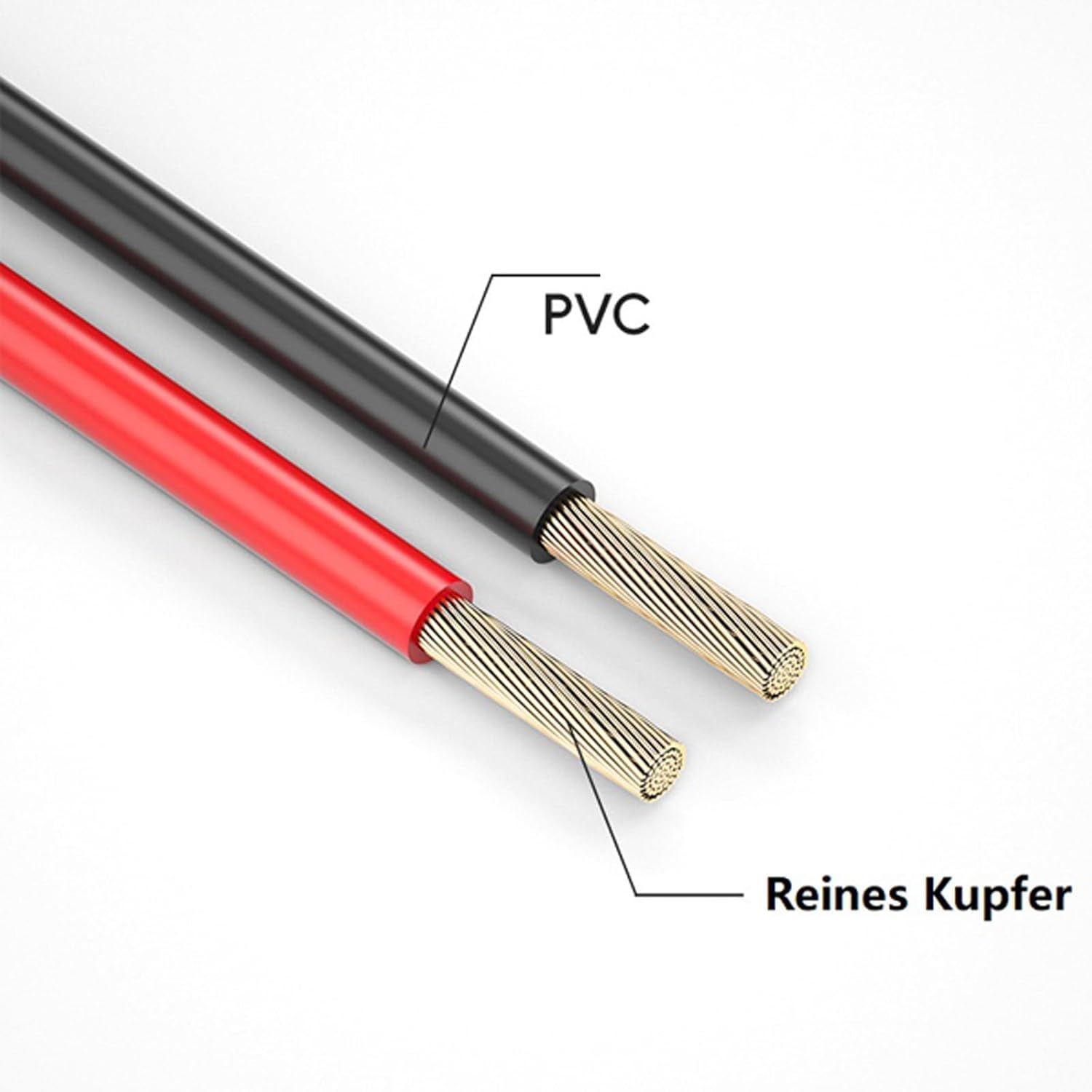
A big part of multimeter leads is how they behave once they’re in your hands. These are described as having a pure copper core with frost-resistant PVC insulation, with the promise that the cable stays pliable even in freezing conditions. If you do outdoor repairs or you sometimes work in a cold workshop, that’s the sort of detail that can make a real difference: stiff leads are harder to route, easier to pull loose, and less comfortable to work with.
There’s also the durability angle. Reinforced crimping and abrasion-resistant sleeves are mentioned, aiming to keep the connections lasting through repeated use—something you’ll care about if you’re plugging/unplugging often or working around machinery where cables get brushed and moved.
A small but practical bonus is the stated heavy-duty approach: the clips are positioned as “wide-grip” so you’re not fighting the clamp every time you land on a larger conductor.
Specs that affect compatibility
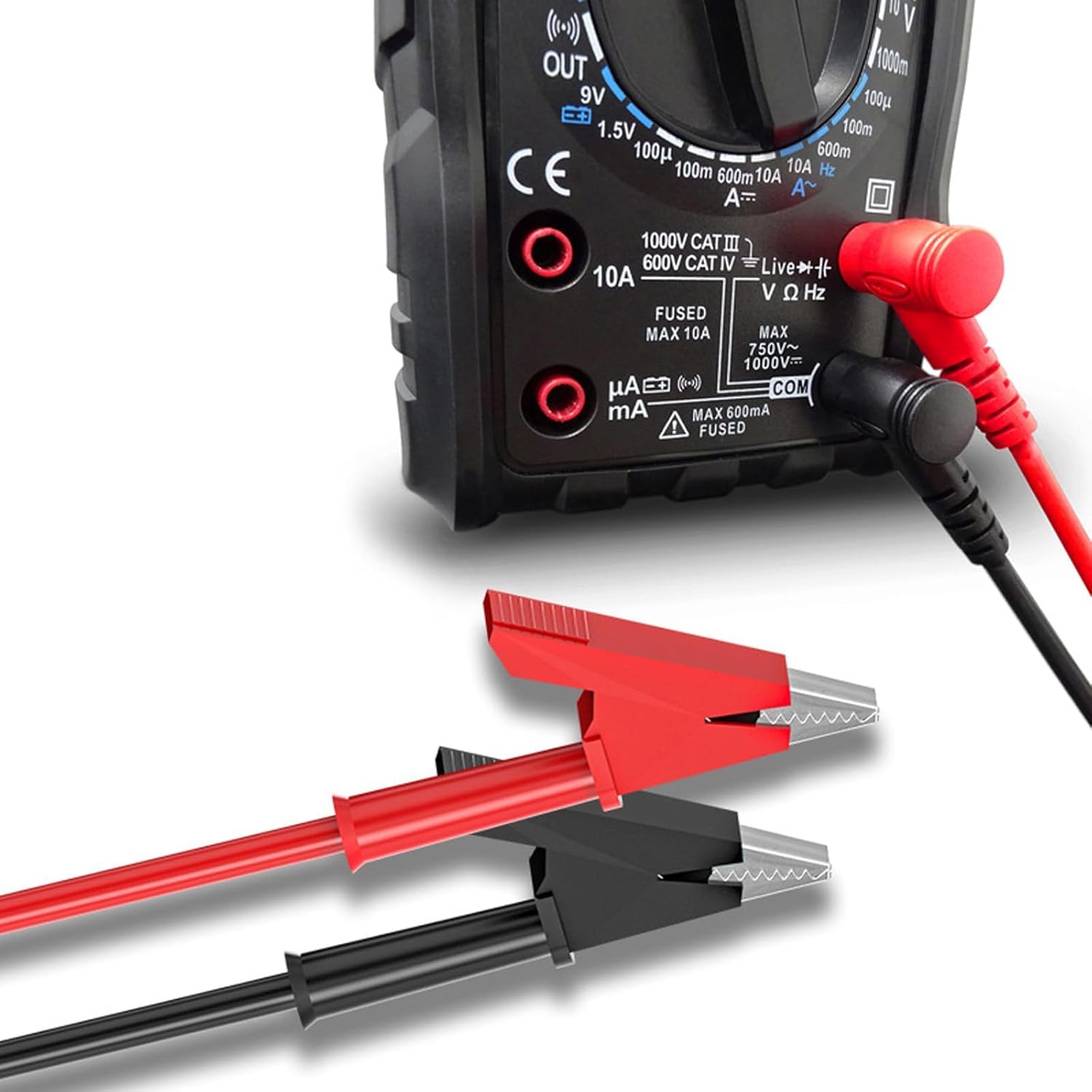
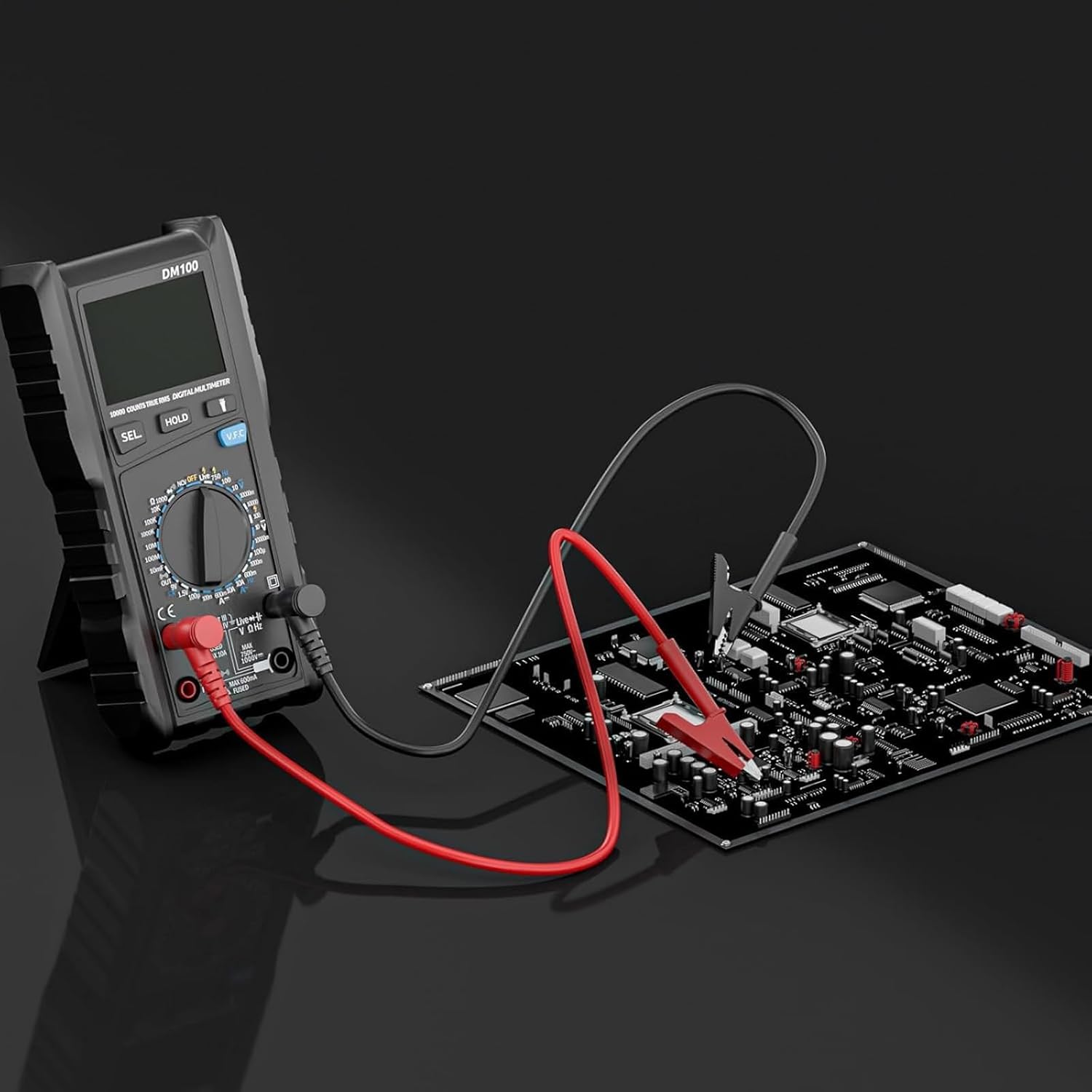
These leads are sold as “4mm banana plug to crocodile clip” and are associated with the P1047 model in the description. The key decision point is simple: your multimeter (or tester) needs to accept 4mm banana plugs for the connection to work.
If your meter uses a different connector style, you may find yourself with leads you can’t use without an adapter—so it’s worth checking before you buy.
Who it suits best (and who should be cautious)
It’s a solid pick if you regularly test in real-world conditions—automotive diagnostics, industrial equipment work, or troubleshooting electrical circuits where cables need to reach and clips need to hold reliably. It also suits you if you want leads that stay flexible in colder environments, because the frost-resistant insulation is specifically called out.
It might not be the best match if you mainly do delicate low-voltage bench work on fine PCB components, where oversized clip jaws (1.5cm) can be awkward or too “grabby”. Likewise, if your testing setup relies on very small, tight terminals, you may prefer more precise clip types.
And one more limitation to keep in mind: ratings and standards help, but they don’t replace safe technique. If your measurements involve complex live work, your setup and meter category still have to make sense.
Practical testing scenario
Imagine you’re checking a suspected fault in an engine bay. The 1m lead length helps you avoid having to reach awkwardly from the meter position. You clamp the crocodile clip onto a thicker terminal or wire, then connect the other lead using the red/black polarity for clarity. With the insulated clip tips, you’re less likely to have the clip accidentally touch where it shouldn’t—especially helpful when you’re working quickly and under pressure.
Mini FAQ
Will these leads work with most multimeters?
They’re designed for 4mm banana plug compatibility. The description says they connect seamlessly to most multimeters, power supplies, or testers that accept that plug size, but you still should verify your meter uses 4mm banana inputs.
Are the crocodile clips insulated?
Yes—insulated tips are mentioned, intended to help prevent accidental shorts during live electrical measurements.
Are they suitable for cold weather use?
The insulation is described as frost-resistant PVC, with a focus on staying pliable even in freezing conditions.
Do they come as a red/black pair?
Yes. The set is supplied as red and black leads for easier polarity identification.
Is the CAT IV rating something I should care about?
It can be relevant if you’re doing more demanding electrical testing. If your work is mostly simple low-voltage checks, the added category capability may be less important than basic fit and comfortable handling.
Should you buy it?
Buy these if you want practical, heavy-duty multimeter test leads with wide-grip crocodile clips, 1m reach, and 4mm banana plug compatibility—particularly if you do automotive or industrial diagnostics and sometimes work in colder conditions.
Skip them if your meter doesn’t accept 4mm banana plugs, or if you mainly test small electronics where larger clip jaws are likely to be inconvenient. For most everyday garage and field troubleshooting, they look like a sensible upgrade over generic leads—just remember that safe measurement still depends on using the right category setup, not the cable alone.