

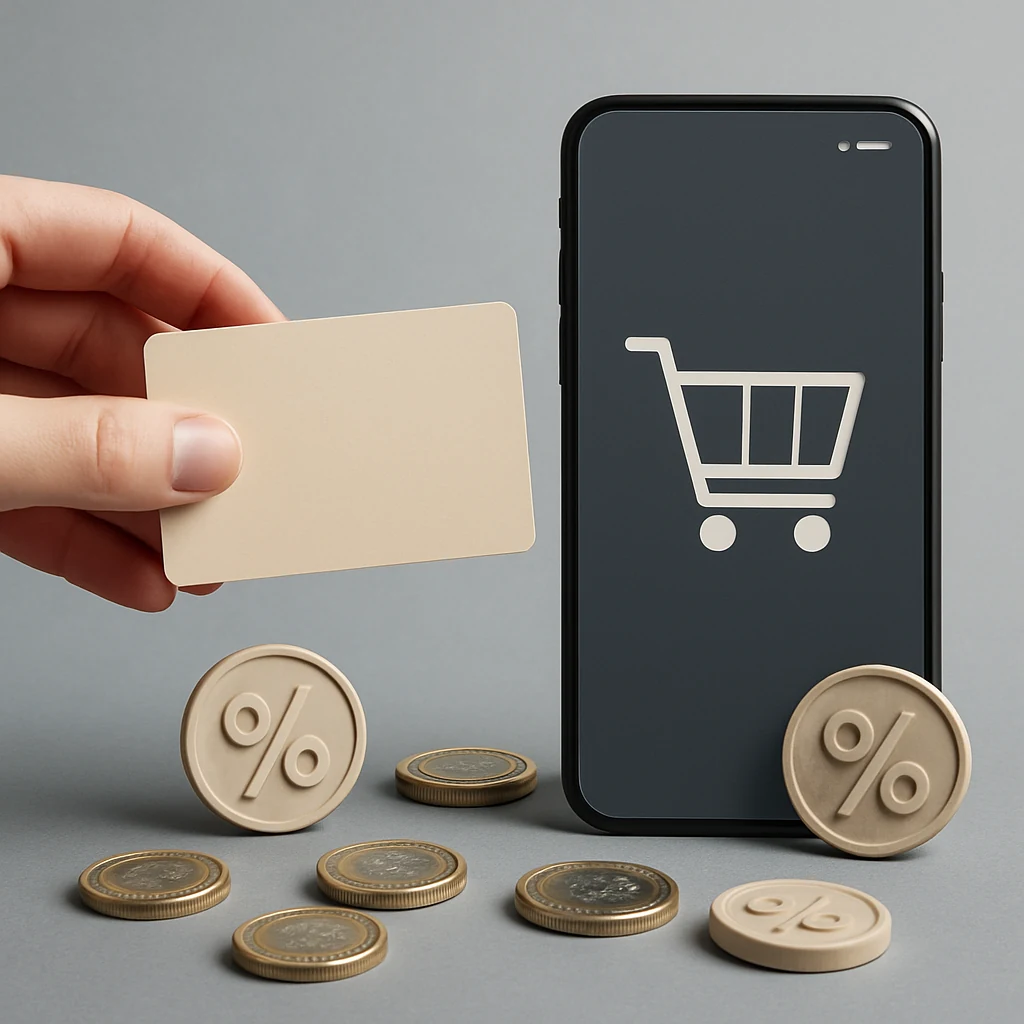
The UK Gift Card & Discount Portal Playbook for Online Savings
A practical UK guide to saving online with gift cards, discount portals and voucher stacking—plus the trade-offs to watch at checkout.
You don’t always need a perfect voucher code to get a genuinely good price. One of the most reliable UK tactics is simply paying in a smarter way: discounted gift cards, employer/student portals, and the right checkout route. Done well, it’s quiet, repeatable saving—without refreshing deal pages all evening.
This guide is about the decisions and trade-offs, so you can choose what’s worth it for your basket.
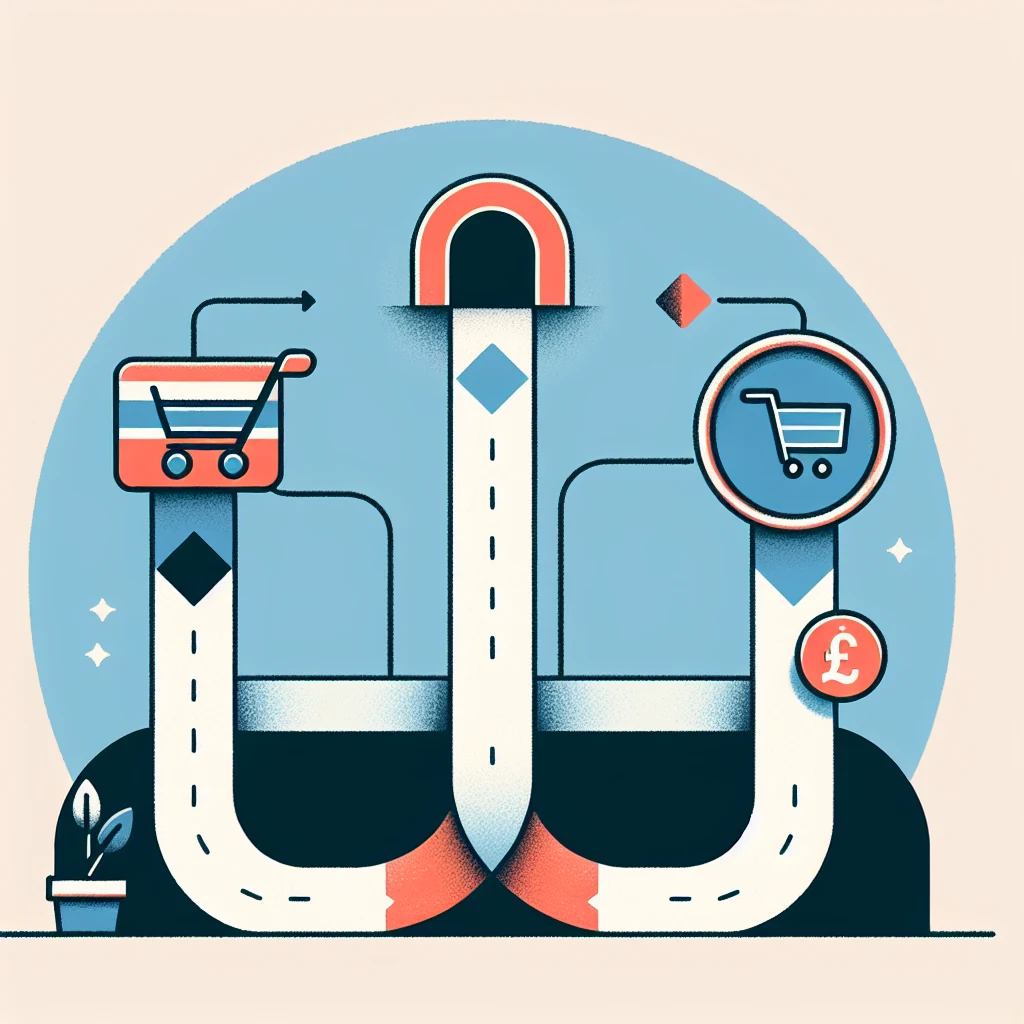
Why “paying differently” can beat chasing vouchers
Most online discounts fall into two buckets:
-
Retailer-led promotions (seasonal sales, end-of-line, limited codes). You’re at the mercy of timing.
-
Payment-layer savings (gift cards, discount portals, cashback routes). You can often use these any day of the week, even when the retailer isn’t shouting about a sale.
The catch is that payment-layer savings can come with conditions—delivery exclusions, returns quirks, and “not valid with other offers” wording. The goal isn’t maximum stacking every time. It’s finding a combination that doesn’t create a headache later.
The core options (and when each wins)
1) Discounted gift cards: best for predictable spending
If you regularly shop at the same places (supermarkets, DIY, fashion, electronics, homeware), discounted gift cards can be the easiest “always on” saving.
Best when: you were going to buy anyway, you’re confident about sizes/specs, and you’re fine paying upfront.
Trade-offs to weigh:
- Returns: some retailers refund to the original payment method. If you paid with a gift card, your refund may come back as store credit.
- Flexibility: you’re locking money into one retailer.
- Expiry and terms: check the expiry date and any exclusions.
A sensible UK approach is to treat gift cards like fuel: only buy what you expect to use soon, and keep a simple note of balances.
2) Employer, student and membership portals: best for “already eligible” discounts
Lots of UK shoppers have access to discounts without realising it—via employer benefits schemes, student membership, or sector-specific cards. These portals often provide either:
- a tracked link that applies a discount at checkout, or
- a gift card purchase route at a better rate than you’d get elsewhere.
Best when: you’re buying higher-ticket items (where small percentages matter) or you want a straightforward discount without testing ten voucher codes.
Trade-offs to weigh: some discounts don’t combine with other offers, and portal links can be fussy—one wrong click and it doesn’t track.
3) Cashback routes: best when you’re not in a rush
Cashback can be brilliant, but it’s rarely instant. Think of it as “future money” rather than a checkout discount.
Best when: the price is already decent, you can wait for cashback to become payable, and you’re willing to be methodical.
Trade-offs to weigh:
- Tracking can fail (especially if you bounce between tabs, use ad blockers, or apply unlisted codes).
- Returns and partial refunds can reduce cashback.
If you need certainty, a discount that shows in your basket now often beats a bigger “maybe later”.

A real-life decision flow: three UK checkout scenarios
Scenario A: You need it this week (delivery matters more than saving)
You’re buying, say, a replacement kettle or a phone charger because yours has died. The temptation is to chase the biggest discount, but delivery reliability is the real win.
A practical play:
- Choose the retailer with clear delivery dates and easy returns.
- Use a portal discount or a small voucher that applies cleanly.
- Only use a discounted gift card if you’re confident it won’t complicate a return.
Trade-off: you might miss the theoretical best price elsewhere, but you’ll avoid paying extra for last-minute delivery upgrades—or worse, buying twice because the first order doesn’t arrive.
Scenario B: You’re buying a “fussy” item (returns are likely)
Think shoes, a coat, or anything where fit/feel is unpredictable.
Here, the cheapest route can backfire if you end up returning.
A safer play:
- Prioritise retailers with simple UK returns and clear refund timelines.
- Use a discount that doesn’t tie your refund into store credit unless you’re happy with that.
- If you do use a gift card, consider using it on basics you’ll keep (socks, toiletries, kitchen staples) rather than a high-return-risk item.
Trade-off: you may sacrifice a small extra saving to keep the option of a clean refund back to your bank.
Scenario C: You’re planning ahead for a big spend (stack carefully)
This is where the playbook shines: a laptop, a mattress, a pram, a TV—something you’ve researched and you’re ready to buy.
A structured route (without getting obsessed):
- Settle on the exact model/spec first.
- Check if you’re eligible for a portal discount.
- Decide whether a discounted gift card is worth the reduced flexibility.
- If you add cashback, treat it as a bonus—don’t overpay upfront just to chase it.
Trade-off: the more layers you add, the more fragile the tracking can be. If the discount is already strong, keep it simple.
The “stacking” rules that avoid nasty surprises
You don’t need a complicated spreadsheet. Just keep these UK-friendly rules in mind:
- Don’t mix random voucher codes with cashback unless the cashback site lists that code or it’s clearly allowed. Unlisted codes can void tracking.
- Watch delivery thresholds. A discount might drop your basket under the free delivery minimum, wiping out the saving.
- Mind part-payments. Using gift cards + card payments is normal, but returns can get messy if you later send items back.
- Read the VAT wording. UK retail prices typically include VAT; if anything about VAT, invoicing or business pricing is mentioned, double-check what you’re actually paying.
If you want a wider set of money-saving tactics beyond gift cards, keep an eye on the guides on the homepage: [see more at Ofertas](/).

Quick tips (the ones that actually save time)
- If you’re likely to return, avoid paying entirely with gift cards unless you’re fine with store credit.
- Take one minute to screenshot the portal offer terms before checkout (especially expiry and exclusions).
- If cashback is involved, do the purchase in one clean session: fresh tab, minimal extensions, no hopping between price comparison sites mid-checkout.
- Don’t buy more gift card balance than you can realistically use in the next month or two.
Common gotchas (and how to dodge them)
Gift card savings that aren’t savings
A discounted gift card is only a win if the underlying price is solid. If the retailer has quietly raised prices or removed a multi-buy deal, you can end up paying more despite the “discount”.
Fix: do a quick price sense-check on the product first, then decide how to pay.
“It didn’t track” frustration
Cashback and portal tracking can be temperamental. The more clicks and codes, the higher the risk.
Fix: if you want guaranteed savings, prioritise discounts that appear directly in the basket total.
Refund timelines and split payments
If you pay with a mix of gift card and bank card, a refund can be split too, sometimes in an order you didn’t expect.
Fix: keep the order confirmation email and be prepared for refunds to land in multiple parts.

FAQs (UK-focused)
Are discounted gift cards safe?
They can be, but it depends on where you buy them. Stick to reputable sources and always read the terms (expiry, where it can be used, and whether it’s e-gift or physical). If anything feels unclear, it’s usually not worth the hassle.
Will I still get my refund if I pay with a gift card?
Usually yes, but often back to the gift card (or as store credit), not to your bank card. That’s fine if you’ll shop there again; annoying if you were trying something new.
Can I use a voucher code and cashback together?
Sometimes. The safest approach is to use codes that are listed on the cashback site or clearly permitted by the retailer. Random codes found elsewhere can reduce or void cashback.
Do portal discounts work on mobile?
Often they do, but tracking can be less reliable if the link opens in an app. If you want the best chance of it working, complete the purchase in a browser session from the portal link.
The actionable recommendation
Pick one purchase you know you’ll make in the next two weeks (household staples, a repeat retailer, or a planned big buy). Run this simple test: portal discount vs discounted gift card vs cashback-only, and choose the option with the least risk for that item.
If you do that once and save without creating a returns headache, you’ve got a repeatable system—not just a one-off bargain.
You may also be interested

The UK Wishlist Method: Plan Your Next Online Deal (No Panic Buying)
A practical UK step-by-step guide to saving online by setting target prices, tracking drops, and buying at the right moment—without falling for “was/now” hype.
Marketplace vs Retailer: How UK Shoppers Pick the Real Deal
A practical UK guide to choosing between marketplaces and direct retailers—price, delivery, returns, warranty and hidden costs—so the ‘deal’ stays a deal.
After You Buy: UK Tricks to Save with Price Drops & Returns
A practical UK guide to saving after checkout: price-drop checks, delivery refunds, returns timing and safe ways to re-order for less.