

The UK Post‑Purchase Deal: Save Money After You’ve Checked Out
Bought online already? Here’s how UK shoppers can still save via price drops, missed promos, partial refunds and smarter support chats.
Most saving guides stop at the checkout. But in the UK, there’s often a second chance to pay less after you’ve ordered — especially around big retail moments like Black Friday/Cyber Monday, Boxing Day, January sales and the Bank Holiday promos.
This isn’t about being cheeky. It’s about avoiding a few common mistakes that quietly cost online shoppers money, and using the policies many retailers already have (or the basic protections that apply to distance purchases).
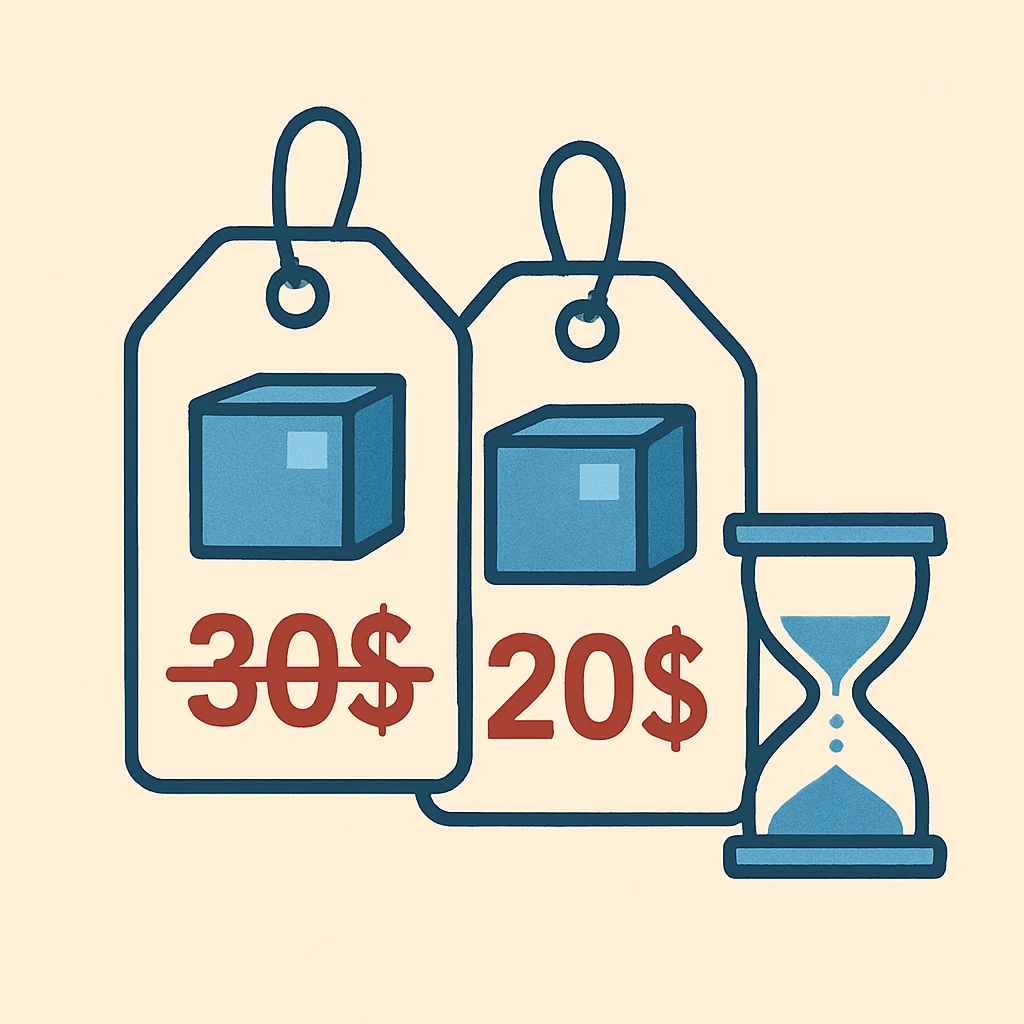
Mistake 1: Assuming “price drop = tough luck”
It’s easy to think that once you’ve paid, the price is locked in. In practice, some retailers will offer a price adjustment, store credit, or a partial refund if the price drops soon after purchase — especially if the item is still within the returns window and you could simply send it back and re-order.
What usually goes wrong is timing. People spot the drop, screenshot it, then leave it for a week. By the time they contact support, the window (policy-based or practical) has passed.
A smarter approach is to treat price drops like a “same-day admin task”. If you notice a lower price on the same retailer’s site:
- Check whether it’s the exact same item (model, size, colour, capacity) and in stock.
- Save a screenshot showing the lower price and today’s date.
- Contact support quickly and politely, asking if they can refund the difference.
If the lower price is elsewhere, it’s still worth checking whether the retailer offers price matching or a price promise. Don’t assume they do — and don’t assume they don’t.
Mistake 2: Chasing the wrong kind of “price match”
Even when a retailer advertises price matching, shoppers often miss the small practical bits that decide whether it works.
Common trip-ups:
- Comparing against a marketplace listing when the policy expects a UK retailer (marketplace sellers can be excluded).
- Comparing against a “flash” deal that ends before support can verify it.
- Comparing against an item that looks the same but has a different spec or bundle.
Instead of framing it as “you need to match this”, frame it as: “I can see this item is lower elsewhere today — could you let me know whether it qualifies for your price match Ofertas promise?” That gives the agent room to help rather than to refuse.
If it’s a time-sensitive promo (think BF/Cyber week), include the link and screenshot in the first message. Make it easy to say yes.

Mistake 3: Forgetting that “delivery and returns” affect your real saving
A discount isn’t a discount if you end up paying more overall. UK sites usually show VAT-inclusive pricing, but the total can still shift based on delivery charges, minimum spend thresholds, and return costs.
Where people slip up post‑purchase is not checking whether:
- the retailer will refund delivery when you return an item,
- you must pay return postage (or use a specific label),
- a “free delivery” threshold would be met if you combined items into one order.
If you realise straight after ordering that you split your basket and paid delivery twice, don’t just shrug. Contact support and ask whether they can cancel and let you re-order, or combine shipments, or refund one delivery charge. You won’t always get it, but you’ll be surprised how often the answer is “we can do that” when you ask early.
Mistake 4: Not using “cancel and re-order” when it’s the cleanest option
Sometimes the simplest saving is to cancel and buy again properly — with the right voucher code, the correct delivery option, or a better bundle.
People avoid this because it feels like hassle. But if the order hasn’t dispatched yet, cancellation can be quicker than a return, and it avoids playing ping-pong with parcels.
The key is to check the order status quickly. Many retailers move fast once you’ve paid, particularly during peak periods like the January sales or the run-up to Christmas.
If your order is already processing, ask support whether they can amend it (for example: swapping delivery option, applying a missed offer, changing quantities). Don’t assume amendments aren’t possible just because the website doesn’t allow them.
Mistake 5: Letting “missed voucher” embarrassment cost you money
It’s a very UK thing to think: “I forgot to apply the code — that’s on me.” But many retailers can still help if the code was valid at the time of purchase.
This is most likely to work when:
- the voucher was publicly available on the retailer’s own site, newsletter, or homepage banner,
- the purchase is very recent,
- you’re asking for a one-off adjustment rather than a complicated exception.
When you contact support, keep it simple: you placed the order today, you realised the code wasn’t applied, and you’d like to know if they can refund the difference. If they say no, you can still decide whether to keep the order or return and re-order (depending on delivery speed and return terms).
Mistake 6: Treating damaged packaging like “not worth mentioning”
If an item arrives with scuffed packaging, missing seals, or obvious handling damage — even if the product itself seems fine — many shoppers keep quiet to avoid hassle.
That’s how you end up paying full price for something that might effectively be “open box” value.
What to do instead:
- Photograph the outer box and the inner packaging as soon as you open it.
- Test the item promptly (don’t leave it until the end of the returns window).
- If you want to keep it, ask support whether they can offer a partial refund for the condition.
You’re not accusing anyone of anything; you’re simply flagging that it didn’t arrive in the condition you expected for a new item.

Mistake 7: Not knowing what “distance selling” protections actually look like today
You don’t need to quote legislation at a customer service agent, but you do benefit from knowing the basics of UK online buying protections.
In plain terms:
- Online purchases generally come with a cooling-off period under the Consumer Contracts Regulations (for most goods), as long as the item isn’t excluded (for example, certain personalised goods).
- If something is faulty, not as described, or not fit for purpose, you have rights under the Consumer Rights Act.
The mistake is assuming the only option is “argue” or “accept it”. A calm message that focuses on outcome works better: you want a replacement, refund, or repair — and you can provide photos and order details.
If you want a more general money-saving approach beyond aftercare, it’s also worth keeping a simple “shopping setup” page bookmarked so you don’t miss steps next time. Start from the basics here: home.
Mistake 8: Using the wrong channel (and making it harder to win)
A lot of post‑purchase savings are won or lost based on where you ask.
Email is fine, but live chat often works better for price drops, missed codes, and delivery tweaks because the agent can check and respond quickly. Phone can be best for urgent cancellations.
Two practical tips that help in the UK retail world:
- Lead with your order number and the exact outcome you want (refund difference, cancel, change delivery).
- Keep your message short and factual — links, screenshots, dates.
If you do use chat, save the transcript. If you call, note the time/date and what was agreed.
Mistake 9: Ignoring “auto‑renew” and subscription timing around sale seasons
This one is sneaky because it’s not a “deal” problem — it’s a calendar problem.
Around major sales periods (especially November and January), many people sign up for subscriptions or delivery passes because the immediate saving looks good. Then the renewal hits later when you’ve forgotten.
A sensible approach is to set a reminder the day you sign up, and to check whether a monthly option makes more sense than annual if you only need it for a busy shopping season.
This isn’t about avoiding subscriptions altogether — it’s about making sure the subscription is serving your buying pattern, not the other way round.

FAQs (UK-focused)
Can I ask for a refund if the price drops after I buy?
You can ask, and it’s often worth doing quickly. Whether you’ll get a partial refund depends on the retailer’s policy, how soon the drop happens, and whether returning and re-ordering is an obvious alternative.
Does price matching apply to Amazon/eBay marketplace sellers?
Sometimes price match policies exclude marketplace sellers or require the competitor to be a UK-based retailer. Check the policy wording and make sure you’re comparing like-for-like (same model/spec, in stock).
If I forgot a voucher code, should I just cancel and re-order?
If the order hasn’t dispatched, cancellation and re-ordering can be the cleanest fix. If it’s already processing, ask support first whether they can apply the promotion retrospectively or refund the difference.
Are UK online prices meant to include VAT?
For typical consumer retail in the UK, prices shown to consumers are generally VAT-inclusive. The main thing to watch is delivery, add-ons, and marketplace listings where the total can change at checkout.
What if the parcel arrives damaged but the product seems fine?
Photograph everything straight away, test promptly, and contact the retailer. If you want to keep the item, you can ask whether they can offer a partial refund given the condition on arrival.
One action to take on your very next order
Create a tiny “after checkout” habit: the moment you get your order confirmation, set one reminder for 24 hours later to check for (1) price drops on the same site and (2) any missed promo banners. That single nudge catches most of the easy post‑purchase savings without turning your life into a spreadsheet.
You may also be interested

The UK Wishlist Method: Plan Your Next Online Deal (No Panic Buying)
A practical UK step-by-step guide to saving online by setting target prices, tracking drops, and buying at the right moment—without falling for “was/now” hype.
Marketplace vs Retailer: How UK Shoppers Pick the Real Deal
A practical UK guide to choosing between marketplaces and direct retailers—price, delivery, returns, warranty and hidden costs—so the ‘deal’ stays a deal.
After You Buy: UK Tricks to Save with Price Drops & Returns
A practical UK guide to saving after checkout: price-drop checks, delivery refunds, returns timing and safe ways to re-order for less.