

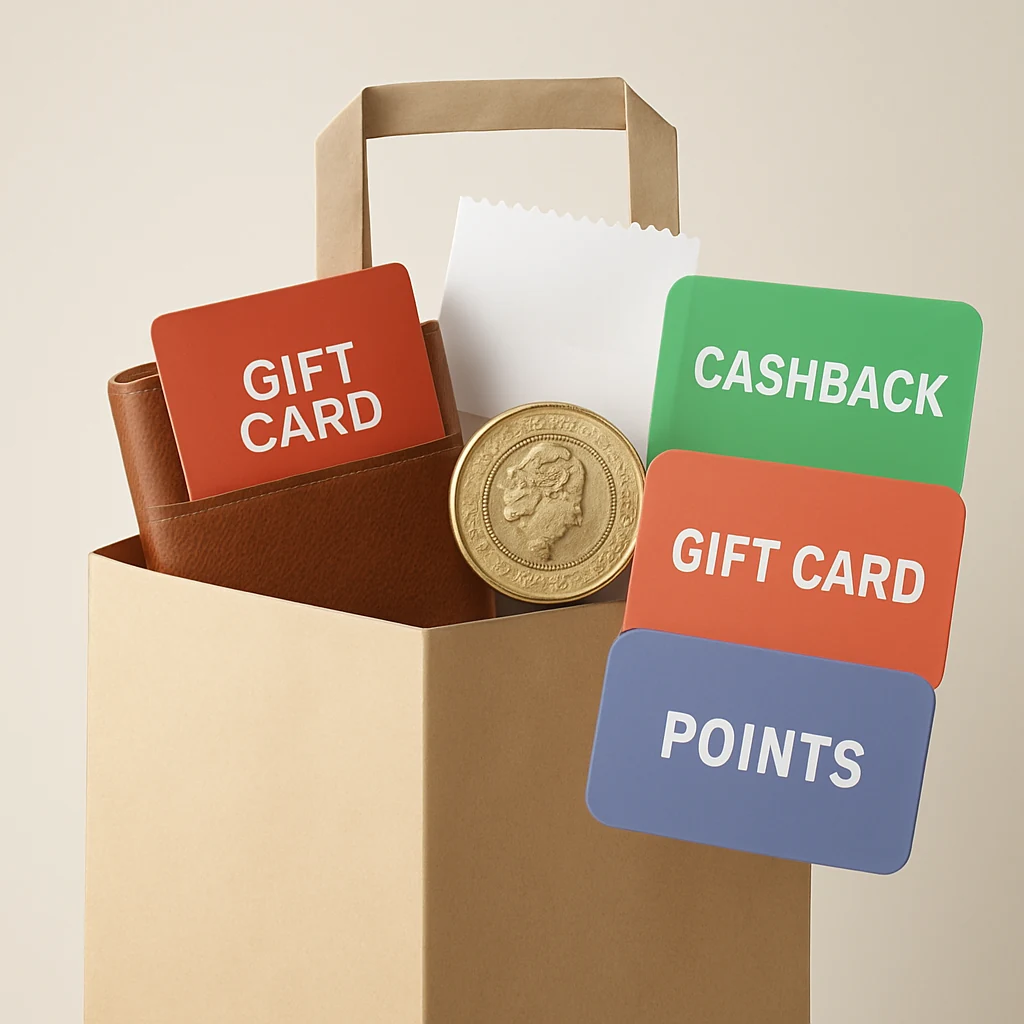
The UK “Stacking” Playbook: Cashback, Gift Cards & Points
Learn how UK shoppers stack cashback, discounted gift cards and loyalty points—plus when not to. Practical examples, pitfalls and a simple workflow.
Saving money online in the UK isn’t always about finding the biggest headline discount. Often, the best deal is built in layers: a fair price first, then the right combination of cashback, discounted gift cards and loyalty points—without tripping the usual “terms and conditions” wires.
This guide is all about those layers. Not as a perfect checklist you’ll never follow, but as a set of practical decisions you can make in real situations.

The core idea: build the deal in the right order
When people try “stacking”, they usually start with a voucher code and then wonder why the cashback didn’t track, or why returns got awkward. The smoother approach is:
- Pick the retailer and the item based on the real price and service (delivery speed, returns policy, warranty handling, stock reliability).
- Add a tracking layer (cashback or rewards) if it’s genuinely compatible.
- Choose your payment layer (discounted gift card, reward credit card, bank card offer).
- Only then try a voucher code—because that’s the layer most likely to break the others.
That order won’t always maximise pennies, but it tends to maximise the chance your savings actually land in your account.
Case study 1: Buying a £300–£800 appliance without drama
Say you’re replacing a kettle, hoover or coffee machine and you’re hovering somewhere between “good enough” and “I want it to last”. You spot the same model across a brand site, a marketplace listing and a UK high-street retailer online.
Here’s the trade-off that matters more than a flashy banner: who will make your life easiest if something goes wrong? Returns windows, warranty processing, and whether you’re dealing with the manufacturer directly can matter more than a small price difference.
A practical stacking route might look like this:
- You choose the retailer with the best balance of price and confidence on after-sales support.
- Before you do anything else, you decide whether you’re comfortable using gift cards for a high-value order. Gift cards can be great if you already know you’re keeping the item, but they can complicate refunds (often refunded back to a gift card balance, sometimes in multiple parts).
- If you do use a gift card, you might buy it through a legitimate UK discount route (workplace perks scheme, supermarket gift card promotion, or a reputable gift card platform). The key trade-off: discounted gift cards are “locked in” value, so they’re best for predictable purchases.
- Then you decide if cashback is worth it. Cashback can be brilliant, but it’s not guaranteed and it can take time. On an item you need urgently, a slightly higher price with next-day delivery can still be the better “deal”.
The decision point: If the retailer’s checkout needs you to use an on-site finance option, or you’re splitting payment across multiple gift cards and a card, cashback tracking can be less reliable. If you’re not happy with that risk, skip the cashback layer and treat the gift card discount as the main win.

Case study 2: Fashion order where returns are likely
Clothes are where stacking most often backfires—because returns are common and sizes vary.
Let’s say you’re doing a seasonal shop (spring refresh, back-to-school bits, or partywear around Christmas). You see:
- A “new customer” code on the brand site.
- Cashback available through a portal.
- A discounted gift card option.
You can combine these sometimes, but the cleanest choice depends on how likely you are to return.
Option A: Prioritise easy refunds Pay with a debit/credit card directly, use a voucher if it’s straightforward, and don’t overcomplicate the payment. If you return half the basket, you’ll usually get a clean refund to the same card.
Option B: Accept messier refunds in exchange for stronger savings Use a discounted gift card for the full amount (or most of it) and accept that refunds might come back as store credit/gift card balance. This is fine if you shop there often. It’s annoying if you don’t.
Option C: Cashback-first mindset Sometimes cashback is only valid if you don’t use certain voucher codes, or only if you click through and purchase in the same session. If you’re confident you’ll keep most items, cashback can be worth prioritising. If you expect returns, remember cashback may be declined or reduced.
A good rule of thumb: gift cards are best for “I’ll definitely keep it” purchases. For fashion, unless it’s a replenishment buy you know fits, favour flexible payment and simple returns.
Case study 3: Beauty/toiletries where points can beat discounts
In the UK, beauty and toiletries are one of the few categories where loyalty points can sometimes compete with (or exceed) headline “% off” offers—especially if you shop the same place regularly.
Here’s a sensible approach:
- If you already collect points (for example, through a well-known UK pharmacy or supermarket scheme), check whether a promotion is points-heavy rather than discount-heavy.
- Compare the final cost after delivery (or click & collect). A “cheaper” item that needs paid delivery can lose quickly.
- Consider splitting your strategy: buy essentials when points promotions run, and save voucher codes for one-off impulse buys.
The trade-off: points are not cash. They’re great if you’ll definitely redeem them, less great if they sit unused while prices rise.
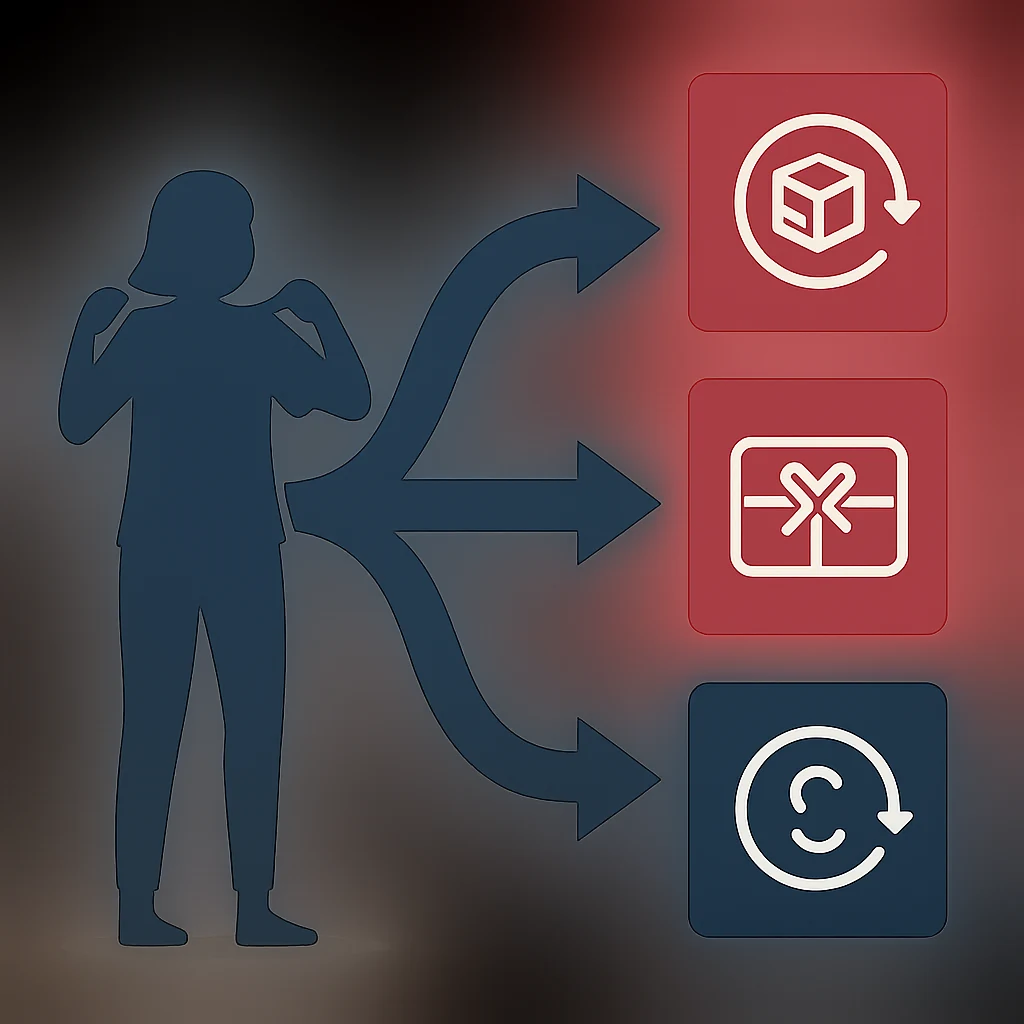
What usually breaks stacking (and how to avoid it)
Most “stacking fails” aren’t bad luck—they’re predictable.
Voucher codes that override tracking
Cashback portals often track via a referral click. Some voucher codes (especially ones from outside the portal) can override that attribution. If cashback matters, use:
- The retailer’s own on-site offer, or
- A code shown inside the cashback portal (if provided)
And keep the journey simple: click through, add to basket, check out.
Payment methods that change the checkout flow
If the checkout bounces you to a third-party payment step, finance application, or an app-only flow, tracking can drop. Sometimes it still works, sometimes it doesn’t.
Returns and partial refunds
If you return part of an order, cashback may reduce. If you paid with gift cards, refunds may return as gift card balance.
If you’re not sure you’ll keep the items, don’t build a deal that assumes you will.
“Too good to be true” gift card sources
Stick to reputable UK routes. If a gift card deal looks unreal, it can turn into a customer service headache—or worse.
Quick tips (the ones that save time, not just pennies)
- Screenshot the key bits: basket total, delivery cost, and any cashback rate shown at click-through. It helps if you need to query missing cashback later.
- Don’t chase every layer: pick one main saving method (gift card discount or cashback or points) and treat anything else as a bonus.
- Use gift cards where you’re loyal: if you buy there monthly anyway, refunds as credit are less of a problem.
- Time it to UK retail rhythms: January sales, Easter promos, bank holiday events, back-to-school, Black Friday/Cyber Monday and Boxing Day are when retailers tend to be more flexible with offers.
- Keep VAT and delivery in mind: UK prices are usually shown VAT-inclusive, so focus on the final payable total including delivery/returns, not just the headline price.
A simple “stacking” workflow you can repeat
When you’re about to buy, open three tabs and answer three questions.
- Where do I actually want to deal with if something goes wrong? (returns, warranty, delivery reliability)
- What’s my main saving lever today? (cashback, discounted gift card, points, or voucher)
- What’s my risk tolerance? (If cashback doesn’t track, am I still happy?)
If you can’t answer those quickly, it’s a sign to keep it simple: buy from the retailer you trust, at a fair price, with an easy payment method.

FAQs
Can I use cashback and a voucher code together in the UK?
Sometimes. It depends on the retailer and the cashback portal’s terms. Codes provided inside the portal tend to be safer than random codes found elsewhere. If cashback is important, keep the journey clean (click through → add to basket → pay) and avoid extra tabs and last-minute code hunting.
Are discounted gift cards worth it if I might return the item?
They can be, but understand the trade-off: refunds often go back to gift card balance rather than your bank. For high-return categories (fashion in particular), a standard card payment is usually less hassle.
Is it better to collect points or take an immediate discount?
If you regularly redeem points at the same retailer, points can be genuinely valuable. If you shop there rarely, immediate price reduction is usually more practical.
Do bank card offers stack with cashback?
Sometimes they do, because the bank offer is applied after the transaction posts. But it varies by bank and merchant category, and it’s not something to rely on blindly. Treat it as a bonus layer rather than the foundation of your deal.
Where can I keep up with deal guides like this?
If you want more UK-specific saving strategies (without the gimmicks), start at the home page and browse from there: /
You may also be interested

The UK Wishlist Method: Plan Your Next Online Deal (No Panic Buying)
A practical UK step-by-step guide to saving online by setting target prices, tracking drops, and buying at the right moment—without falling for “was/now” hype.
Marketplace vs Retailer: How UK Shoppers Pick the Real Deal
A practical UK guide to choosing between marketplaces and direct retailers—price, delivery, returns, warranty and hidden costs—so the ‘deal’ stays a deal.
After You Buy: UK Tricks to Save with Price Drops & Returns
A practical UK guide to saving after checkout: price-drop checks, delivery refunds, returns timing and safe ways to re-order for less.