


The ‘Cheap’ Deal Trap: UK Online Shopping Mistakes That Cost More
Avoid the hidden costs that turn UK online bargains into expensive mistakes: delivery, returns, marketplaces, VAT, warranties and payment protection.
A low price is only a bargain if the total cost stays low after delivery, returns, and the little surprises that appear at checkout. If you’ve ever bought something that looked like a steal, then felt stung later, you’ve met the “cheap deal trap”.
Below are the most common ways UK online bargains quietly get expensive — and how to avoid them without spending your life spreadsheeting.

Mistake 1: Comparing prices… then ignoring delivery and timing
It’s easy to focus on the headline price and forget the “boring” bits: delivery cost, delivery speed, and whether you’ll need to be at home. That’s where many so‑called deals fall apart.
A £3–£6 delivery charge can wipe out a small discount instantly, and “cheapest” can become inconvenient if it arrives when you’re away or requires a failed delivery fee/collection trip. Around peak periods — Black Friday weekend, the run‑up to Christmas, and even back‑to‑school — delivery networks are busier and the risk of delays goes up.
Do this instead: decide what you actually need before you chase the lowest price. If it’s time‑sensitive (a birthday, a last-minute replacement, a Christmas gift), include delivery speed as part of the price. For everyday buys, see if there’s a sensible Click & Collect option, or if buying from a retailer with reliable delivery windows makes more sense than the absolute cheapest listing.
Mistake 2: Treating “free returns” as guaranteed (or easy)
“Free returns” is one of those phrases that can mean several things. Sometimes it’s genuinely free and simple. Other times it means:
- free only with a particular courier or drop‑off point n- a short returns window
- you pay upfront and get reimbursed later
- bulky items have special rules
If you’re shopping for things with a high chance of going back — shoes, occasion wear, furniture accessories, tech you’re not 100% sure about — returns friction is part of the real cost.
UK shoppers also get a safety net on many online purchases via the Consumer Contracts Regulations (your right to cancel within a cooling-off period for most distance purchases). But that doesn’t automatically mean free returns, and some categories have exceptions.
Do this instead: before you buy, scroll straight to “Returns” and look for three details: the window, who pays for return postage, and the method (label provided, drop-off options, collections for larger items). If the policy is vague or buried, that’s a signal the retailer may not be set up to make returns painless.

Mistake 3: Buying from a marketplace seller and assuming it’s the same as the main retailer
Many big UK sites mix their own stock with third‑party marketplace sellers. The product page can look identical, but your experience may be completely different: delivery times, warranty handling, and returns may be handled by the seller, not the platform.
This is where “cheap” often becomes “stressful”. If there’s a problem, you might be dealing with a smaller operation, different return addresses, or slower customer service. None of this is automatically bad — some marketplace sellers are excellent — but it changes the risk.
Do this instead: check who you’re actually buying from. If it’s a marketplace seller, look at their ratings, where they dispatch from, and whether VAT is clearly stated. If the price difference is small, paying a touch more for the main retailer’s own stock can be the better value.
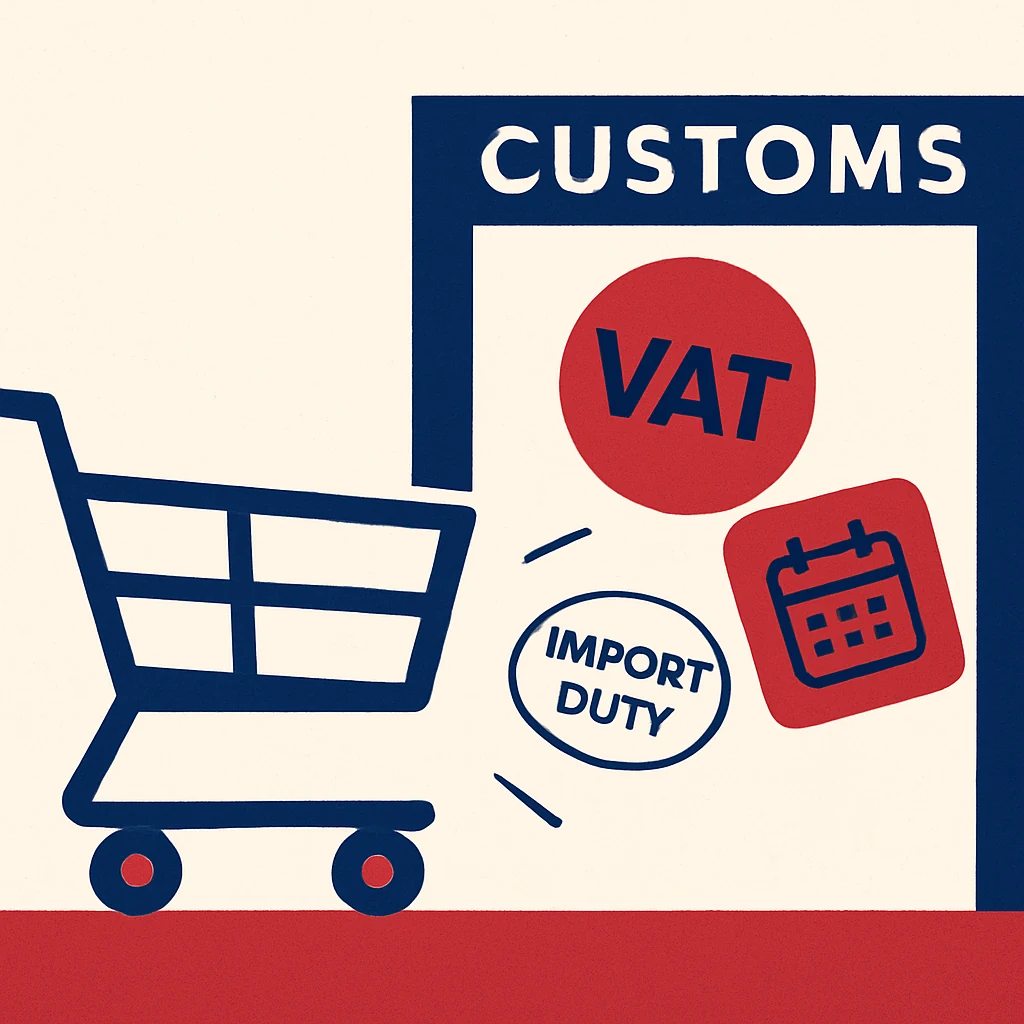
Mistake 4: Forgetting VAT and import fees can exist (even when the item looks UK-friendly)
In the UK, prices are typically shown including VAT. That’s helpful — until you buy from an overseas seller or a site that isn’t set up like a standard UK retailer. Then you can run into extra charges, delays, or confusing invoices.
This tends to crop up with “too good to be true” listings, niche gadgets, and social-media-driven shops. Sometimes you’ll still get a decent deal, but only if you’ve accounted for the full landed cost and delivery time.
Do this instead: look for clear UK pricing (VAT included), a UK returns address if possible, and delivery estimates that sound realistic. If anything feels fuzzy — especially around duties, VAT, or who handles issues — treat the discount as a risk premium rather than a win.
Mistake 5: Paying the cheapest way instead of the safest way
A bargain can turn into a headache if something goes wrong and your payment method offers limited protection.
In the UK, paying by credit card can give you extra protection on eligible purchases (for example, Section 75 in certain cases). PayPal and some pay‑later services can offer their own dispute processes, but they’re not all identical and terms vary.
This isn’t about being paranoid — it’s about matching the payment method to the risk. If it’s a low-cost item from a retailer you trust, a debit card is usually fine. If it’s a higher-value purchase, a credit card can be a sensible safety net.
Do this instead: for higher-value buys, prefer a credit card where you can, and keep your order confirmations and dispatch emails. If you use buy-now-pay-later, read the repayment schedule carefully so a “deal” doesn’t become fees or missed-payment hassle.
Mistake 6: Letting “limited-time” language rush you into the wrong version
During big sale moments — Boxing Day, January sales, Black Friday/Cyber Monday, and even Bank Holiday promos — retailers love urgency: “Ends tonight”, “Only a few left”, “Flash deal”.
The pressure makes people buy the wrong size, the wrong model, or the wrong bundle. Or they choose the cheapest configuration without noticing it’s missing essentials (like the right charger, the storage size you actually need, or the compatibility you assumed).
Do this instead: take 30 seconds to check the exact spec and what’s included. If you’re buying tech, confirm the model number. If you’re buying home kit, confirm dimensions. If you’re buying refills or multipacks, check unit pricing — the big number isn’t always the best value.
Mistake 7: Falling for “bundle value” that inflates what you didn’t want
Bundles can be brilliant when they match what you’d buy anyway (for example, a console with the game you genuinely want, or a grooming device with spare heads you’ll use). They’re poor value when they push extras you’d never choose.
This often happens with:
- accessories included at inflated “RRP”
- subscription add-ons tucked into the basket
- extended warranties presented as part of the offer
Do this instead: ask a blunt question: Would I buy these extras at any price? If not, ignore the bundle “saving” and compare the base item. Also watch the basket carefully — some add-ons appear as pre-ticked options.

Mistake 8: Not checking whether “refurbished” is a bargain or a gamble
Refurbished and graded items can be one of the best ways to save in the UK, especially on phones, laptops, headphones and tablets — but only when the condition, warranty, and returns are clear.
The mistake is assuming all refurbished listings are equal. “Refurbished”, “renewed”, “grade A/B/C”, “seller refurbished”, “open box” — they can mean very different things.
Do this instead: prioritise clarity over a slightly lower price. Look for:
- a clear grading description
- a stated warranty period
- an easy returns process
- what’s included (charger, cables, original box)
If the listing is vague, your savings may be paying for uncertainty.
Mistake 9: Chasing a bargain without price context
A “was £X, now £Y” banner isn’t proof of a genuine discount. Retail prices move constantly online, and some “discounts” are more marketing than money-saving.
Even without getting obsessive, it helps to have basic context: is this item usually discounted? Is it a seasonal product (outdoor furniture, heaters, school uniforms) that drops at predictable times? Is it a model that’s about to be replaced?
Do this instead: take a quick pause and sense-check. If you’re not sure, consider waiting 24 hours, or setting a price alert. If you want more UK-specific deal guides and shopping tactics, it’s worth browsing the home page at / and picking a strategy that matches what you’re buying.
A quick “total cost” habit (30 seconds at checkout)
If you only adopt one habit, make it this. Before you hit “Pay”, check:
- delivery cost and delivery date
- returns window and who pays return postage
- who the seller is (retailer vs marketplace)
- what’s included (accessories, warranty, subscriptions)
It’s not exciting, but it saves the most money.
FAQs
Is it worth paying more for faster delivery in the UK?
If the item is time-sensitive (gifts, replacements, event outfits), often yes — because late delivery can force a second purchase at full price. For non-urgent items, slower delivery can be the better deal, but only if the retailer is reliable.
Do UK online shops have to offer returns?
Most online purchases come with a cancellation right under UK distance-selling rules (with exceptions), but “free returns” isn’t guaranteed. Always check the retailer’s specific policy for the cost and method.
Are marketplace sellers always risky?
Not always. The key is that the experience can differ from buying directly from the platform/retailer. If the saving is small, consider whether it’s worth the extra potential hassle.
How do I avoid paying more than expected due to VAT/import fees?
Look for clear UK pricing (VAT included) and realistic delivery times. If the seller is overseas or the pricing looks unusually low, read the delivery and tax info carefully before you buy.
One practical move to do today
Pick one retailer you buy from often and spend five minutes learning their delivery and returns setup (costs, drop-off options, typical timeframes). Next time a “bargain” pops up elsewhere, you’ll instantly know whether the lower price is truly better — or just cheaper on the surface.
You may also be interested

The UK Wishlist Method: Plan Your Next Online Deal (No Panic Buying)
A practical UK step-by-step guide to saving online by setting target prices, tracking drops, and buying at the right moment—without falling for “was/now” hype.
Marketplace vs Retailer: How UK Shoppers Pick the Real Deal
A practical UK guide to choosing between marketplaces and direct retailers—price, delivery, returns, warranty and hidden costs—so the ‘deal’ stays a deal.
After You Buy: UK Tricks to Save with Price Drops & Returns
A practical UK guide to saving after checkout: price-drop checks, delivery refunds, returns timing and safe ways to re-order for less.