


Stop Falling for “Was/Now”: Smarter Price Tracking for UK Deals
A practical UK guide to avoiding fake discounts online, using price history, alerts and timing so you pay less without the hassle.
Buying online in the UK is full of “deals” that look brilliant until you realise you could’ve paid the same (or less) next week — or you’ve been anchored by a “was” price that didn’t mean much.
This guide is built around the most common mistakes UK online shoppers make with discounts, and what to do instead. The aim isn’t to spend hours bargain-hunting; it’s to build a simple price-tracking habit that makes the real bargains obvious.
Mistake 1: Trusting the “was/now” price tag at face value
A lot of retailers are technically allowed to show a reference price, but it doesn’t automatically mean it’s a meaningful comparison for you. A “was £X” can be based on a short period, a different SKU, or a price that rarely applied in practice.
Do this instead: treat “was/now” as a prompt to check price history, not as proof of a saving.
Practical ways to sanity-check a discount before you buy:
- Search the exact product name + model number and compare across a couple of UK retailers.
- Check whether the “now” price is just the normal going rate everywhere.
- Look for tell-tale wording like “from” prices on ranges, or different sizes/colours carrying different pricing.
If you’re shopping on marketplaces, pay attention to who is selling. A low headline price can be a third-party seller with different returns, warranty handling, or slower delivery.
Mistake 2: Comparing the wrong version (or the wrong unit)
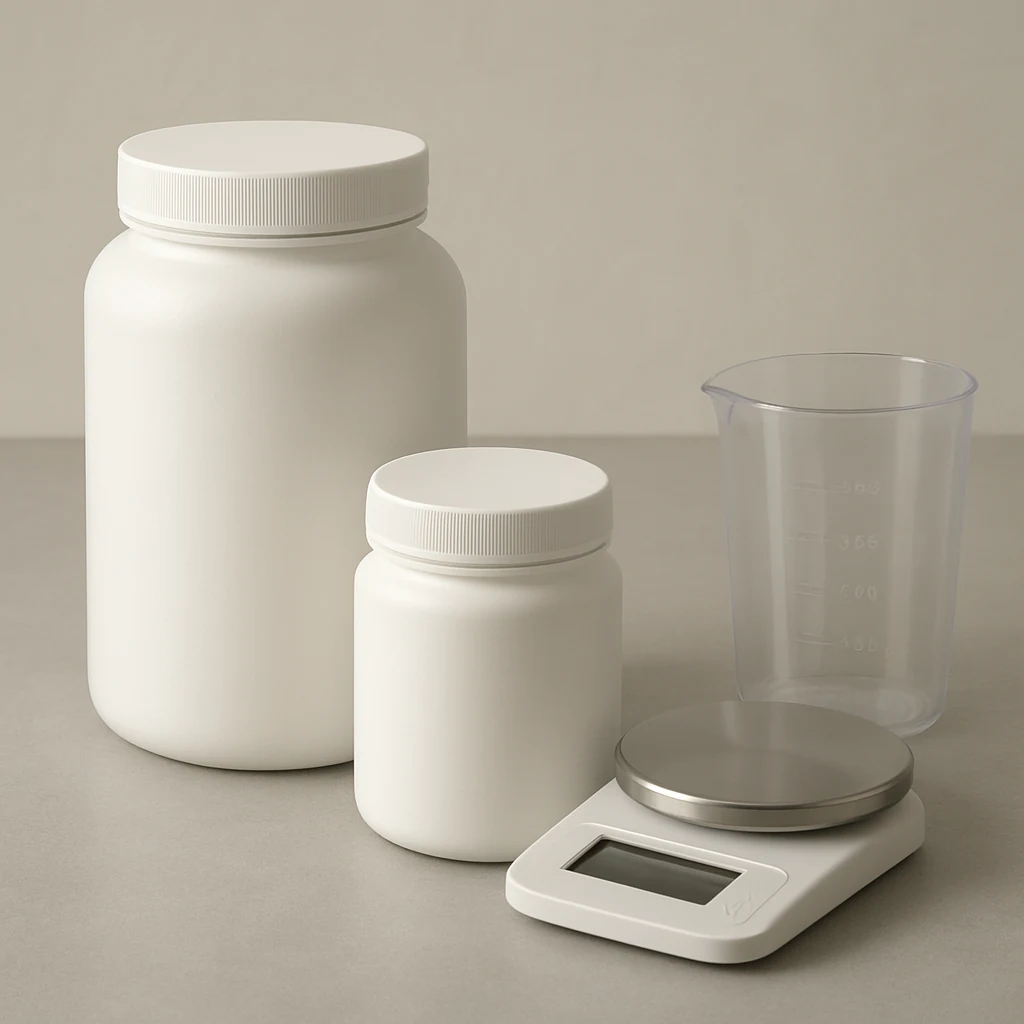
This catches people constantly with things like toiletries, laundry, coffee pods, printer ink, pet food and vitamins.
You see a multibuy or a bigger pack and assume it’s better value — but the unit price can be higher, or the “improved formula” version doesn’t perform the same.
Do this instead: compare like with like.
In practice, that means:
- Check the unit price (per 100ml, per kg, per wash, per pod) where it’s shown.
- Make sure you’re comparing the same size and the same variant (e.g., “sensitive”, “extra concentrated”, “refill”, “eco”).
- If you’re using a comparison site, click through and confirm it hasn’t matched to a near-identical product.
This one sounds basic, but it’s where “cheap” baskets quietly become expensive.

Mistake 3: Only checking the price once, right before you buy
Most people shop in a single moment: you need it now, you search now, you buy now. Retailers know that. The best savings often come from breaking that one-moment pattern.
Do this instead: use a two-step approach — research now, buy later (if it drops).
A simple UK-friendly routine:
- When you find the product you want, don’t checkout immediately.
- Decide your “happy price” in GBP (what you’d be genuinely pleased to pay, not what the retailer is pushing).
- Set a price alert (via a tool you trust, an extension, or even just a calendar reminder to recheck).
This works especially well around UK retail rhythms:
- January sales (clearance behaviour repeats across many categories)
- Spring/Easter promos (home, DIY, gardening, fitness)
- Back to school (tech accessories, stationery, kids’ clothing)
- Black Friday Ofertas Cyber Monday (big headline discounts but also lots of price noise)
- Boxing Day (clearance and end-of-line)
You don’t need to predict the lowest ever price. You just need to stop paying today’s price when tomorrow’s might be lower.
Mistake 4: Getting pressured by “limited time” language
“Ends tonight.” “Only 3 left.” “Popular item.” Sometimes it’s real. Often it’s just standard ecommerce urgency.
Do this instead: give yourself a short cooling-off window.
If it’s not essential (and most baskets aren’t), wait long enough to do one proper check: are other UK retailers at a similar price? Is delivery free? Are returns straightforward?
A quick rule that keeps you sane: if the deal disappears during your checks, it probably wasn’t the right deal for you.
Mistake 5: Ignoring delivery costs until the final screen
A product at £X with £Y delivery isn’t a deal; it’s a different price. This is extra common with bulky items, furniture, DIY and anything classed as oversized.
Do this instead: check the delivered price early.
Also watch for thresholds: “free delivery over £…” can push you into spending more than you intended. Sometimes it’s better to pay a small delivery fee than add a filler item you don’t need.
And remember: UK pricing normally includes VAT, but delivery can still be the hidden sting.
Mistake 6: Missing the “price protection” opportunities you already have
This isn’t about complicated returns games — it’s about not leaving easy wins on the table.
Do this instead: after buying, keep an eye on the price for a short period.
Why? Some retailers may offer a price adjustment or goodwill gesture if the price drops shortly after purchase (policies vary, and it’s never guaranteed). Even where there’s no formal promise, a polite message can sometimes help — particularly if the item is still unopened and you’d otherwise return and reorder.
What matters here is being organised: keep your order confirmation, note the date, and save the listing link.
Mistake 7: Forgetting the boring stuff that changes the “real” cost
The cheapest price isn’t always the cheapest outcome.
Common UK deal spoilers:
- Short returns window (or awkward return method)
- Restocking fees or “buyer pays return postage” rules (especially with marketplace sellers)
- Warranty handling that’s more hassle than it’s worth
- Delivery speed that forces you into paid delivery options
If you want a simple way to keep this under control, build your deal habit around one question:
“If this turns up and isn’t right, how much friction and cost am I taking on?”
If the answer is “a lot”, the deal needs to be meaningfully better to compensate.

Quick tips (the ones that save the most time)
- Take 30 seconds to search the model number and compare at least two UK retailers.
- Use one price alert method consistently (don’t jump between five).
- Decide your “happy price” before you get emotionally invested.
- Treat “free delivery over £…” as a nudge, not a goal.
- If it’s a marketplace listing, check seller, returns and dispatch location before paying.
A simple “Price-Tracking Loop” you can reuse every week
Here’s a practical flow that doesn’t turn shopping into a hobby.
Step 1: Make the product easy to re-find
Save the link, screenshot the key details (size, model, colour), and note today’s price in GBP. This prevents you accidentally tracking the wrong variant later.
Step 2: Set a decision point, not a vague hope
Pick one of these:
- “I’ll buy if it drops below £…”
- “I’ll buy if it includes free delivery.”
- “I’ll buy if it’s in stock with straightforward UK returns.”
This turns waiting into a plan.
Step 3: Recheck at the right moments
Instead of checking daily, check when price movement is more likely:
- At the start of big UK sales moments (Black Friday week, Boxing Day period, January sales)
- On bank holiday weekends (promotions often cluster)
- When you get an email from the retailer about a promotion (even if you ignore most of them)
Step 4: Checkout cleanly
When it hits your decision point, buy — but keep it tidy: correct retailer, correct seller, confirmed delivery date, and a returns option you’re comfortable with.
If you want more shopping strategies like this, start from the homepage and browse what fits your next purchase: /

FAQ
Are price comparison sites enough on their own?
They’re a good starting point, but not a final answer. They can miss voucher-driven deals, bundle conditions, delivery differences, or they might match slightly different variants. Use them to shortlist, then verify on the retailer’s page.
Is it worth waiting for Black Friday in the UK?
Sometimes, yes — but it depends on what you’re buying and how urgently you need it. Black Friday and Cyber Monday can be great for certain categories, but they’re also full of recycled offers and noisy “discount” messaging. Price tracking beforehand helps you tell the difference.
Do I need to create accounts everywhere to get the best price?
Not usually. If a retailer locks a discount behind an account, weigh the saving against the hassle (and the emails). In many cases, your best win comes from price history and delivered price, not from signing up to everything.
Why does the price change when I pick a different colour or size?
Because it’s effectively a different product listing with different stock levels and promotions. Always re-check the final price for the exact variant you’re buying.
One action to do today (it’ll pay off fast)
Pick one item you’re planning to buy in the next month — headphones, trainers, a small kitchen appliance, whatever — and set a single price alert for it. Write down your “happy price” and stop checking random “deals” until the alert tells you it’s time.
That one habit cuts through most online pricing tricks, and it keeps your savings realistic instead of exhausting.
You may also be interested

The UK Wishlist Method: Plan Your Next Online Deal (No Panic Buying)
A practical UK step-by-step guide to saving online by setting target prices, tracking drops, and buying at the right moment—without falling for “was/now” hype.
Marketplace vs Retailer: How UK Shoppers Pick the Real Deal
A practical UK guide to choosing between marketplaces and direct retailers—price, delivery, returns, warranty and hidden costs—so the ‘deal’ stays a deal.
After You Buy: UK Tricks to Save with Price Drops & Returns
A practical UK guide to saving after checkout: price-drop checks, delivery refunds, returns timing and safe ways to re-order for less.