

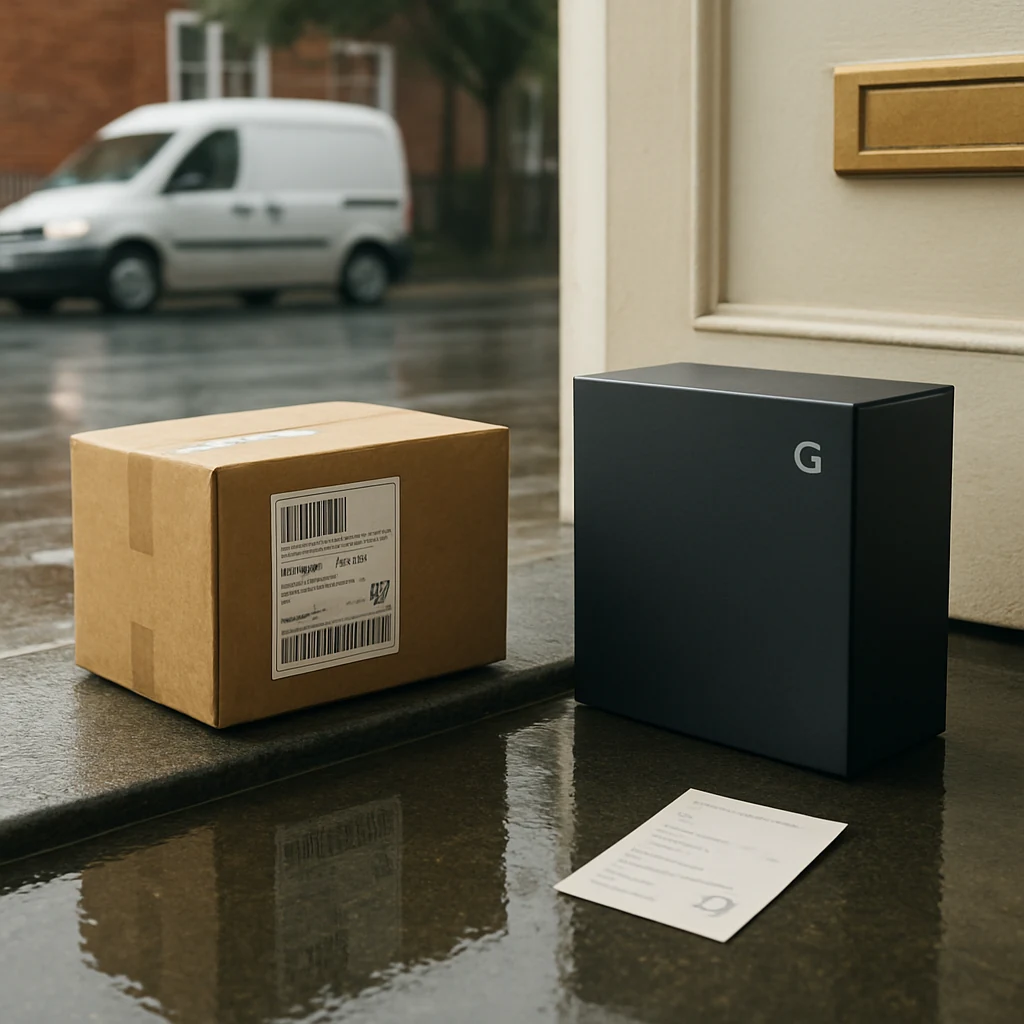
Marketplace vs Brand Website: The UK Guide to the Real Best Deal
Stop overpaying online in the UK. Compare marketplaces vs direct sites using delivery, returns, VAT receipts and warranties—plus smarter checkout tactics.
Buying online in the UK isn’t just about the headline price. The same item can look cheaper on a marketplace, then end up costing more once you factor in delivery speed, returns, warranty support, and whether you’ll actually get a proper VAT receipt.
This guide is a practical way to decide, purchase by purchase, whether you should buy from a marketplace (think “sold by” third‑party sellers) or go direct with the retailer/brand. No hype — just trade-offs you can check in a couple of minutes.
The real question: “Where will this be easiest (and cheapest) to own?”
A marketplace can be brilliant when you need fast delivery, already trust the platform’s returns process, or you’ve got credit sitting on your account. Going direct can win when you want clearer warranty support, reliable product info, a straightforward returns label, or you’re trying to stack a sign-up discount with cashback.
A handy mindset is to price the whole experience, not just the item:
- What will delivery realistically cost (and how fast is “fast”)?
- What happens if it arrives damaged or you change your mind?
- Who honours the warranty: the manufacturer, the seller, or the platform?
- Do you need a VAT invoice (for work expenses)?
Those answers often decide the “real deal” more than a £3–£10 difference upfront.
Case 1: You need it this week — delivery becomes part of the price
Imagine you’re buying something time-sensitive: a replacement charger before a trip, a last-minute birthday gift, or a household essential you can’t be without. Marketplaces often tempt you with next-day delivery or clear delivery windows.
The trade-off: faster delivery can mask a higher item price, or the “cheap” listing may be paired with slower shipping. Direct sites can also do next-day, but sometimes only above a threshold or with a delivery upgrade.
Here’s the decision logic that tends to work in the UK:
If timing matters, check delivery dates before you get attached to the price. A lower price that arrives after the weekend isn’t cheaper if you end up paying for a stopgap purchase from the high street.
If timing doesn’t matter, slow delivery can be your money-saving lever. Direct retailers regularly nudge you towards premium delivery at checkout; if you’re not in a hurry, don’t pay for it out of habit.
Practical tip: if a marketplace listing shows multiple sellers, click into the “sold by” details and compare the total including delivery. The cheapest base price isn’t always the cheapest basket.

Case 2: You might return it — returns policy can beat a discount code
With clothes, shoes, headphones, beauty tools, small appliances — returns are part of the normal buying process. This is where “marketplace vs direct” gets interesting.
Buying direct often means the retailer controls the returns journey: you’ll usually get a consistent policy, a clear portal, and a single point of contact. On marketplaces, you might be dealing with a third-party seller using the platform’s framework, but with their own conditions.
In the UK, that difference matters because a return isn’t just a moral right; it’s a time-and-hassle cost. Even when you’re entitled to return within the relevant cooling-off period for online purchases, you can still be on the hook for return postage depending on the retailer’s terms.
So the trade-off isn’t “who allows returns?” It’s “who makes returns painless?”
If you think you’ll return it, a slightly higher price can be worth it if it buys you:
- easier labels and drop-off points
- quicker refunds
- fewer arguments about whether something is ‘unused’
When comparing, look for the practical details: do you print a label, use a QR code, book a collection, or have to post it yourself? Those steps are what turn a bargain into a chore.
Case 3: You care about warranty support — who will actually help you?
For pricier items (laptops, tablets, smartwatches, vacuums, coffee machines), the seller experience after purchase is part of the value.
Buying direct can be smoother because the retailer/brand usually has a defined repair/replace route and clearer product serial tracking. A marketplace purchase can still be fine, but if it’s a third‑party seller, you may need to deal with them first — which can add delays.
A simple rule: if you’re buying something you expect to keep for years, prioritise a seller that makes aftercare obvious.
Check the listing carefully for:
- who the item is “sold by” and “dispatched by”
- whether it’s new, refurbished, or “renewed” (wording varies)
- whether the manufacturer warranty is mentioned in plain terms
None of these automatically makes it good or bad — but missing clarity is a signal to pause.
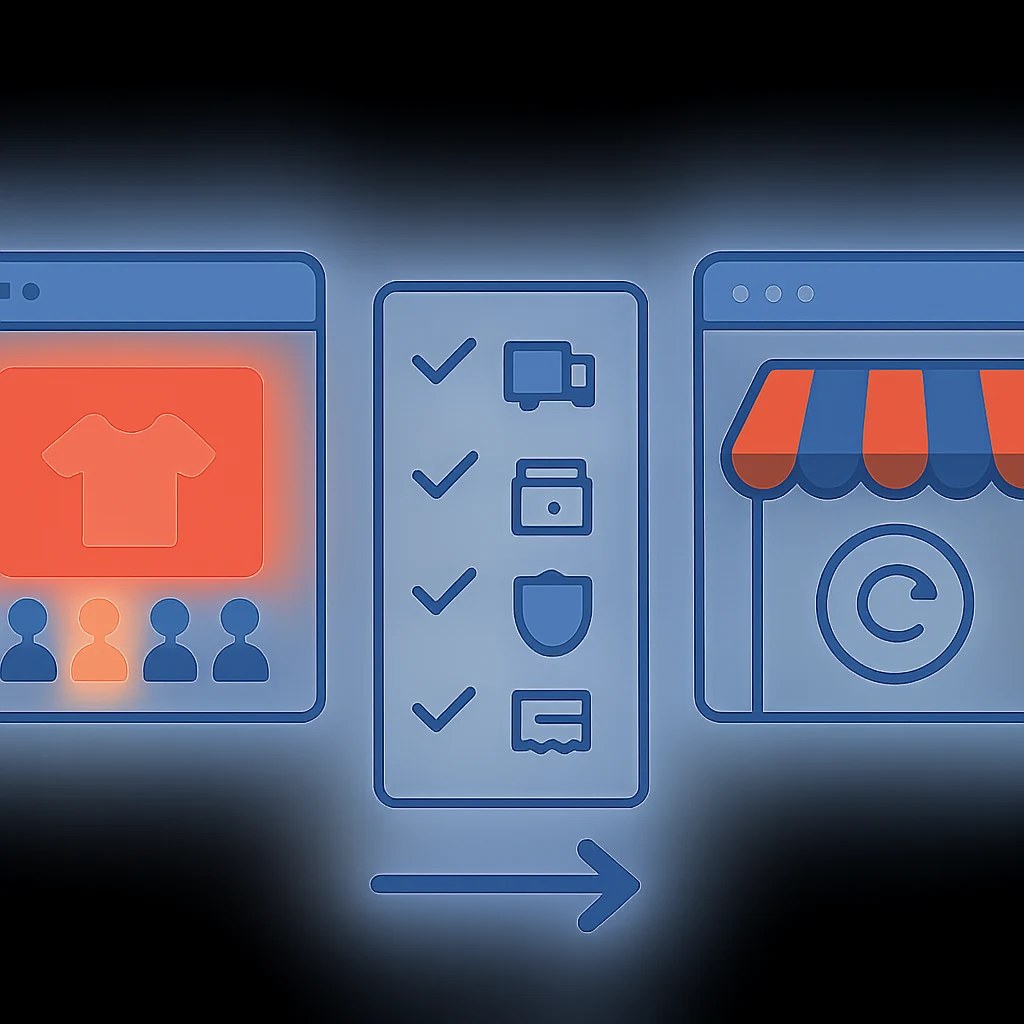
Case 4: You want the lowest net price — stacking savings without messing it up
This is where many UK shoppers lose money: you find a voucher code, then forget cashback (or you click cashback and the code invalidates tracking), or you jump between tabs until something breaks.
Instead, treat “direct vs marketplace” as a stacking question:
- Marketplaces rarely let you stack multiple discount mechanics beyond their own offers.
- Direct sites often allow a newsletter sign-up code, plus cashback via a portal, plus a loyalty scheme — but only if you’re tidy with your clicks.
The trade-off is friction versus flexibility. Marketplaces can be the lower-hassle purchase. Direct can be the lower net cost if you do it cleanly.
A practical approach that avoids most tracking issues:
Open a fresh private/incognito window, choose your path (cashback first or code first), and keep it simple. If you have to fight the browser to get the discount, ask yourself whether the saving is worth the risk of losing either the code or the cashback.
Also watch for delivery thresholds. A direct site can look worse until you add a small filler item to unlock free delivery — but that filler only makes sense if it’s genuinely useful. “Free delivery achieved” is not a saving if you’ve added something you’ll never use.
A 2-minute “sold by” check that prevents most bad buys
This is the one place where a short checklist earns its keep. Before you buy from a marketplace listing, quickly scan:
- Who is the seller (and where are they based)?
- What’s the return route: platform label, seller label, or you arrange postage?
- Are delivery times and costs clear before checkout?
- Does the listing clearly say new/refurbished and mention warranty terms?
If any of those answers feel vague, go and price-check the brand/retailer’s own site. You’re not just hunting pennies — you’re buying certainty.
When the brand site usually wins (even if the price looks higher)
Going direct often comes out ahead in a few very UK-real scenarios:
If you need a proper receipt for expenses, direct checkout can be simpler. Marketplace invoices can be fine, but the process varies with third‑party sellers.
If you’re buying gifts, direct sites sometimes do cleaner gift receipts, gift messaging, and more predictable delivery packaging. That matters around UK seasonal peaks like Christmas, Boxing Day week, and the run-up to bank holidays when courier networks are busier.
If you’re shopping during big promo periods (Black Friday/Cyber Monday and January sales), direct sites may run category-wide offers that don’t always surface cleanly inside marketplace search results.
When a marketplace is the sensible choice
Marketplaces tend to be the practical winner when you value speed, convenience, and a single account for tracking parcels — especially if you’re ordering multiple small items and want everything in one place.
They can also be a good option when you’re comfortable with the platform’s customer service process and you’ve checked the “sold by” details properly.
The key is to treat marketplaces as a place to buy from a specific seller, not a magic guarantee that every listing is identical.
Make it a habit: compare two tabs, not ten
You don’t need a spreadsheet. Most of the time, comparing just two options is enough:
- the best-looking marketplace listing (after checking “sold by” and delivery)
- the retailer/brand direct site (after checking delivery, returns, and any obvious sign-up offer)
Then decide based on your priority for that purchase: speed, ease of returns, warranty confidence, or lowest net price.
If you want more practical deal-hunting routines that fit UK shopping habits, keep an eye on the guides on our homepage (/).
FAQs (UK-focused)
Is it safer to buy direct than through a marketplace?
Not automatically. “Direct” can be great for clear aftercare and returns, while marketplaces can be solid if the seller and terms are clear. The safest option is the one with transparent delivery, returns, and warranty support.
Do prices include VAT in the UK?
Consumer prices are generally shown including VAT, but what you really want is a clear invoice/receipt. If you need documentation for work, confirm how the invoice is provided before you buy.
Can I use voucher codes on marketplaces?
Sometimes, but it’s usually limited to the platform’s own promotions. Direct retailer sites tend to offer more code-based discounts (newsletter sign-up offers, student/graduate schemes where applicable, or seasonal codes).
What’s the quickest way to spot a dodgy listing?
Vagueness. If the seller details, condition (new/refurbished), delivery time, or returns route are unclear, treat it as a warning and compare with the direct retailer listing.
Should I always choose the cheapest option?
Not if there’s a decent chance of a return, or if it’s a high-value item where warranty support matters. A slightly higher upfront price can be cheaper overall if it saves you return postage, time, or hassle later.
You may also be interested

The UK Wishlist Method: Plan Your Next Online Deal (No Panic Buying)
A practical UK step-by-step guide to saving online by setting target prices, tracking drops, and buying at the right moment—without falling for “was/now” hype.
Marketplace vs Retailer: How UK Shoppers Pick the Real Deal
A practical UK guide to choosing between marketplaces and direct retailers—price, delivery, returns, warranty and hidden costs—so the ‘deal’ stays a deal.
After You Buy: UK Tricks to Save with Price Drops & Returns
A practical UK guide to saving after checkout: price-drop checks, delivery refunds, returns timing and safe ways to re-order for less.