

Delivery & Returns Maths: How to Save More on UK Online Orders
A practical UK guide to cutting delivery costs, avoiding return fees, and choosing the best checkout option without losing your savings.
Saving money online in the UK isn’t only about vouchers and headline discounts. Quite often, the real cost (or real saving) is hidden in delivery options, minimum spend thresholds, and returns.
This guide is a practical way to do the “delivery & returns maths” before you click Place order — with real-world scenarios, trade-offs, and the UK quirks that catch people out.
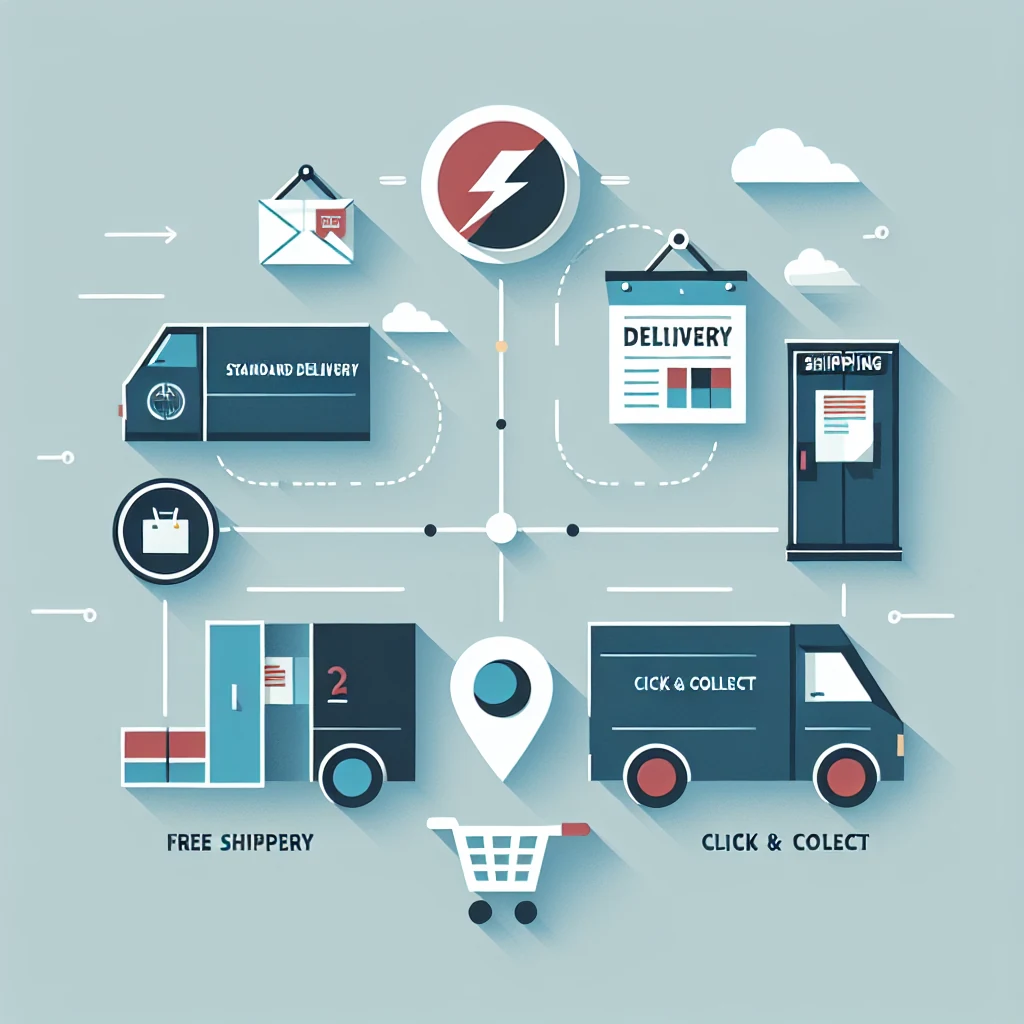
Why delivery and returns change the “real price”
A £25 item can quickly become a £33 purchase once you add delivery, a “convenience” upgrade, or paid returns. Equally, a slightly higher shelf price can be better value if it includes next-day delivery, easy drop-offs, and a longer return window.
In the UK, the most common money leaks tend to come from:
- paying for delivery because you missed a free delivery threshold by a couple of pounds
- choosing faster delivery “just this once” (and doing it repeatedly)
- ordering multiple sizes “to try” and then discovering returns aren’t free
- splitting an order across retailers when one combined order would have qualified for free delivery
None of this is about being stingy. It’s about spending with intent — and not letting checkout defaults decide for you.
Case 1: The “free delivery threshold” trap (and when to top up)
Imagine you’re buying a small household item for around £18. The retailer offers free delivery over £25, otherwise delivery is £3–£5 depending on speed.
You’ve got three choices:
Option A: Pay delivery
This can be the best move if you genuinely don’t need anything else. Paying £3 delivery is cheaper than adding random bits you won’t use.
Option B: Top up the basket (but do it strategically)
Topping up works when the extra items are things you’ll buy anyway soon. The trick is to avoid “filler” that creates clutter.
Good top-up candidates tend to be boring, repeat purchases: toiletries, coffee pods, printer paper, dishwasher tablets, pet food. If it’s something you’ll definitely use in the next few weeks, topping up to reach free delivery can be a genuine saving.
Option C: Click & collect Ofertas locker collection
UK retailers often price delivery and collection differently. If you live near a collection point, this can be the best of both worlds: no delivery charge, plus less risk of missed parcels.
The trade-off is convenience — you’re swapping money for a short trip. For some people that’s perfect; for others, paying delivery is still the best option.
Case 2: “Next-day delivery” vs “arrives when you’re in”
Fast delivery is a classic false economy when it increases the chance of a missed delivery and a reattempt. In the UK, missed parcels can lead to:
- delays (not always a cost, but often a frustration)
- extra admin to rearrange delivery
- the temptation to pay for premium delivery again elsewhere because “this one didn’t arrive in time”
If timing matters (a birthday gift, an outfit for an event), you don’t just want fast delivery — you want reliable delivery.
A practical approach:
- If you can be in, next-day can be worth paying for.
- If you can’t be in, consider nominated-day, weekend delivery, or collection.
- If you’re buying something non-urgent, standard delivery is often the cheapest “set and forget” option.
This becomes especially relevant in UK seasonal peaks — Black Friday/Cyber Monday, the run-up to Christmas, and the January sales — when networks are busy and dispatch times can stretch.
Case 3: The fashion order — when paid returns wipe out the discount
A common UK scenario: you spot a strong discount on clothing, but you’re not 100% sure on sizing. You order two sizes, expecting to send one back.
Before you do, check the returns reality:
- Are returns free, or do they charge (or only offer store credit)?
- Do you need to use a specific carrier or label?
- Is there a shorter return window for sale items?
A smarter way to reduce sizing risk
If you’re unsure about fit, you can often save more by reducing the chance of returns rather than chasing a bigger percentage off.
Try this decision flow:
-
If the retailer offers easy free returns, ordering two sizes may be fine.
-
If returns are paid or awkward, it may be cheaper to:
- buy one size only (using size guides and reviews properly), or
- choose a retailer with simpler returns even if the item price is slightly higher.
In other words: the “best deal” is sometimes the one that makes returning straightforward, not the one that looks cheapest on the product page.
Case 4: Splitting orders vs consolidating (and the hidden delivery multiplier)
It’s easy to build a basket across multiple sites: a tech accessory here, skincare there, a kitchen item somewhere else. Each one feels like a bargain — until you’ve paid delivery three times.
Before you check out, pause and ask:
- Can two of these items be bought from the same retailer at a similar price?
- Is one of them available from a marketplace you already use, with delivery included?
- Would waiting and placing a single larger order next week unlock free delivery?
There’s a trade-off: consolidating can mean compromising on brand, colour, or exact model. But if your priority is total spend (not just winning individual bargains), consolidation is often the quiet winner.
If you want a systematic approach to comparing totals, keep a simple running habit: open your basket and do a quick total-cost check before paying. For more general saving strategies that pair well with this, you can also browse the guides on our homepage at /.
Case 5: Bulky items and “regional delivery” surprises
For furniture, large appliances, mattresses, or anything bulky, the UK has a few gotchas:
- delivery can jump depending on postcode
- some areas (especially remote locations) may have limited options or longer lead times
- “room of choice” and installation add-ons can be where the real cost sits
If you’re price-comparing, don’t compare the product price first. Compare the delivered price to your postcode, including any add-ons you genuinely need.
Also watch the returns conditions. Returning bulky items can be expensive or complicated. Sometimes paying a bit more for a retailer with clearer collections and returns saves you money (and hassle) if anything goes wrong.
The decision that saves the most: choosing a delivery strategy you’ll actually stick to
A lot of “saving money” advice assumes you’ll be perfectly disciplined every time. Real life doesn’t work like that.
Instead, pick a strategy that matches your habits:
- If you buy little-and-often, a retailer’s delivery membership/pass might make sense (but only if you’ll use it enough). If not, it’s an easy way to overpay.
- If you’re organised and can wait, batching orders to hit free delivery thresholds often beats paying for speed.
- If you’re rarely at home, click & collect or lockers can reduce missed deliveries and repeat orders.
The best strategy is the one you’ll follow when you’re busy, tired, or shopping last-minute.
Quick tips you can use today
- Before paying delivery, check whether collection is free (or cheaper) and realistic for you.
- Don’t add “filler” to hit free delivery unless it’s a known repeat purchase.
- For clothes, treat return terms as part of the price — especially on sale items.
- If you’re shopping around Black Friday, Boxing Day or the January sales, expect slower dispatch and prioritise reliable delivery over “fastest available”.
- Always compare the delivered total to your postcode, not just the product price.
FAQs (UK-focused)
Are free returns always free in the UK?
Not necessarily. Some retailers offer free returns only via specific methods (for example, drop-off partners), or they may deduct fees for certain items or sale purchases. Always check the returns page before ordering multiple sizes.
Is VAT included in online prices?
For most UK consumer shopping, prices are shown including VAT, but there can be exceptions depending on the seller and the type of goods. If anything looks unusually cheap, double-check what’s included at checkout and on the invoice.
Is click & collect cheaper than delivery?
Often, yes — but it varies by retailer, item, and sometimes basket value. It can also be faster than standard delivery during peak seasons. The main “cost” is your time and travel.
Should I pay for next-day delivery when an item is discounted?
Only if next-day delivery is part of the reason you’re buying now (a deadline, a gift, an event). If you’re buying because the price is good, standard delivery usually keeps the deal a deal.
What’s the simplest way to avoid delivery costs without overbuying?
Batch purchases. Keep a short list of essentials you’ll need soon and place one order when you’ve got enough to qualify for free delivery — but only if waiting won’t cause you to buy elsewhere in a hurry.
The takeaway
A “deal” isn’t just the product price. In UK online shopping, the real savings often come from choosing the right delivery option, avoiding unnecessary speed upgrades, and understanding the returns terms before you commit.
Do the delivery & returns maths once, and you’ll spot better deals everywhere — even when there’s no voucher code in sight.
You may also be interested
The UK Wishlist Method: Plan Your Next Online Deal (No Panic Buying)
A practical UK step-by-step guide to saving online by setting target prices, tracking drops, and buying at the right moment—without falling for “was/now” hype.
Marketplace vs Retailer: How UK Shoppers Pick the Real Deal
A practical UK guide to choosing between marketplaces and direct retailers—price, delivery, returns, warranty and hidden costs—so the ‘deal’ stays a deal.
After You Buy: UK Tricks to Save with Price Drops & Returns
A practical UK guide to saving after checkout: price-drop checks, delivery refunds, returns timing and safe ways to re-order for less.