

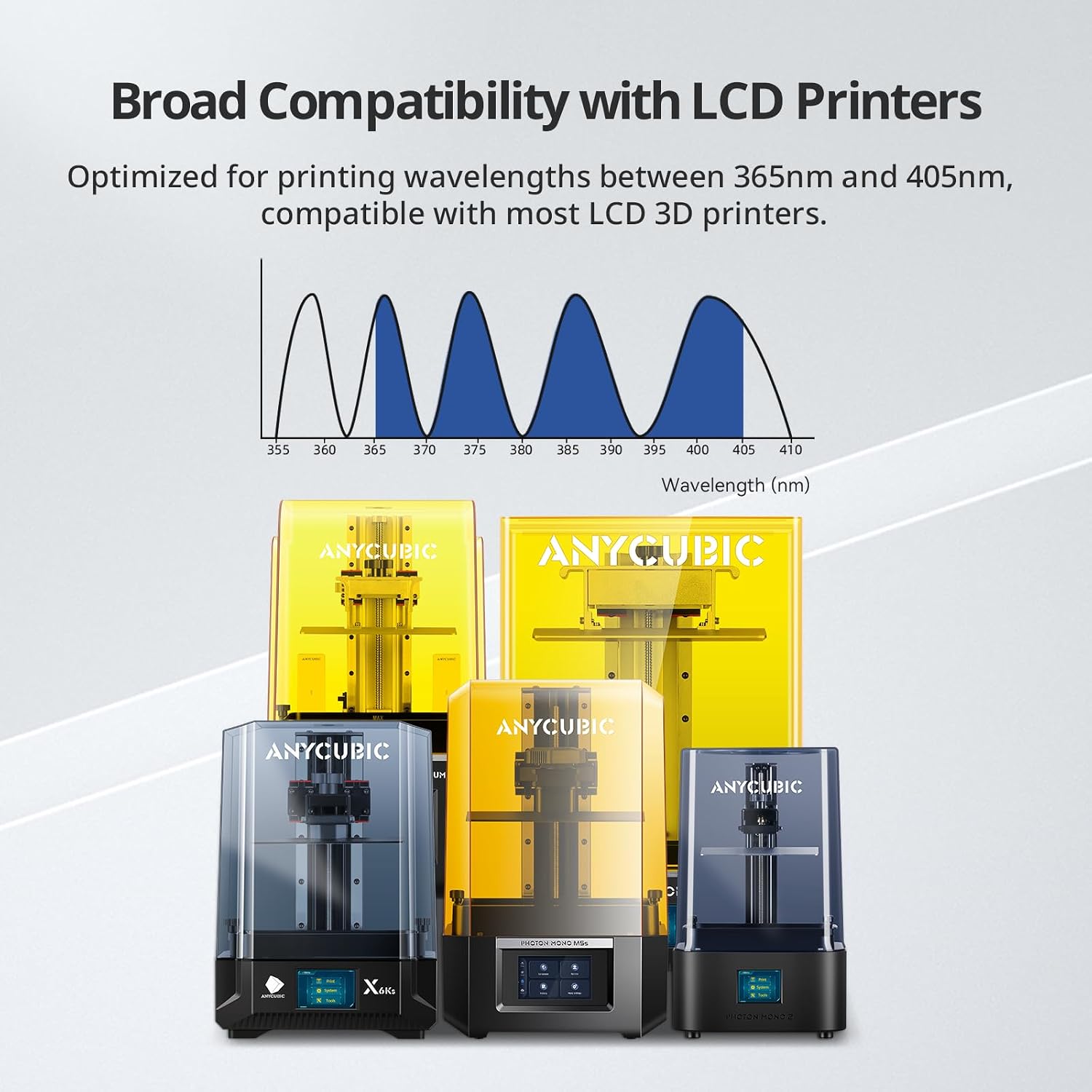
Anycubic 3D printer resin 1 kg
Product description
How to use it
When a miniature has thin parts or a model needs crisp surface detail, resin choice can affect how confidently you handle the finished print. Anycubic Tough Resin 2.0 is a grey, 1 kg photopolymer resin for LCD 3D printing.
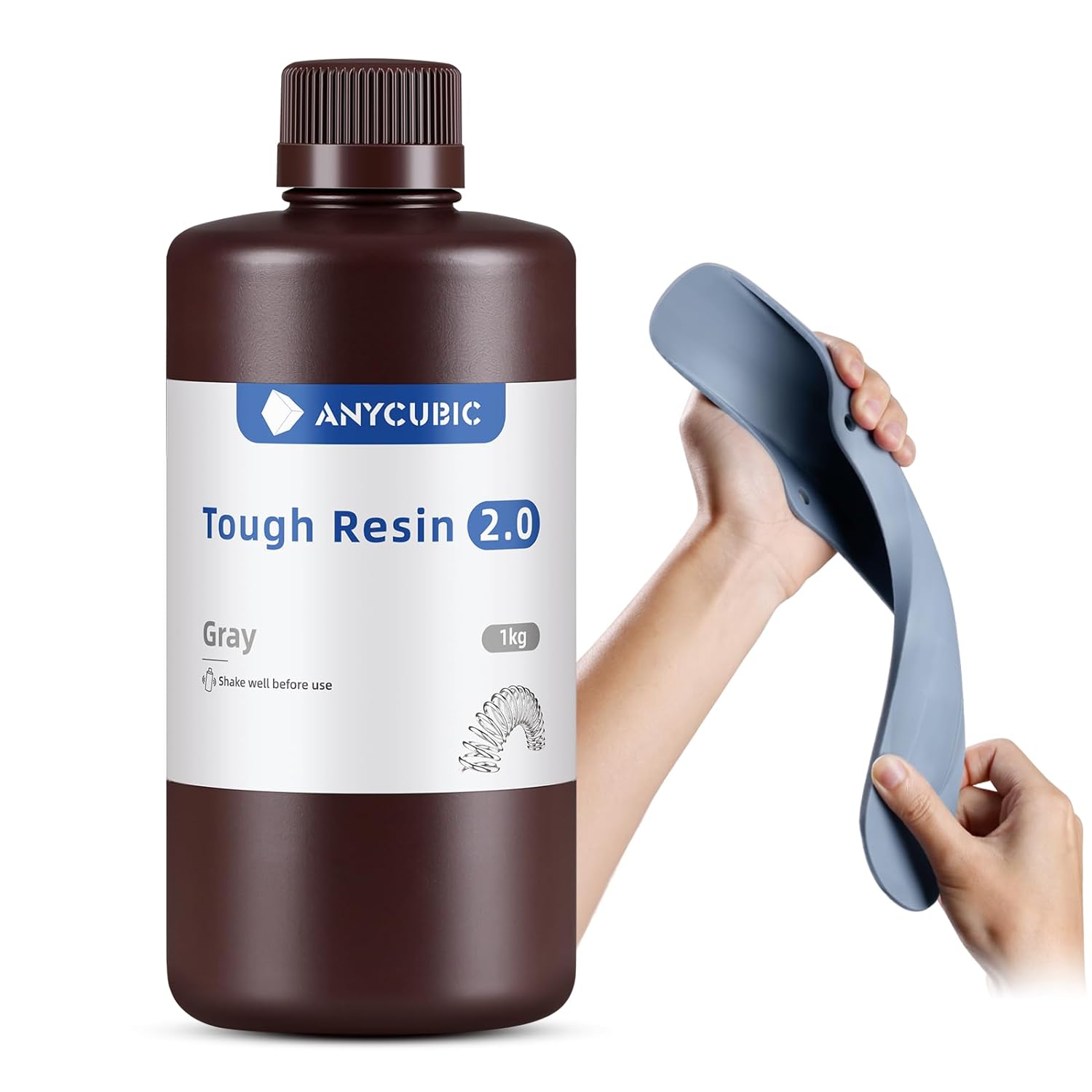
It is formulated for UV curing at wavelengths between 365 nm and 405 nm, with particular optimization for Anycubic LCD printers. The listing says it is compatible with most LCD 3D printers, but does not name specific models.
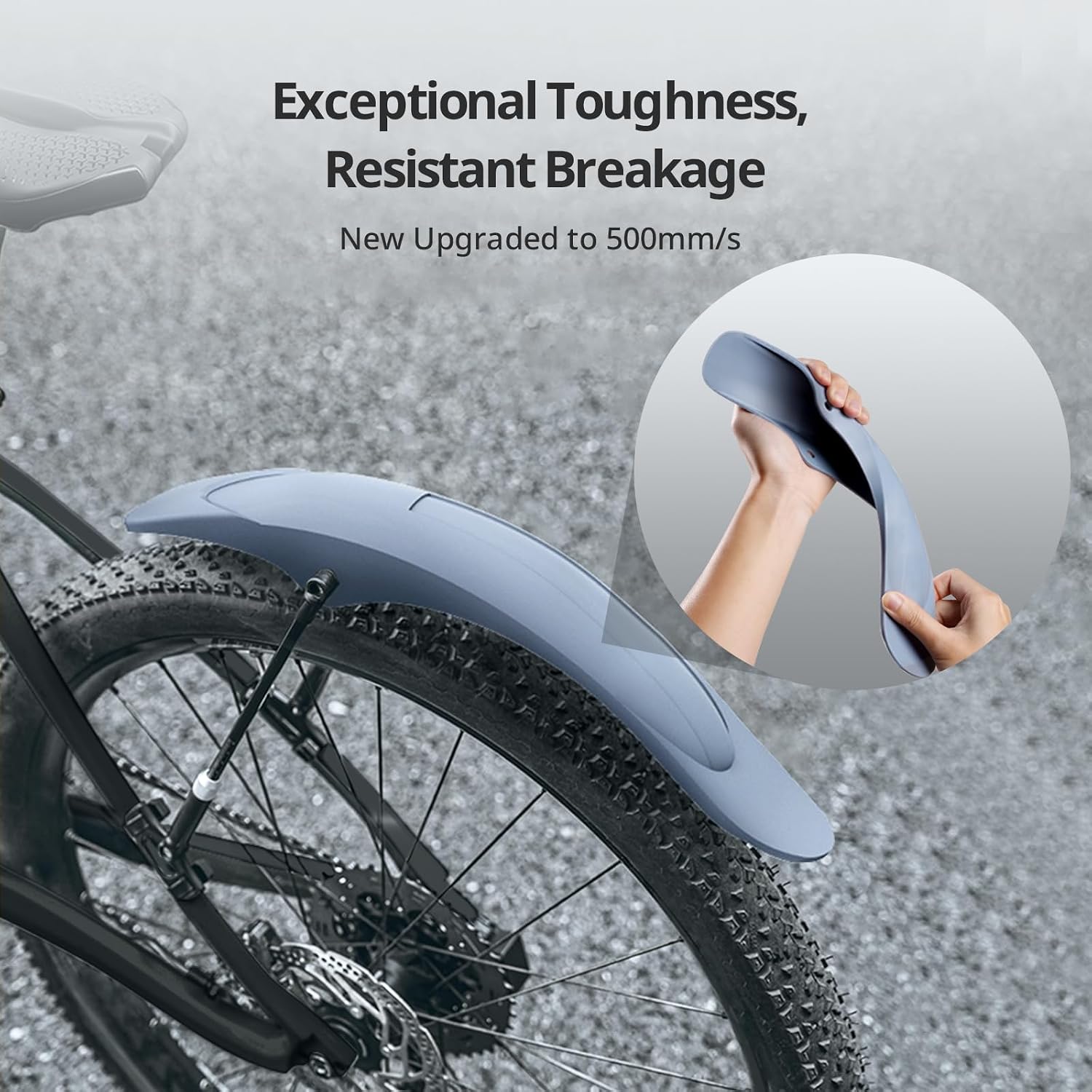
The intended difference from a more brittle resin is added toughness and flexibility. Could that matter for a delicate model that gets handled after printing? It may, though the product details give no test figures to quantify the improvement.
For a practical use, think of a miniature with narrow features or a small architectural model that might be picked up and moved. The stated flexibility and resistance to cracking are relevant to those jobs, they are not a guarantee that a print cannot break. You will still need to use settings suited to your printer and resin workflow.
Pros
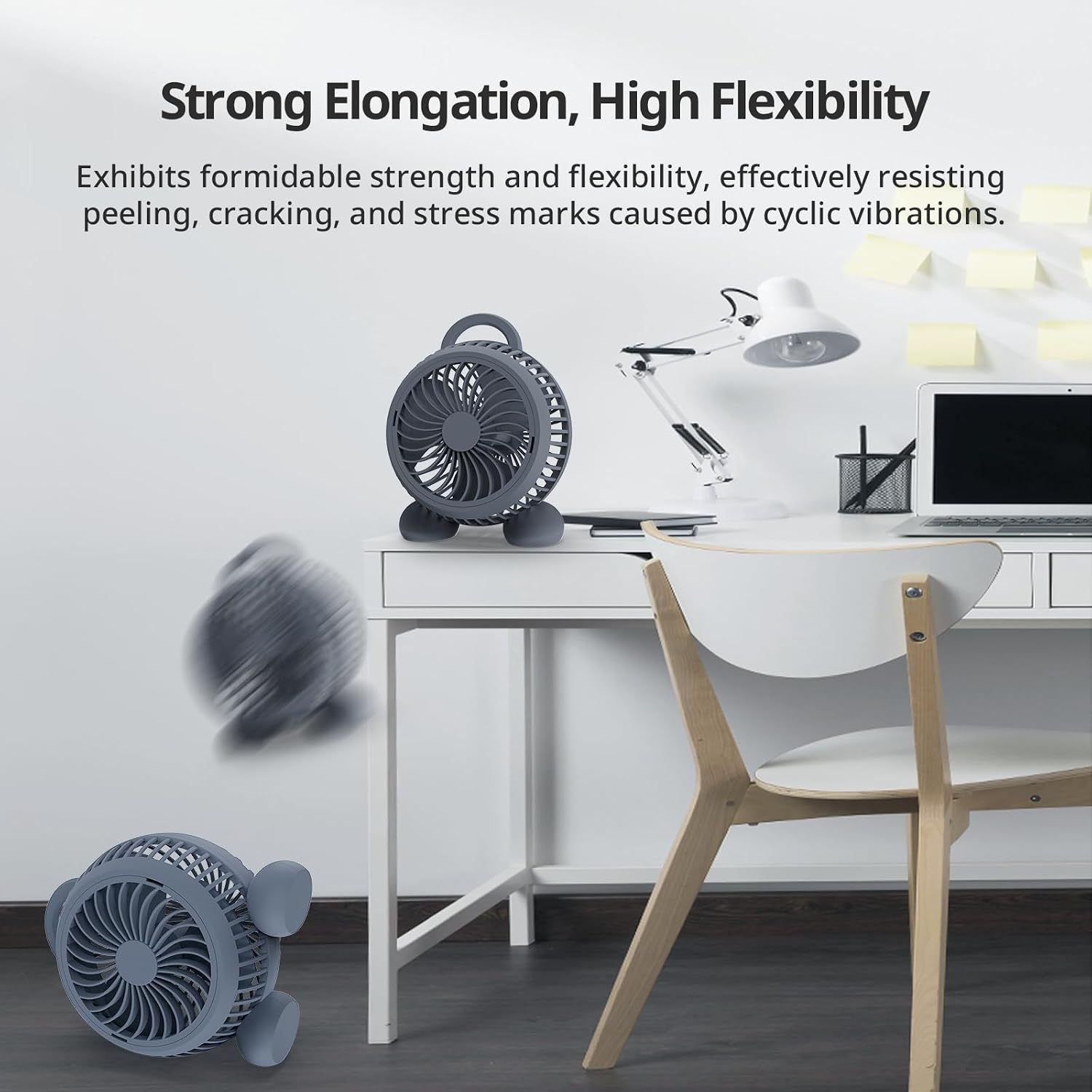
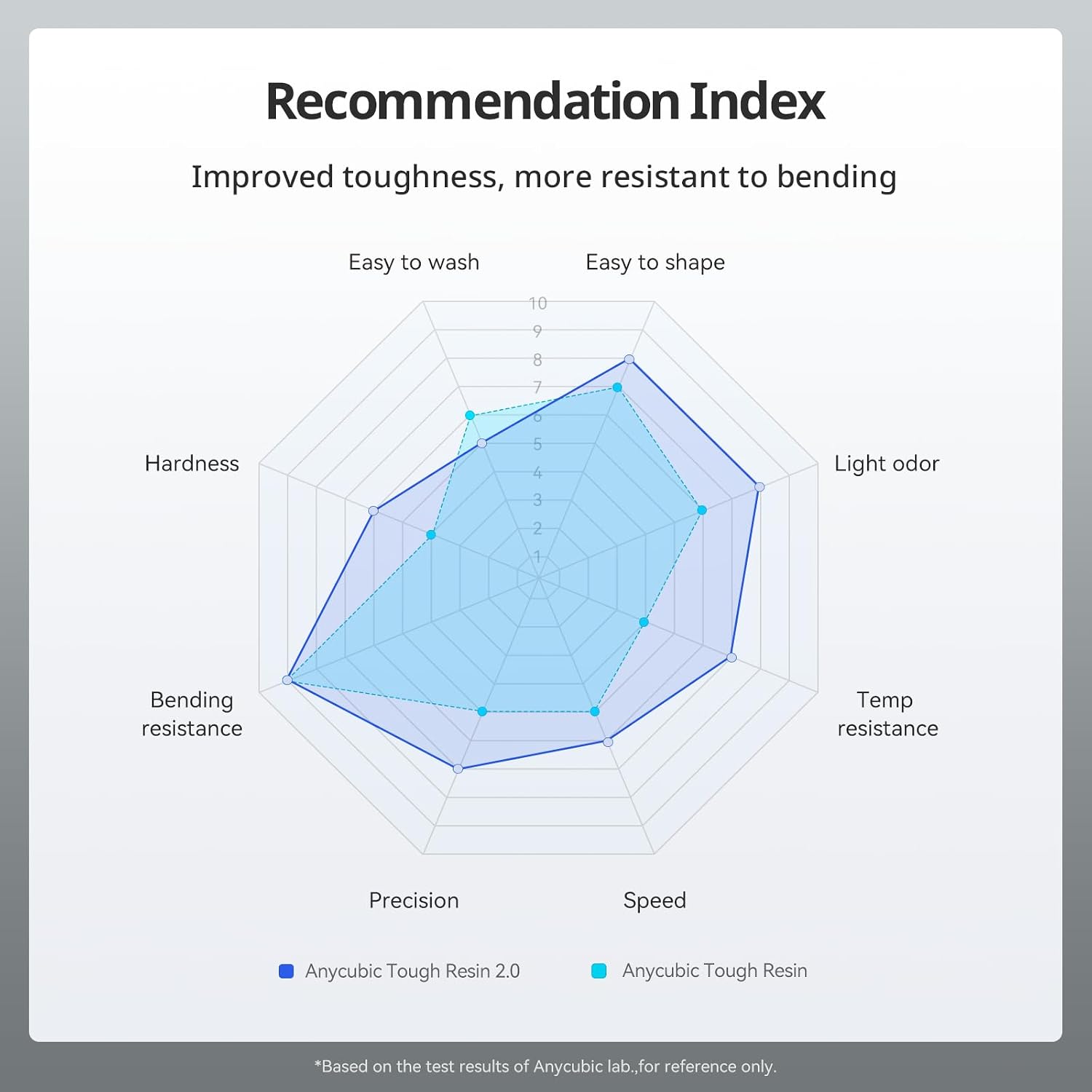
- The resin is described as tougher and more flexible, with improved flexural strength and less tendency to fracture in thin models and miniature components.
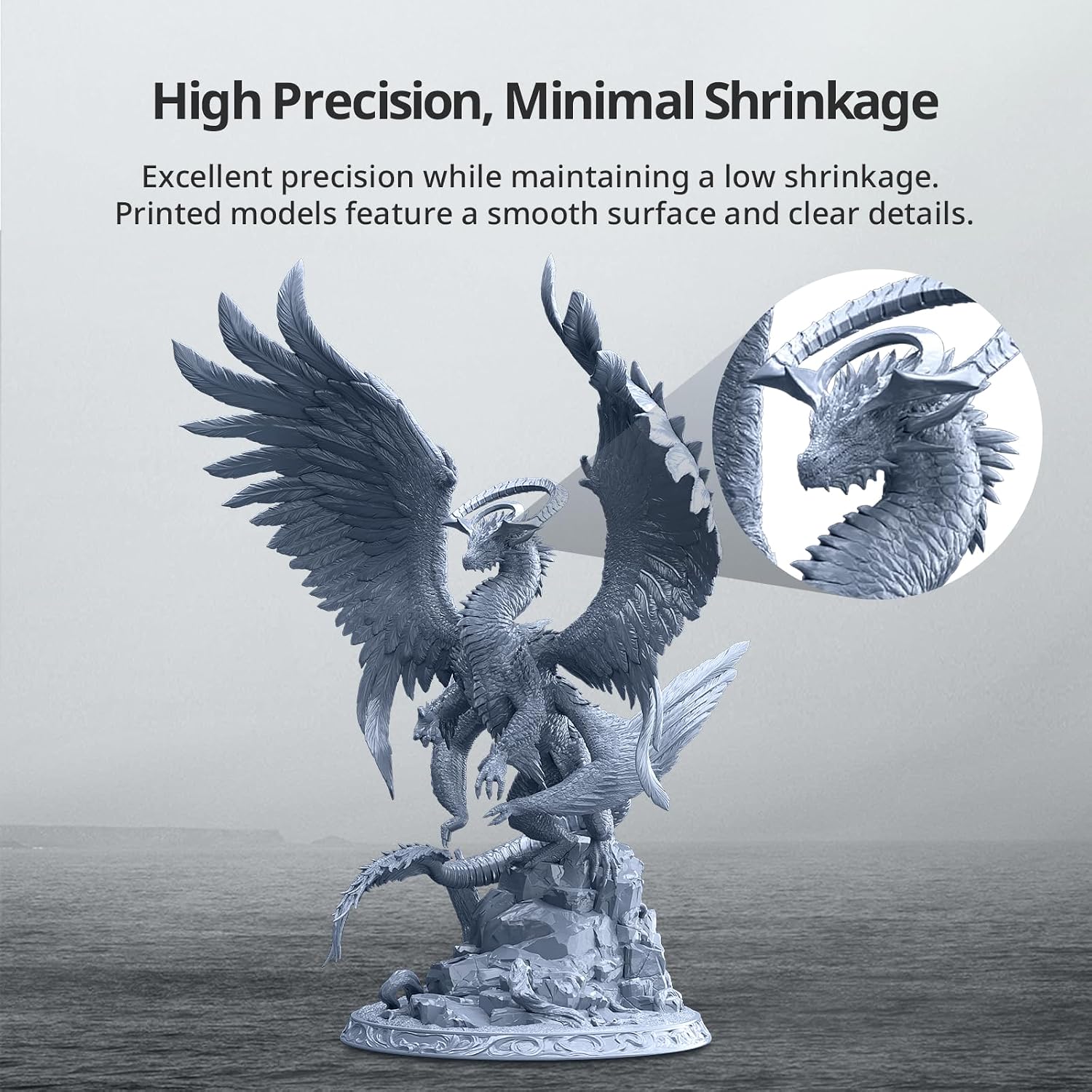
- Low shrinkage and high precision are intended to preserve detail and produce a smooth surface.
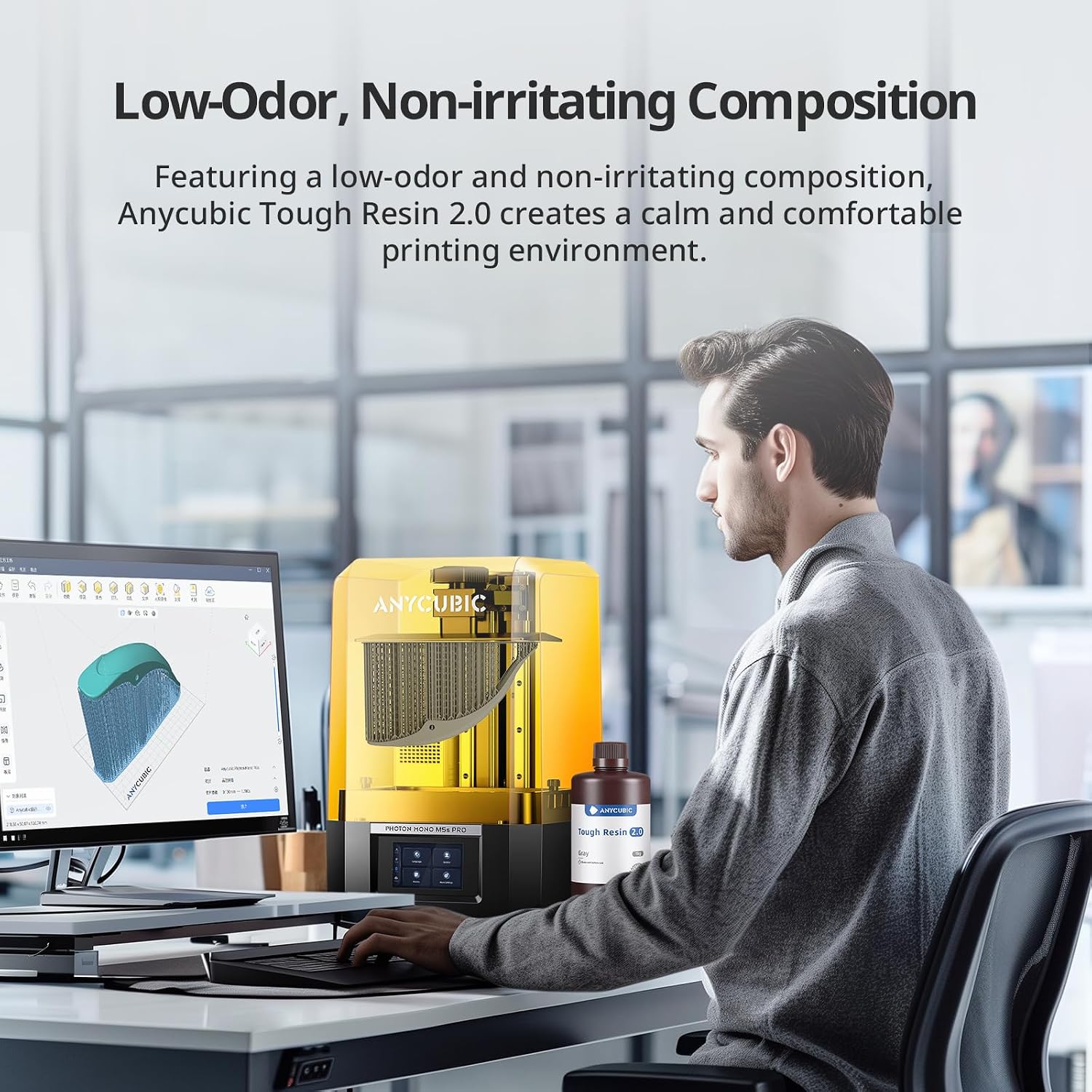
- The low-odour formulation may be preferable if resin smell is a concern in your printing space. The listing provides no measured odour or VOC figures.
- Its stated wavelength range covers 365 nm to 405 nm, and the resin is described as suitable for most LCD 3D printers.
It suits you if you want a resin aimed at detailed prints that may benefit from extra flexibility, rather than choosing solely for general-purpose printing. Better to avoid it if you need quantified strength results, confirmed support for a particular printer, or a specified exposure profile before buying, those details are not included here.
Spec sheet
- Name: Anycubic Tough Resin 2.0
- Type: UV-curing photopolymer resin for LCD 3D printing
- Format: 1 kg
- Colour: Grey
- Curing wavelength: 365 nm to 405 nm
- Stated properties: Improved toughness, flexibility, precision and low shrinkage
- Stated applications: Industrial spare parts, architectural models, detailed models and scene models
- Compatibility: Most LCD 3D printers, optimized for Anycubic LCD printers
The listing does not provide printer-specific settings, curing times or numerical strength measurements. That makes it harder to predict results for a particular machine without consulting its recommended resin settings. Its broad compatibility claim is useful as a starting point, not a substitute for checking your printer's requirements.
What I’d decide
This resin is worth considering when breakage of delicate features is a concern and you want a grey material positioned for both detail and flexibility. Compared with choosing a basic resin mainly for routine prints, Tough Resin 2.0 puts more emphasis on resisting cracks and stress marks, which better matches miniatures and models that will be handled.
The trade-off is limited product-specific guidance: there are no exposure settings or test measurements in the supplied details. Choose it if its stated wavelength range and general LCD compatibility fit your setup, and you value the tougher-resin approach. If you need confirmed settings or measured performance before committing, the available information may not settle the decision.