

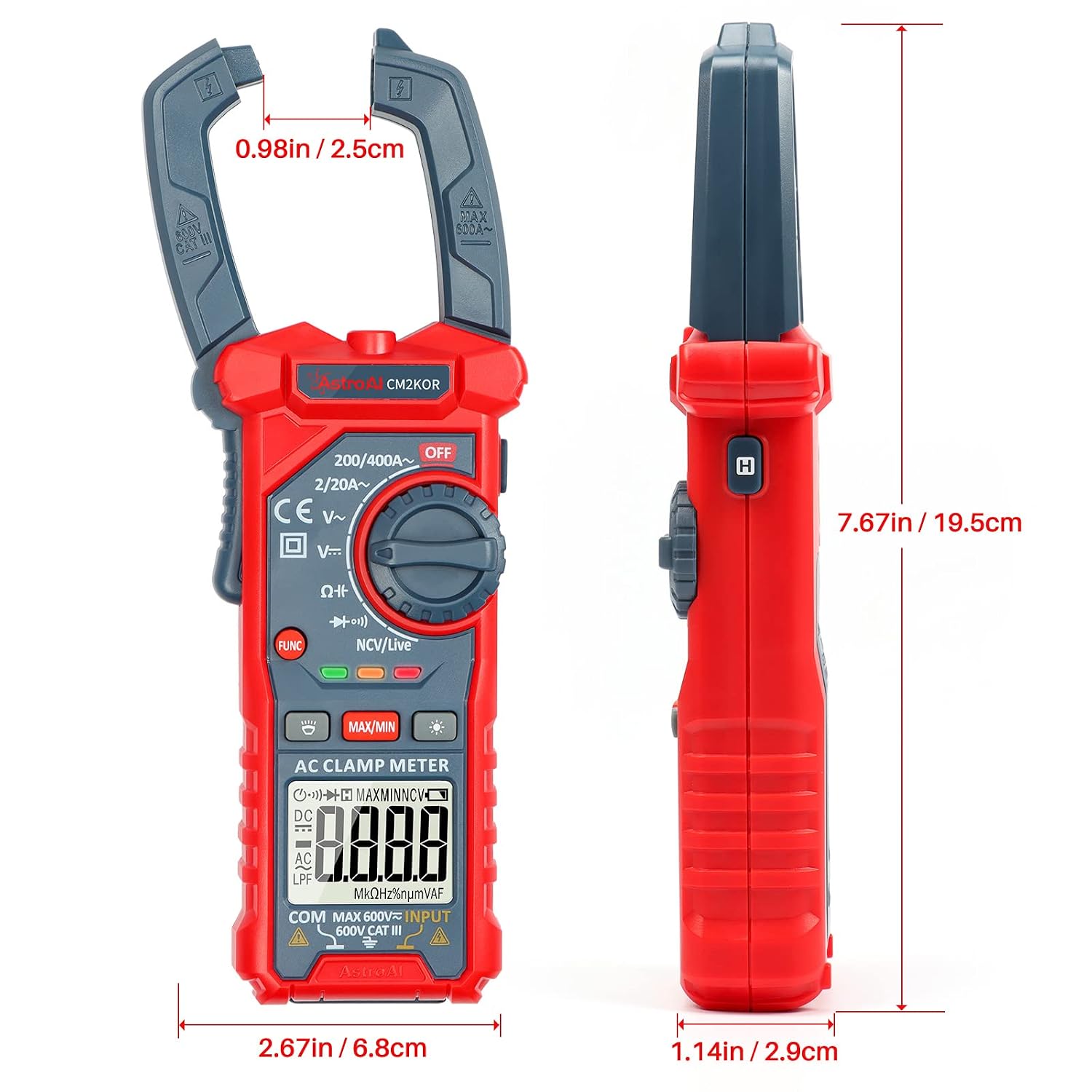
AstroAI Clamp Meter 2000 Counts
Product description
Quick overview
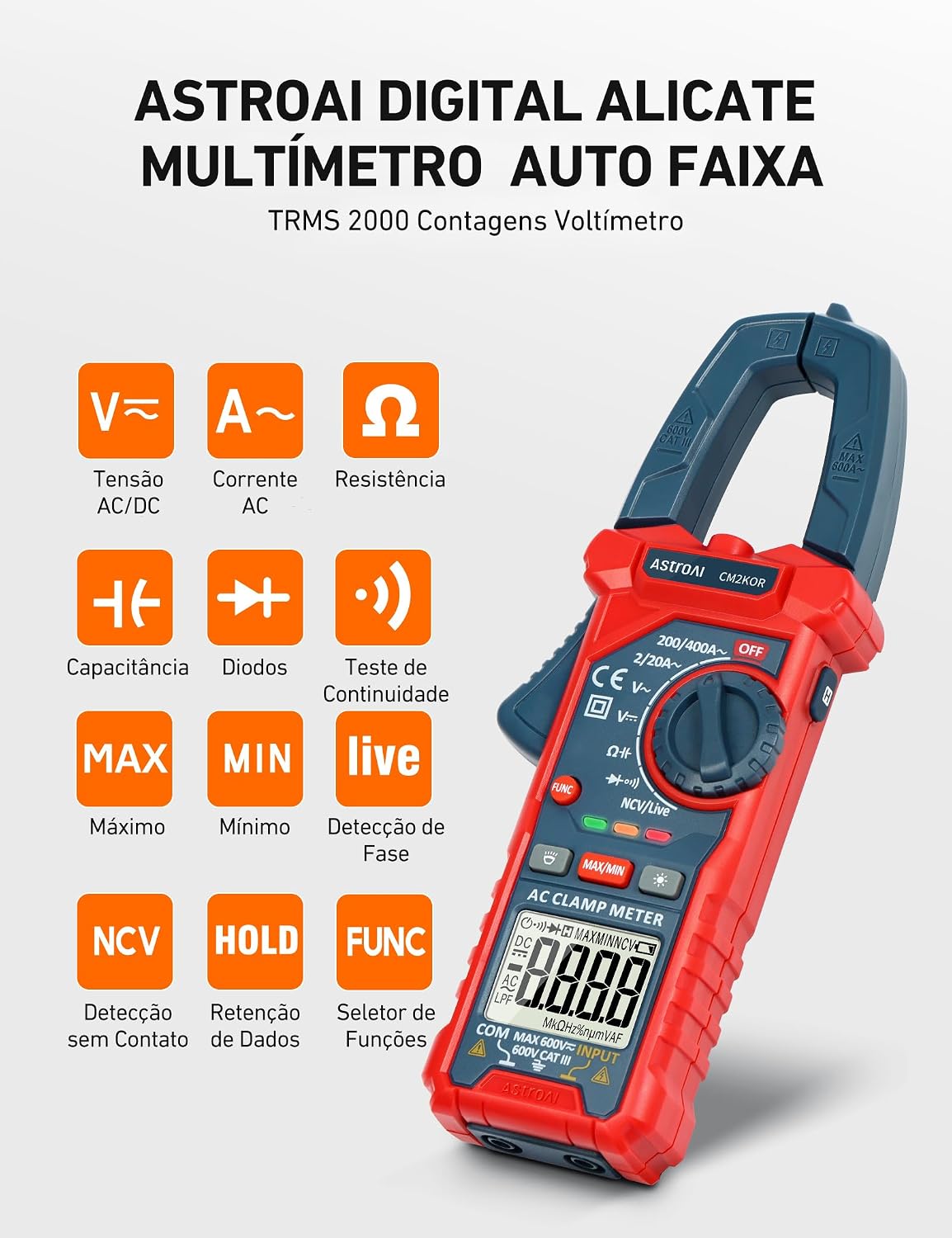
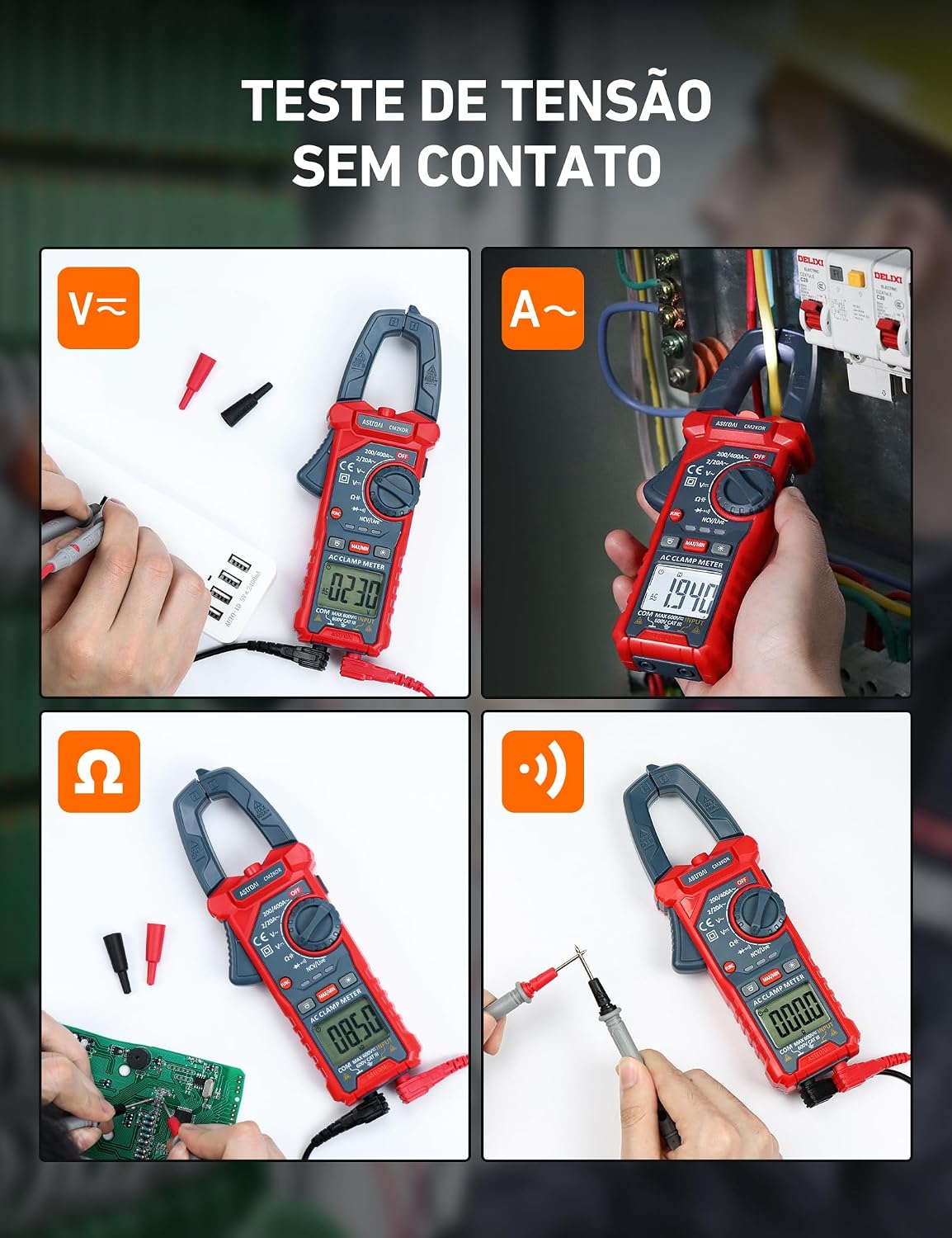
When you’re checking an electrical issue at home or working through a basic workshop measurement, a clamp meter can read current without needing to place the meter leads around the conductor. The AstroAI digital clamp meter measures AC current, AC/DC voltage, resistance, capacitance, continuity and diodes, and also includes a live-wire test and non-contact voltage detection (NCV).
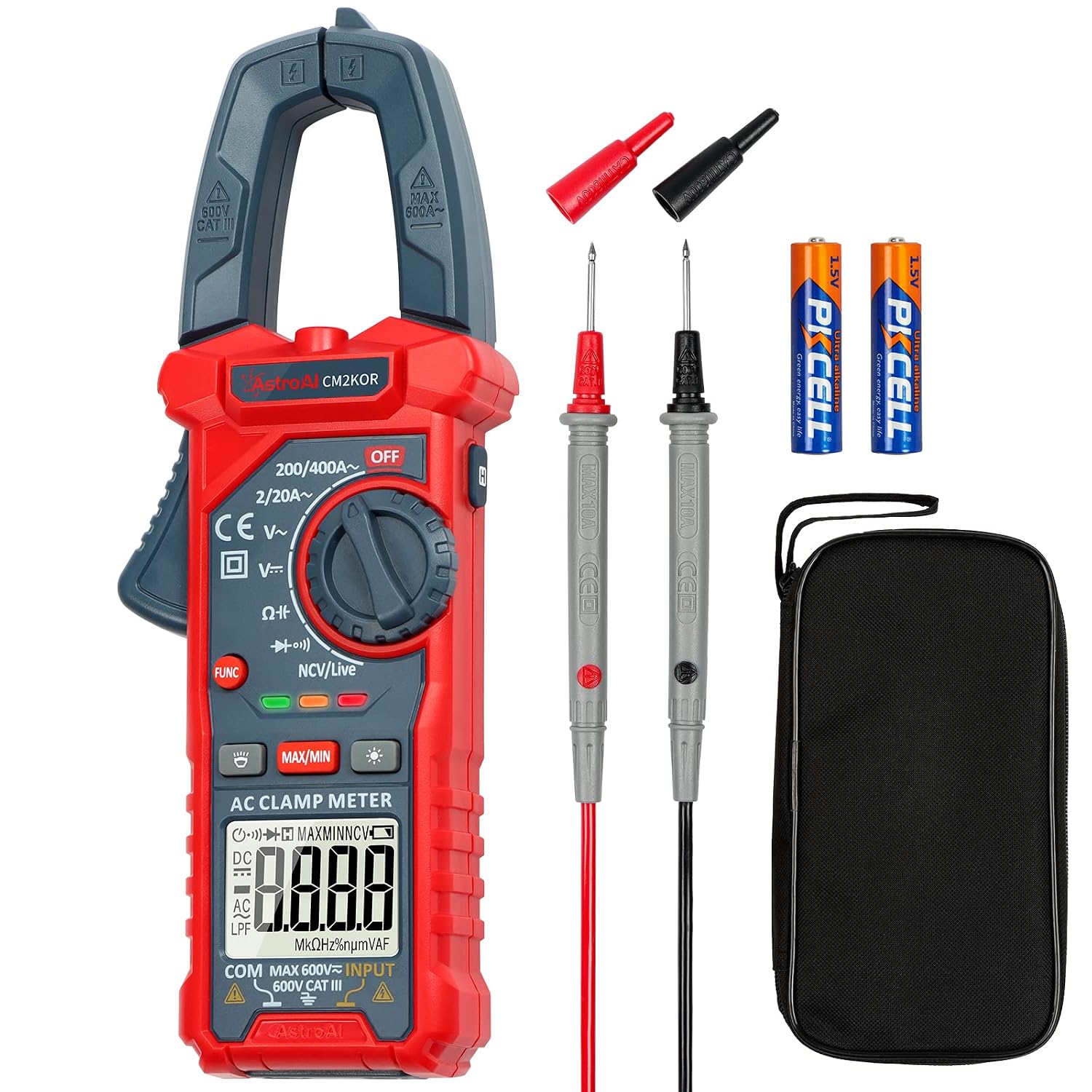
Its 2000-count display has a backlight, and a built-in flashlight can help when the work area is dim. Data hold, Max/Min readings, auto shut-off and a low-battery indicator add practical touches for taking measurements and checking the display.
The important limit is that it does not measure DC current. Keep in mind that the clamp is for current measurement only, voltage is measured using the meter’s leads, not by clamping a conductor.
How to use it
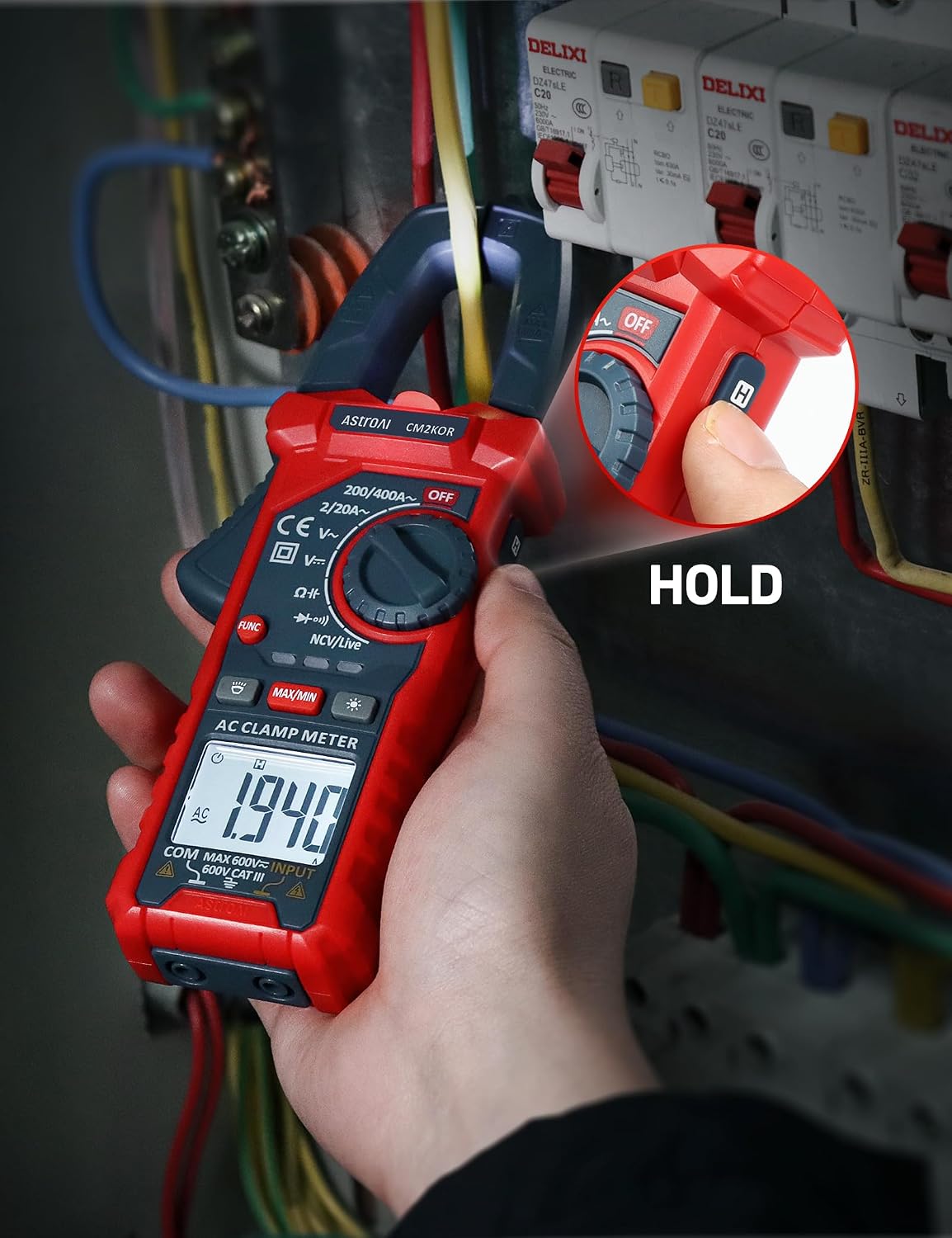
For AC current, clamp around one wire only, with the conductor centred in the jaw. Clamping around an entire power cord will not give the intended reading, since the meter needs to measure a single conductor. For voltage, use the meter’s leads instead of the clamp.
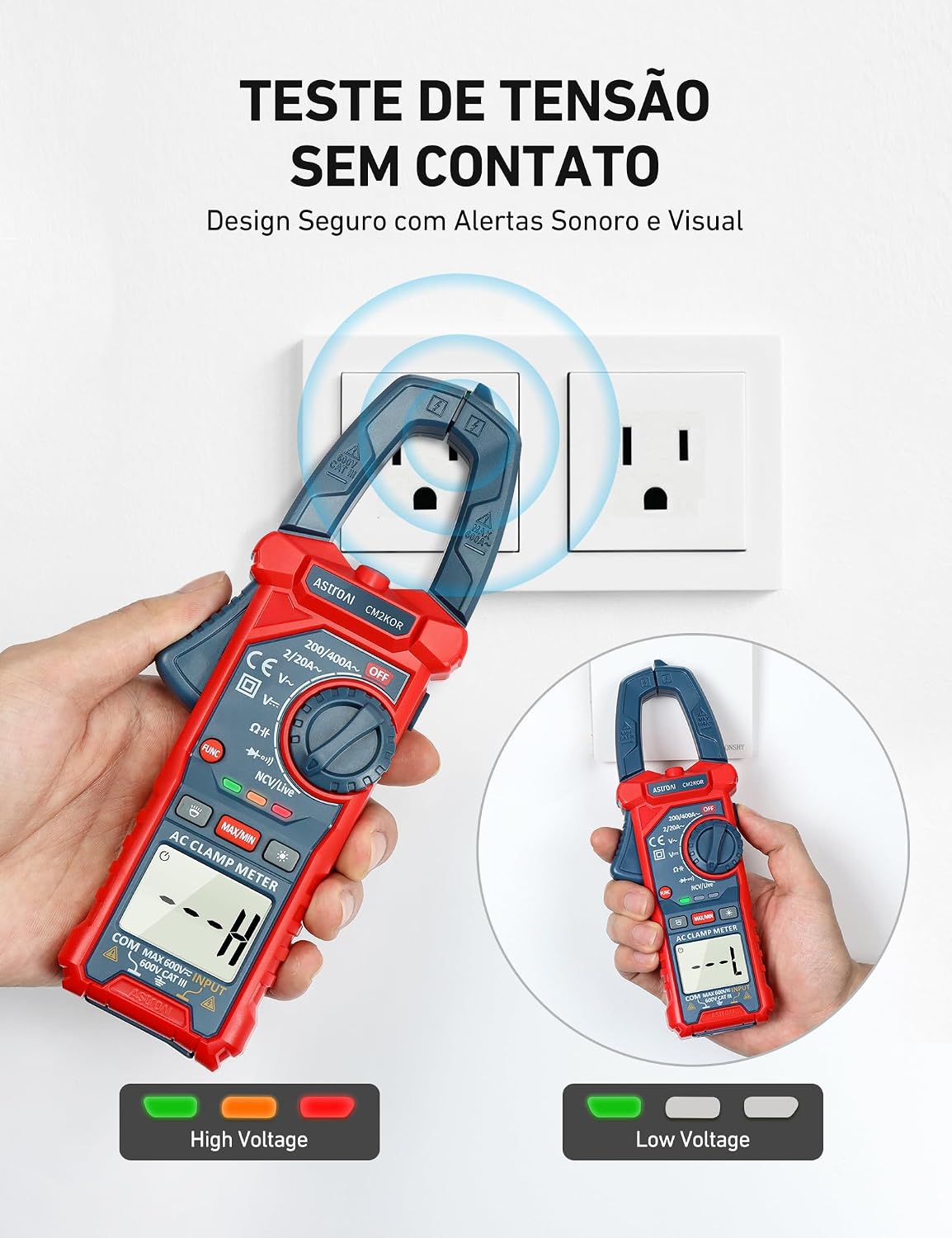
NCV testing provides a way to check for an AC signal without touching a conductor with a probe. The meter gives sound and light alerts: a weaker signal triggers a green light and slower beeps, while a stronger signal triggers a red light and quicker beeps. Treat this as an indication, not a substitute for following safe electrical testing practices.
Practical tips
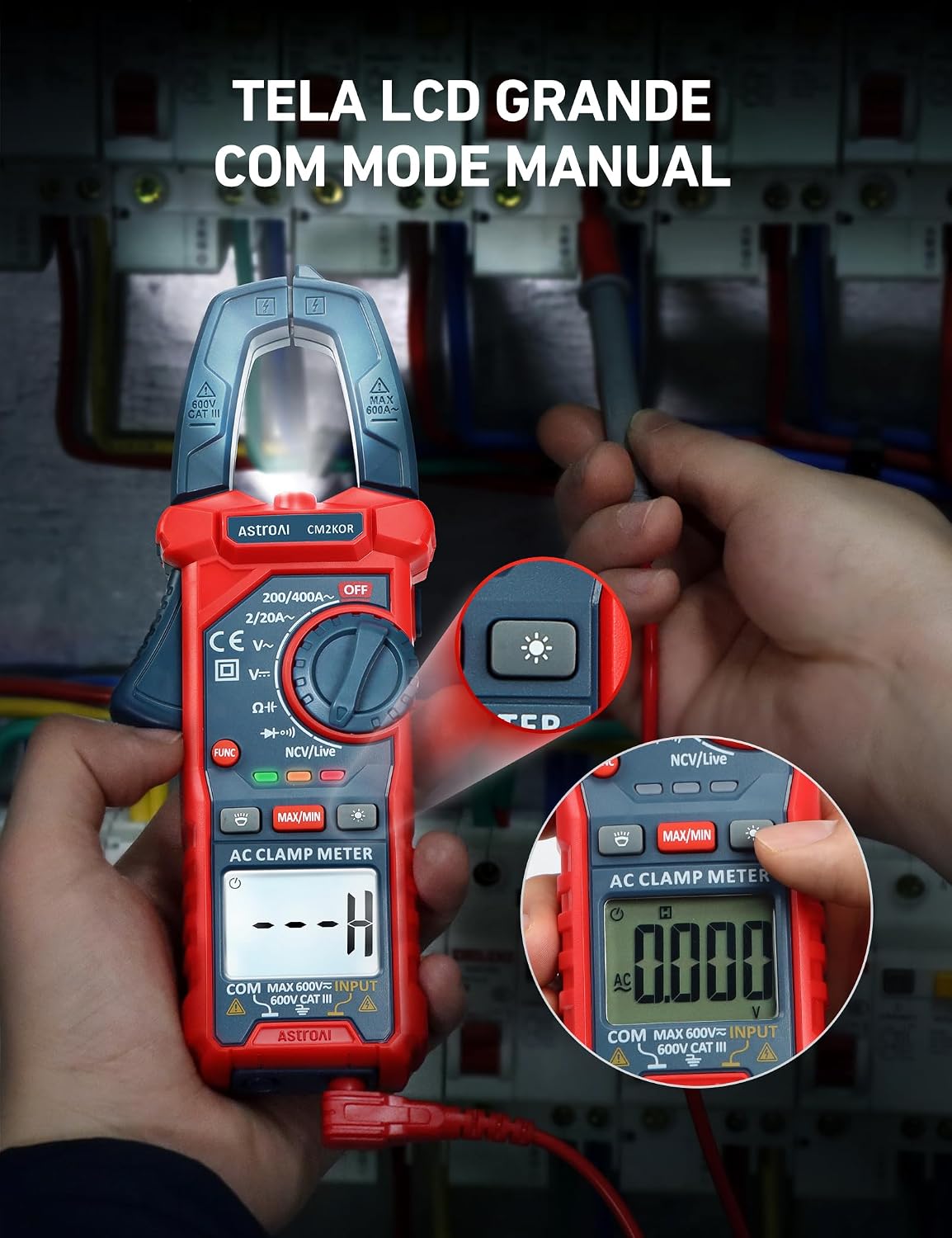
The continuity buzzer can make a continuity check easier to notice without keeping your eyes on the screen. The backlight and flashlight are useful when the panel or work area is poorly lit, while Data Hold can help when you need to look at a reading after taking it. Max/Min is available for tracking the highest and lowest readings captured during a check.
For a quick household troubleshooting scenario, you could centre a single accessible wire in the clamp to check AC current, then use the leads to check AC or DC voltage. This is a different approach from buying a voltage-only tester: the AstroAI covers several measurement types, but it is not the right tool if DC current readings are essential. Its stated safety ratings are pollution degree 2 and overvoltage category III 600V, those ratings do not remove the need to use the meter appropriately.
Before you decide
Can it measure DC current? No. The listed current measurement is AC only, although the meter does measure both AC and DC voltage.
Does the clamp measure voltage? No. The jaw is intended for current measurements, voltage checks use the test leads.
What does the NCV test indicate? It detects an AC signal without contact and signals weaker or stronger detection with different light and beep patterns. The product details do not state a detection range.
In your case
It suits you if you want one meter for AC current plus common checks such as voltage, resistance, continuity, capacitance and diodes, with a backlit screen and flashlight for dim work areas. It won't suit you if measuring DC current is a requirement, or if you need a stated NCV detection range before choosing a meter. For general household or workshop troubleshooting, its range of functions may be more useful than a basic voltage-only tester, for current work that includes DC, choose a meter that explicitly supports it.