
Black Friday 2026: Get Your Online Checkout Ready
Prepare your accounts, payment methods and delivery plans for Black Friday 2026 in Australia, with practical checks for safer online shopping.
Black Friday 2026 falls on Friday 27 November, with Cyber Monday following on 30 November. As of 7 November, there’s still time to get your online shopping set up before the sale period. Instead of waiting until checkout to solve a password problem or question a seller, sort out the essentials now.
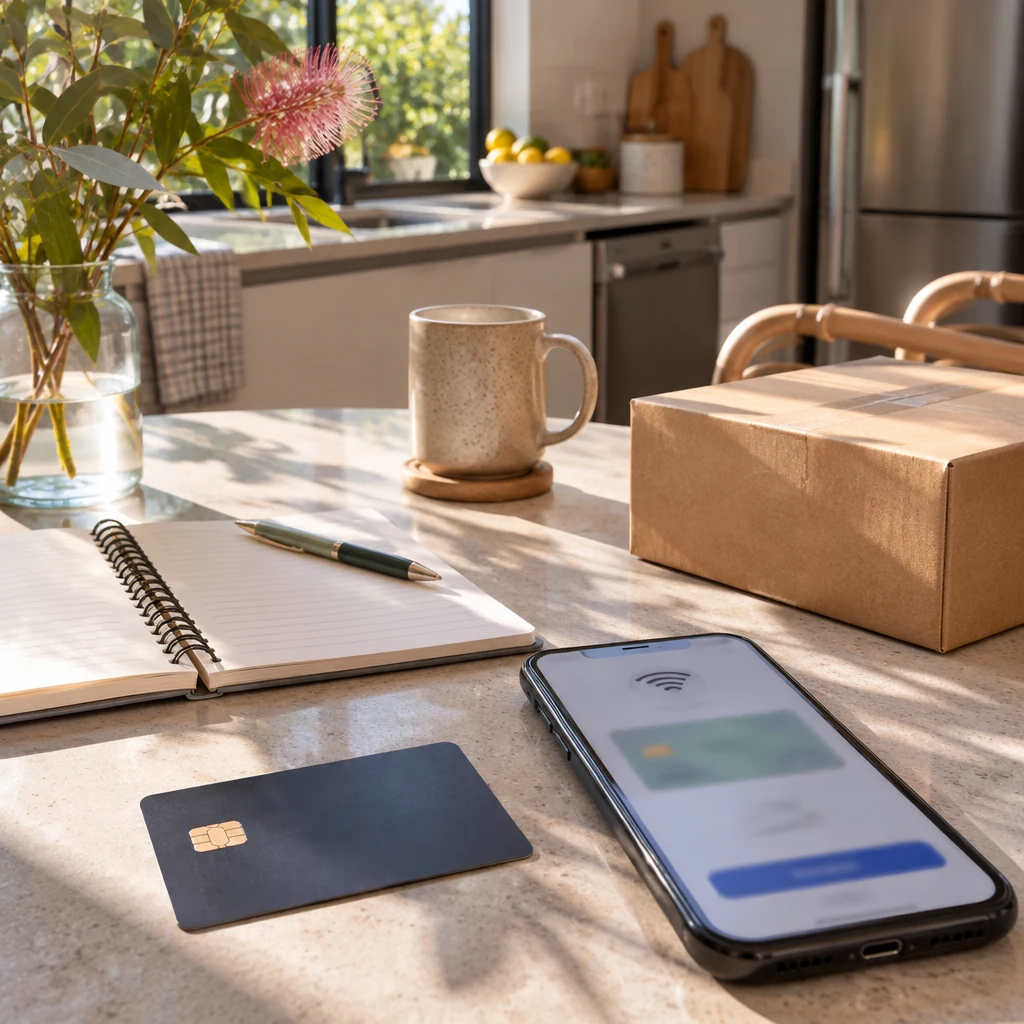
This guide focuses on the parts of an online purchase that can be easy to overlook: who you’re buying from, how you’ll pay and whether your order can arrive where and when you need it. It also gives you a way to compare prices without assuming every sale badge represents a bargain.
Start with the checks that matter most
The steps below are in priority order. Begin with the seller and payment checks, then move on to delivery and price tracking. You don’t need to prepare for every possible purchase. Focus on the items you’re genuinely considering.
1. Check who is actually selling the item
Why it matters: A familiar marketplace name doesn’t always mean the marketplace itself is the seller. Third-party sellers can have different delivery arrangements, return processes and customer service channels.
When to do it: Before saving an item to your wish list, and again before paying. A product page can change, including the seller shown or the fulfilment arrangement.
Look for the seller’s name, contact details and location. Read recent feedback with an eye on fulfilment and how problems were handled, rather than relying only on a star rating. If a listing is vague about who supplies the item or how to contact them, consider shopping around.
For an overseas seller, check whether prices are displayed in Australian dollars and what the checkout says about GST and any import-related charges. Don’t assume every international listing handles these in the same way. If the details aren’t clear before payment, ask the seller or look elsewhere.
2. Secure your accounts before the rush
Why it matters: A locked account or an unrecognised login prompt is harder to deal with when you’re trying to check out. Preparing early also gives you time to spot suspicious messages without feeling pressured.
When to do it: Now, for the retailers and marketplaces you expect to use. Sign in through their official app or by typing the website address yourself.
Use a unique password for each account and turn on multi-factor authentication where available. Check that your email address and phone number are current, so you can receive sign-in or order updates. Remove saved payment cards you no longer use and check that any card you plan to use is still valid.

Sale periods can bring convincing-looking emails and SMS messages. Treat unexpected parcel updates, account alerts and payment requests cautiously. Rather than following a link in a message, open the retailer’s app or visit the website directly to check your order. Never share a one-time verification code with someone who contacts you out of the blue.
3. Choose how you’ll pay before you reach checkout
Why it matters: Different payment methods have different dispute processes, fees and repayment conditions. A quick decision at checkout can leave you with terms you haven’t read.
When to do it: Before the sale period, especially if you’re considering a new payment service or buy now, pay later option.
Check the terms of your preferred card or payment provider, including how to report an unauthorised transaction or dispute a purchase. A dispute or chargeback may be available in some circumstances, but it isn’t guaranteed and conditions and time limits can apply. Keep the order confirmation and your correspondence with the seller in case you need them.
If you’re considering buy now, pay later, look beyond the instalment amount. Check the repayment schedule, any fees and what happens if a payment is missed. Make sure the full purchase fits your budget without relying on future savings.
Be wary if a seller asks you to move away from the platform and pay by bank transfer or gift card. You may lose access to the platform’s payment or dispute processes, and it can be difficult to recover money sent to a scammer.
4. Plan delivery around your address and your deadline
Why it matters: A bargain is less useful if it won’t reach you in time for a gift or holiday. Delivery options can also differ between metropolitan, regional and remote addresses.
When to do it: Check an item’s delivery information while researching, then enter your actual postcode and address at checkout. Recheck the estimate before placing the order, particularly if timing matters.
Look for whether the item is ready to dispatch, where it will be sent from and whether the retailer offers tracking. An estimated delivery window isn’t a promise that a parcel will arrive on a particular day. If you live in a regional or remote area, check whether the stated service covers your address and whether extra postage applies.
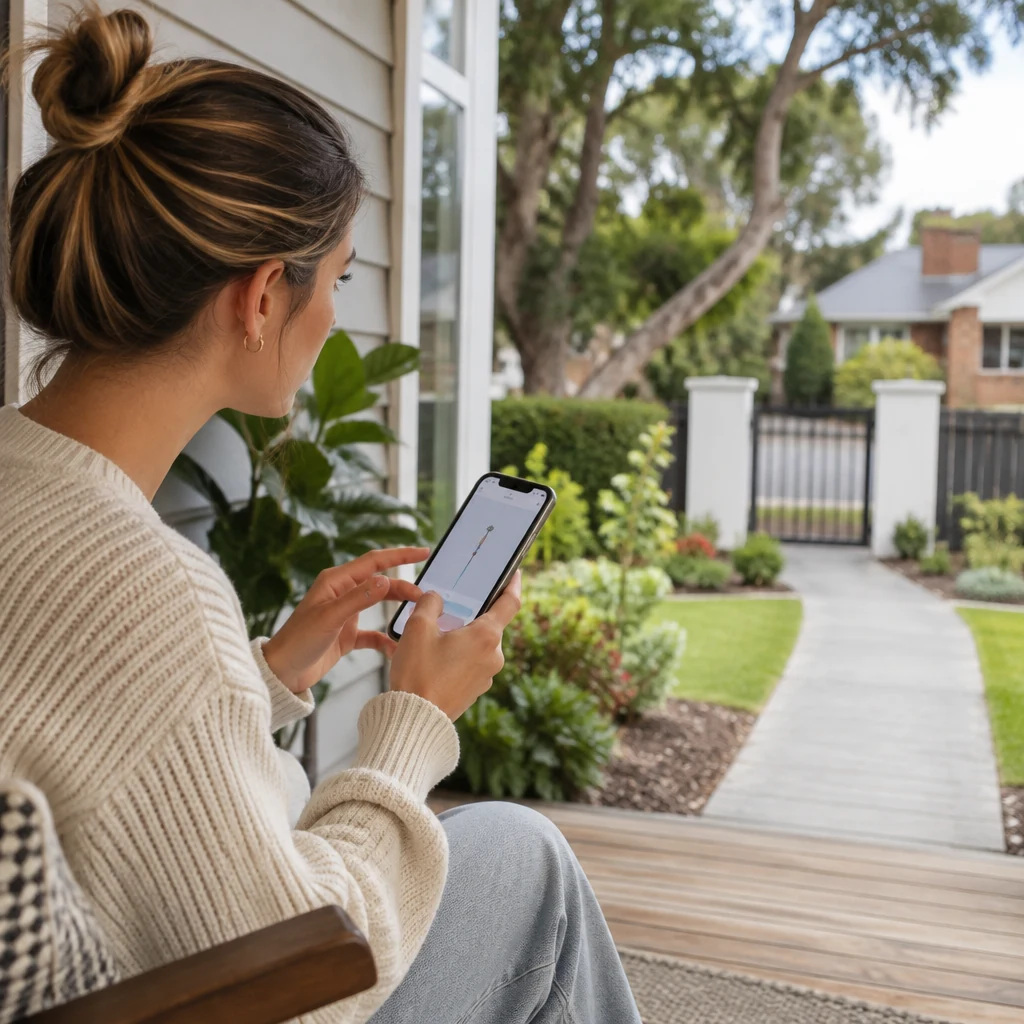
If you’re buying Christmas gifts, leave room for dispatch, transit and any follow-up if something goes wrong. Check whether delivery needs a signature and whether a parcel locker, collection point or alternative address is available for the order. Avoid assuming an item will arrive before Christmas unless the retailer’s stated timing gives you confidence.
5. Build a small price reference, not a giant cart
Why it matters: A crossed-out price or a countdown timer doesn’t tell you whether an item is good value for you. A short record helps you recognise a price worth considering without relying on the sale label alone.
When to do it: In the lead-up to 27 November, for a few items you already intend to buy. Check them again during Black Friday and Cyber Monday if you’re still interested.
Save the product page and note the current price, seller and date. Compare the same item across a few Australian retailers, including any conditions attached to membership, bundles or payment methods. Prices can change before the event, so a note from early November is a reference point, not proof of what the item usually costs.
At checkout, review the final amount in A$, including GST where applicable and any postage or other charges shown. If buying from overseas, also check the currency and how your payment provider handles conversion. A lower displayed price isn’t necessarily the better option once you account for the purchase terms and delivery.
For more Australian shopping ideas as the event approaches, visit the Australian deals homepage. Check individual listings and retailer terms before buying. A deal you’ve saved may change or no longer be available when you return.
Quick tips for a calmer checkout
- Save your delivery address in advance, but confirm it again before paying.
- Keep screenshots or copies of the listing, final price and order confirmation.
- Set aside time to read the seller’s return process, especially for gifts.
- Pause if a countdown or message pushes you to pay in an unfamiliar way.
Black Friday shopping questions
Can I return an online purchase if I change my mind?
Not necessarily. In Australia, a retailer doesn’t generally have to offer a refund or exchange simply because you changed your mind. Some stores choose to offer change-of-mind returns, but their conditions can vary. Check the policy before ordering, including any time limit, postage costs and exclusions.
That is separate from your rights under the Australian Consumer Law if a product is faulty or otherwise fails to meet a consumer guarantee. The appropriate remedy depends on the circumstances. A store’s change-of-mind policy doesn’t remove those rights.
Should I save my card details with every retailer?
Only if you’re comfortable doing so. Saving a card can make checkout quicker, but it also means keeping payment details with more services. You can enter them when needed instead. Either way, secure your accounts and review transactions for anything you don’t recognise.
What if a parcel is late or doesn’t arrive?
Check the tracking and the retailer’s stated delivery information first, then contact the seller with your order details. Keep a record of the conversation. If you can’t resolve the issue, check the retailer’s complaint process and your payment provider’s dispute conditions. You can also seek guidance from your state or territory consumer protection agency.
You may also be interested
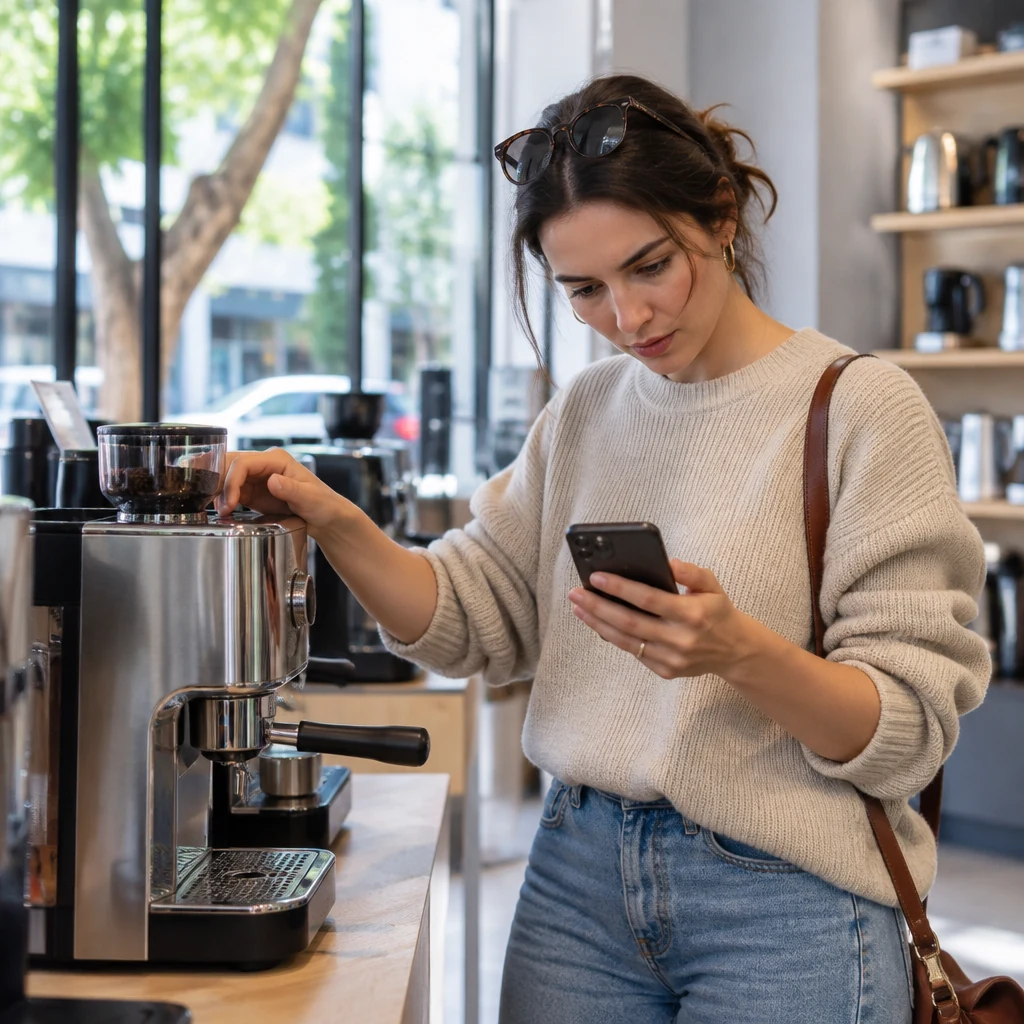
Black Friday 2026: How to Check Whether a Deal Is Real
Prepare for Black Friday 2026 in Australia by checking price claims, promotion conditions and your options after buying.

Black Friday 2026: Avoid Lookalike Deals and Wrong-Model Buys
Prepare for Black Friday 2026 in Australia: spot model differences, check sellers and avoid buying the wrong version of an apparent bargain.
Black Friday 2026: Set Your Delivered-Price Limit Before You Buy
Prepare for Black Friday 2026 with a delivered-price limit, fair comparisons and practical checks for GST, regional postage and returns in Australia.