

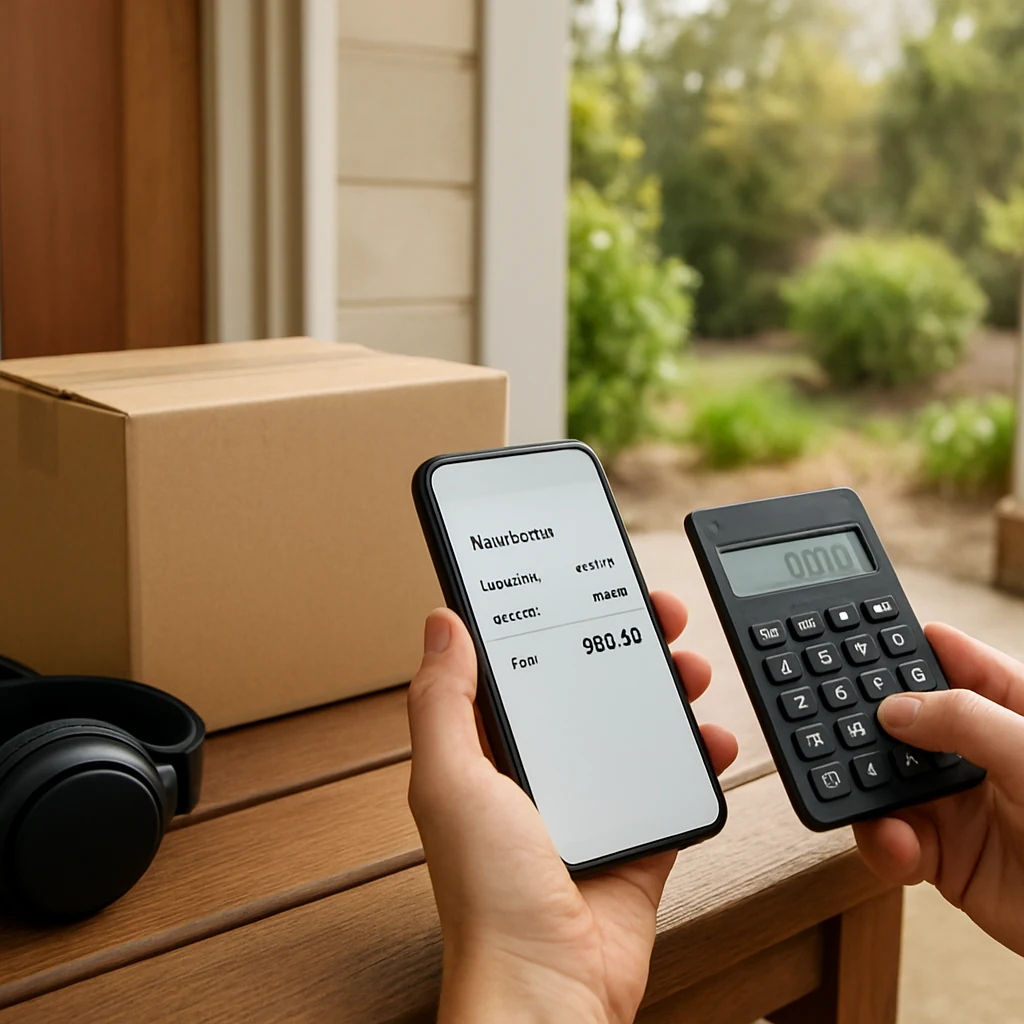
Black Friday 2026: Set Your Delivered-Price Limit Before You Buy
Prepare for Black Friday 2026 with a delivered-price limit, fair comparisons and practical checks for GST, regional postage and returns in Australia.
Black Friday 2026 falls on Friday 27 November, with Cyber Monday following on 30 November. That gives you time to do something more useful than collect sale alerts: decide what a purchase is actually worth to you, delivered to your postcode.
The biggest discount badge will not necessarily identify the best bargain. Postage, missing accessories, overseas charges and an awkward returns process can change the calculation. Before the sales arrive, build a small shortlist with a maximum delivered price for each item. Then use it to judge offers rather than letting offers organise your shopping.
What is a delivered-price limit?
It is the most you are willing to pay to get the right product to your door, including unavoidable costs. It is not the crossed-out price, the advertised saving or the amount you can technically put on a credit card.
Start with something you already need: perhaps a replacement vacuum, headphones for commuting or a Christmas present you have budgeted for. Write down the exact model or essential specifications, then set a spending limit that fits your household budget.
Next, record a few current prices from comparable sellers. Treat these as reference points, not proof of the lowest-ever price. A price-history tool can add context where it covers the exact product, but gaps in its coverage mean it should not be your only evidence.
Your final limit should sit within your budget and make sense against those observations. If ordinary pricing is already below your initial ceiling, revisit the ceiling rather than treating the difference as permission to spend more.
What should you record before 27 November?
Keep one note or spreadsheet that works on your phone. There is no need for an elaborate bargain-tracking system. For each shortlisted purchase, record:
- The exact model, size, colour and required accessories.
- Current comparison prices, seller names and the dates checked.
- Your maximum total, including delivery and unavoidable charges.
- Your latest acceptable arrival date and any important returns conditions.
That last line matters for Christmas presents and summer plans. A product intended for a December camping trip is not a useful bargain if its delivery estimate stretches beyond your departure.
Keep the shortlist small enough to check properly. Shopping around for three planned purchases is generally more manageable than trying to monitor every category that might feature in Black Friday advertising.

How do you compare two offers fairly?
Compare the same thing, from sellers you are comfortable using, at the total price available to you. Similar product names can hide different model years, storage capacities, accessory packs or refurbished stock.
Here is a hypothetical example, with both prices in Australian dollars and including GST. One retailer lists a product at A$249 with A$29 delivery to your address. Another lists the identical model at A$269 with delivery included. The totals are A$278 and A$269 respectively, so the higher headline price is A$9 cheaper delivered.
Enter your postcode before drawing a conclusion. Free-delivery banners can have exclusions, and a rate shown for a capital city may not apply to regional or remote addresses. Bulky goods may also have separate freight conditions.
Click and collect can be worth comparing if it is offered for your item and location. Factor in the trip, parking and whether someone can actually collect it. A cheaper collection price is not automatically better if it creates a long drive.
Should you add something to unlock free delivery?
Only if the extra item was already needed and the combined total makes sense. Spending more to avoid postage can turn one sensible purchase into two unnecessary ones.
Apply the same test to bundles. Count the value of accessories you would genuinely buy, not everything the retailer includes in the advertised bundle value.
What changes when the seller is overseas?
First, confirm the currency. A dollar symbol alone does not establish that a price is in AUD. If payment is taken in another currency, check the conversion and any applicable card or payment-provider fees.
GST collection and possible import charges depend on the purchase and how it is supplied. Check what the seller collects at checkout and whether anything may remain payable on arrival. Do not assume an overseas sticker price is the final Australian cost.
Also check the product's suitability here. Australian plugs, charger inclusion, mobile network compatibility and local service arrangements can matter more than a modest price difference. On marketplaces, identify the actual seller rather than relying only on the platform's name.
For Black Friday 2026, resolving these questions now gives you a cleaner comparison when a sale price appears.
Can you return it if the price drops or you change your mind?
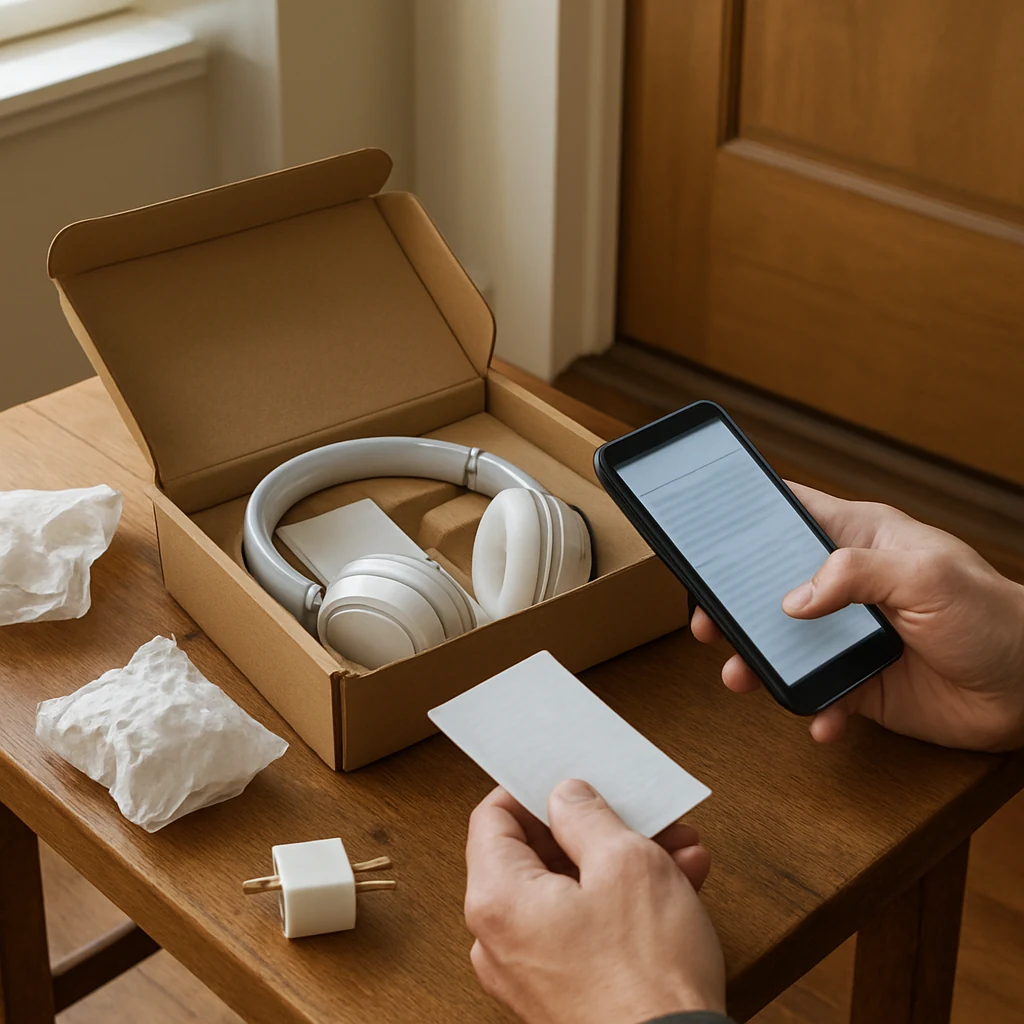
Do not assume so. In Australia, there is no general automatic right to return a purchase simply because you changed your mind. A retailer may offer a voluntary policy, but its conditions can vary, particularly for sale items, opened products and return postage.
Australian Consumer Law rights for faulty goods or goods that do not meet applicable consumer guarantees are separate from change-of-mind policies. A sale label does not remove those rights.
Before buying, read the relevant policy and save your receipt, order confirmation and product listing. For gifts, check when any voluntary return window starts and whether the recipient would receive a refund, exchange or store credit. Do not assume a lower price appearing later entitles you to a refund of the difference.
When should you buy rather than keep watching?
Use your limit as a decision rule, not a prediction. If the exact product meets your requirements, the seller checks out and the delivered total is comfortably within your limit, you have a reason to consider buying. You do not need to prove it will be the cheapest price anywhere all weekend.
Equally, a countdown timer is not a reason to abandon your checks. Read any advertised start and finish times carefully: Australia spans multiple time zones, and November includes daylight saving in some states but not others.
Cyber Monday on 30 November is another shopping date, not a guarantee of lower prices or remaining stock. If nothing meets your criteria, keeping your money is a valid outcome.
As the campaign approaches, you can use our Australian shopping hub as another starting point for browsing, then verify any offer with the retailer. Your shortlist, postcode-specific total and spending limit should remain the final filters. The aim is a purchase that works for you—not simply a discount that looks impressive.