

Black Friday 2026: Avoid Lookalike Deals and Wrong-Model Buys
Prepare for Black Friday 2026 in Australia: spot model differences, check sellers and avoid buying the wrong version of an apparent bargain.
A bargain stops being a bargain when the appliance doesn’t fit, the laptop has less memory than expected or the seller turns out to be somewhere you weren’t expecting. For Black Friday 2026, checking exactly what you’re buying deserves as much attention as the price.
With Black Friday falling on 27 November and Cyber Monday on 30 November, there’s time to sort out the details before sale-day pressure kicks in. This guide focuses on a common shopping mistake: comparing products that look identical but aren’t quite the same.
The aim isn’t to research every purchase endlessly. It’s to make a few useful checks now, so an appealing listing doesn’t send you home with the wrong thing.
Mistake 1: Comparing product names instead of exact models
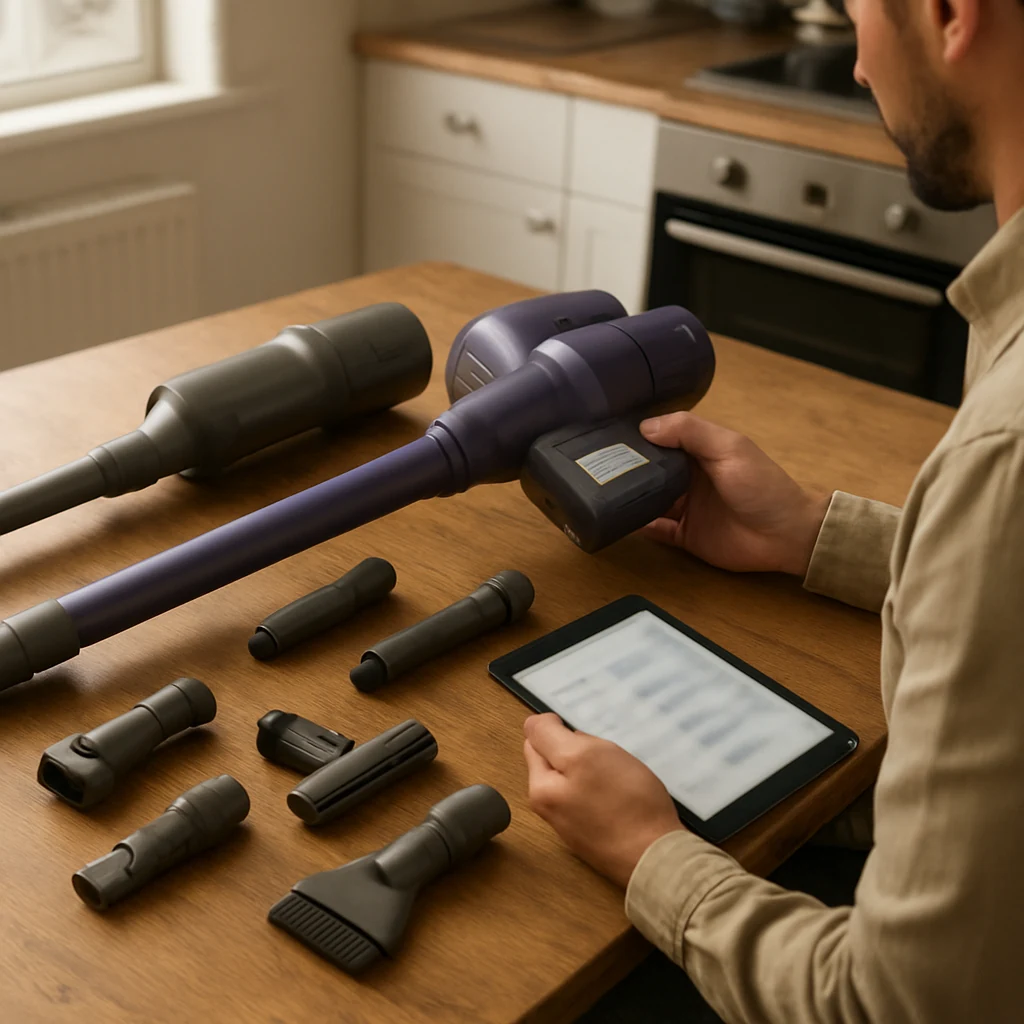
Product names are often families, not precise descriptions. Two televisions can share a range name but differ in screen technology or connections. Two cordless vacuums can use similar branding while including different cleaning heads.
Before Black Friday, open the manufacturer’s Australian website and find the exact model number for anything on your shortlist. Save it alongside the specifications that matter to you. For a laptop, that might mean memory, storage and processor. For an appliance, dimensions and capacity.
Use the model number as your starting point, not proof that every listing is identical. Retailer bundles can add accessories, and regional suffixes can indicate different versions. Check what those differences mean rather than assuming they’re cosmetic.
If a listing leaves out the model number, ask the seller before buying. A product photo or a broad description such as “latest generation” isn’t enough to settle the question.
Mistake 2: Treating every bundle as better value
Bundles are easy to misread when the hero image shows a generous spread of accessories. Some items may be optional extras, props or available only with a different configuration.
Read the “included in the box” section and compare it with your actual needs. A stick vacuum with an extra powered head might suit a home with pets. A collection of attachments you’ll never use adds little practical value.
Here’s a hypothetical example: a coffee machine listed at A$549 includes a milk jug and cleaning kit, while another listing is A$519 without them. The larger bundle is only worth considering if you need those extras and they justify the additional A$30. Neither figure represents a current or forecast Black Friday offer.
Also check consumables. An attractive printer package can be less useful if the included cartridges have limited capacity. Look for the stated cartridge type or yield rather than relying on “ink included”.
Mistake 3: Assuming the website name tells you who’s selling
A familiar Australian shopping site may host listings from third-party sellers. That doesn’t automatically make a listing unsuitable, but it changes what you need to check.
Find the “sold by” and “dispatched by” details. Then look for the seller’s business information, contact options, dispatch location and return instructions. A local-looking storefront or an A$ price doesn’t, by itself, confirm that stock is in Australia.
For an expensive purchase, save the listing and seller details before checkout. This creates a useful record of what was described, including condition, accessories and any specific delivery statements.
Australian Consumer Law provides consumer guarantees for purchases from Australian businesses, including through online marketplaces. These rights are separate from a store’s voluntary returns policy. Overseas sellers targeting Australian consumers may also have obligations under Australian law, but resolving a problem or enforcing your rights can be harder.
If you’re unsure who would handle a faulty item, clarify that before paying—not after a problem appears.
Mistake 4: Missing the difference between Australian stock and imports
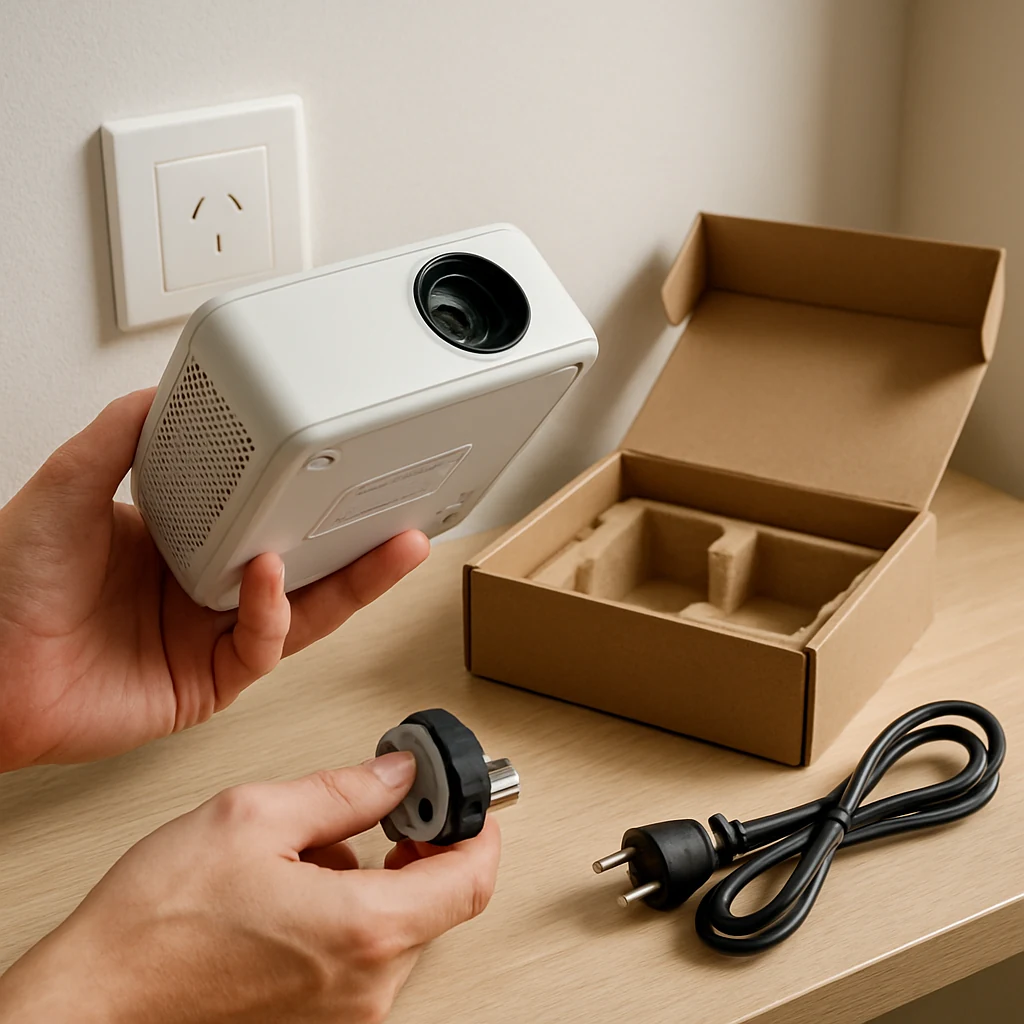
An imported product may look identical to the Australian version while differing in ways that affect everyday use. Depending on the product, those differences could involve plugs, supported mobile network bands, software features or access to local servicing.
For electrical goods, confirm suitability for use in Australia. Don’t treat a supplied travel adaptor as proof that everything else is compatible. For phones and connected devices, check the exact model against the manufacturer’s Australian specifications and your provider’s requirements.
Manufacturer warranties can vary by market. Ask whether the Australian manufacturer will service that particular model, and distinguish this from the seller’s obligations under consumer law. A manufacturer’s warranty is additional to applicable consumer guarantees, not a replacement for them.
Check GST treatment too. Australian consumer-facing prices generally include GST where applicable. With overseas listings, confirm whether GST and any relevant import charges are collected at checkout or whether additional charges could arise. Don’t assume an A$ display settles the issue.
Mistake 5: Checking the product but not whether it suits your home
The right model can still be the wrong purchase. Before Black Friday 2026, measure the space where an appliance will go, including ventilation clearances and the route through doorways. For replacement parts and accessories, check compatibility against the product you already own.
Late November also leads into summer and Christmas shopping in Australia. If you’re considering cooling equipment, outdoor gear or a gift, think about when it needs to arrive and whether someone can receive it.
Enter your actual postcode early. Regional and remote delivery can involve different charges, exclusions or service arrangements, especially for bulky goods. Check whether delivery means the front door, a depot collection or a particular service level. Installation and removal may be separate.
An estimated dispatch date isn’t an arrival date. Avoid making a time-sensitive purchase depend on an assumption the seller hasn’t confirmed.
Quick checks to do before the sales
- Save the exact model number and the features you won’t compromise on.
- Photograph relevant measurements, existing model labels and connection points.
- Check delivery eligibility using your postcode, not a capital-city example.
- Bookmark the seller’s returns terms and keep any written answers to your questions.
Mistake 6: Assuming you can return it if you change your mind
Australia doesn’t have a general automatic right to return an online purchase simply because you changed your mind. A retailer may offer that option, but conditions vary.
Before buying, check whether a change-of-mind policy covers sale items, opened packaging and the product category you’re considering. Find out who pays return postage and whether any stated fees apply. Don’t confuse those voluntary terms with your rights when goods are faulty, unsafe or otherwise fail consumer guarantees.
For gifts, check whether the returns window works for your intended handover date. Keep packaging and order records where practical, but don’t assume unopened packaging is always required to exercise your statutory rights.
Make your shortlist harder to derail
By 27 November, aim to have a small shortlist of clearly identified products and acceptable alternatives. When a Black Friday listing appears, compare its model, condition, seller and contents against that shortlist before judging the price.
You can use our Australian shopping guides and bargains hub as another starting point for research. Keep the same checks in place through Cyber Monday on 30 November: a new listing still needs scrutiny.
The smartest purchase isn’t necessarily the one with the loudest discount claim. It’s the product you intended to buy, from a seller you understand, with no important detail left to guesswork.
You may also be interested

Black Friday 2026: How to Check Whether a Deal Is Real
Prepare for Black Friday 2026 in Australia by checking price claims, promotion conditions and your options after buying.
Black Friday 2026: Get Your Online Checkout Ready
Prepare your accounts, payment methods and delivery plans for Black Friday 2026 in Australia, with practical checks for safer online shopping.
Black Friday 2026: Set Your Delivered-Price Limit Before You Buy
Prepare for Black Friday 2026 with a delivered-price limit, fair comparisons and practical checks for GST, regional postage and returns in Australia.