

UP-CONVERTS Standard Defitio Up-Converts (Standard Defitio)
Product description
What this is and why people look for it
If you’re trying to improve what you see on a screen, “up-convert” gear is usually the rabbit hole you end up in. The UP-CONVERTS STANDARD DEFINITIO is presented as a standard “up-converts” solution, which—on paper—means it’s meant to take a lower-resolution video signal and process it so it can look better on a higher-resolution display.
That goal is simple: fewer “old video” vibes and more consistency when you’re watching content that wasn’t created for today’s panels. Where it gets tricky is that not every up-conversion setup behaves the same way depending on the source device, the connection type, and how sensitive your TV or monitor is to incoming signal formats. So it’s worth approaching this as a practical attempt to get a cleaner picture, not a guaranteed miracle.
Key takeaways before you buy
The most useful way to think about this product is by outcome: does it make your existing sources look more watchable on your current display? If your home setup includes older sources or mixed signal quality, an up-converter can be the middle step that helps you stop constantly worrying about settings.
At the same time, you should be realistic. Up-conversion can’t recreate missing detail from compressed or low-quality source material. If your source is noisy or heavily compressed, the result may still look limited—just possibly a bit smoother or more consistent.
Not a perfect match for every situation, then? If you already have modern sources that output clean signals, you may not see enough difference to justify adding another device.
What you’ll notice in everyday use
In real living-room terms, the “win” with an up-converter is usually how easy it is to keep viewing without constant tinkering. For example, if you switch between an older playback device and newer streaming sources, an up-converter can help reduce the jarring feeling of “this looks worse today.”
That said, the experience depends a lot on how your display and source devices handle video signals. Some TVs are picky, some setups are more forgiving. If you’re the type of buyer who enjoys dialing in settings, you’ll likely get more out of it. If you want plug-and-forget with minimal fuss, you may still find it depends on your exact chain.
Who it suits best (and who should skip it)
It’s a solid consideration if you want to improve compatibility and visual consistency for older or mixed sources and you’re okay treating this as part of your setup—not the entire solution.
It might not suit you if: - you expect it to remove major artifacts from very low-quality video, - you already have all sources outputting clean, modern signals, - you don’t want to deal with the “it depends” factor that comes with video processing and display expectations.
Worth considering if your goal is simply to make everyday viewing a little more pleasant and less inconsistent.
Tech specs and compatibility: what to check
The product info provided here doesn’t include concrete details like supported input/output formats, resolutions, or specific connection types. Because up-conversion is very dependent on signal handling, this is one area you should verify before committing.
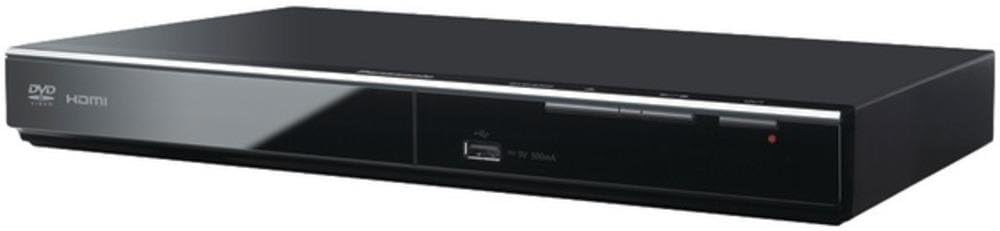
In particular, double-check: - what input your sources output (and whether the up-converter supports it), - what your TV or monitor accepts from the up-converter, - whether you need specific cables/adapters in your current setup, - any limitations implied by the “standard” positioning.
If you can confirm those pieces, you’re far more likely to judge the UP-CONVERTS STANDARD DEFINITIO fairly.
Is it worth it?
You should buy the UP-CONVERTS STANDARD DEFINITIO if you’re trying to make older or mixed video sources look better on a higher-resolution display, and you’re willing to verify that your input/output connections and formats line up with your devices.
You may want to skip it if your current sources already look clean and modern, or if you’re buying with the expectation that up-conversion will fully fix poor source quality. Ten out of ten? No—up-converters don’t create detail out of thin air. But as a practical “middle step,” it can be worth having when your goal is more consistent viewing without constant adjustments.
Mini FAQ
What does an up-converter actually do?
An up-converter processes a lower-resolution signal so it can display on a higher-resolution screen. The improvement is often about consistency and how the image scales, not about restoring missing detail.
Will it make old footage look brand new?
No—if the original source is heavily compressed, noisy, or low in detail, up-conversion can only go so far.
Do I need to match connections exactly?
Yes. Up-conversion depends on what your source outputs and what your display accepts, so it’s important to confirm compatibility in your setup.
Is this good for TVs or monitors?
The intent is for display viewing in general, but whether it works smoothly depends on the signal formats your display supports.
What should I verify before purchasing?
Supported input/output signal types, what resolutions are handled, and any connection or cable requirements with your existing devices.