

ECHOMUSSY Wireless Microphones: One-to-One Chip Connection, 40H Battery, 200FT Range
Reviews
Price
Product description
What it is and who it’s for
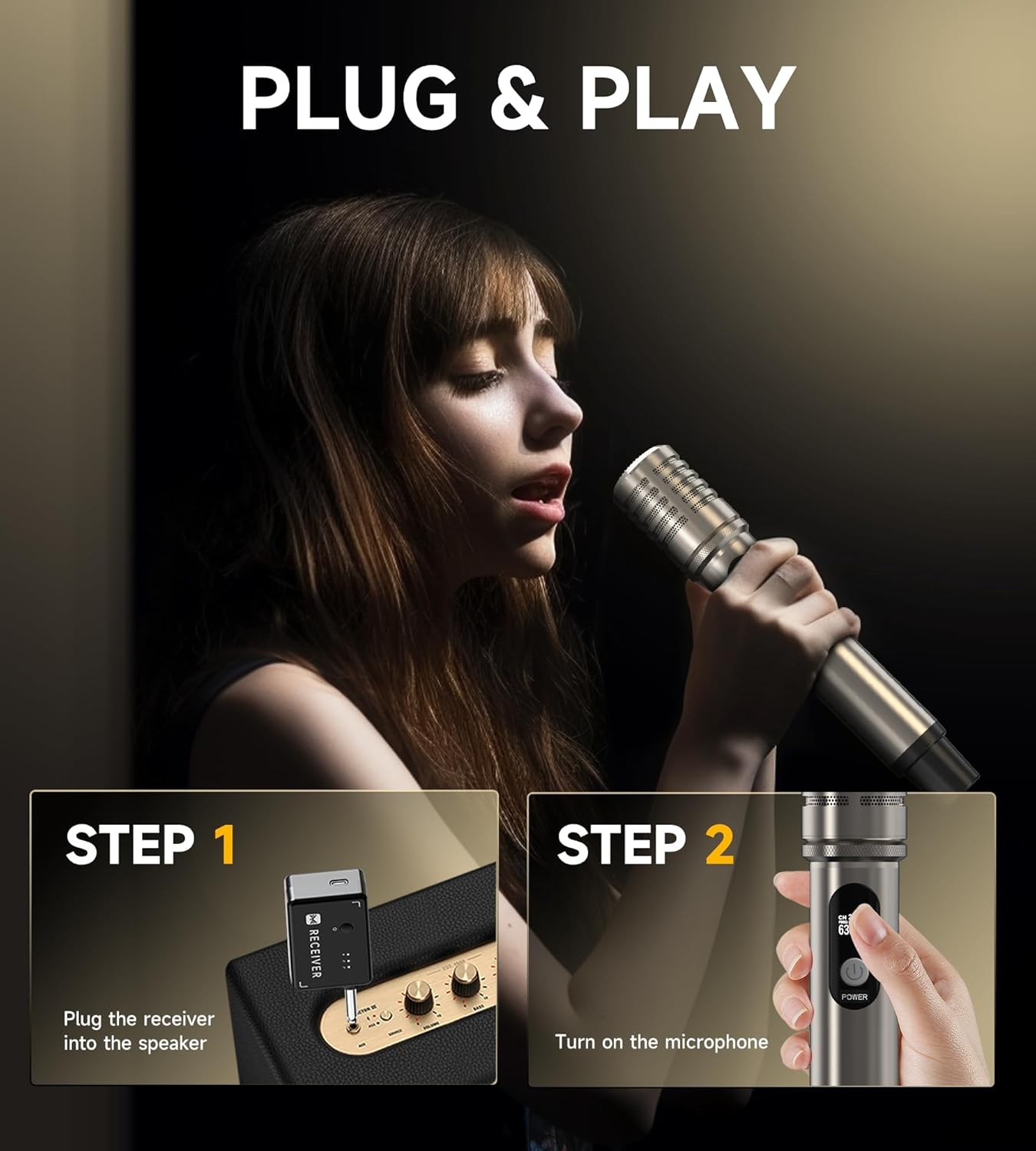
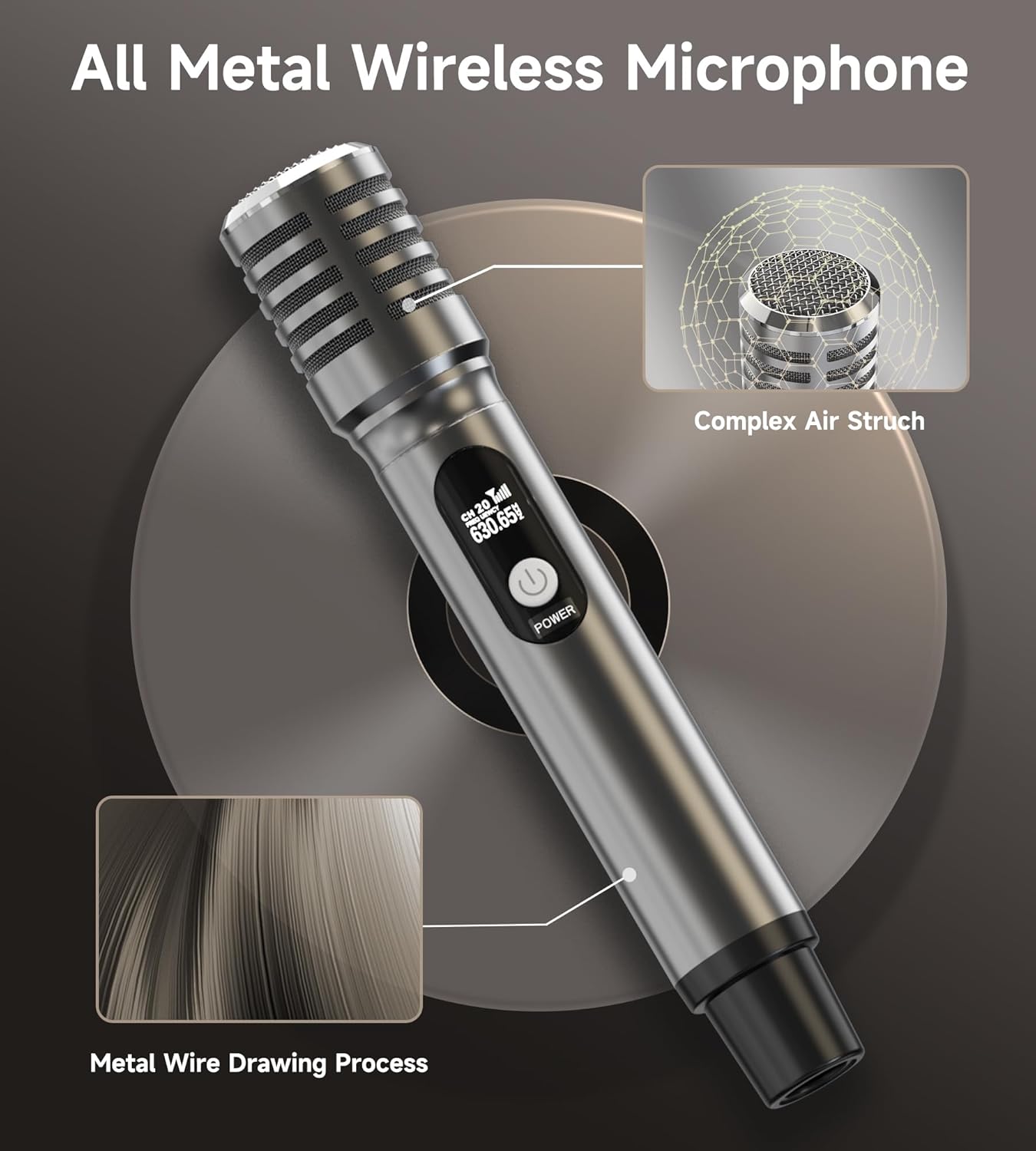
These are a single wireless microphone package designed to deliver a straightforward, plug-and-play experience for singers, video creators, and presenters. With a dedicated one-to-one chip connection, they aim to reduce interference and simplify setup so you can focus on performance rather than configuration. If you’re looking for a compact, ergonomic mic pair that can handle casual singing, on-camera work, or livestreams, this option positions itself as a convenient, no-fuss tool.
How it motivates the buying decision
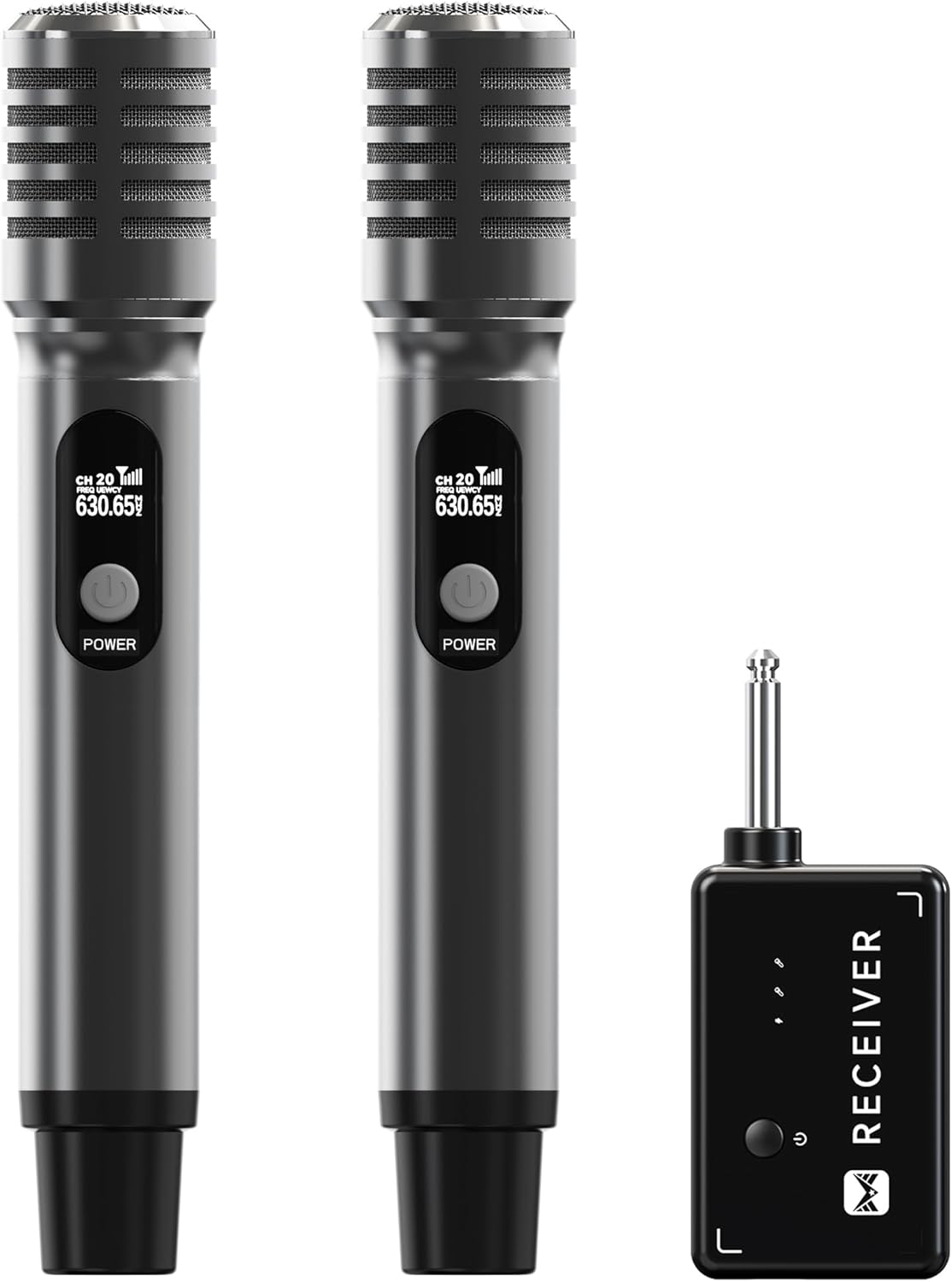
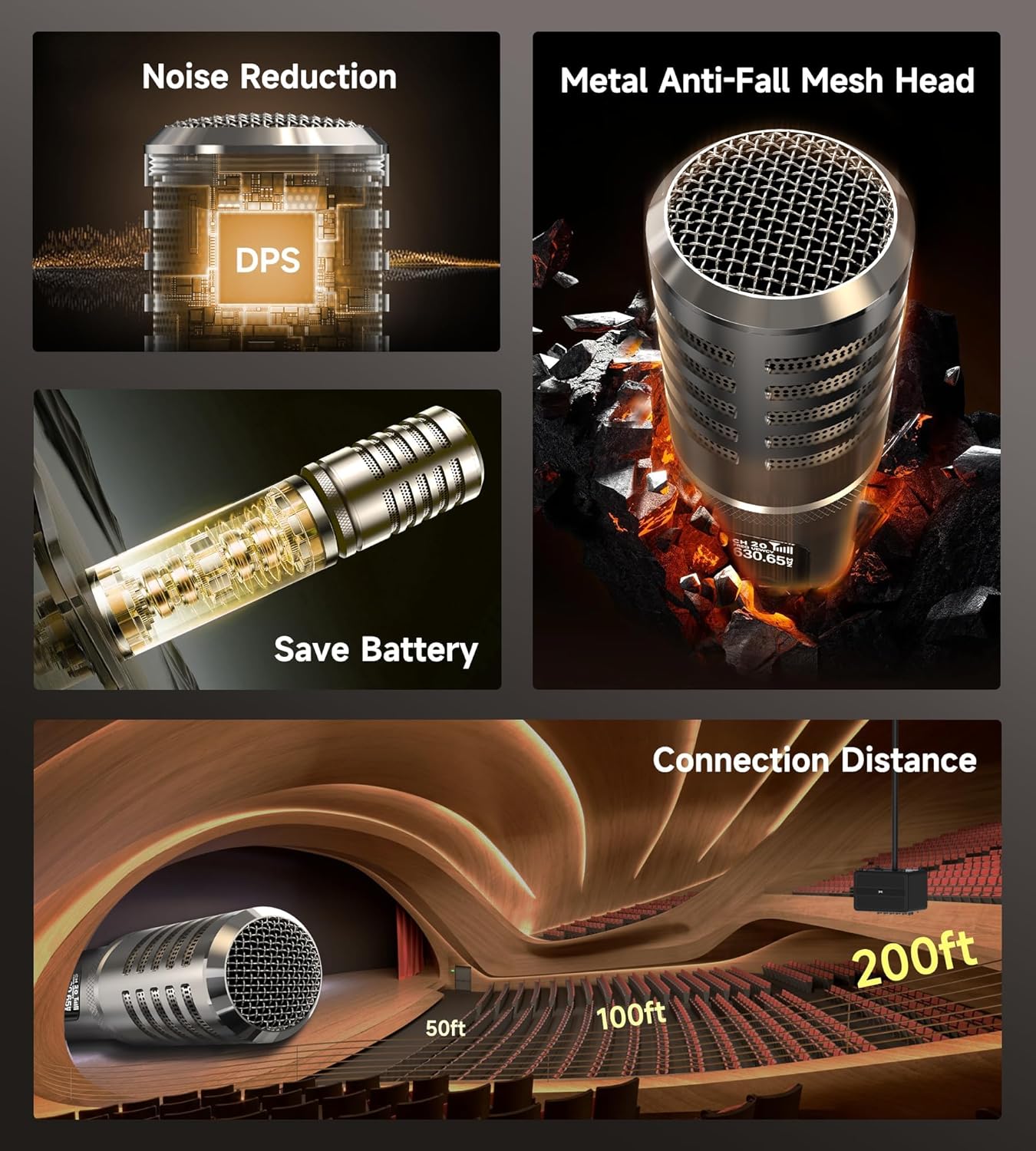
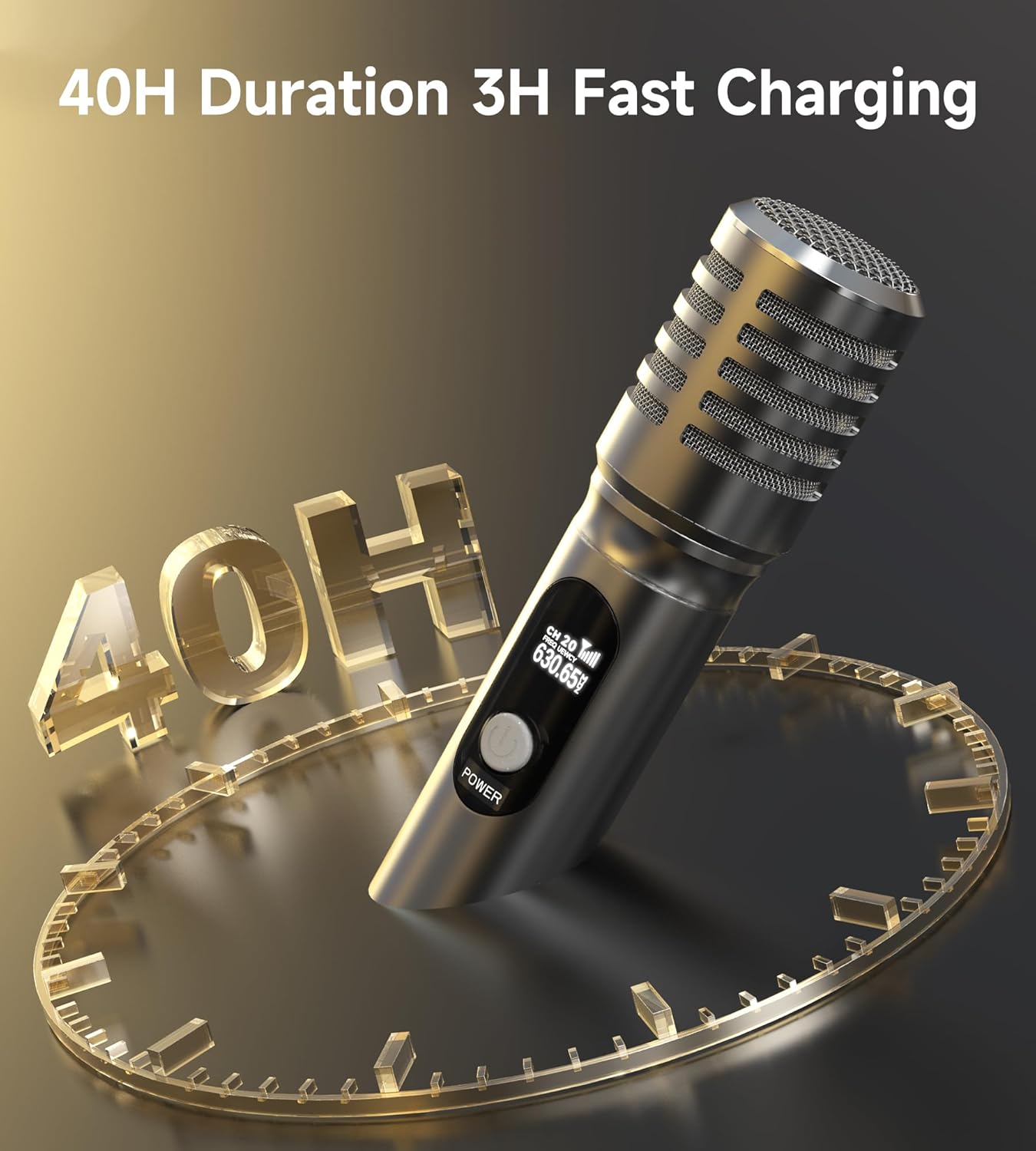
On paper, the standout claims are up to 40 hours of rechargeable power and a potential 200-foot range, which translates to long sessions between charges and the flexibility to move around a room or small stage without losing signal. The plug-and-play approach means you can typically get going quickly—no complex pairing dance or driver installs required—making it appealing for content creators who want to minimize tracking and technical overhead.
What’s strong about it
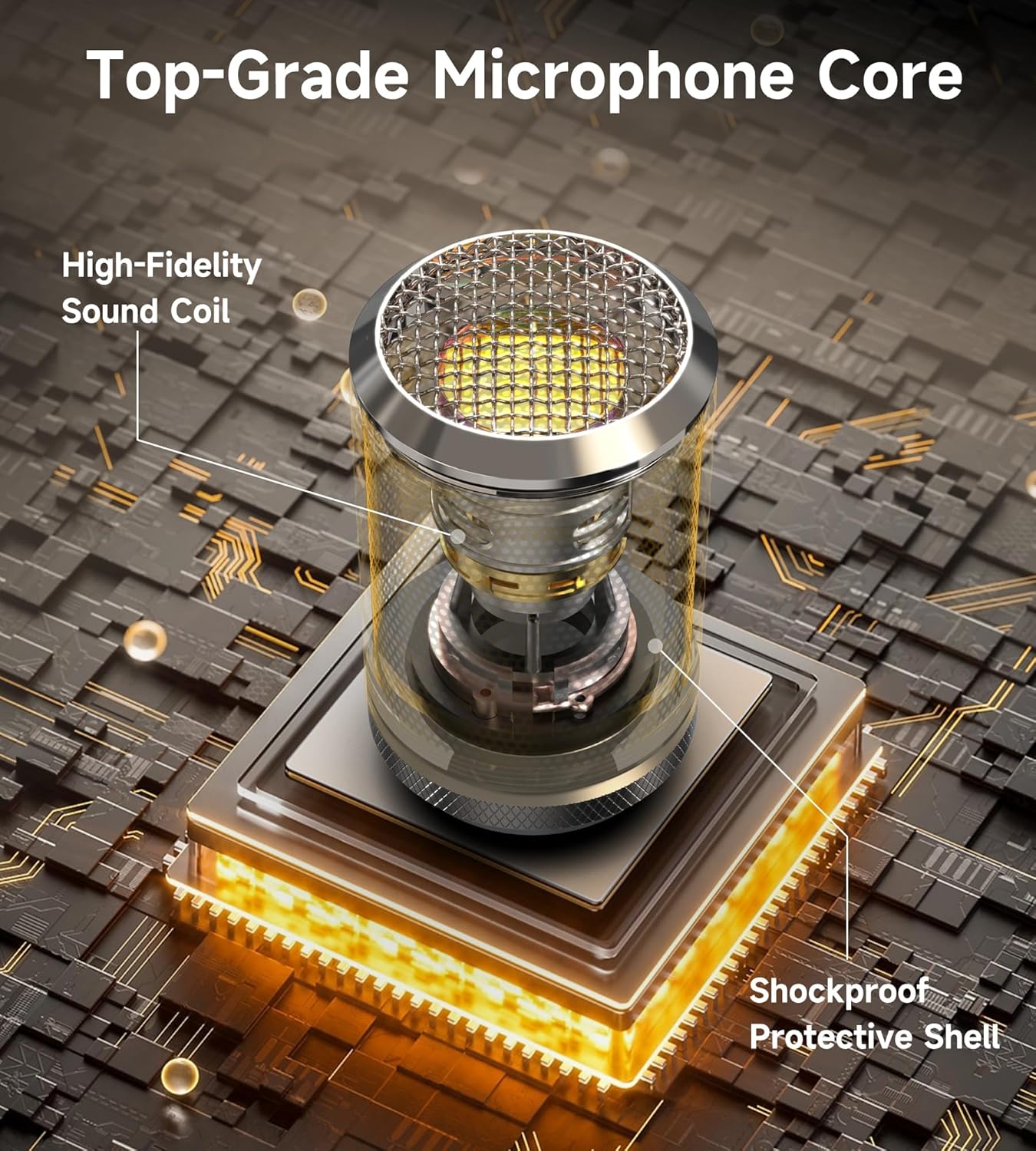
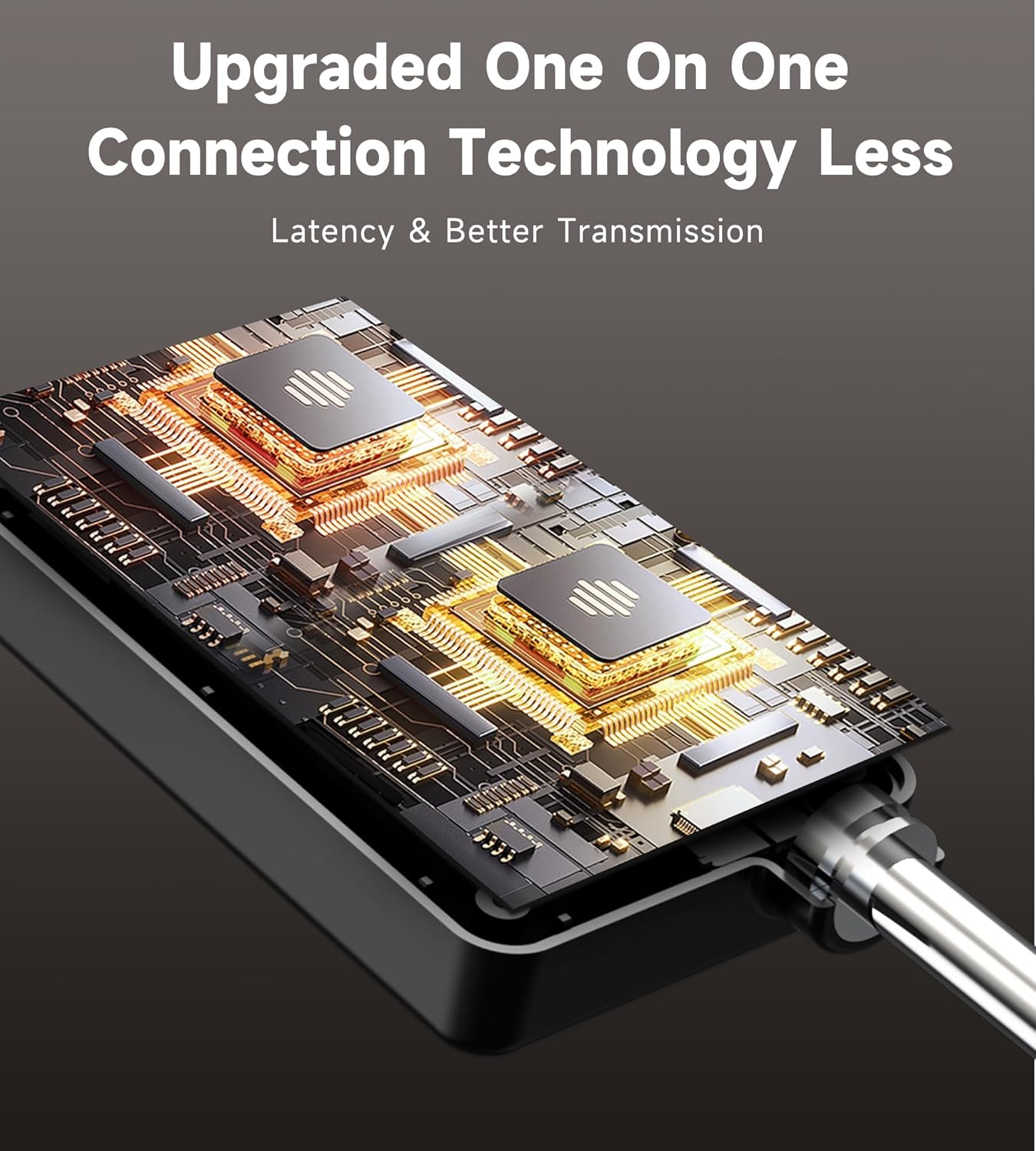
Its emphasis on an ergonomic design suggests comfortable handling during longer shoots or live performances. The one-to-one chip connection can help mitigate channel interference, an important factor for clear voice capture in busy environments. The rechargeable battery is another plus, removing the recurring cost and hassle of disposable power and enabling more shoot time between charges.
What could be limiting
Without access to detailed specifications beyond the core features, it’s prudent to note that real-world performance can depend on environment, device compatibility, and user behavior (like mic distance and wind or clothing noise). The 200FT claim is typically tested under ideal conditions, walls, interference, or obstructed lines may shorten the effective range. Also, latency perceptions vary with processing and the receiving hardware, so listening closely during your own use case matters.
Ideal user scenarios
- A solo creator who records singing videos and needs reliable wireless performance with minimal setup.
- A presenter or tutor moving around a classroom or small studio, seeking freedom of movement without frequent re-pairing.
- Beginners and hobbyists who want a straightforward, plug-and-play kit without wrestling with complex settings.
Who might want to skip this
If you’re chasing studio-grade wireless latency and ultra-low delay for critical musical timing, this setup may not deliver the absolute fastest response you’d get from higher-end systems. Also, if your needs include multi-channel or professional-grade broadcast features, you might outgrow this package sooner than later.
What to check before you buy
- Confirm compatibility with your camera, recorder, or computer input and whether you’ll need any adapters.
- Consider your typical shooting range and environment, the 200FT claim is best in open spaces.
- Think about battery management: 40 hours is impressive, but plan charging logistics for longer sessions.
- Verify if the kit includes the receiver, transmitters, and any necessary cables or accessories for your setup.
How it compares to common alternatives
For casual content creators, this option sits between entry-level wireless kits and more feature-rich pro systems. If you prioritize ease-of-use and minimal maintenance, it’s a sensible middle ground. If you need advanced features like multiple channels, higher-grade lavalier options, or robust studio-grade latency specs, you’d likely look at more specialized gear.
Practical usage example
Imagine filming a relaxed song cover in a small home studio. You clip the lightweight mics, connect the receiver to your camera, and hit record. You move around within a comfortable radius, confident you won’t have to fiddle with settings mid-take. The system’s plug-and-play nature helps you keep the flow intact and reduces the chance of on-camera hiccups.
FAQ
- Do these mics require a complicated setup? No—it's designed to be plug-and-play with a one-to-one connection to minimize interference.
- Will they work with smartphones or laptops? They typically rely on a receiving unit, check the included outputs and any adapter needs for your device.
- How long does the battery last in real use? The spec mentions up to 40 hours, but real-world duration depends on usage and volume levels.
Is it worth it?
It’s worth considering if you prioritize simple operation, decent battery life, and a clear wireless connection for casual singing and video recording. If your workflow favors advanced features or ultra-low latency, you may want to explore higher-tier options.