


The Shipping Math That Saves You More Than Any Coupon
Real-world ways to cut shipping, sales tax surprises, and return costs when shopping online in the US—plus when “free shipping” isn’t a deal.
Online deals aren’t won at the promo-code box. A lot of the real savings happens one step earlier: shipping choices, delivery timing, and what happens if you need to return something. If you’ve ever “saved” $10 on an item and then paid it right back in shipping (or lost it in return fees), this is for you.
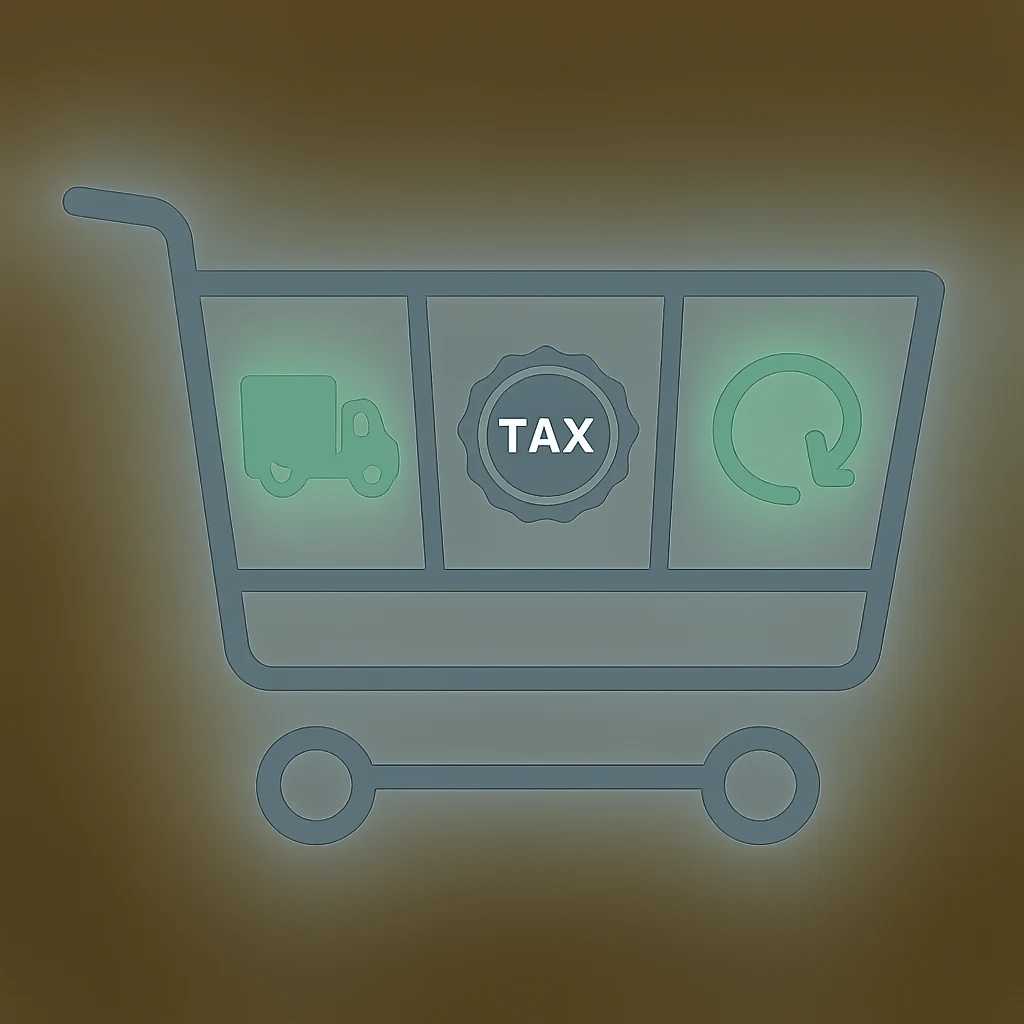
The three hidden line items: shipping, sales tax, and returns
Most shoppers focus on the item price. But the final cost usually comes down to three questions:
1) What will shipping actually cost you (in dollars and in time)? “Free shipping” can nudge you into buying extra items you didn’t plan on. Or it can lock you into a slower delivery window that creates last-minute replacement purchases.
2) What’s the taxable total? In the US, sales tax is typically calculated at checkout based on your shipping address and what you’re buying. That means the “deal price” you saw on the product page isn’t always the total you’ll pay.
3) How expensive is it to change your mind? Returns can be free, paid, or only free in-store. Some categories have shorter return windows or shipping-restocking quirks.
The goal isn’t perfection—it’s choosing the lowest-risk path for this purchase, especially during big seasonal shopping moments (back-to-school, holiday gifting, Black Friday/Cyber Monday) when shipping timelines and return policies matter more.
Case 1: The free-shipping minimum that makes you spend more
Scenario: You’re buying a single item and the site is offering free shipping if you hit a minimum order amount. You’re short by a little, and the website helpfully suggests “add-on” items.
The tempting move: Add a filler item you don’t need to unlock free shipping.
The trade-off: Sometimes paying for shipping is actually cheaper than forcing your cart to grow—especially if the filler item is non-returnable, low quality, or something you’ll forget in a drawer.
Here’s a more practical way to run the math (without getting lost in it):
- If the add-on item is something you already buy regularly (like household basics), it can be a clean win.
- If it’s “random clearance stuff,” treat it like spending real money, not like a coupon.
- If you’re shopping close to a deadline (birthday, trip, holiday), remember that free shipping may mean slower shipping. The cost of being late often shows up as a second purchase elsewhere.
A smarter decision path:
If you’re short of the free-shipping minimum, try one of these before you toss a junk add-on into your cart:
- Check for pickup options (buy online, pick up in store Ofertas curbside). You can skip shipping entirely and avoid porch-delivery risk.
- See if the retailer lets you ship from store or choose a nearby location; sometimes delivery speed improves without paying for expedited shipping.
- Split the purchase intentionally: order the must-have item now, and buy the “nice-to-have” later when you actually need it.
This is one of those cases where “saving money” is mostly about not letting the checkout page steer your behavior.

Case 2: Paying for faster shipping vs. avoiding a last-minute replacement
Scenario: You found a good price, but standard shipping shows an estimated delivery window that’s uncomfortably close to when you need the item. Expedited shipping costs extra.
The tempting move: Go with standard shipping because it’s “free,” then panic-buy a backup later if the package is delayed.
The trade-off: A free shipping option can become the most expensive choice if it forces you into a second purchase.
A practical way to decide:
If the item is time-sensitive, treat shipping like an insurance policy. You’re not just paying for speed—you’re paying to reduce the chance you’ll have to:
- buy a replacement at full price,
- pay rush shipping elsewhere,
- or settle for a worse option locally.
If the item is not time-sensitive, standard shipping often wins—but watch for one detail: the retailer’s “estimated delivery” can shift after checkout.
What I do when timing matters: I look at the return policy at the same time as the shipping speed. If I’m paying for faster shipping, I want confidence that returning (if needed) won’t be a hassle. If returns are complicated, the “fast” option can trap you into keeping something you shouldn’t.
The quiet factor: sales tax and shipped-to address
If you’re close between two options (ship to home vs pickup, or two different shipping addresses), remember that sales tax can vary by location. In the US, your shipping or pickup location can affect the final taxed total. That doesn’t mean you should game it—it just means you should compare the checkout total, not the item page price.
Case 3: The return-policy trap that turns a deal into a loss
Scenario: You’re buying something that might not work out—shoes, a jacket, headphones, a small appliance, anything size/fit dependent.
The tempting move: Grab the lowest price from an unfamiliar seller or marketplace listing, assuming you can return it if needed.
The trade-off: The cheaper price can come with stricter return windows, paid return shipping, or complicated return steps.
When the product has a high “return probability,” I weigh these policy details as part of the price:
- Who pays return shipping? If it’s you, the deal might disappear instantly.
- Is the return method convenient? Printing labels, repacking, drop-off locations, and whether the item needs a special carrier all matter.
- Does the retailer offer in-store returns for online orders? In the US, this can be the difference between a painless return and a week-long headache.
- Are there category exceptions? Some items (like personal care products) can have different rules.
A useful mindset: for “maybe” purchases, you’re not just buying the item—you’re buying the ability to undo the purchase cheaply.

The decision you’ll thank yourself for: consolidate vs. split orders
Shoppers often assume “one big order” is automatically better. Sometimes it is. But there’s a real trade-off between shipping efficiency and return flexibility.
Consolidating can save money if the retailer charges shipping per order or if you’re trying to hit a free-shipping minimum with items you genuinely need.
Splitting can save money when:
- you’re buying a mix of “sure things” and “not sure” items,
- you want faster shipping on only one item,
- or you want to isolate items with different return rules.
Example: if you’re buying a gift (certain) plus clothing (uncertain), splitting can keep the gift from getting stuck in “return limbo” if you end up sending the clothing back.
Quick tips (the kind you can use today)
- Always compare the checkout total, not the product page price—shipping and sales tax are where deals quietly disappear.
- For risky purchases, prioritize easy returns over the lowest sticker price.
- Use pickup when the delivery window is tight or porch delivery is risky.
- Don’t buy filler items you wouldn’t buy anyway just to unlock free shipping.
If you want more deal guides and shopping strategies, start at the homepage: /

Seasonal hooks: when shipping strategy matters most in the US
Back-to-school: You’re often buying multiple items across sizes and preferences. Return-friendly retailers and pickup options can save you from expensive do-overs.
Holiday season: Shipping cutoffs, carrier delays, and porch theft risk become real. Paying for faster shipping can be cheaper than replacing a late or missing gift.
Black Friday Ofertas Cyber Monday: Discounts are loud, but policies can be quieter. Before you check out, glance at the return window and whether holiday return extensions apply (if the retailer offers them). Don’t assume.
FAQs
Is “free shipping” always the best deal?
No. If you’re adding items you don’t need to qualify, or if free shipping pushes delivery too close to a deadline (leading to a backup purchase), it can cost more overall.
Should I choose pickup to avoid paying for shipping?
Pickup can be a great move when timing matters, when you want to avoid delivery issues, or when in-store returns are easier. The downside is convenience—pickup takes time and sometimes items are canceled if inventory is inaccurate.
What should I look for in a return policy before buying?
Focus on who pays return shipping, how long you have, and whether online orders can be returned in-store. Also watch for category exceptions and “final sale” language.
Why does the total change at checkout compared to what I saw earlier?
Because the final total can include sales tax (based on your location and what you’re buying) and shipping charges. Always judge the deal on the final checkout amount.
When should I split an order instead of bundling everything?
Split when you have different urgency levels (one item needed fast), different “return risk” (sizes/fit), or when mixing gifts with items you may return. Consolidate when you’re confident you’re keeping everything and shipping fees are per order.
Bottom line
Coupons and promo codes are great, but the most reliable savings move is controlling the parts of checkout that quietly inflate the total. When you treat shipping speed, sales tax, and return friction as part of the price, you stop “winning” the discount and losing the final cost.
You may also be interested

Cash Back or Coupon? Keep Your Online Savings From Disappearing
Learn when to use coupons, cash-back portals, or card offers—and how to avoid tracking mistakes before Black Friday and Cyber Monday.

Open-Box and Refurbished Deals: A Smarter Way to Shop Holiday Sales
Learn how to vet open-box and refurbished deals before Black Friday, from condition and warranties to battery health, seller quality, and gift readiness.

Discounted Gift Cards: 6 Mistakes That Can Erase Your Savings
Buying discounted gift cards for holiday shopping? Avoid balance problems, refund traps, and bonus-card restrictions before locking up your money.