

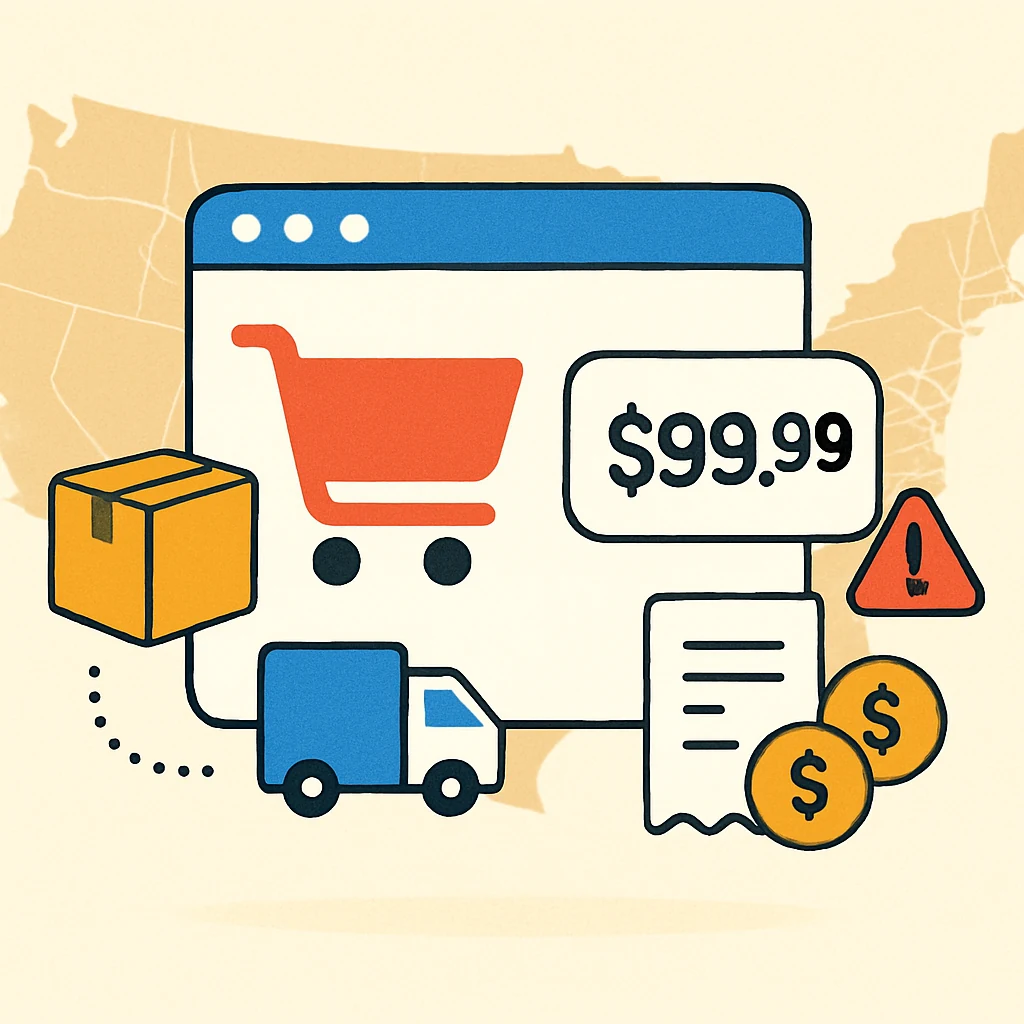
Pay Less at Checkout: Shipping, Tax & Fee Moves That Save Online
Deals aren’t just about price. Cut your total cost with smarter shipping, delivery, fee, and checkout tactics for US online shopping.
The price you see isn’t always the price you pay. In the US, shipping costs, sales tax, delivery fees, and “helpful” add-ons can turn a good-looking deal into an average one.
This guide is about saving money where it’s easiest to miss: the checkout page. Below is a prioritized set of moves—why they work and when to use them—so you can keep more of your budget without playing games.

1) Start with the total, not the sticker price (it changes the winner)
If you comparison-shop based on item price alone, you’ll often pick the wrong store. Two retailers can list the same product for the same price, but the final cost can swing because of:
- Shipping charges (or free shipping thresholds)
- Sales tax (varies by state and sometimes city/county)
- Handling, delivery, or “service” fees
- Marketplace seller shipping policies
Why it works: Your wallet only cares about the grand total.
When to apply: Any time you’re comparing the same item across retailers, marketplaces, or brand sites—especially for bulky items, low-priced items, or anything that might ship from a third-party seller.
A simple habit: keep two tabs open (or two carts) and go one step into checkout until you see shipping + tax. You can usually back out before paying.
2) Treat free shipping thresholds like a trap you can use (or avoid)
Retailers love free shipping minimums because they push you to add “just one more thing.” Sometimes that’s smart—sometimes it’s the most expensive way to save on shipping.
Why it works: It prevents you from overspending to “earn” free shipping.
When to apply: When you’re close to a free shipping threshold, or you’re buying small items that get hit with big shipping costs.
Here’s the practical approach:
- If you truly need another item soon (think household basics), adding it can be a reasonable move.
- If you’re adding random stuff you wouldn’t buy otherwise, compare the added cost vs. the shipping cost you’re trying to dodge.
- If the store has multiple shipping options, check whether a slightly slower delivery option drops the fee.
If you’re shopping on marketplaces, also watch for “free shipping” that quietly means “higher item price.” The total cost still wins.

3) Use pickup and ship-to-store options when shipping is the “hidden markup”
For lots of US retailers, buy online, pick up in store (or curbside pickup) can be the cleanest way to avoid shipping charges and reduce delivery headaches.
Why it works: It often removes shipping fees entirely, and it can make returns easier because you can bring the item back locally.
When to apply:
- When shipping is expensive (heavier items, oversized boxes, multi-packs)
- When you need something fast but don’t want to pay for expedited shipping
- When you’re unsure about fit/compatibility and want an easier return path
One extra win: pickup can help you avoid paying for porch risk (missed deliveries, weather, theft) that sometimes leads people into paid delivery upgrades.
4) Don’t pay for speed you don’t need—choose delivery windows on purpose
Expedited shipping is one of the most common budget leaks in online shopping. It’s easy to justify “just this once,” especially around holidays or last-minute gifts.
Why it works: Shipping upgrades can wipe out the savings from a promo code in one click.
When to apply:
- Anytime you’re not up against a real deadline
- During peak seasons (Black Friday/Cyber Monday week, pre-Christmas shipping crunch, back-to-school) when faster options may be costly and still not guaranteed
A good rule: if a slower option arrives within your acceptable window, pick it. If it doesn’t, check whether another retailer can deliver faster without an upgrade fee—especially if they have pickup.
5) Watch for “small” add-ons that inflate your cart (and decide fast)
Checkout flows are designed to add extras: protection plans, setup services, accessories, subscription trials, or “recommended” bundles.
Why it works: Those add-ons often have high margins, and they’re offered at the moment you’re most likely to say yes.
When to apply: Most of the time—especially on electronics, appliances, and kids’ items.
Before you click “Add,” ask:
- Is this required to use the product, or just nice-to-have?
- Can I buy the accessory elsewhere later if I actually need it?
- Does my credit card or the manufacturer already cover extended warranties or damage (check your terms)?
If you do want coverage, compare the retailer plan vs. manufacturer options and read the return policy on the plan itself. (Some are refundable within a window; others aren’t.)

6) Split vs. combine orders strategically (shipping, returns, and price changes)
“Combine orders to save” is good advice—until it isn’t.
Why it works: The cheapest total can come from separating items with different shipping timelines, sellers, or return risks.
When to apply:
- When you’re buying from a marketplace with mixed sellers
- When one item is backordered or ships later (it can delay the whole order)
- When one item is a “maybe” and another is a definite keep
Sometimes splitting helps you avoid paying to ship back a heavy item if you change your mind. Other times, combining helps you hit free shipping and keeps everything in one return window.
The key is intent: combine only when it reduces total cost or friction, not because the site nudges you to.
7) Use the retailer’s own tools: chat, price match, and shipping credits (when offered)
This isn’t about haggling. It’s about using policies and support channels that many US retailers already provide.
Why it works: Some issues (shipping charges, damaged packaging, late delivery) can trigger credits or adjustments under a retailer’s standard support process.
When to apply:
- If shipping charges seem wrong (e.g., you qualified for free shipping but it didn’t apply)
- If an item arrives late past the promised window (especially for time-sensitive orders)
- If you see the same retailer offering a different price/promo on the same item while you’re shopping
Keep it simple and polite. A short message like “I’m seeing X in my cart but the site shows Y—can you help?” is often enough to get clarity. If they can’t adjust it, you at least avoid guessing.
Quick tips you can use today
If you only change a few habits, make them these:
- Always check the total with tax + shipping before calling something a “deal.”
- Avoid paying for expedited shipping unless it changes the outcome (a real deadline).
- Use pickup when it’s available and convenient—especially for heavier items.
- Pause on add-ons at checkout; buy accessories later if you truly need them.
Seasonal timing: when checkout costs spike (and what to do)
Some seasons make shipping and delivery fees more painful.
Black Friday/Cyber Monday: Great item prices can come with shipping delays, marketplace seller weirdness, and out-of-stock substitutions. Favor retailers with clear delivery dates and straightforward returns.
Holiday gifting (late November–December): Expedited shipping becomes tempting. If you’re close to a deadline, consider pickup or buying from a retailer with faster standard shipping rather than paying for an upgrade.
Back-to-school: Common items (laptops, backpacks, dorm gear) can trigger accessory upsells. Decide what’s required vs. optional before you hit checkout.
Spring cleaning Ofertas home projects: Large items can come with freight-style fees. Check delivery charges early so you don’t fall in love with a price that won’t survive checkout.
Make it a repeatable habit
Your goal isn’t to “win” every purchase. It’s to stop losing money in predictable places.
Next time you shop, do one thing: open a second option and compare totals at checkout. After a few purchases, you’ll naturally start spotting which retailers are consistently cheaper after shipping and tax.
If you want more practical deal guides like this, start at our homepage: /.
FAQ
Is it ever worth paying for a shipping membership?
It can be—if you order often enough from that retailer and you’re actually using the benefits (shipping speed, streaming perks, member pricing). If you only order a few times a year, you may do better by planning purchases together, using pickup, or meeting free shipping thresholds intentionally.
Do “free returns” really mean free?
Not always. Some retailers cover return shipping; others only offer free returns to a store; some deduct shipping fees from refunds or exclude certain categories. Look for the return details on the specific item page, not just the site-wide headline.
Why does sales tax change between sites?
Sales tax depends on shipping address and local rules, and different retailers may calculate tax slightly differently depending on how items are categorized. The important part for deal shopping is comparing final totals, not pre-tax prices.
How can I avoid getting stuck with a marketplace seller’s bad shipping policy?
Before buying, check whether the item ships from the marketplace itself or a third-party seller, and scan the return and shipping terms. If the savings are small and the policy is messy, buying direct from a major retailer can be the cheaper choice in the long run.
What’s the safest way to compare deals quickly?
Use a “two-cart” check: add the item to cart on two sites, go to the step where shipping and tax appear, and compare the totals. It’s fast, and it catches fees that price listings don’t show.
You may also be interested

Cash Back or Coupon? Keep Your Online Savings From Disappearing
Learn when to use coupons, cash-back portals, or card offers—and how to avoid tracking mistakes before Black Friday and Cyber Monday.

Open-Box and Refurbished Deals: A Smarter Way to Shop Holiday Sales
Learn how to vet open-box and refurbished deals before Black Friday, from condition and warranties to battery health, seller quality, and gift readiness.

Discounted Gift Cards: 6 Mistakes That Can Erase Your Savings
Buying discounted gift cards for holiday shopping? Avoid balance problems, refund traps, and bonus-card restrictions before locking up your money.