

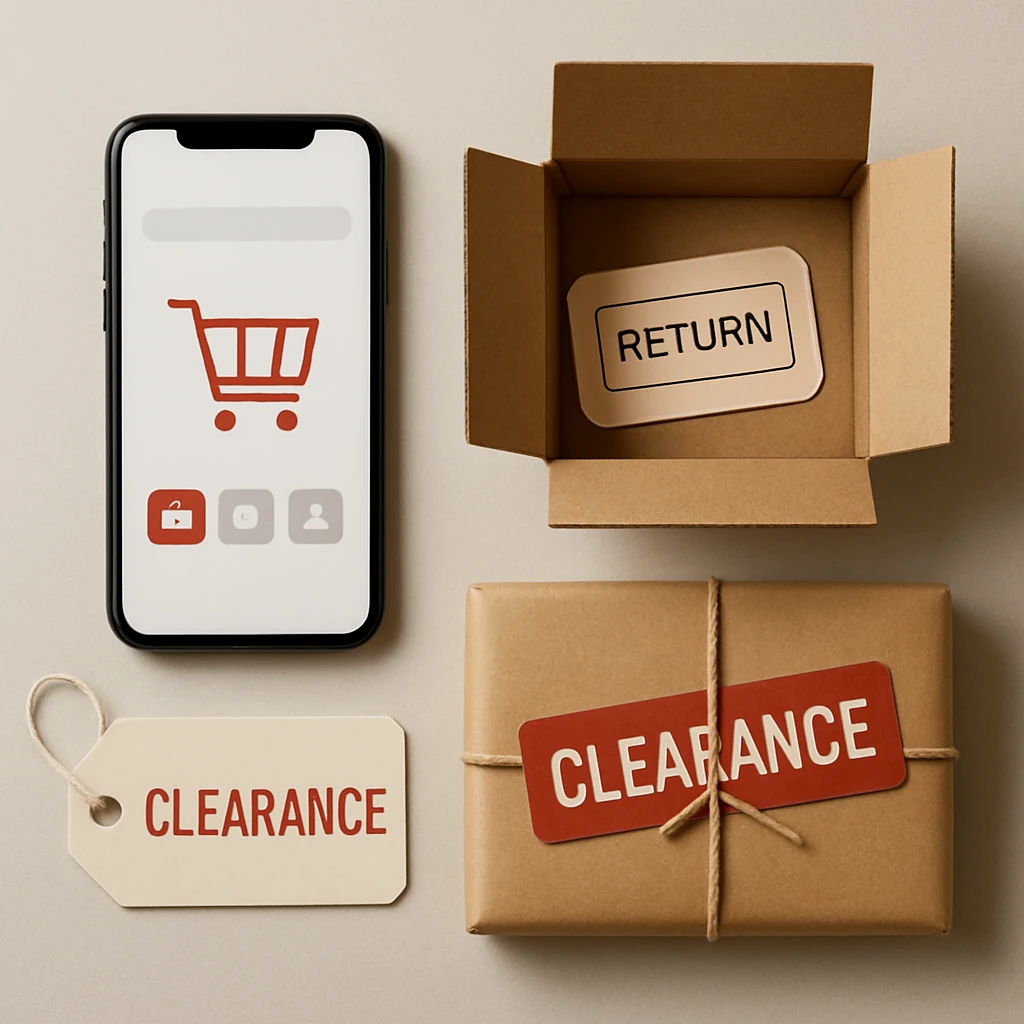
How to Find Unadvertised Online Deals (Outlet Pages, Open-Box & More)
Practical US guide to hidden online discounts: outlet pages, open-box, refurbished, app-only promos, and seasonal deal timing—without guessing.
Online deals aren’t always on the homepage banner. Some of the best price drops live in “quiet corners” of a site—outlet pages, open-box listings, or app-only promos you’ll never see if you just Google the product and hit “Buy.” This guide shows where those unadvertised deals usually hide, how to shop them safely, and how to avoid the traps that make a “discount” cost more.

Where do “unadvertised deals” usually hide?
A lot of retailers segment discounts so they don’t have to mark down the main product page (or so they can keep their regular pricing strategy intact). That’s why you’ll often see the best prices in places like outlet sections, clearance categories, and open-box listings.
Retailer outlet Ofertas clearance pages (not the same as a sale banner)
FAQ: What’s the difference between a sale page and an outlet page? A sale page is usually curated (limited SKUs, big marketing push). An outlet/clearance page is more like the retailer’s “price-reduction warehouse” online—often less polished, frequently updated, and sometimes searchable by condition, size, color, or packaging.
Practical move: if a site has a search bar, try searching “outlet,” “clearance,” “warehouse,” “final sale,” or “last chance.” Once you find it, bookmark it.
Open-box, “like new,” and returns inventory
FAQ: Is open-box worth it, or is it risky? Open-box can be a great value if you treat it like a different product category with different rules. It’s often customer returns, damaged packaging, or items used for display. The price can be strong, but the details matter more than the headline discount.
Before checking out, look for:
- Condition grade (new, like new, good, acceptable)
- What’s included (charger, cables, accessories, manuals)
- Return window (some open-box items have shorter returns)
- Warranty (manufacturer vs. seller)
If the listing is vague, that’s a sign to slow down.
Refurbished (manufacturer vs. third-party)
FAQ: “Refurbished” by whom—does it matter? Yes. “Manufacturer refurbished” usually means the brand (or its authorized partner) inspected and restored it, often with a defined warranty. Third-party refurb can still be fine, but you’ll want clearer policies and a reputable seller.
A good rule: when prices are close, prioritize the best warranty + easiest returns, not just the lowest number.
How do I find these deals fast (without endless scrolling)?
You don’t need to become a professional deal hunter—just use a couple of repeatable tactics.
Use the site search like a power tool
Try searching the product you want plus keywords that trigger deal inventory:
- “open box”
- “refurbished”
- “clearance”
- “bundle”
Then filter hard: condition, sold-by (retailer vs marketplace seller), and shipping speed.
Check the “sold by” line on marketplaces
FAQ: Why does “Sold by” matter for discounts? Because the best deal isn’t always the best outcome. On big marketplaces, the same item may appear under multiple sellers with different return policies, restocking fees, warranty coverage, and shipping timelines.
If you’re chasing a discount, still sanity-check:
- Returns (free returns vs. buyer pays return shipping)
- Restocking fee language
- Delivery date (not just “ships fast,” but the actual date)
Don’t skip the app (even if you hate shopping apps)
Some retailers quietly run app-only promos: extra percent off, early access during big events, or “mobile exclusive” coupon codes. You don’t need to keep the app forever—install, use it for the promo, then remove it if you prefer desktop.
FAQ: Are app-only deals real or just marketing? They can be real. The catch is you must compare the final checkout total (price + shipping + sales tax), and you should screenshot the promo terms in case it doesn’t apply as expected.
When should I look? US seasonal timing that actually helps
You already know about Black Friday and Cyber Monday. The lesser-talked-about win is using seasonal timing to target the right category—not just hoping for a random price drop.
FAQ: What’s a smart “seasonal hook” for deal hunting in the US? Think in shopping seasons:
- Back-to-school for laptops, backpacks, dorm basics
- Memorial Day Ofertas Labor Day for home goods and mattresses (common promo periods)
- Prime Day-style mid-summer events for electronics and household items (varies by retailer)
- Post-holiday Ofertas January for clearance and “new year” reset categories
You don’t need to memorize a calendar. Just ask: Is this a thing people buy right now—or is it about to be rotated out? Rotated-out inventory is where clearance lives.

How do I avoid “fake” hidden deals?
Unadvertised doesn’t automatically mean good. Some discounts are simply disguised price games.
Watch for the “accessories missing” problem
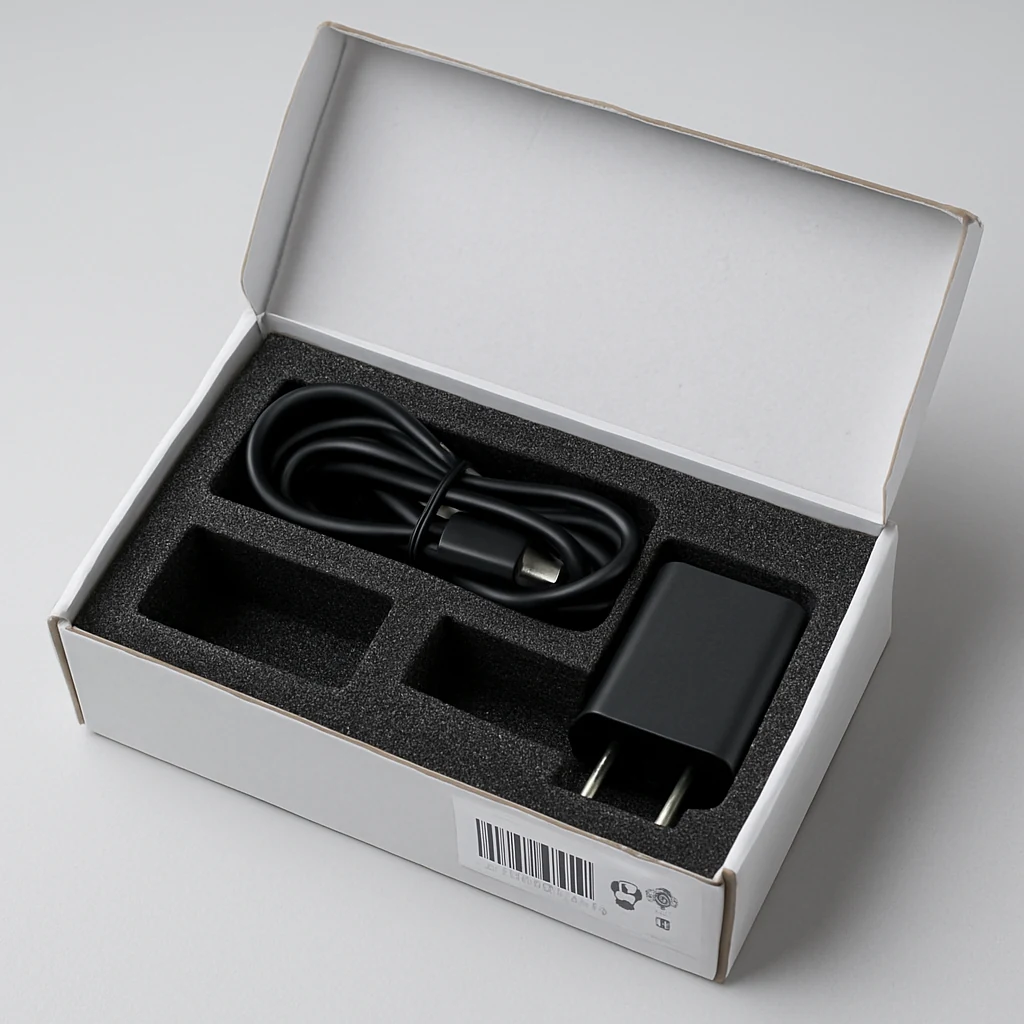
Open-box and refurbished deals can look amazing until you realize you need to buy a charger, remote, mount, or proprietary cable separately. That add-on can erase your savings quickly.
FAQ: What should I check before buying open-box electronics? Confirm what’s in the box and whether the device needs a specific accessory to work fully. If the listing doesn’t say, look for Q&A, product details, or choose a different listing that’s explicit.
Compare the total, not the sticker price
Even when the deal is real, checkout can change the math. Shipping, sales tax, and paid return shipping (if you change your mind) can turn a “deal” into a regret.
If you want more checkout-focused strategies, you can also browse more saving guides at / and build a system that fits how you shop.
Be careful with “final sale” language
FAQ: Is final sale always a bad idea? Not always, but it’s riskier. Final sale can be fine for something you’ve bought before (same size, same model) or for non-critical items. For anything that might arrive with cosmetic wear, missing parts, or sizing uncertainty, final sale is usually where you can’t fix a mistake.
Quick tips (use these before you hit “Place order”)
- If the discount is tied to condition (open-box/refurb), read the condition notes twice.
- If it’s a marketplace listing, confirm who handles returns (seller vs platform).
- If you’re using an app-only promo, check whether it excludes certain brands or categories.
- If you’re buying a “bundle,” verify each item’s normal price elsewhere so the bundle isn’t padding value.
FAQs people ask when deal pages get confusing
“Is it better to buy directly from the brand or from a big retailer?”
It depends on what you value. Brand-direct can be stronger on warranty clarity and official refurbished programs. Big retailers can be easier for fast shipping and straightforward returns. For unadvertised deals, choose the option with the simplest policy you’ll actually use.
“How do I know if a refurbished item will last?”
No one can promise longevity, but you can reduce risk by prioritizing:
- Clear warranty terms
- Easy returns
- Transparent condition grading
If those are missing, treat it as a gamble—not a deal.
“Do unadvertised deals stack with coupon codes?”
Sometimes, but not reliably. Outlet and clearance items are often excluded from promo codes. The practical approach is to add to cart and test the code quickly. If it doesn’t apply, don’t waste time—focus on the best total price with solid return coverage.
“Should I wait for Black Friday instead of buying now?”
If you need the item now, buying a solid open-box/refurb deal with good returns can be smarter than waiting months. If it’s a want-not-need purchase (and the category is known for seasonal promos), waiting can make sense. The key is not guessing—shop the deal pages now, and if you don’t see a price you’re happy with, set a reminder to check again during the next major sale window.

The takeaway: treat hidden deals like a separate aisle
Unadvertised deals can be some of the best values online—if you shop them like a separate aisle with its own rules. Outlet pages, open-box listings, and refurbished inventory reward shoppers who read the fine print, compare the full checkout total, and prioritize returns and warranty over hype.
Next time you’re about to pay full price, don’t just search the product name. Search the deal inventory first.
You may also be interested

Cash Back or Coupon? Keep Your Online Savings From Disappearing
Learn when to use coupons, cash-back portals, or card offers—and how to avoid tracking mistakes before Black Friday and Cyber Monday.

Open-Box and Refurbished Deals: A Smarter Way to Shop Holiday Sales
Learn how to vet open-box and refurbished deals before Black Friday, from condition and warranties to battery health, seller quality, and gift readiness.

Discounted Gift Cards: 6 Mistakes That Can Erase Your Savings
Buying discounted gift cards for holiday shopping? Avoid balance problems, refund traps, and bonus-card restrictions before locking up your money.