


Save Money After You Buy: Price Adjustments, Returns, and Timing
A practical US guide to post-purchase savings: price adjustments, return windows, holiday policies, and safe “return & rebuy” tactics.
Online deals don’t end at checkout. In the US, a lot of savings happens after you place the order—if you use return windows, price adjustments, and seasonal policies the right way (without turning it into a headache).
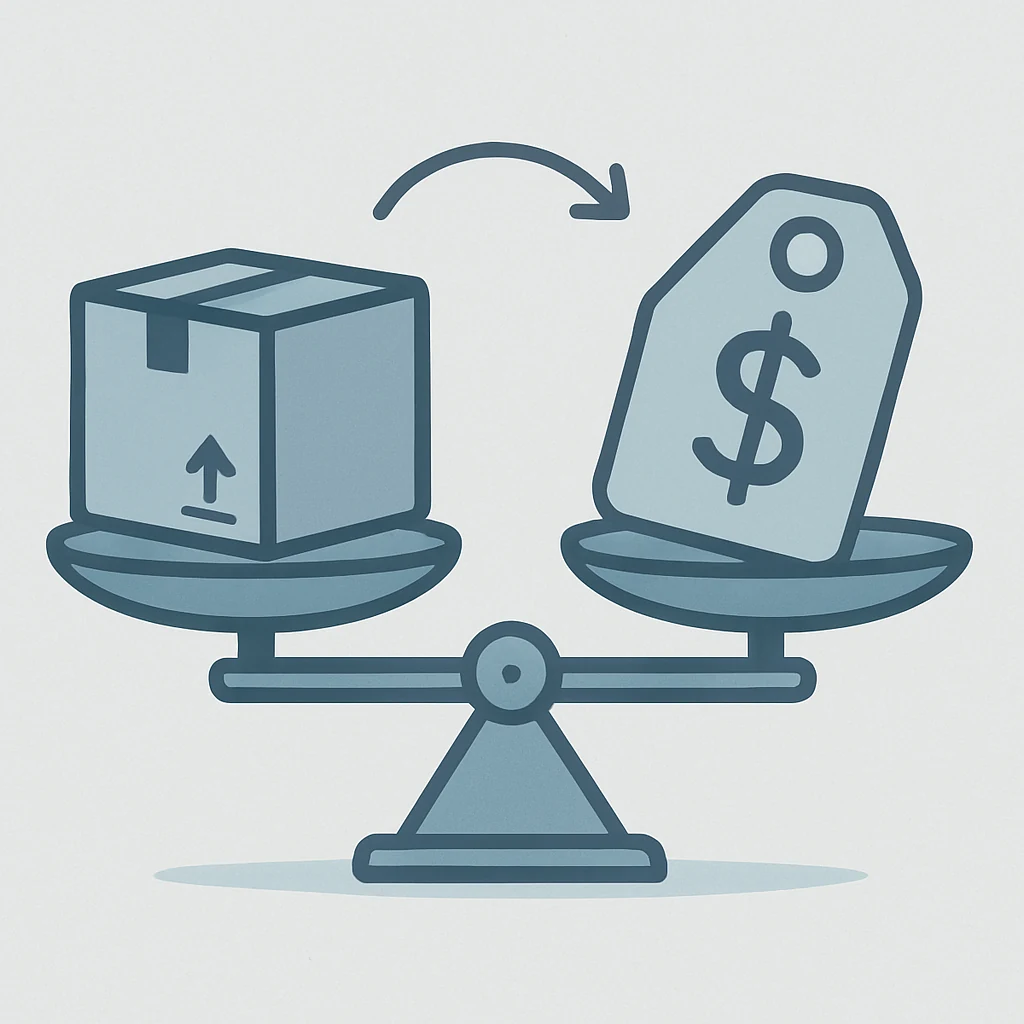
The overlooked savings lever: your post-purchase window
Retailers compete on price, but they also compete on convenience—fast shipping, easy returns, and smooth customer support. Those policies can quietly become your “second chance” to get a better price.
The goal isn’t to game the system. It’s to shop confidently: buy when you need the item, and still protect yourself if the price drops next week, shipping gets delayed, or the product doesn’t match the listing.
What follows is a prioritized set of strategies, with why they work and when to use each.
1) Check for a price adjustment policy before you click “Place order”
Many US retailers will match their own price if it drops shortly after you buy. Sometimes it’s called a “price adjustment,” “price guarantee,” or it’s buried in the returns/price match page.
Why this saves money: it’s the cleanest way to get the lower price without returning anything, repacking boxes, or risking an out-of-stock situation.
When to use it:
- You’re buying something that often fluctuates (small appliances, headphones, bedding, tools, brand-name sneakers).
- You’re buying close to a known promo window like Memorial Day, Prime Day season, Labor Day, or Black Friday/Cyber Monday.
- You’re buying a gift but don’t want to play “will it be cheaper later?”
A practical habit: take a screenshot of the product page and your order confirmation (showing item, price, date). If the price drops, you have what you need for a quick chat/email.
2) Use “return & rebuy” only when it’s truly worth the effort (and do it safely)
If there’s no price adjustment—or the retailer refuses—some shoppers do a “return and rebuy” (order at the new lower price, then return the original). This can work, but it’s not always the smart move.
Why this saves money: it forces the lower price when the store won’t honor it.
When to use it:
- The savings is meaningful after considering shipping, return shipping, and sales tax rules.
- The item is easy to repack and return (shoes, apparel, small home items).
- You’re still inside the return window and you can keep everything in “resellable” condition.
How to avoid common pitfalls:
- If you got free shipping because you hit a minimum order threshold, returning one item can trigger new shipping charges on what you keep.
- Some returns refund the item price but not the original shipping fee.
- Sales tax handling varies by state and retailer; your refund may not line up exactly with what you expect if part of the order changes.
If you do this, keep it tidy: use the same payment method, keep tracking numbers, and don’t drag it out. The longer you wait, the more likely you miss the window or the item goes out of stock.

3) Treat return windows like a calendar—especially around the holidays
In the US, return policies often shift seasonally. The most shopper-friendly period is usually the holiday stretch, when many stores extend returns for gift purchases (but not always for every category).
Why this saves money: a longer return window reduces the “rush decision” tax. You can buy during a strong sale and still have time to confirm fit, compatibility, or whether the gift recipient actually wants it.
When to use it:
- October through December shopping, especially for gifts.
- Big-ticket items you need time to evaluate (office chairs, mattresses, monitors, kitchen gear).
- Tech purchases that might see a better promo closer to Black Friday/Cyber Monday.
Two practical moves:
- Save the return policy page (or take a screenshot) on the day you buy.
- Put a reminder on your phone for a week before the return deadline.
This avoids the classic situation where you could return, but you missed the date by two days.
4) “Ship time” matters: don’t let a slow delivery shrink your real return window
A return policy might say “30 days,” but what matters is whether that clock starts at purchase date, ship date, delivery date, or when the item is picked up.
Why this saves money: if you’re buying during a peak season (holiday shipping, back-to-school rush), delays can effectively shorten your time to evaluate. That increases the odds you keep something you shouldn’t.
When to use it:
- Any time shipping is unpredictable (major sale events, winter storms, carrier delays).
- When you’re buying something you need to test properly (networking gear, smart home devices, printers).
If you’re close to a deadline, document everything: delivery date, any carrier delay notices, and photos if the package arrived damaged. It can help if you need an exception.
5) Know which categories are “final sale” (or sneakily not returnable)
A deal can look amazing until you realize the item can’t be returned—or returns are only for store credit.
Why this saves money: the cheapest item is rarely the best value if you’re stuck with it.
When to be extra careful:
- Clearance items, flash deals, and “doorbuster” style promos
- Personal care, opened consumables, intimate apparel
- Digital goods, software keys, some downloadable content
- Large items that may have restocking fees or complicated pickup returns
Before you buy, scroll for the phrases that matter: “final sale,” “restocking fee,” “return shipping deducted,” “must be unopened,” or “original packaging required.”
6) Use your payment method as a safety net (not just a way to pay)
Some credit cards and payment services add protection layers: dispute processes for items not received, items not as described, or damaged deliveries. Some cards also offer extended warranty benefits. Availability depends on the issuer and your specific card—so check your benefits guide.
Why this saves money: protections can save you from paying for a product that never shows up, arrives broken, or can’t be returned cleanly because of seller problems.
When to use it:
- Marketplace purchases (third-party sellers)
- Higher-risk categories like electronics accessories, “too-good-to-be-true” branded items, or hard-to-verify sellers
A smart practice is to keep all order emails in one folder and take quick photos when unboxing anything expensive.

7) Don’t ignore “partial refunds” when something’s off—but you still want to keep it
Sometimes the item arrives with cosmetic damage, missing parts, or packaging issues, but it still works and you’d rather not return it.
Why this saves money: if the seller offers a partial refund, you keep the item and pay closer to its real condition—without the time cost of a return.
When to use it:
- Minor cosmetic issues on non-gift items
- Missing low-cost accessories you can replace easily
- Box damage on items where the packaging doesn’t matter
Be straightforward and specific with customer service: include photos, describe what’s wrong, and state what outcome you want (replacement part, partial refund, or return label).
8) Watch out for the “post-purchase trap”: subscriptions, bundles, and add-ons
A checkout discount can be offset by something that starts later: auto-renew subscriptions, accessories you didn’t need, or add-on warranties that duplicate coverage you already have.
Why this saves money: you protect the deal you thought you were getting.
When to use it:
- Any time you buy from a brand site offering “extra savings” for signing up
- Free trials bundled with devices or services
- “Protection plans” offered at checkout
Quick habit: review your order confirmation line-by-line the same day. If something slipped in, it’s easier to cancel immediately than to fight for a refund later.
9) Make sales tax and shipping part of the deal calculation—especially when comparing retailers
In the US, your out-the-door total can swing based on sales tax, shipping fees, and return shipping policies.
Why this saves money: the lowest listed price isn’t always the lowest delivered price, and returns can change the math.
When to use it:
- When comparing big-box retailers vs. brand sites
- When one store offers free shipping but charges return shipping
- When the item is bulky (vacuum cleaners, furniture, large pet supplies)
If you’re shopping multiple stores, compare totals at the final checkout step (before paying). That’s where shipping, tax, and promo codes reveal the real winner.

FAQ (quick answers shoppers actually need)
Is it rude to ask for a price adjustment?
No—if the store has a stated policy, you’re just using it. Keep it simple: order number, current price link, and a polite request.
What if the deal is now “sold by a different seller” on a marketplace?
Price adjustments usually apply to the same retailer/seller and the same item condition. If the lower price is a third-party listing, you may not be able to match it.
Will returning one item mess up my promo?
It can. If your order had a “spend $X, get $Y off” style promo, returning part of the order may reduce or reverse the discount. Check the promo terms and your updated refund breakdown.
Should I keep boxes and packaging?
For most returnable purchases, yes—at least until you’re sure you’re keeping it. Original packaging can matter for electronics and higher-end items.
Where can I learn more deal strategies beyond returns?
If you want more practical shopping guides, start at the homepage: /
A simple action plan for your next order
Before your next purchase, spend two minutes doing this: check the return window, look for a price adjustment policy, and set a calendar reminder a week before the deadline. If the price drops or the item disappoints, you’ll have a clear path to save money—without scrambling.
You may also be interested

Cash Back or Coupon? Keep Your Online Savings From Disappearing
Learn when to use coupons, cash-back portals, or card offers—and how to avoid tracking mistakes before Black Friday and Cyber Monday.

Open-Box and Refurbished Deals: A Smarter Way to Shop Holiday Sales
Learn how to vet open-box and refurbished deals before Black Friday, from condition and warranties to battery health, seller quality, and gift readiness.

Discounted Gift Cards: 6 Mistakes That Can Erase Your Savings
Buying discounted gift cards for holiday shopping? Avoid balance problems, refund traps, and bonus-card restrictions before locking up your money.