


Ranked: 7 Online Savings Moves That Actually Save You Money
Stop chasing tiny coupon codes. Use this ranked list of 7 high-impact online savings moves to cut your costs on almost every order.
If you ever spent 15 minutes hunting a promo code that saved you $2, you know: not every 'deal hack' is worth your time.
This guide flips the script. Instead of listing every possible trick, it ranks the 7 highest-impact online savings moves by how much they usually help and when they’re actually worth doing.
Use it like a checklist in your head before you hit Place order.
How to use this priority list
Think of these moves as a ladder:
- The top items give you the biggest savings for the least effort.
- The later ones are powerful, but more situational or time-consuming.
On a normal weekday Target or Amazon order, you might only use #1–#3. For big events like Black Friday Ofertas Cyber Monday or back-to-school, you layer in more steps because the payoff is bigger.
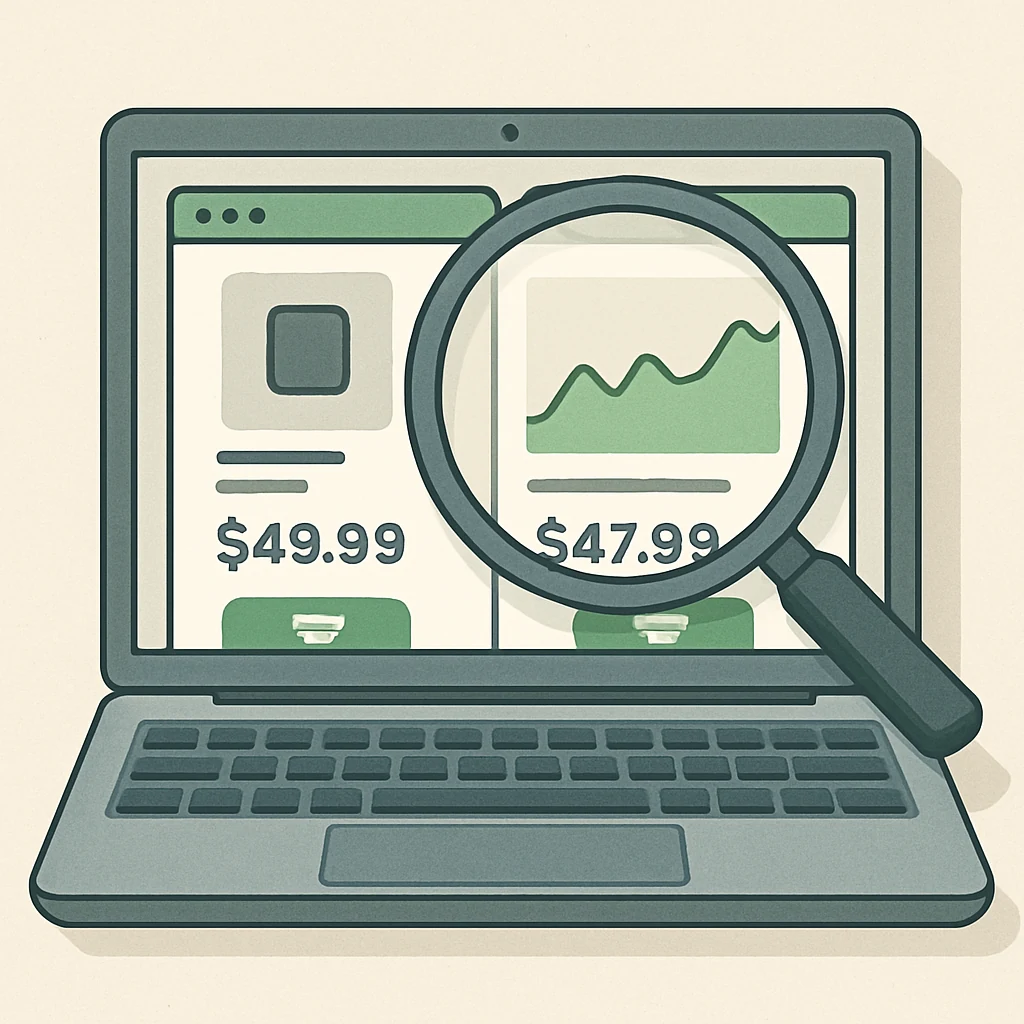
#1: Check the real price (history + comparisons)
If you only do one thing before paying, do this.
Most people compare prices across stores. Fewer people check whether the current price is actually good compared to the last few months.
Why it matters Online retailers in the US change prices constantly. A '20% off' banner can still be more expensive than last week’s price with no banner at all.
What to do in practice:
- Use a price comparison or shopping tab in your browser to see if a rival store beats the price, especially for electronics, appliances, and branded gear.
- Use a price history tool or browser extension that shows how the price moved over time on major sites. You’ll quickly see if this is the lowest it’s been in a while or just average.
When to apply it Always on higher-ticket buys (think $75+):
- Laptops, monitors, tablets
- Kitchen appliances and vacuums
- Branded sneakers, outdoor gear, luggage
For a $12 bottle of shampoo, you probably skip this step. For a $600 TV, it’s non‑negotiable.
#2: Time your buy around US sale cycles
You don’t have to memorize retail calendars, but knowing the big patterns helps a lot.
Why it matters In the US, certain categories reliably get better deals around certain events. You don’t need spreadsheets; just a rough mental model.
Typical patterns:
- Black Friday & Cyber Monday: Big on TVs, laptops, headphones, small kitchen appliances, smart home gadgets.
- Back-to-school (late July–September): Laptops, Chromebooks, basic furniture, dorm essentials, backpacks.
- Spring & summer sales (Memorial Day, July 4th, Labor Day): Outdoor furniture, grills, tools, patio decor.
- Big retailer events (Prime-style days, anniversary sales): Electronics, housewares, fashion basics.
When to apply it If you’re within a few weeks of these events and the purchase is want, not need, wait and watch:
- Add the item to your cart or wishlist on your favorite sites.
- Turn on price alerts where available.
- Check for early access or preview deals the week before big sale weekends.
If you need it now (your fridge died, your kid starts school next week), move on to other tactics rather than waiting for the perfect day.
#3: Stack store rewards, cash back, and your card smartly
Coupons get all the attention, but quiet background rewards often save more across a year.
Why it matters A solid stack might look like this on one order:
- Store rewards (like 5% back in a retailer’s own program), plus
- A cash-back portal, plus
- A credit card that earns rewards on online shopping or that store
None of these feel dramatic on a single $40 order, but across groceries, household items, and tech, the yearly savings in USD can be very real.
When to apply it Make this your default habit for repeat stores:
- Sign up only for rewards programs at places you shop regularly (Target, Walmart, your go-to clothing store, favorite beauty site). Skip clutter from one-off shops.
- Before checkout, take 10 seconds to ask: 'Did I start from a cash-back portal?' If not, and the cash back rate looks decent, back up and re-enter via that portal.
- Use a card that plays well with your biggest spend categories (online shopping, groceries, gas) instead of chasing niche bonus categories you’ll forget about.

#4: Use coupons and promo codes where they count most
Promo code hunting is where people waste the most time for the least money.
Why it matters Not all categories are equal. Some US retailers almost always have a code floating around; others rarely do.
Focus your energy on:
- Fashion and shoes
- Beauty and skincare
- Home decor and bedding
- Photo printing, personalized gifts
These categories run constant promos like 15–25% off or 'buy more, save more'. Meanwhile, many electronics brands have tight margins and rarely offer meaningful codes.
When to apply it On orders where you expect a code to exist, follow this fast routine:
- Look for a 'Promo' or 'Offers' link in the site’s header or footer.
- Check the cart page for auto-applied deals (some US sites apply the best code for you).
- If nothing appears, a quick search for the store name + 'coupon' can be worth 30–60 seconds.
Set yourself a time limit. If you don’t see anything legit after a quick skim, stop. Don’t burn 10 minutes chasing a code that isn’t there.
#5: Play the abandoned-cart and welcome-offer game (selectively)
You don’t need to give every site your email. But for certain buys, it’s worth it.
Why it matters Many US retailers:
- Offer a first-order discount when you sign up for email or SMS.
- Send a nudge (sometimes with a code) if you add items to your cart and leave.
Used well, this easily beats whatever random public code you’d find on a coupon site.
When to apply it Use this move when:
- You’re making a first purchase from a store you might shop again.
- The order is big enough that 10–20% off is real money, not pocket change.
Practical approach:
- Create a separate email just for deals and newsletters.
- Sign up, grab the welcome discount, then decide later whether to stay on the list.
- If you’re not in a rush, add items to cart, go to the last step of checkout, then close the tab and wait a day or two. Check your email for a possible reminder offer.

#6: Bundle smartly around shipping and sales tax
Many US shoppers only look at the item price, then get surprised at shipping and sales tax at checkout.
Why it matters A 'free shipping over $35' threshold can change how you build your cart. You might also be paying shipping for items you’ll need again in a month or two.
Note: You’ll pay sales tax based on your shipping address in most US states, regardless of the store, so jumping to a random site rarely removes tax entirely.
When to apply it On stores you use regularly:
- Make a running list of non-perishables you buy often (pet food, cleaning supplies, toiletries, coffee pods, paper goods).
- When you’re a bit under the free-shipping threshold, check that list instead of tossing in something random you don’t really need.
- Occasionally, compare the total out-the-door cost (items + shipping + tax) between two major retailers. A slightly higher item price with free shipping can still be cheaper overall.
This is less sexy than flashing a 20% off code, but consistently smarter.
#7: Use guides, reviews, and communities to avoid bad buys
Sometimes the best 'discount' is not buying the wrong thing.
Why it matters Returning online orders in the US often means:
- Paying return shipping on some sites
- Waiting for refunds to hit your card
- Wasting time printing labels, repacking, and dropping off boxes
If a quick bit of research helps you buy the right item the first time, you avoid that hassle and the temptation to accept store credit you didn’t really want.
When to apply it Whenever you’re buying something you’ll use for a while:
- Electronics, furniture, kitchen gear
- Mattresses, office chairs, seasonal gear like winter coats or boots
Before you buy:
- Skim a recent buying guide from a source you trust.
- Read a mix of 5-star and 1–2-star reviews to see consistent patterns, not just one-off complaints.
- If it’s a bigger purchase, search on Reddit or similar communities to see real-world experiences.
Sites like ours at our homepage often highlight not just low prices, but which models or bundles are actually a good value for most people.

One small move to start today
You don’t need to use every tactic on every order. That’s how deal-hunting turns into a part-time job.
Instead, pick one high-impact habit to adopt this week:
- If you buy a lot of stuff online: start always checking price history for anything over $75.
- If you shop the big US sale events: start building wishlists a few weeks before Black Friday, Cyber Monday, and major summer holiday sales.
Layer in the rest over time. The goal isn’t to win some imaginary 'best shopper' trophy. It’s to quietly keep more of your money in your account, one smart cart at a time.
You may also be interested

Cash Back or Coupon? Keep Your Online Savings From Disappearing
Learn when to use coupons, cash-back portals, or card offers—and how to avoid tracking mistakes before Black Friday and Cyber Monday.

Your 30-Minute Online Deal System (That Works All Year)
A practical, step-by-step system to catch real online deals in the US—using wishlists, alerts, total-cost checks, and smart timing.

Coupon Stacking Online: 7 Mistakes That Kill Your “Deal”
Learn how to stack coupons, cashback, and promos the smart way—without losing returns, paying more at checkout, or falling for sketchy codes.