


9 Online Deal-Hunting Mistakes That Kill Your Savings
Stop overpaying online. Avoid these common deal-hunting mistakes and learn smarter coupon, comparison, and Black Friday strategies.
Scoring great online deals is less about finding a single magic coupon and more about avoiding the little mistakes that quietly drain your wallet.
If you ever spent 30 minutes hunting a promo code to save $2, or got burned by a “50% off” deal that wasn’t really a deal, this guide is for you.
We’ll walk through the most common online deal-hunting mistakes shoppers in the U.S. make, and what to do instead—step by step, in plain English.
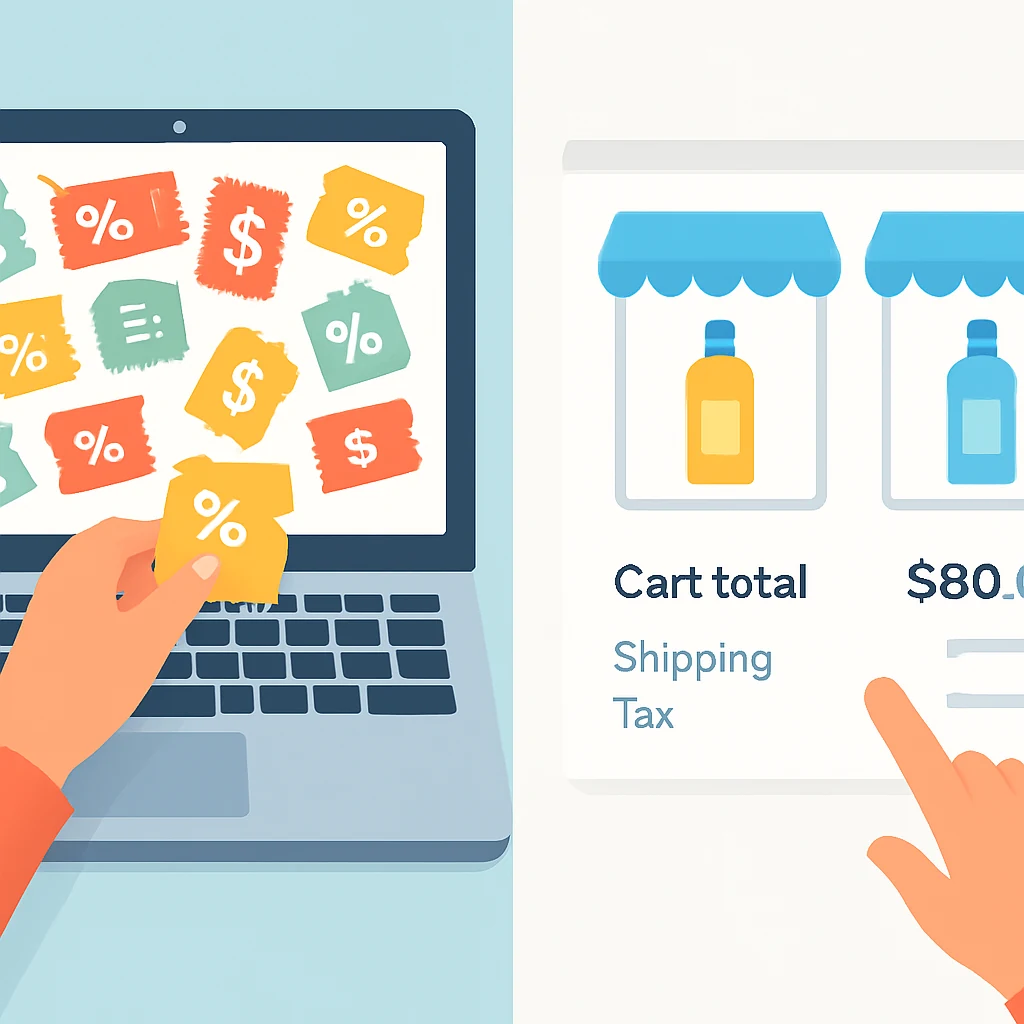
Mistake #1: Chasing Every Coupon Instead of the Best Final Price
Many people start with “What coupon can I find?” instead of “What’s the lowest final price I can get?” That’s how you end up paying more at Store A with a 20% off code than at Store B with no code at all.
Coupons feel exciting, but they can distract you from the total cost. Shipping, tax, handling fees, and minimum spend requirements matter more than a flashy percentage.
A better approach is to compare the out-the-door price. Put the item in the cart at two or three major retailers, apply any easy-to-find codes, and look at the total after tax and shipping. Only then decide if it’s worth digging deeper for an extra code.
If an extra five minutes might save you several dollars, go for it. If you’re hunting for a tiny discount on a low-value item, your time is usually worth more.
Mistake #2: Falling for Fake Discounts Without Checking Price History
“Was $199, now $89!” sounds amazing—until you realize nobody ever actually sold it for $199.
Many retailers anchor you with a high “original” price that the item barely stayed at. Without context, a 50% discount can be either an incredible deal or completely average.
You don’t need exact data to protect yourself. Instead, do two simple things.
First, search the exact product name on a couple of major sites and marketplaces. If everyone else is selling it for about the same “sale” price, it’s probably just the normal price dressed up as a huge discount.
Second, when possible, check price history through a price-tracking site or browser tool. There are plenty that show how a price has moved over time. If the price drops every weekend or before every big sale, you’ll know you don’t have to panic-buy right now.
Mistake #3: Treating Black Friday and Cyber Monday as Your Only Shot
Black Friday and Cyber Monday are big, but they’re not the only days to save. Many brands now spread deals across several weeks, or even run “Black Friday” style events multiple times a year.
If you wait all year for that one weekend, you might:
- Miss solid discounts earlier in the season
- Compete for items that sell out fast
- Get overwhelmed and panic-buy stuff you don’t need
A smarter strategy is to plan your big purchases (electronics, furniture, appliances, higher-end fashion) and watch them across multiple sale periods. Subscribe to a couple of store newsletters for the brands you actually buy from, not every pop-up that appears. When you see a genuine drop that fits your budget, you don’t have to wait for a particular day on the calendar.

Mistake #4: Ignoring Taxes, Fees, and Return Policies
An “amazing” deal can turn into a headache once you add tax, shipping, and return costs.
Some stores show a low price but add expensive shipping or weird handling fees at the last step of checkout. Others offer free shipping but charge for returns, or only give you store credit.
Before you get too excited about a deal, skim three things: estimated tax and shipping, return window length, and who pays return shipping. That last one is big for shoes, clothing, and anything where fit matters.
If you’re choosing between two similar deals, the one with a longer return window and free returns is usually worth a few extra dollars up front. You’re buying flexibility, and that often saves you from keeping something you don’t really want just to avoid return costs.
Mistake #5: Letting Coupon Extensions Make Every Decision
Browser extensions that auto-apply coupon codes can be helpful—but they’re not magic, and they’re not neutral.
Some extensions prioritize codes that pay them commission, even if those aren’t the absolute best for you. Others may cause a cashback site or store rewards to stop tracking correctly because they overwrite the referral.
Use them, but don’t let them be the only step. If you’re making a bigger purchase, double-check:
Try opening a separate browser or an incognito window, visiting through your preferred cashback site or loyalty program first, and then applying coupon codes manually. Spending two extra minutes this way can mean you keep your rewards and still get the discount.
Mistake #6: Forgetting to Stack Rewards You Already Have
Many U.S. shoppers leave money on the table simply by not stacking the rewards in front of them.
You might have:
- A store rewards account
- A cashback or rewards credit card
- A limited-time card offer in your banking app
- A rebate from a cashback site or app
When they’re allowed together, you can often combine them. A simple order of operations is: log in to your store account, click through from your preferred cashback platform if you’re using one, apply a reliable coupon at checkout, and pay with a rewards credit card you can pay off in full.
Always check the terms, though. Some stores don’t combine certain codes with cashback or points. If it’s a big purchase, it can be worth comparing: is a large coupon or the long-term rewards worth more to you?
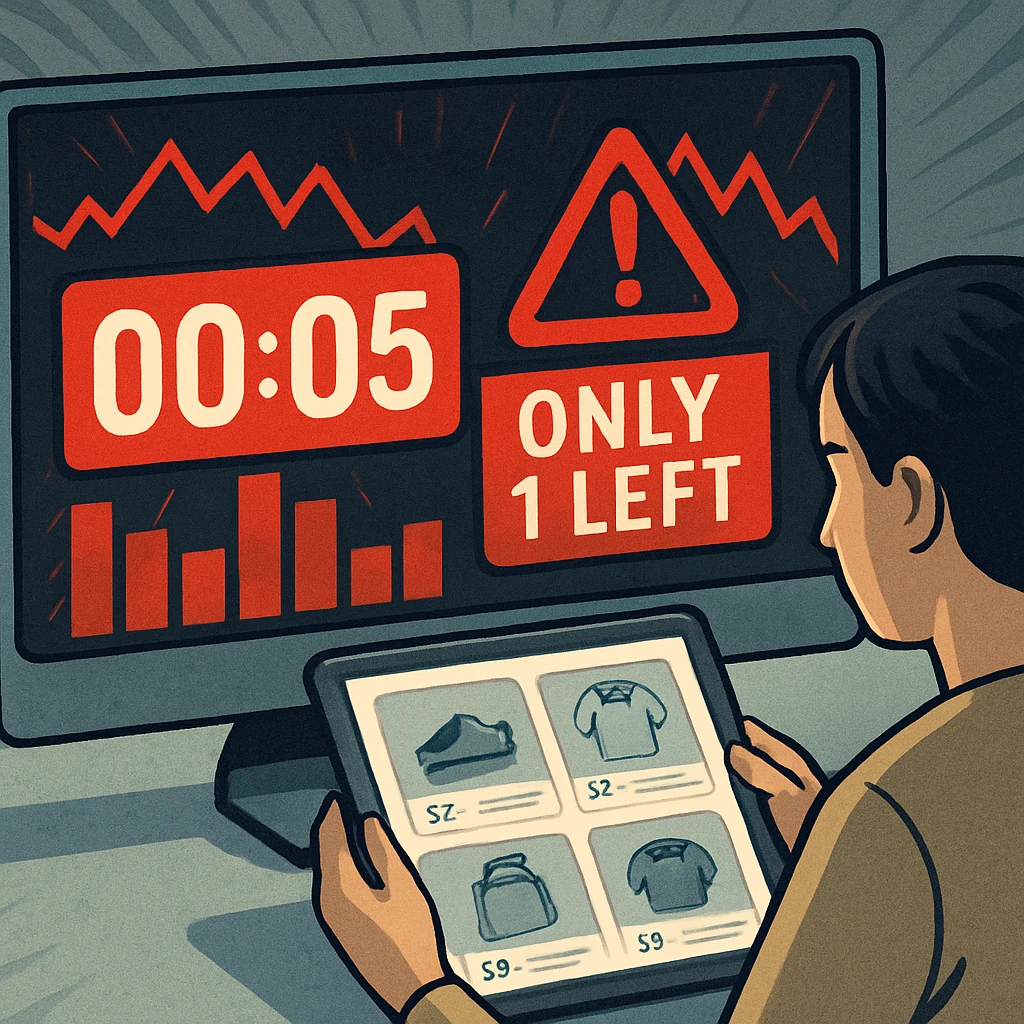
Mistake #7: Believing Every Countdown Timer and “Only 1 Left” Warning
Scarcity works. “Only 1 left in your size!” and countdown clocks are designed to get you to skip comparison shopping and click Buy Now.
Sometimes those warnings are real—for truly limited stock, seasonal items, or small-batch products. Other times, they reset for the next person within minutes.
You can protect yourself by deciding in advance what you want and what you’re willing to pay. If a timer is ticking but you already know “This is my maximum price for this item,” it’s easier to walk away when the deal doesn’t quite reach it.
For bigger impulse buys, try a simple rule: if it’s not something you planned to buy, wait at least 24 hours. If you still want it the next day after a quick price comparison, then decide.
Mistake #8: Ignoring Smaller Retailers and Official Brand Sites
It’s convenient to default to the big marketplaces and major chains, but that habit can cost you.
Smaller retailers and official brand sites sometimes run exclusive bundles, extended warranties, or loyalty bonuses that don’t appear anywhere else. They may also quietly price-match or beat big platforms during peak sale seasons, especially around major holidays and back-to-school periods.
The catch: you need to be sure you’re buying from a legitimate store. Before ordering, scan reviews on multiple sites, check how long the business has been around, and look at their contact info and return policy. If something feels off—no clear address, vague policies, very poor or nonexistent reviews—don’t risk your money for a small discount.
When everything checks out, those smaller or direct sites can be where you find the real hidden deals.
Mistake #9: Spending an Hour to Save 50 Cents
Deal-hunting can turn into a game. It’s easy to sink lots of time into chasing tiny savings, especially when you start combining coupons, apps, and email offers.
There’s nothing wrong with enjoying the hunt, but your time has value. One way to stay sane is to set a personal rule: below a certain savings amount, you don’t research further.
For example, you might decide that if you’re not saving at least a few dollars on a small order, or a more meaningful amount on a big-ticket item, you won’t open a new tab to dig for yet another code. This keeps you focused on the wins that actually matter over weeks and months of shopping, not just a single transaction.

Turn Smarter Deal-Hunting Into a Simple Habit
You don’t need to turn your life into a part-time coupon job. A simple routine can protect you from most of these mistakes without taking much effort.
Before bigger online purchases, pause for a moment and run through a short mental checklist: have you compared the final price at at least two stores, skimmed the return policy, and considered any rewards or cashback you can stack without breaking the rules? Are you buying because it’s a deal, or because you actually needed it?
If you build that into your normal shopping flow, the savings add up quietly in the background. You’ll grab the real bargains, skip the fake ones, and stop feeling like you have to camp every single sale.
And when you want fresh ideas on where to look next, you can always browse our latest guides and strategies on our homepage at [/].
You may also be interested

Cash Back or Coupon? Keep Your Online Savings From Disappearing
Learn when to use coupons, cash-back portals, or card offers—and how to avoid tracking mistakes before Black Friday and Cyber Monday.

Your 30-Minute Online Deal System (That Works All Year)
A practical, step-by-step system to catch real online deals in the US—using wishlists, alerts, total-cost checks, and smart timing.

Coupon Stacking Online: 7 Mistakes That Kill Your “Deal”
Learn how to stack coupons, cashback, and promos the smart way—without losing returns, paying more at checkout, or falling for sketchy codes.