


Set a “Buy Price” and Let Deals Come to You (US Online Shopping)
Stop chasing random promos. Use a simple buy-price plan, alerts, and US sale seasons to land real online deals without stress.
Most “deals” online aren’t really deals—they’re just noise. The trick that saves the most time (and usually the most money) is flipping the process: pick your buy price first, then let price alerts and sale seasons do the chasing.
This approach is especially useful in the US, where prices can change fast, sales tax varies by state, and the same item can bounce between “free shipping,” store pickup, and different return windows depending on the retailer.
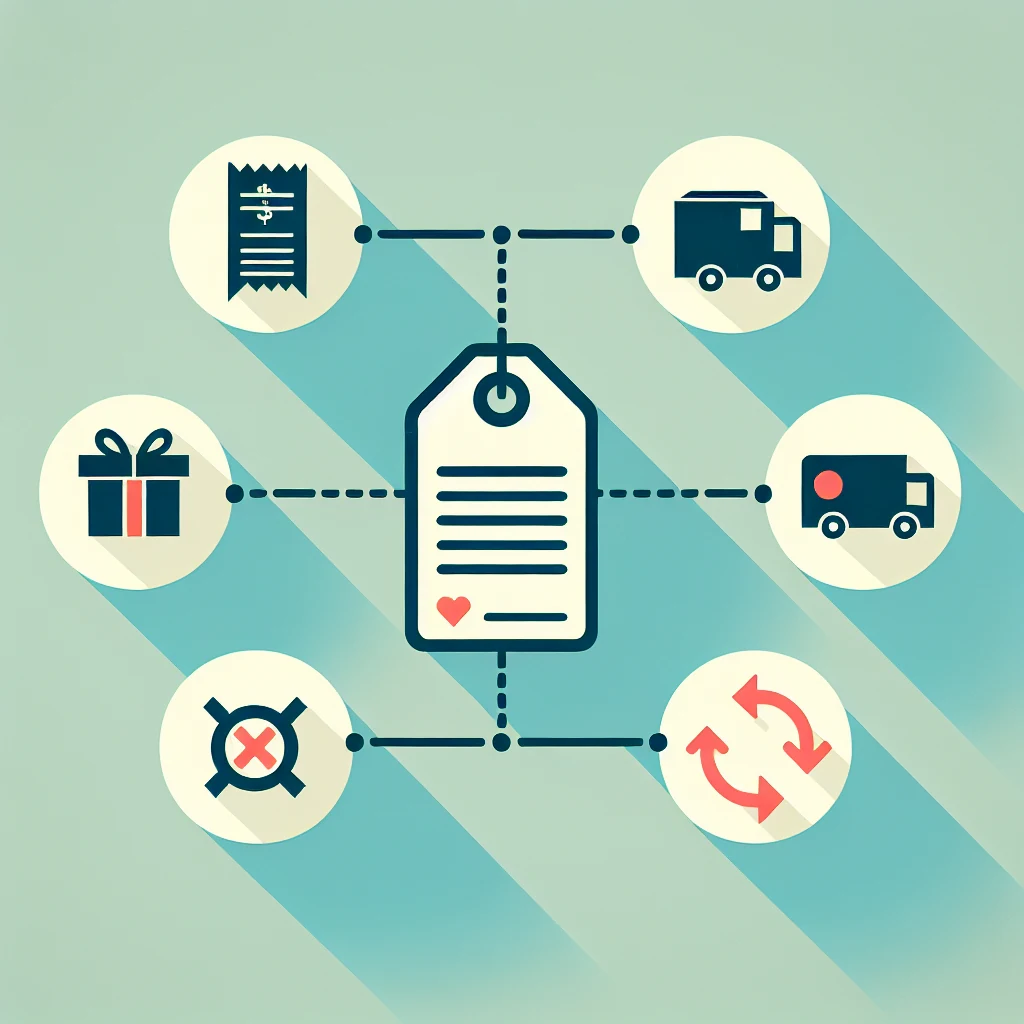
The Buy-Price Method (and why it works better than browsing “deals”)
A buy price is the maximum total you’re willing to pay for a specific item including the stuff that makes a cheap price not-so-cheap—sales tax, shipping, and any add-ons you truly need.
It works because it forces clarity:
- You stop paying extra just because a timer says “2 hours left.”
- You avoid “close enough” products that don’t meet your needs.
- You’re less likely to get pulled into bundles, accessories, or warranties you didn’t plan on.
The goal isn’t to predict the lowest price of the year. The goal is to buy at a price you feel good about, with low risk.
Case 1: You need a laptop before back-to-school (time vs. price)
You’re shopping in late summer. You can’t wait forever, but you also don’t want to pay full price just because everyone else is shopping.
Here’s the trade-off: waiting might unlock better promos, but waiting also shrinks your selection and can push you into rushed decisions. So instead of “wait for the perfect deal,” set a buy price with two tiers:
- Plan A (preferred): The spec you really want (processor class, RAM/storage, screen size) at your ideal buy price.
- Plan B (good enough): A slightly different spec you’d accept if it hits your buy price first.
Then you set alerts on specific models (not just “laptops”) and watch two things: the current price and whether the retailer is changing the overall value with shipping, freebies, or return terms.
A practical example of how this plays out:
You see a “Back to School” banner. The price is fine, but shipping is slow and the return window is short. A week later, the same model shows up with a similar price but faster shipping or easier returns. Your buy price wasn’t just about dollars—it was also about risk.
If you’re buying for school, easier returns and reliable delivery can be worth paying a little more than the absolute lowest number.

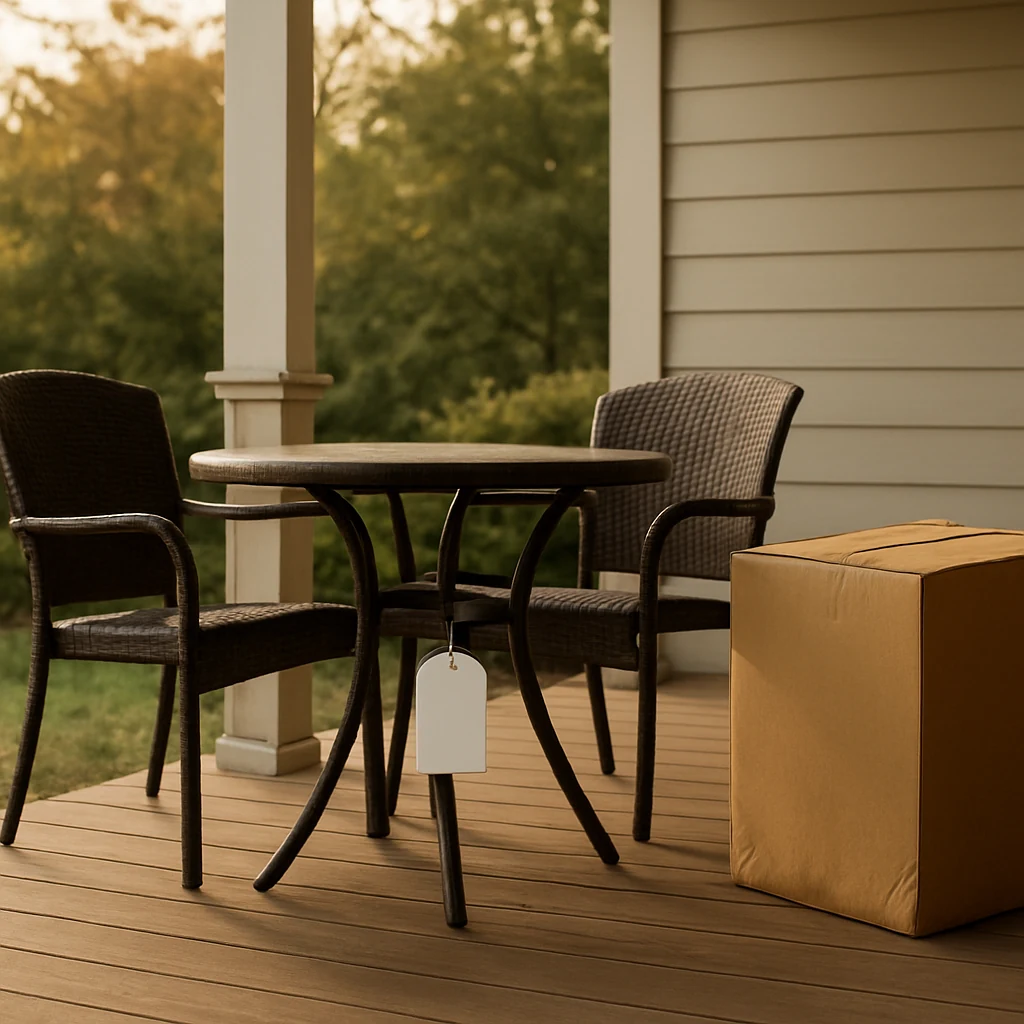
Case 2: Patio furniture in late summer (lowest price vs. condition)
End-of-season is classic deal territory in the US—especially after big summer holidays when retailers clear space.
The trade-off here isn’t only timing. It’s condition and hassle.
Online “clearance” items may be:
- final sale (no returns)
- limited stock with mismatched pieces
- packed in ways that make shipping damage more likely
So your buy price should include a “risk premium.” If you’re okay with a little risk (because you’re handy, you don’t mind minor scratches, or you’re using it on a covered porch), your buy price can be more aggressive.
But if you’re buying something bulky that’s annoying to return, your buy price should be a bit higher to justify purchasing from a retailer with easy pickup options or smoother returns.
A simple decision rule: The bigger and more return-annoying the item is, the more you should value easy returns and local pickup—not just the lowest price.
Case 3: A hot holiday toy (winning the deal vs. avoiding the trap)
Holiday shopping turns deal-hunting into a sport. If something is trending, “deals” can turn into:
- third-party marketplace listings at inflated prices
- sketchy shipping estimates
- confusing return policies (or restocking fees)
Your buy-price plan protects you here because you’ve already decided what you’ll pay and where you’re willing to buy.
One of the most useful moves is adding a “seller rule” to your buy price. For example: only buy if it’s sold by the retailer directly, or only if it ships from the retailer’s warehouse, or only if returns are clearly stated.
In other words: A low price from the wrong seller isn’t a deal—it’s a risk purchase.
How to set your buy price without overthinking it
You don’t need spreadsheets. You just need a realistic ceiling.
Start with the total you’d feel comfortable paying today, then adjust for urgency:
- If you need it soon: set a buy price you can hit within a week or two.
- If you’re flexible: set a lower buy price and be willing to wait.
Also: decide what “counts” in the total.
For most US online purchases, your true total is:
Item price + sales tax + shipping (if any) + unavoidable add-ons
If a retailer offers “free shipping” but requires a membership or pushes you to add extra items, that’s not automatically bad—but it should be part of your total. Same for “free returns” that only work as store credit.
The alert setup that actually saves time
You’re trying to stop checking 10 sites every day. Alerts are the whole point.
Use a price tracker, the retailer’s built-in price-drop notifications, and even a simple wishlist. Focus on exact models/SKUs when you can.
If you want a clean system, set it up like this:
- Pick 3–5 exact candidates (your Plan A and Plan B options).
- Create one note with each item’s buy price (your “yes” number).
- Turn on alerts wherever you normally shop (app notifications or email).
- Add one calendar reminder tied to a seasonal moment (Prime Day, Black Friday/Cyber Monday, back-to-school, end-of-season clearance).
That’s it. Your future self will thank you.
Use US sale seasons as your “checkpoints,” not your whole plan
Big sale events are useful, but they’re not magic. Treat them like scheduled checkpoints where it’s worth reassessing your alerts and your buy price.
Some practical US timing patterns (without assuming specific discounts):
- Back-to-school: laptops, tablets, backpacks, dorm basics
- Prime Day (summer): lots of category-wide promos, but quality varies—your buy price keeps you grounded
- Labor Day: end-of-summer clearance, appliances and home categories often get attention
- Black Friday/Cyber Monday: wide coverage, but also the most “deal theater”
- Post-holiday Ofertas January clearance: leftover inventory, especially for seasonal items
The key: don’t wait for a holiday just because it’s famous. If your buy price triggers on a random Tuesday from a retailer you trust, that can be the best deal for you.

The three “hidden” deal-breakers: tax, shipping, and returns
Two carts can show the same price and still cost different amounts.
Sales tax varies by location and sometimes by product category. If you’re comparing retailers, compare the checkout total, not the product page.
Shipping isn’t just the fee. It’s speed and reliability. Paying a little more to avoid a missed delivery window (or to get a more predictable carrier experience) can be a smart trade.
Returns are where many “deals” fall apart. Before you buy, check:
- return window length
- whether returns are free or require you to pay shipping
- whether refunds go back to your original payment method or store credit
If a deal is only a deal if nothing goes wrong, it’s not a great deal.
A quick way to tell if your buy price is too high or too low
If you hit your buy price immediately on every item you track, it’s probably too high—unless you truly need the item now.
If you never hit your buy price for weeks and you’re missing opportunities you’d still feel good about, it’s probably too low.
Adjust once, then stop tinkering. The whole point is to reduce decision fatigue.
FAQ
Should I wait for Black Friday/Cyber Monday for everything?
No. Use it as a checkpoint. If you need something now (or you find a trusted retailer offering your buy price with good returns), buying earlier can be the smarter move—especially when shipping delays or stock issues would create stress later.
Are “limited-time deals” worth it?
Sometimes. But a timer shouldn’t be your reason to buy. Your reason should be: it meets your specs, hits your buy price, and the retailer terms (shipping/returns/seller) don’t add hidden risk.
What if the product page shows a huge “was” price?
Treat “was” pricing as marketing. Your buy price is based on your needs and the total checkout cost, not the size of the strikethrough.
How many items should I track at once?
Track fewer than you think. Three to five strong candidates keeps you focused and makes alerts meaningful.
Recommendation you can act on today
Pick one upcoming purchase you’ve been procrastinating on. Choose 3 candidates, set a buy price for each (including sales tax and shipping), and turn on alerts. Then walk away and let the deal come to you.
If you want more practical deal strategies like this, start from the homepage and browse our latest guides: /
You may also be interested

Cash Back or Coupon? Keep Your Online Savings From Disappearing
Learn when to use coupons, cash-back portals, or card offers—and how to avoid tracking mistakes before Black Friday and Cyber Monday.

Open-Box and Refurbished Deals: A Smarter Way to Shop Holiday Sales
Learn how to vet open-box and refurbished deals before Black Friday, from condition and warranties to battery health, seller quality, and gift readiness.

Discounted Gift Cards: 6 Mistakes That Can Erase Your Savings
Buying discounted gift cards for holiday shopping? Avoid balance problems, refund traps, and bonus-card restrictions before locking up your money.