

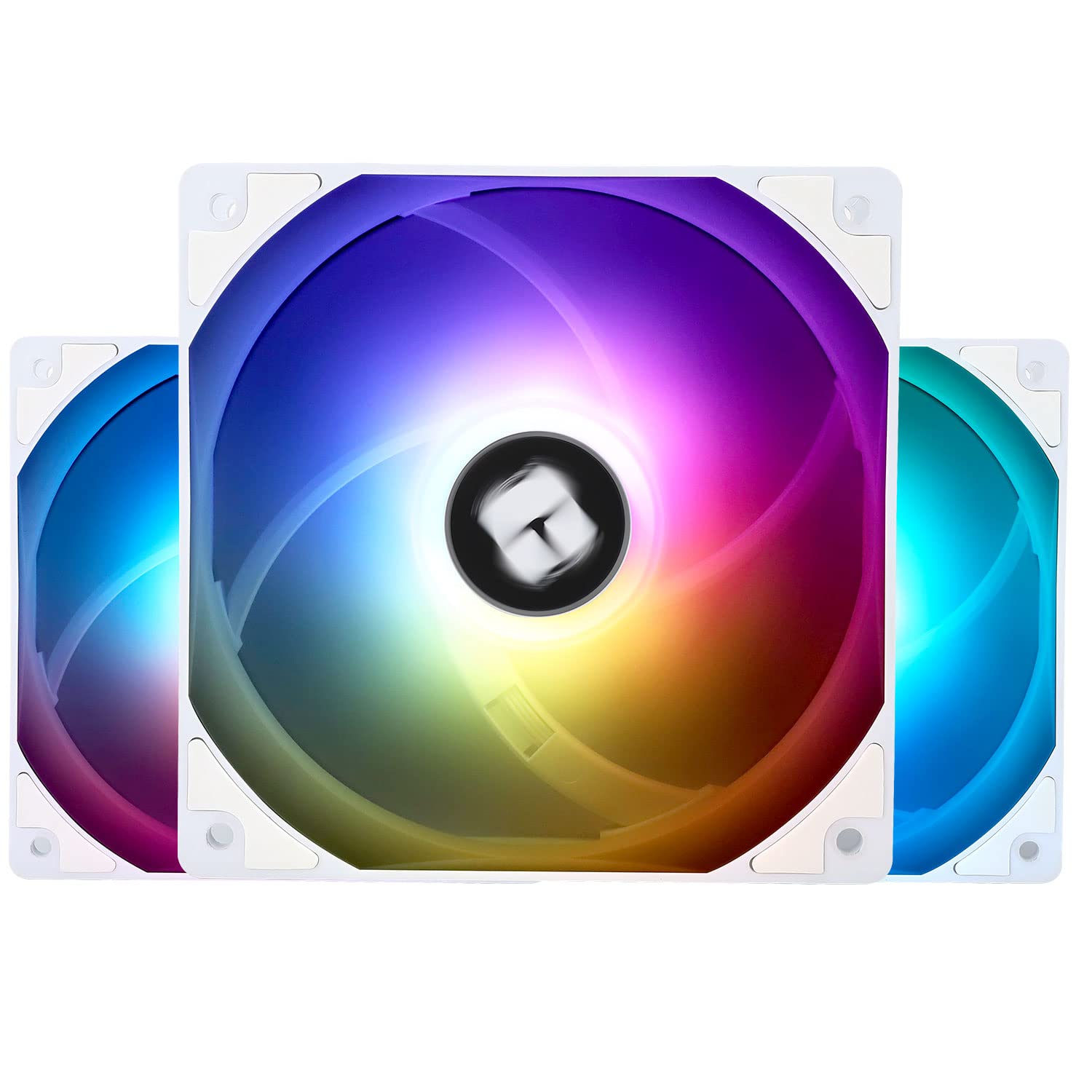
Thermalright TL-C12CW-S 120mm ARGB PWM Fan review: solid micro-forcing for case and CPU cooling
Product description
What it is
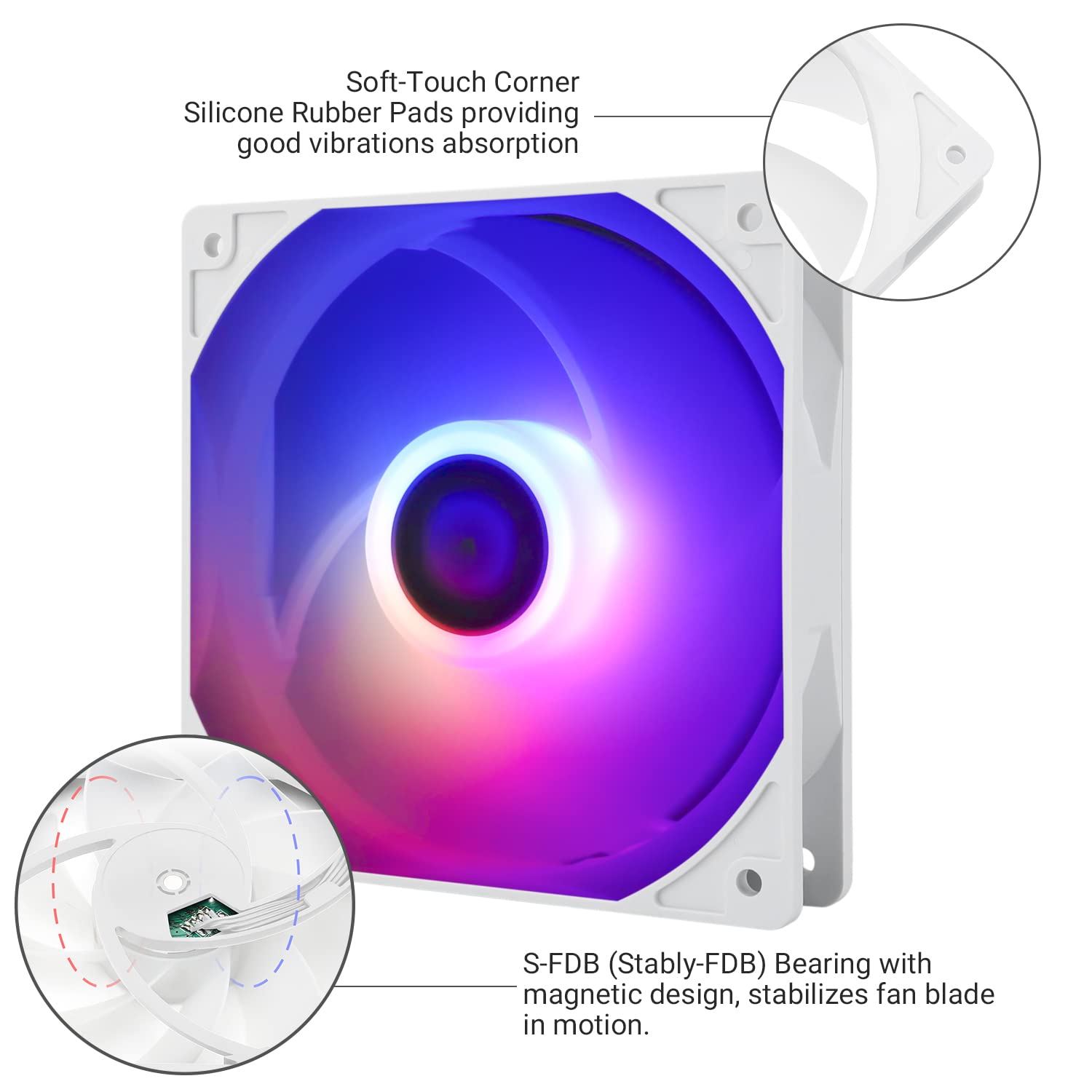
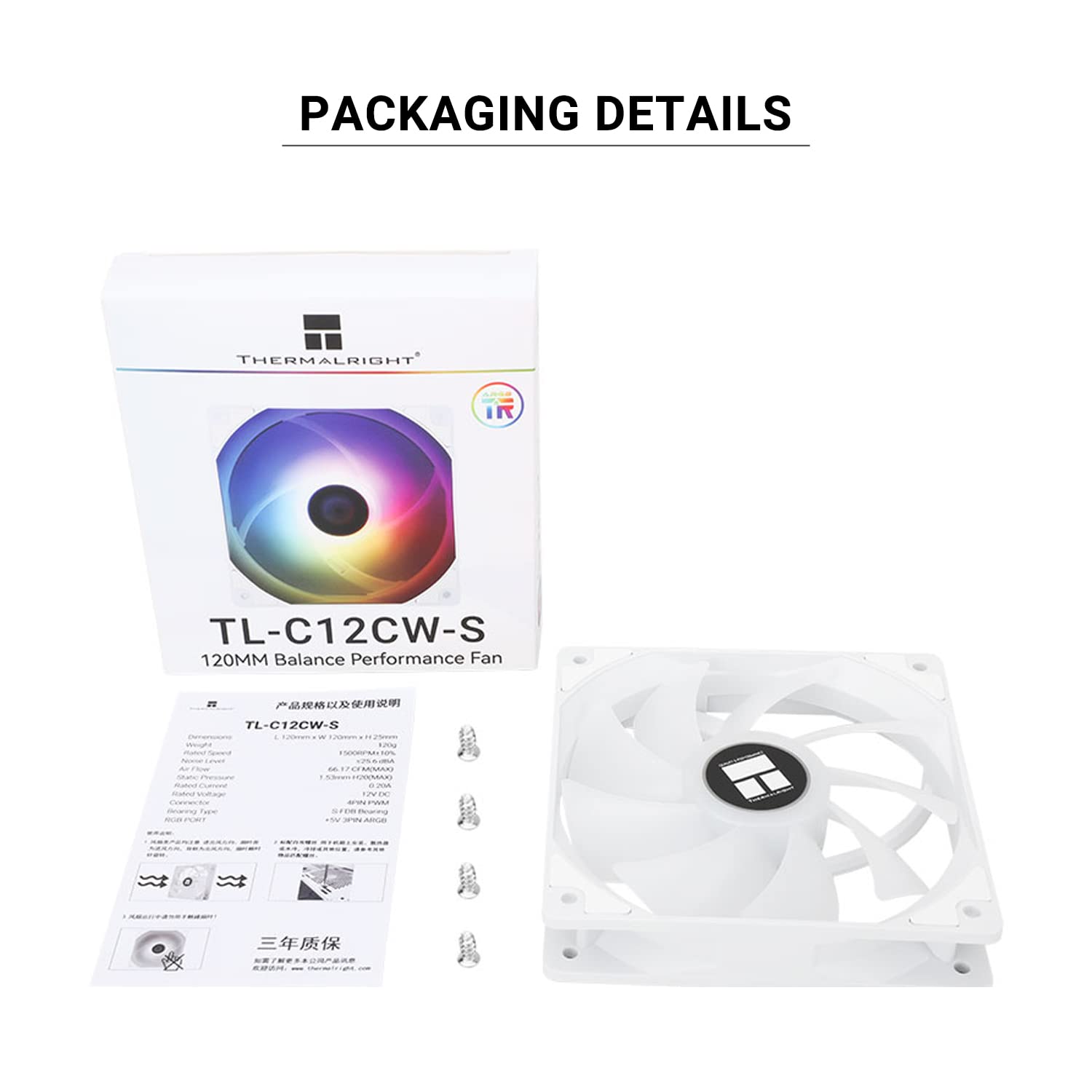
The Thermalright TL-C12CW-S is a 120mm ARGB fan designed for case airflow and CPU cooling, with 4-pin PWM control to adjust speed based on motherboard temperatures. It claims up to 1500RPM and uses S-FDB bearings to reduce blade wobble and noise while delivering higher airflow.
How it works
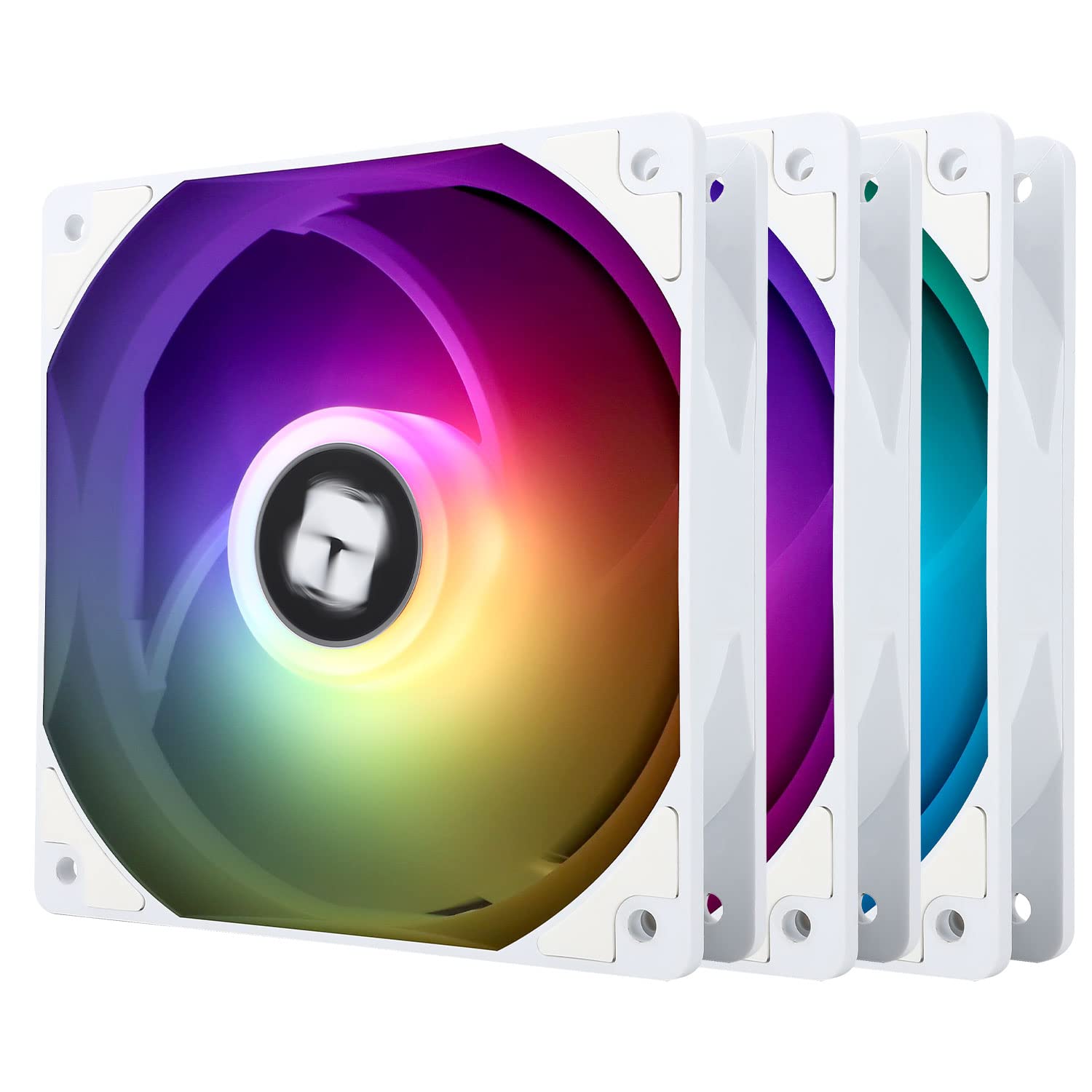
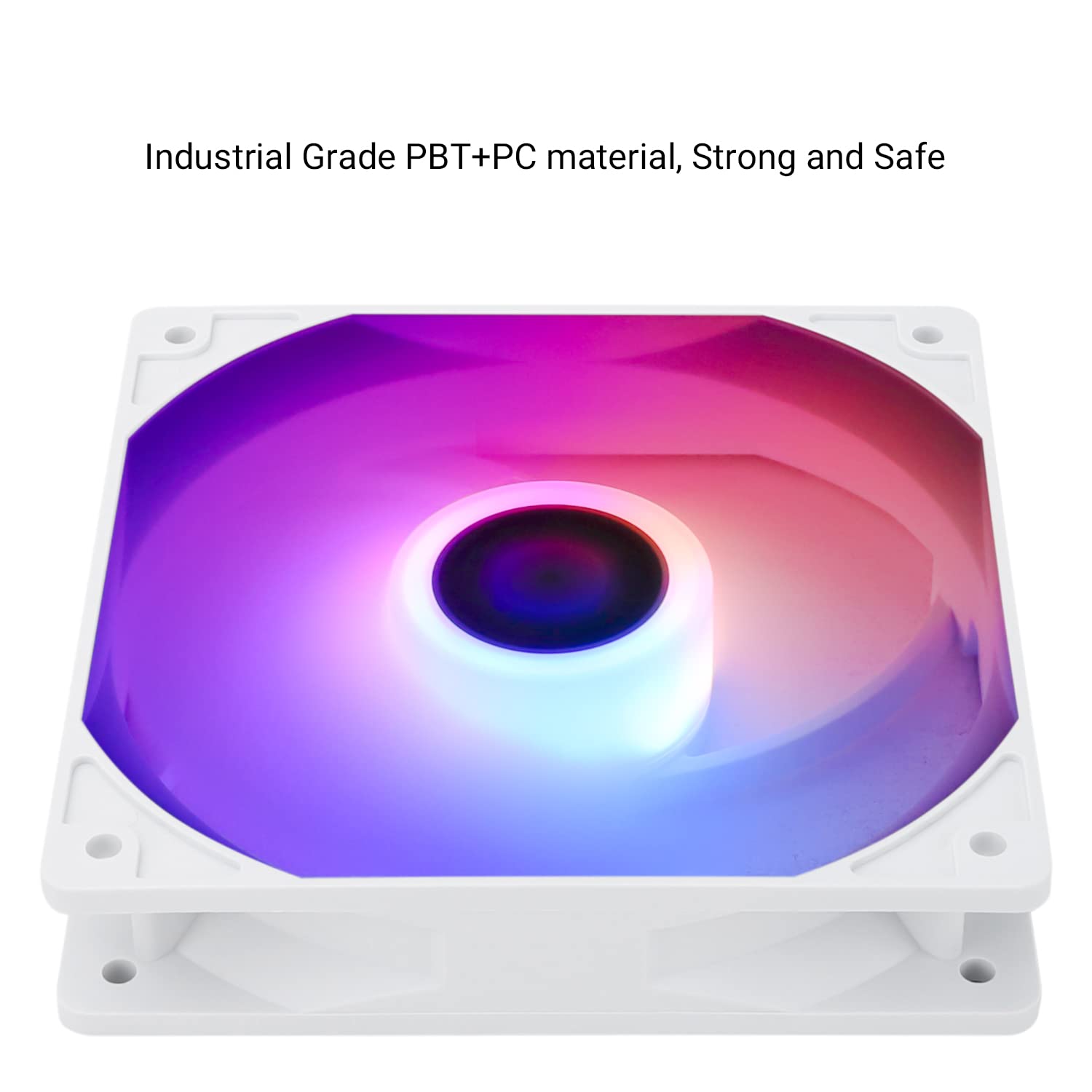
Powered by a 4-pin PWM connection, it adapts its speed automatically to the thermal load. The fan ships with a relatively long PWM lead, up to 55cm, which helps with routing inside larger enclosures or multi-fan setups. The ARGB blade lighting is designed to reflect light more softly and synchronize with motherboard lighting via ARGB headers.
What stands out
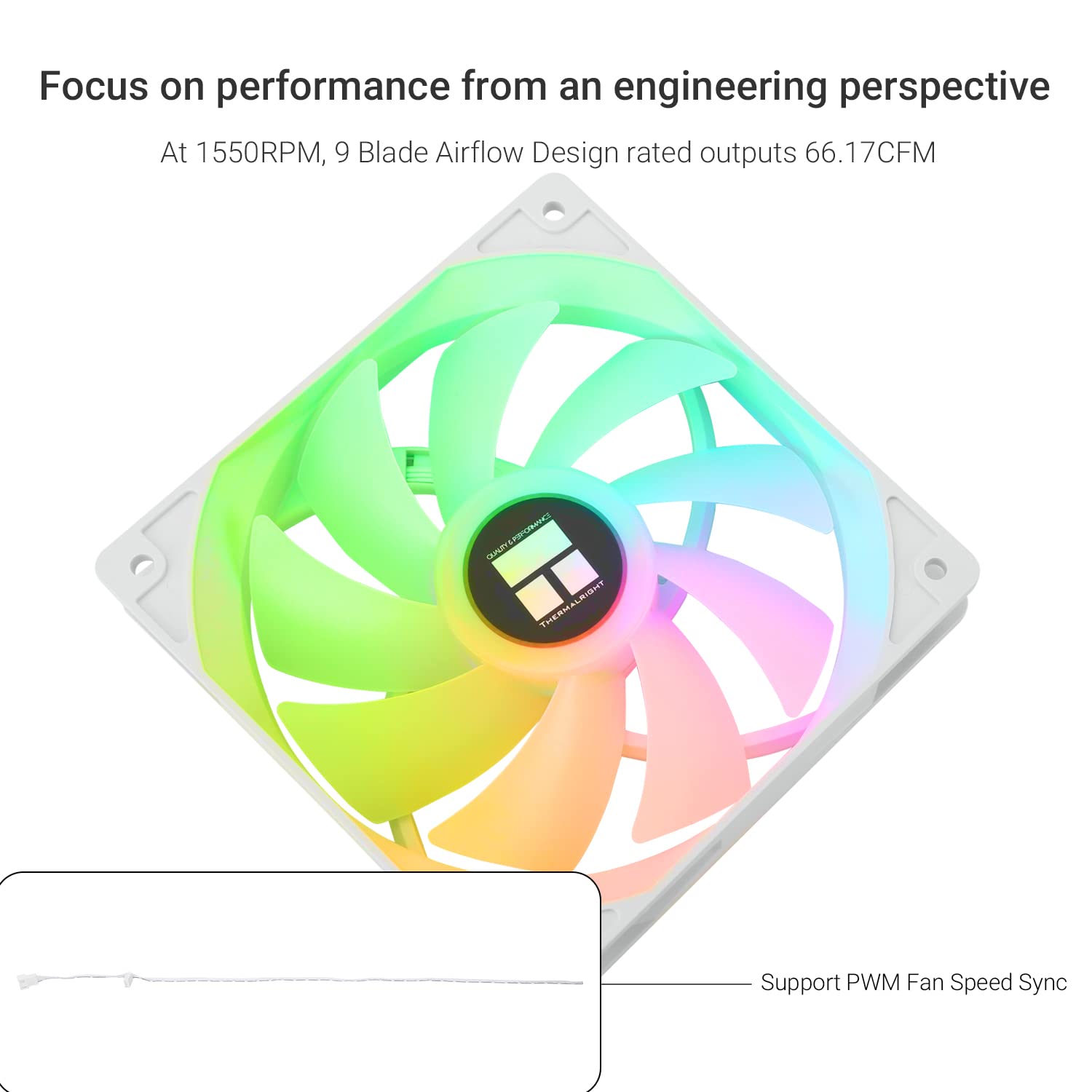
On paper, the TL-C12CW-S combines quiet operation with decent airflow (66.17CFM) and a given static pressure (1.53mm H2O), which makes it a candidate for both intake/exhaust in cases and as part of a heatsink or radiator setup. The S-FDB bearings are highlighted as a solution to blade movement in certain positions, potentially reducing vibration and extending longevity.
Potential limitations
If you prioritise absolute silence, consider that max speed is 1500RPM with noise around 25.6dBA, in practice it may still be audible under load if ambient conditions are harsh. The ARGB feature adds lighting, but for some builds it may be a cosmetic add-on rather than a performance differentiator. Also, data on long-term reliability beyond the bearing design is not provided here.
Who this is for
This fan may suit builders looking for a mixed-use solution: a case fan that can also help on CPU coolers, particularly if you want ARGB lighting to match a colour scheme. It’s reasonable for mid-range builds where case cooling and modest radiator support are valued without stepping into premium pricing.

Who it isn’t perfect for
If you need the quietest possible cooling under sustained stress, or you require very high static pressure for dense radiators, you might want to compare with fans designed specifically for those extremes. If ARGB lighting isn’t a priority, there are simpler 120mm PWM fans that may cost less.
When it makes sense to buy
Consider this fan if you want an all‑rounder that blends airflow with aesthetics and automatic speed control, and you’re assembling a PC where the motherboard can manage fan curves via PWM. It’s a practical option for cases or CPU coolers that benefit from a 120mm size and ARGB visuals without venturing into enthusiast-grade pricing.
What to review before purchasing
Check your motherboard’s ARGB compatibility and whether you want matching lighting across components. Confirm the fan’s compatibility with your case and radiator dimensions. Also consider your intended balance between airflow and noise at your typical operating temperatures.
Practical example of use
In a typical mid‑tower build, you might pair TL-C12CW-S as a top exhaust to push hot air out while a larger radiator sits nearby, using the PWM control to keep speed in line with CPU temperature. The long PWM lead helps tidy cable routing in larger builds.
Decision: Is it worth it?
If you want a practical 120mm option with PWM control and ARGB lighting that fits both case and CPU cooling roles, it makes sense to consider. It may not be the best choice if you prioritise absolute silence under load or if you need exceptionally high static pressure for very dense radiators.
FAQ
- How does PWM control affect noise? PWM allows speed adjustments based on temperature, potentially keeping noise moderate most of the time.
- Can it be used as a CPU cooler fan only? Yes, it’s suitable for use with a CPU cooler as part of the cooling setup.
- Does ARGB require a special controller? ARGB can be managed via motherboard ARGB headers where supported.