

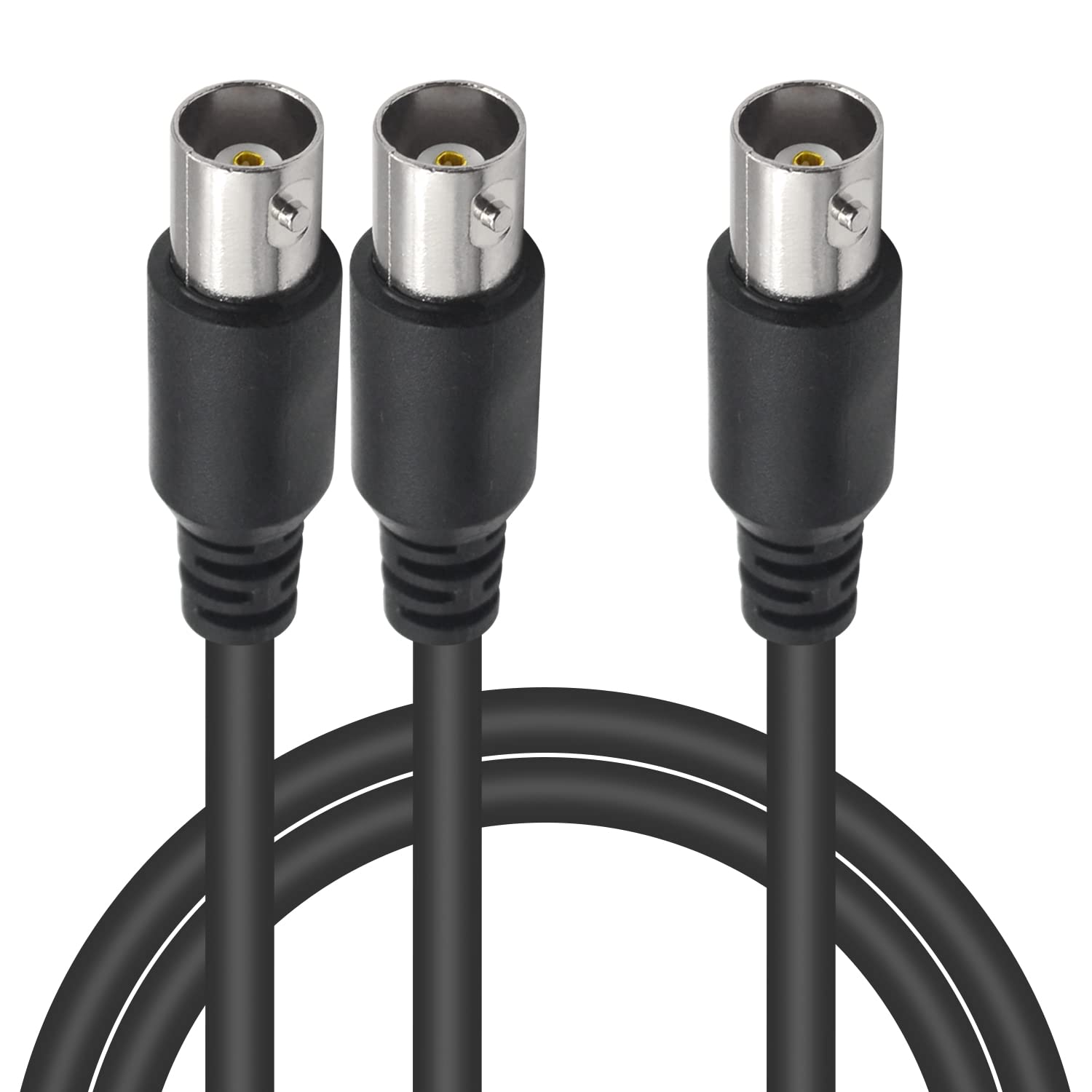
Maxhood BNC Male to 2 Female Splitter Cable 1.5ft
Product description
What it is
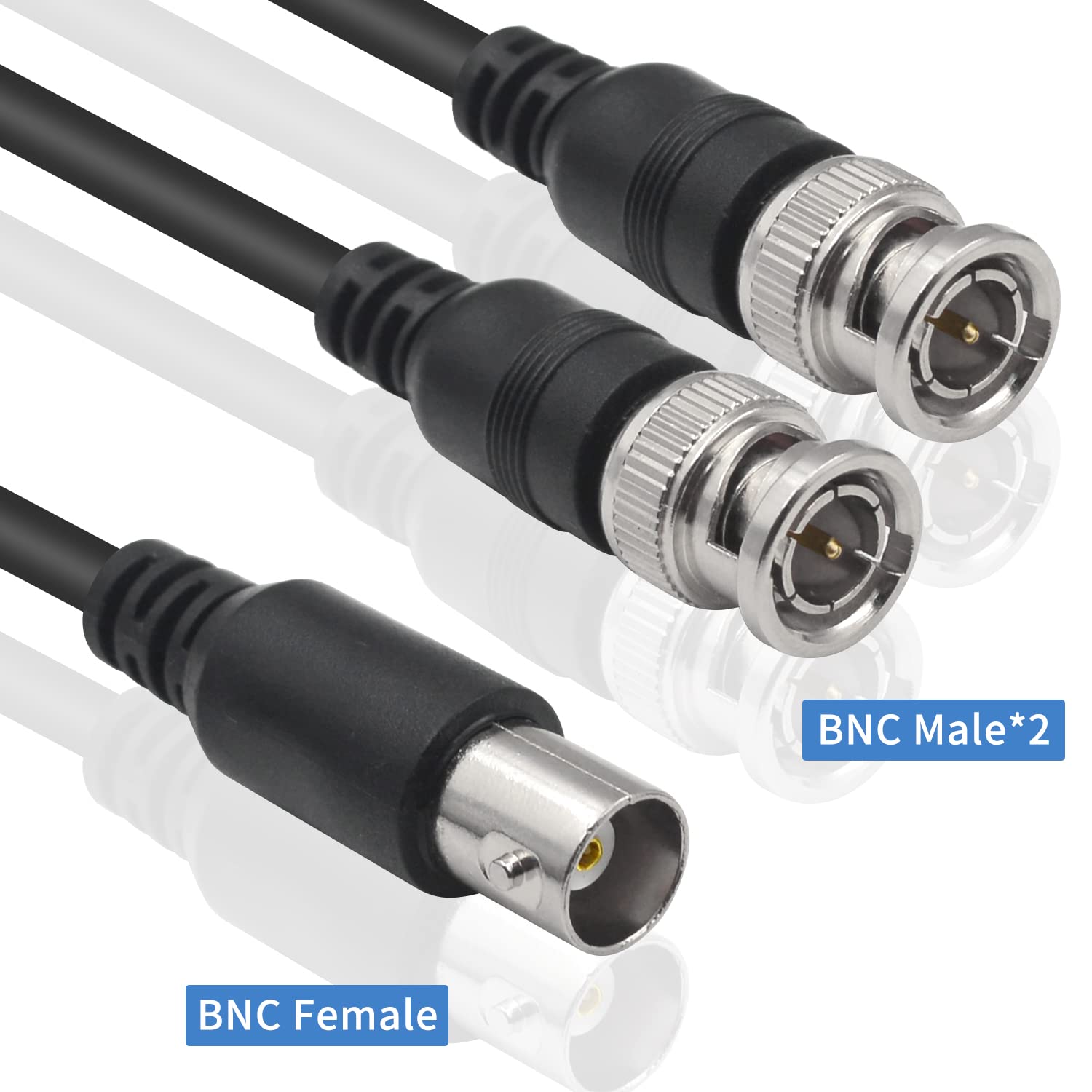
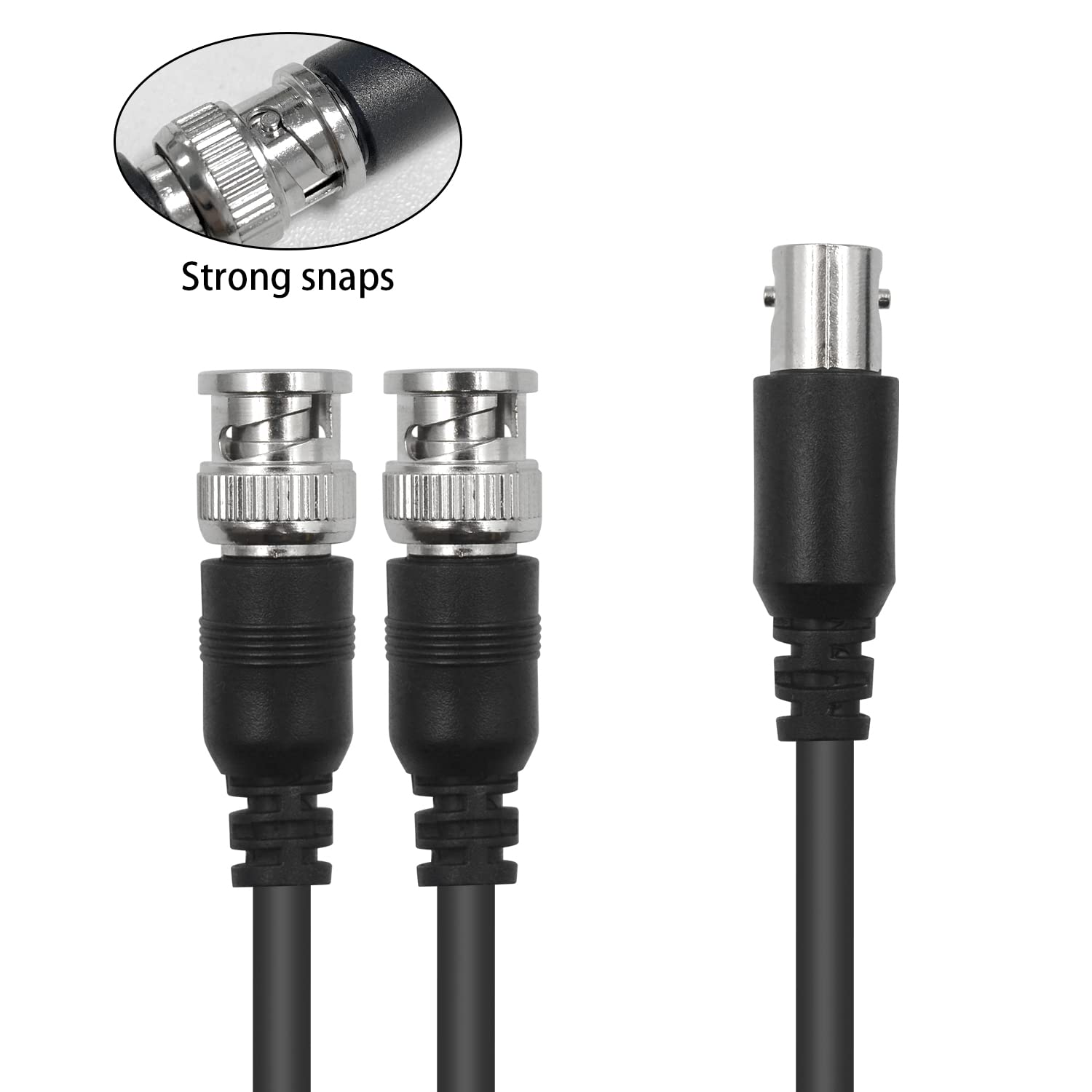
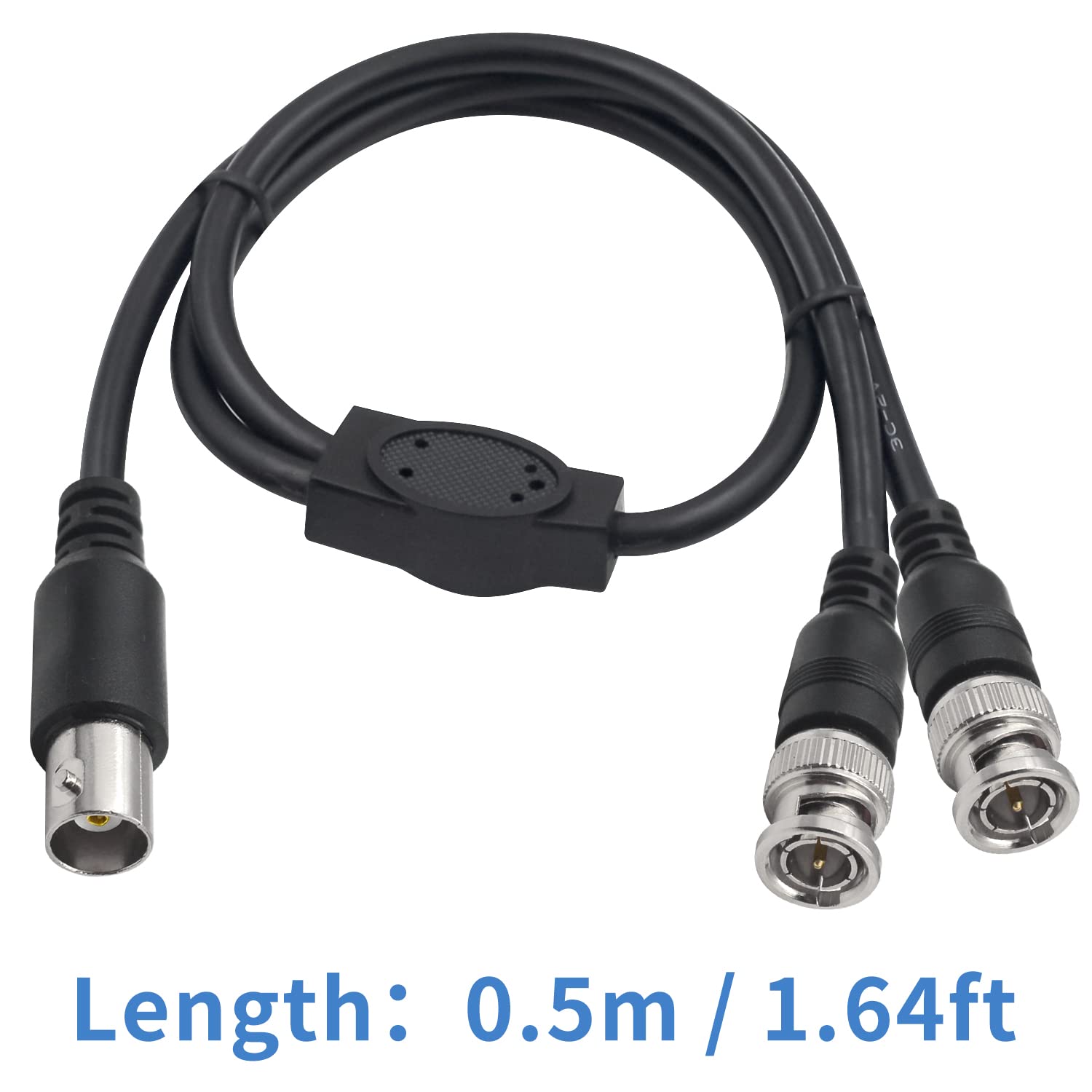
Maxhood’s BNC Male to 2 Female Splitter Cable is a simple coaxial splitter designed to distribute a single BNC signal to two outputs. At 1.5 feet in length, it offers a compact option for routing feeds to multiple devices or locations within a CCTV setup, radio, or general video/audio applications where BNC connections remain standard.
What matters most
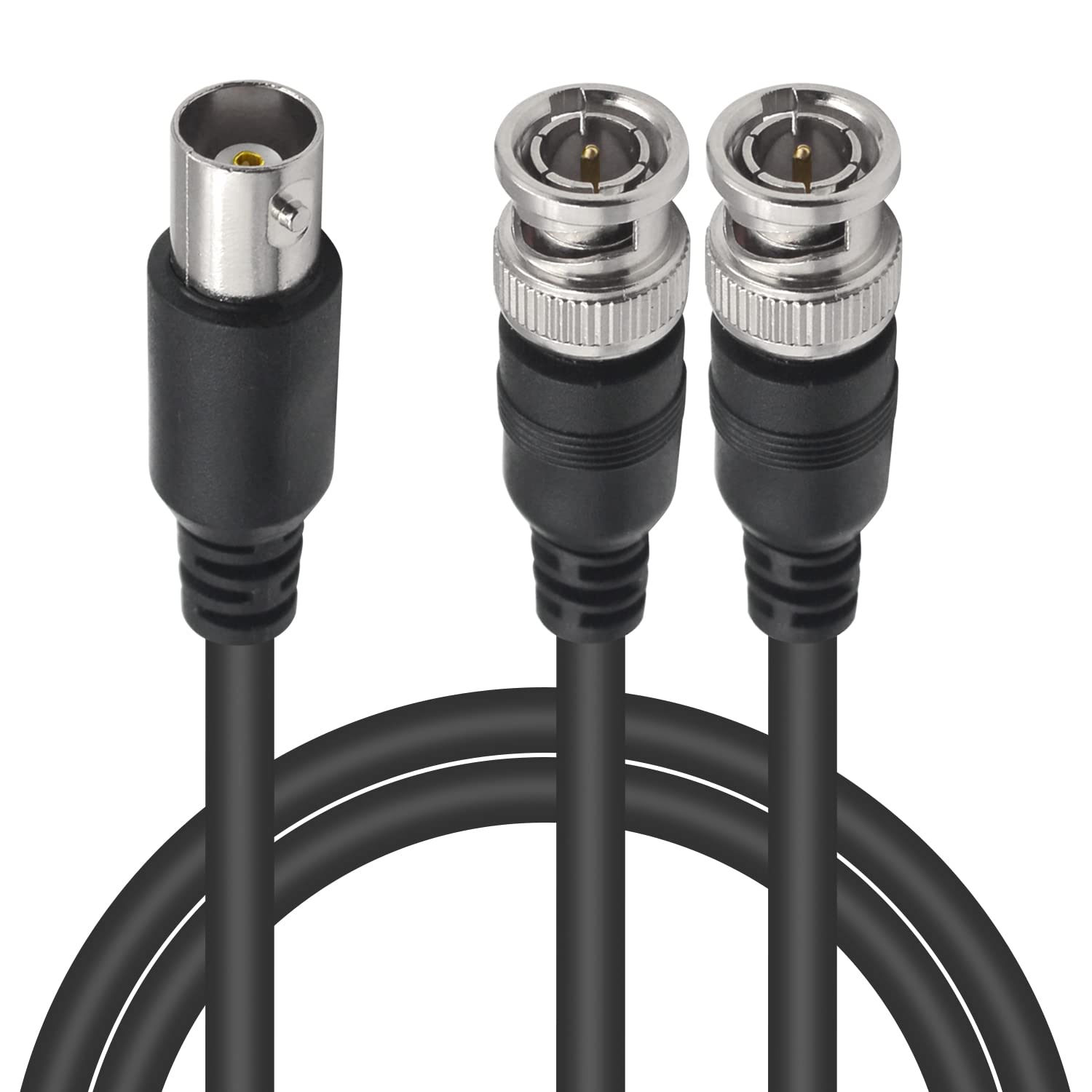
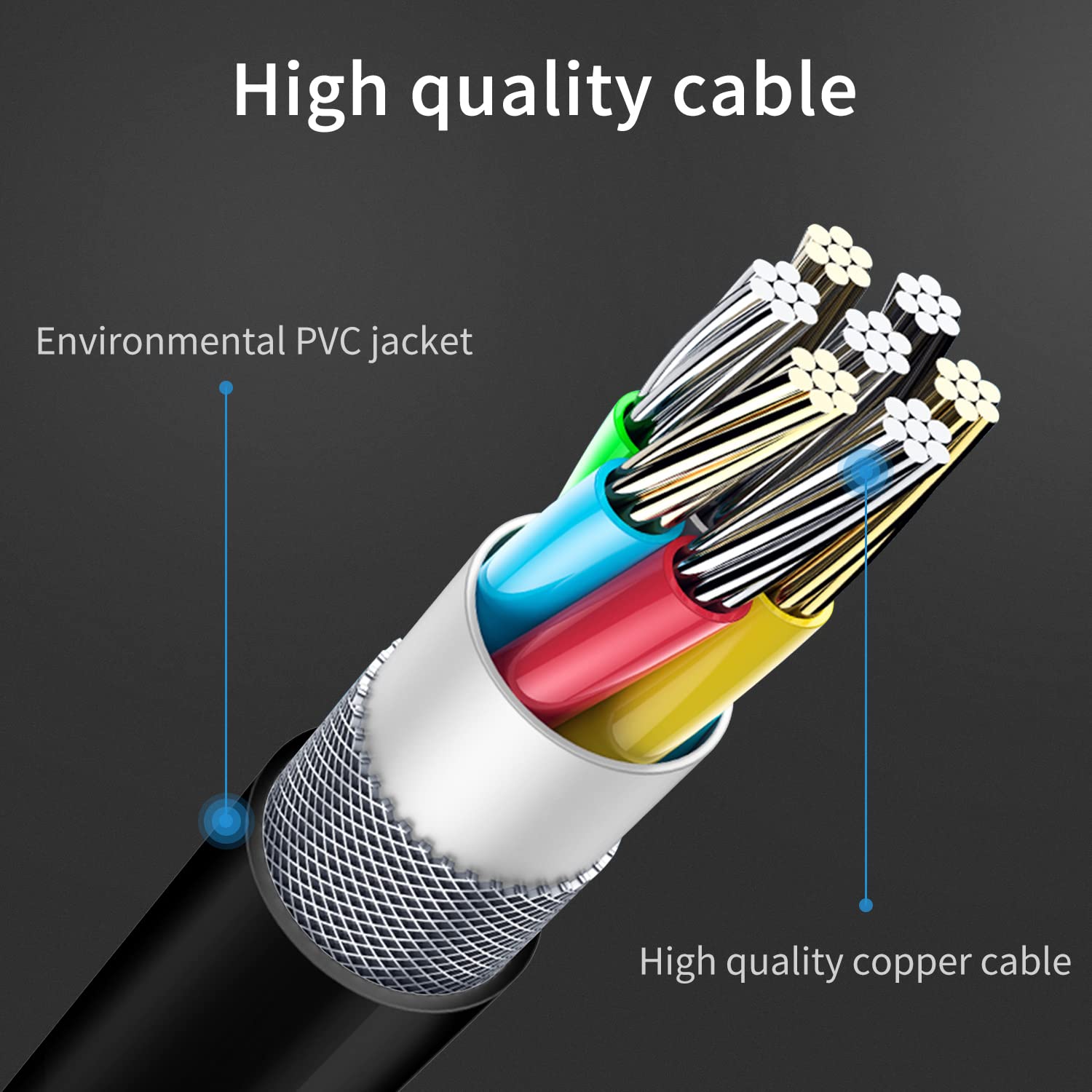
On the paper, the key strengths are straightforward: a brass BNC male connector for a solid, durable connection and an 18 AWG pure copper conductor for reasonable signal integrity over short runs. The 50 ohm impedance helps keep coax performance predictable for typical CCTV and related uses. If you prioritise a tidy, easy-to-use splitter that doesn’t demand complicated setup, this model fits that brief. A potential caveat is that, like any passive splitter, the signal strength can drop a touch when splitting to two outputs, depending on the overall system loss and cable routing.
Tech specs
Brand and model are positioned to acknowledge a generic Maxhood BNC splitter. The key technical cues you’ll likely care about are: BNC male to two female outputs, 1.5 ft length, brass construction on the male connector, 18 AWG copper conductor, and 50 ohm characteristic impedance. This combination is commonly found in CCTV and general coax applications where short-haul distribution is required. No additional specifications are provided beyond what’s stated, so if you need more precise loss figures, check the actual measurement in your setup before committing.
How it performs in everyday use
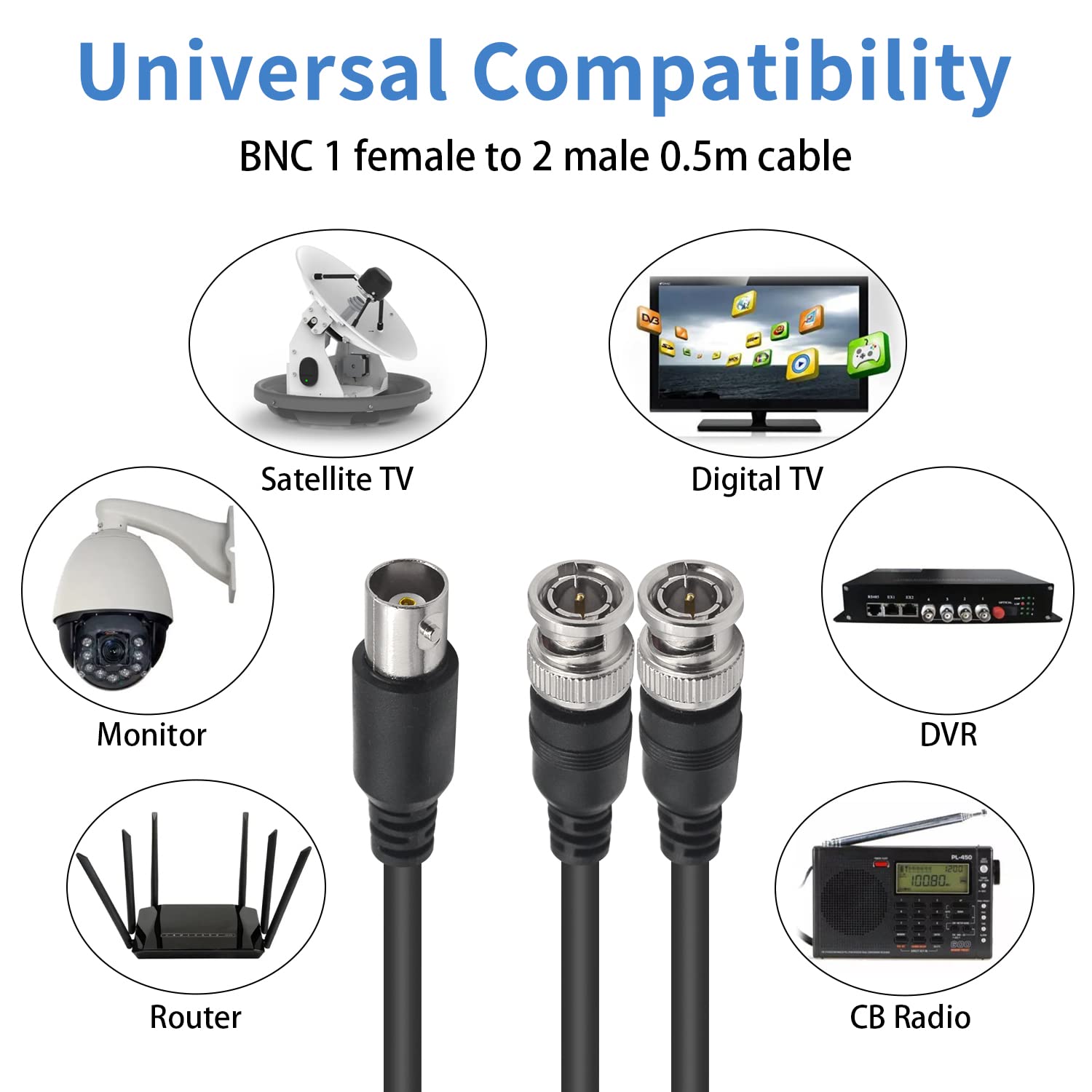
If you’re wiring security cameras or a small CCTV distribution where one input needs to reach two cameras or monitors, this splitter offers a practical, no-fuss solution. The compact form helps with desk or cabinet installs, and the brass BNC connector should resist wear from repeated connect/disconnect cycles a typical home or small-business installation demands. For someone who wants to avoid extra signal processing or powered splitters, this passive splitter can be enough, provided the layout supports a short coax path and acceptable drop.
What stands out in use
It’s a straightforward approach to splitting rather than building a more complex network. The emphasis here is on reliability of a basic physical connection and the practicality of a short jumper for distribution in a CCTV or radio-related scenario. If you value predictable hardware compatibility and a simple handover from one source to two destinations, this model makes sense on paper.
The limits to consider
This is not a high-end, long-run distribution device. Because it’s passive, it won’t compensate for loss across longer cable runs or multiple hops. If you’re planning a larger CCTV setup with longer distances, more sophisticated distribution or amplification might be warranted. Additionally, the lack of stated loss figures means you should assess whether your existing signal level leaves enough headroom after the split.
Who it’s for
This splitter suits users who need a compact, no-frills way to feed two devices from a single BNC source in smaller installations—think a couple of cameras, a monitor, or a radio feed in a limited space. It’s reasonable for entry-to-mid level CCTV setups, hobbyist radio tasks, or quick-turn deployments where you don’t want to crowd the cabinet with bulk adapters.
Who it isn’t for
If you require precise loss metrics, or you’re running longer coax runs with higher demands, this model may not be the best fit. Likewise, professional deployments that rely on redundant paths or signal boosting would likely favour more advanced splitters or active distribution solutions.
Before you buy: practical checks
- Ensure the 1.5 ft length fits your installation path without excessive bending.
- Confirm the incoming signal type matches the 50 ohm expectation of the cable.
- Consider whether a passive splitter suffices for your two-output layout or if you need amplification or a dedicated distribution amplifier.
- Check for compatibility with your devices’ BNC connectors and any shielding requirements in your environment.
Practical usage snapshot
Imagine you’re setting up a small CCTV ring around a workshop: a single camera feed from the DVR is split to two display panels placed at opposite ends of a shelf. The 1.5 ft jumper keeps cables tidy and the brass connector keeps a reliable hold, minimising intermittent connections in a busy setup.
Decision point: should you buy it?
Is it worth it?
A solid pick if you need a simple, compact splitter for short runs and light to moderate CCTV or radio tasks. It’s not designed to be a high-end solution, but for straightforward distribution in smaller spaces, it should perform adequately without adding clutter or cost.
FAQ
- How does the splitter affect signal quality? It’s a passive splitter, so split occurs without amplification. Expect a small amount of signal loss compared to a single-path run, which is typical in basic BNC distribution.
- Can I use it for long cable runs? It’s better suited for short runs, for longer distances you may want a solution with amplification or better loss characteristics.
- Is it compatible with all BNC devices? It’s designed for standard 50 ohm BNC connections commonly used in CCTV, security, and related equipment. Verify impedance compatibility with your specific gear if in doubt.