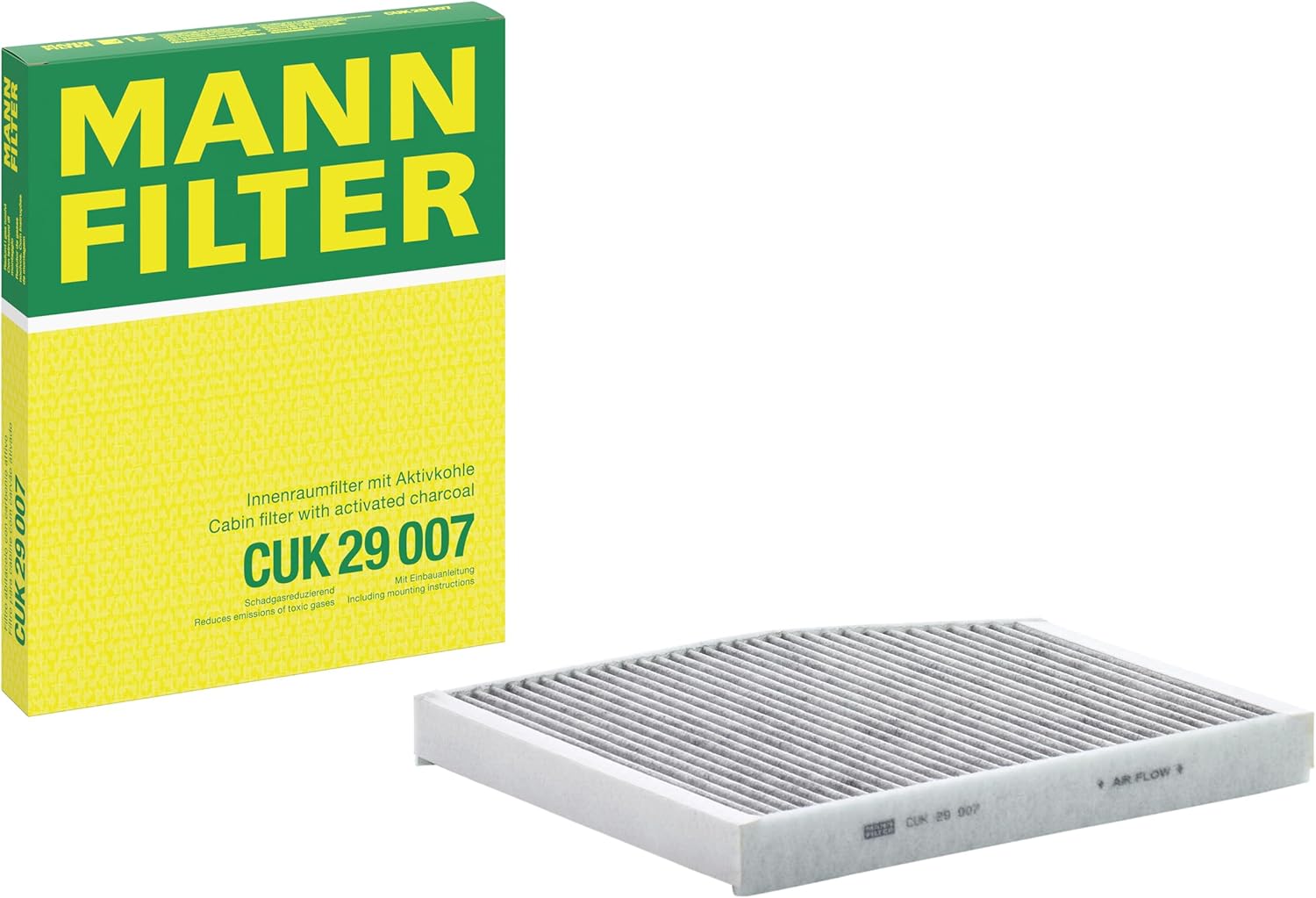
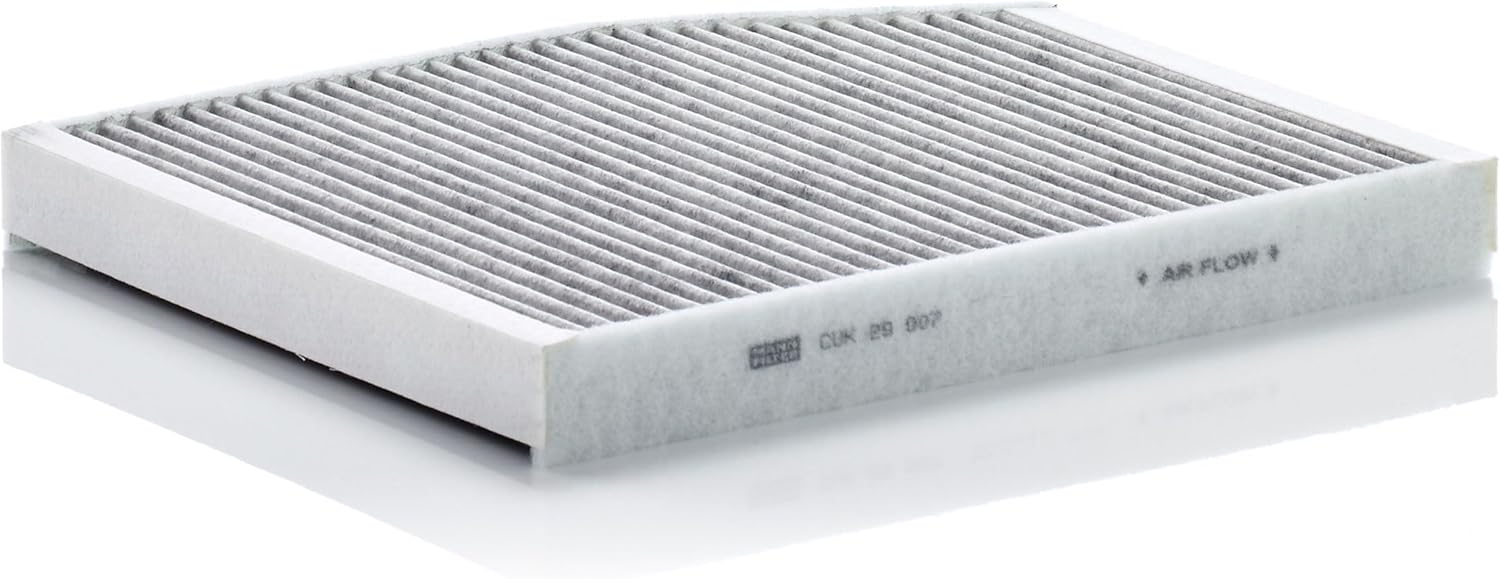
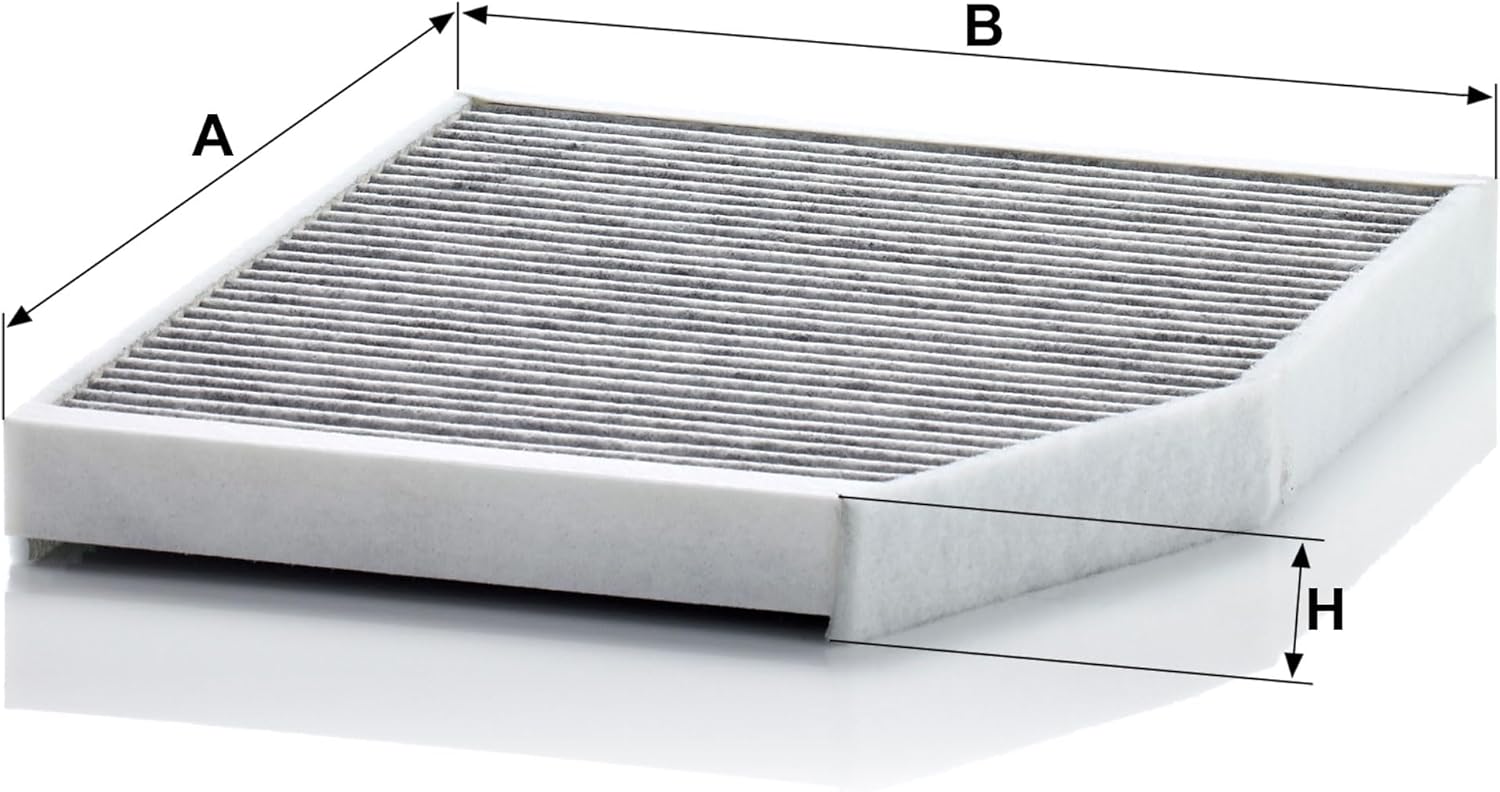
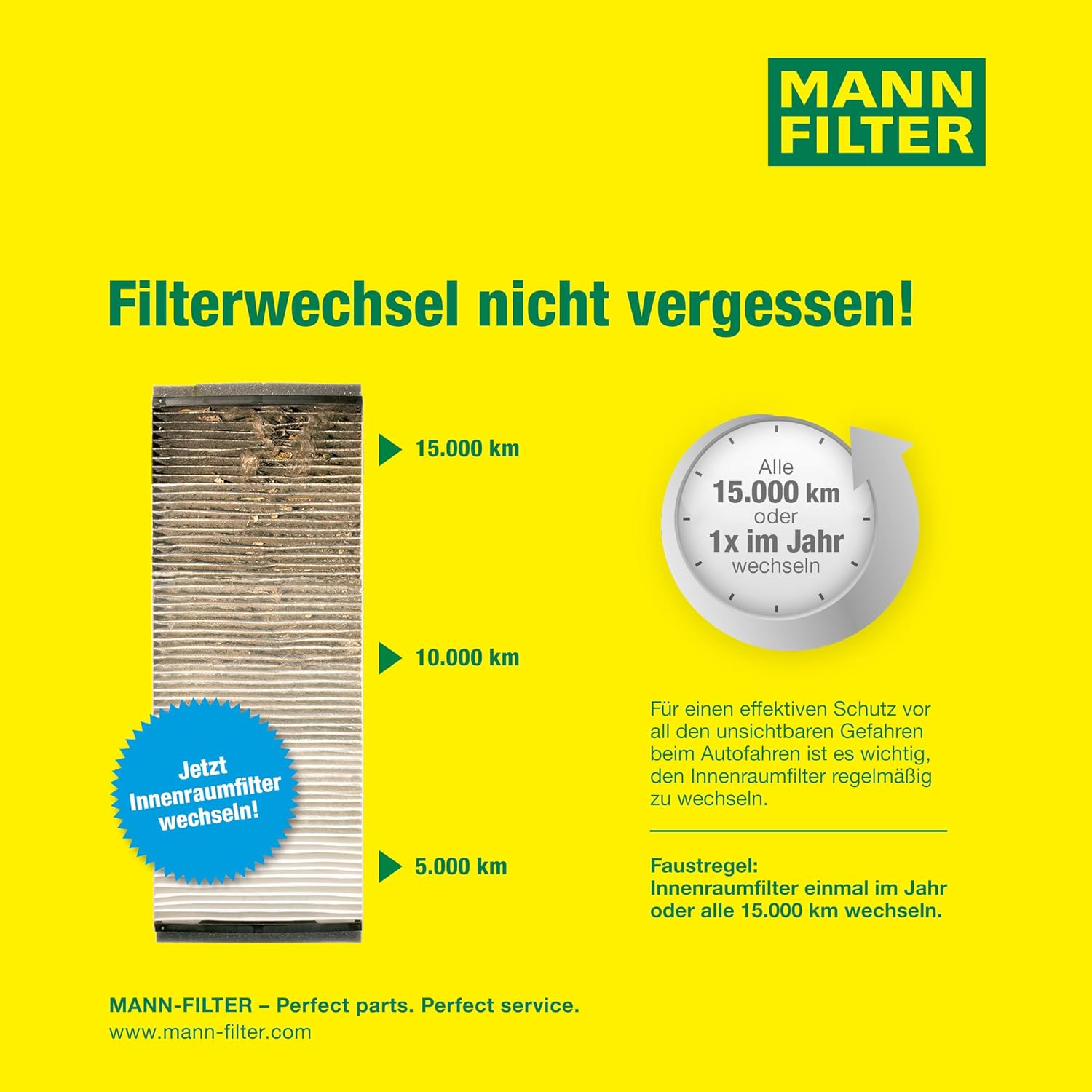
What it is and why it matters\nThe MANN-FILTER CUK 29 007 is a cabin air filter designed to sit in the vehicle’s ventilation system. It combines a pollen filter with activated carbon to offer a level of protection for the interior air you breathe. On the page of everyday practicality, this isn’t a flashy upgrade, it’s the sort of component that quietly contributes to more comfortable journeys, especially if you spend a lot of time on the road or in urban environments where pollen, diesel soot and general odour can accumulate inside the cabin. On paper, it aims to cut down on particulates and address odours, which can be noticeable during long trips or in areas with higher air pollutants.\n\n## Key features and what they mean in practice\nActive carbon layer is marketed to reduce odours and some harmful gases, not just filter dust. This can be comforting for drivers sensitive to smells or who frequently drive through congested cities or near industrious zones. The filter is supplied in a size compatible with standard cabin air intakes, and its dimensions (A 284 mm, B 232 mm, H 30 mm) indicate a design focused on a typical mid‑sized vehicle’s dashboard area. Handling the filter during a change is generally straightforward for those familiar with standard maintenance routines, though accuracy matters—fitment depends on the exact vehicle model and year.\n\n## Pros and what stands out\n- Activated carbon can help mitigate certain gases and odours, offering a more pleasant interior climate between replacements.\n- High-quality construction from a brand with OE credentials suggests reliability and a focus on durability during the service interval.\n- The filter targets pollen as well as particulates like diesel soot, which is useful for drivers with allergies or sensitive occupants.\n- The documented dimensions point to a straightforward substitution for many common cabins, subject to correct model compatibility.\n\n## Limitations and when it may not be perfect\n- Activated carbon filters provide additional protection beyond dust, but they don’t eliminate all pollutants and may have limited effectiveness against some gases in extreme conditions. If you regularly operate in heavily polluted environments or under extreme climates, you might still notice odours or particulates coming through in certain situations.\n- As with any replacement part, compatibility is crucial. The listing notes that you should select by brand, model, vehicle type and engine type to confirm fit, so a mismatch could mean a less-than-perfect seal or reduced performance.\n- The benefit of the carbon layer depends on the service interval and driving circumstances, the perceived improvement may vary between users.\n\n## Who it’s for\nThis filter is well-suited to drivers seeking a more comfortable cabin environment without resorting to premium bespoke parts. It strikes a balance between filtration performance and value, fitting mid‑range expectations for everyday cars and some transporters. If you prioritise reducing odours and pollen exposure in city driving or during allergy season, it provides a practical upgrade over a basic dust-only filter.\n\n## Who might want to proceed with caution\nIf your vehicle has an unusually tight or unique cabin intake, or if you live in areas with specific air quality concerns beyond odours and pollen, it’s worth checking OEM recommendations and confirming fitment before purchase. It isn’t a miracle cure for all pollutants, and the degree of improvement may be modest in some driving scenarios.\n\n## What to check before buying\n- Confirm the exact vehicle fitment using brand, model, vehicle type and engine type as guidance.\n- Consider your typical driving environment: urban routes and periods with high pollen or diesel particulates tend to benefit most from activated carbon.\n- Be mindful of service intervals, a carbon filter replacement is part of regular maintenance and not a one-off, long‑term solution.\n\n## Practical use case in daily life\nImagine a morning commute through busy streets where the air feels stale and pollen counts are high. The CUK 29 007 sits in the HVAC unit, filtering incoming air as you breeze through the traffic. Over time you might notice the cabin smells calmer and the air feels fresher, which is especially noticeable when the windows are down on a warm day. It won’t magically remove every odour from all sources, but it helps maintain a cleaner air feel between changes.\n\n## Quick comparison approach\nIf you’re choosing between cabin filters, consider whether your priority is basic particle filtration or a bit extra for odour and gas reduction. A pollen-only filter will handle standard particulates, but if you spend a lot of time in areas with noticeable odours or industrial pollution, a carbon-enhanced option like this tends to be the more sensible middle-ground choice.\n\n## Is it worth it? Final buying decision\nThe CUK 29 007 offers a pragmatic option for improving cabin air quality without stepping into premium pricing. It’s a reasonable choice for drivers who want a bit more than basic filtration and value straightforward maintenance. If you prioritise cleaner air for long journeys or seasonal pollen, and you can verify fitment for your vehicle, it’s reasonable to consider this filter. If your vehicle requires a very particular filtration setup, or if you expect dramatic improvements in air quality, you may want to explore other options or OEM alternatives that explicitly suit your exact model.\n\n## FAQ (short and practical)\n- Does activated carbon mean no odours at all? Not entirely, it reduces many odours but cannot guarantee complete elimination in all conditions.\n- How often should I replace it? Follow the vehicle’s service interval guidance for cabin filters, carbon filters are typically replaced at regular intervals like other cabin filters.\n- How can I check fitment? Use the brand, model, vehicle type and engine type selector to confirm compatibility before purchasing.