

Magtame 240W Magnetic USB-C to USB-C Cable (5A, 5ft) with E‑Marker chip – Black
Product description
What it is and why people buy it
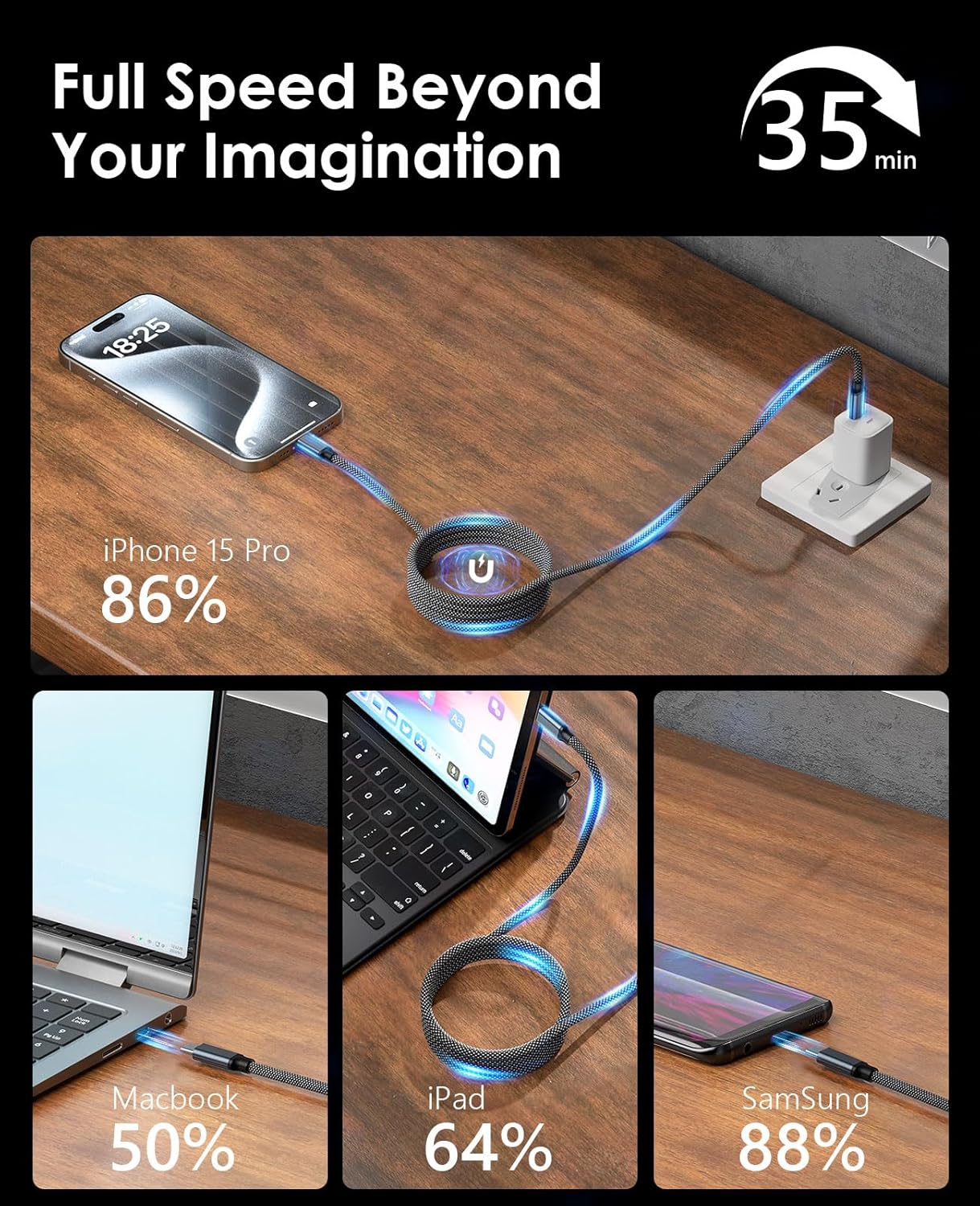
This Magtame USB-C to USB-C cable is built for fast charging where USB-C power is involved, and it adds a magnetic, self-winding approach to keep your desk or bag noticeably tidier. On paper, the pitch is clear: a high-power USB‑C cable (up to 240W) with an embedded E‑Marker chip to help the charging process behave more safely and consistently, plus a built-in magnetic way to coil the cable for easier storage.
If you’re tired of cables turning into a tangled mess, this kind of design is exactly the sort of practical upgrade that can be worth paying attention to. The magnetic coiling isn’t a gimmick “just for looks” — it’s aimed at day-to-day organisation.
That said, it’s not perfect for every scenario. The data-transfer and charging claims are there, but the note about video output is important. If you’re buying a USB‑C cable for screen mirroring or external display output, you’ll need a different cable spec.
Key features that affect day-to-day use
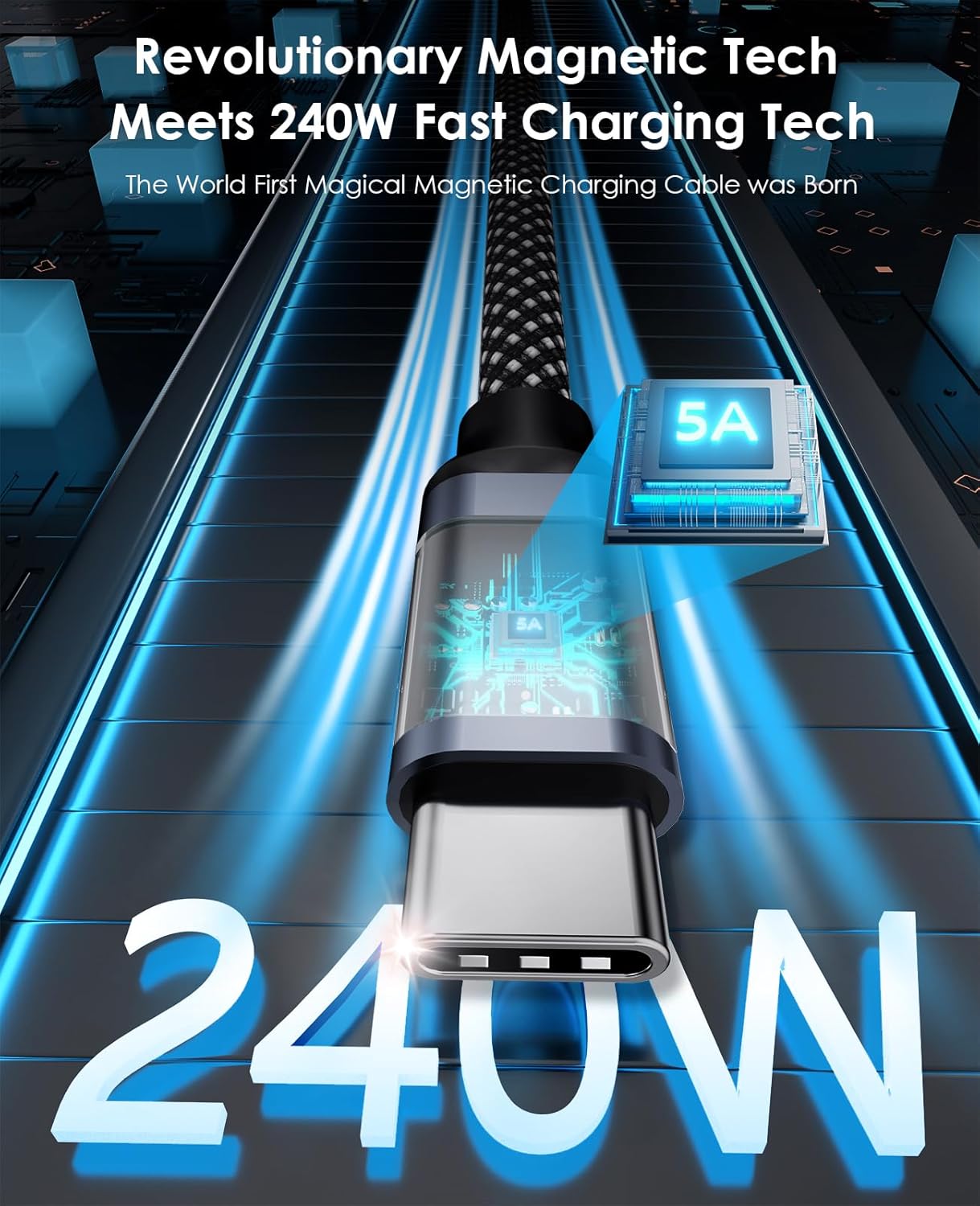
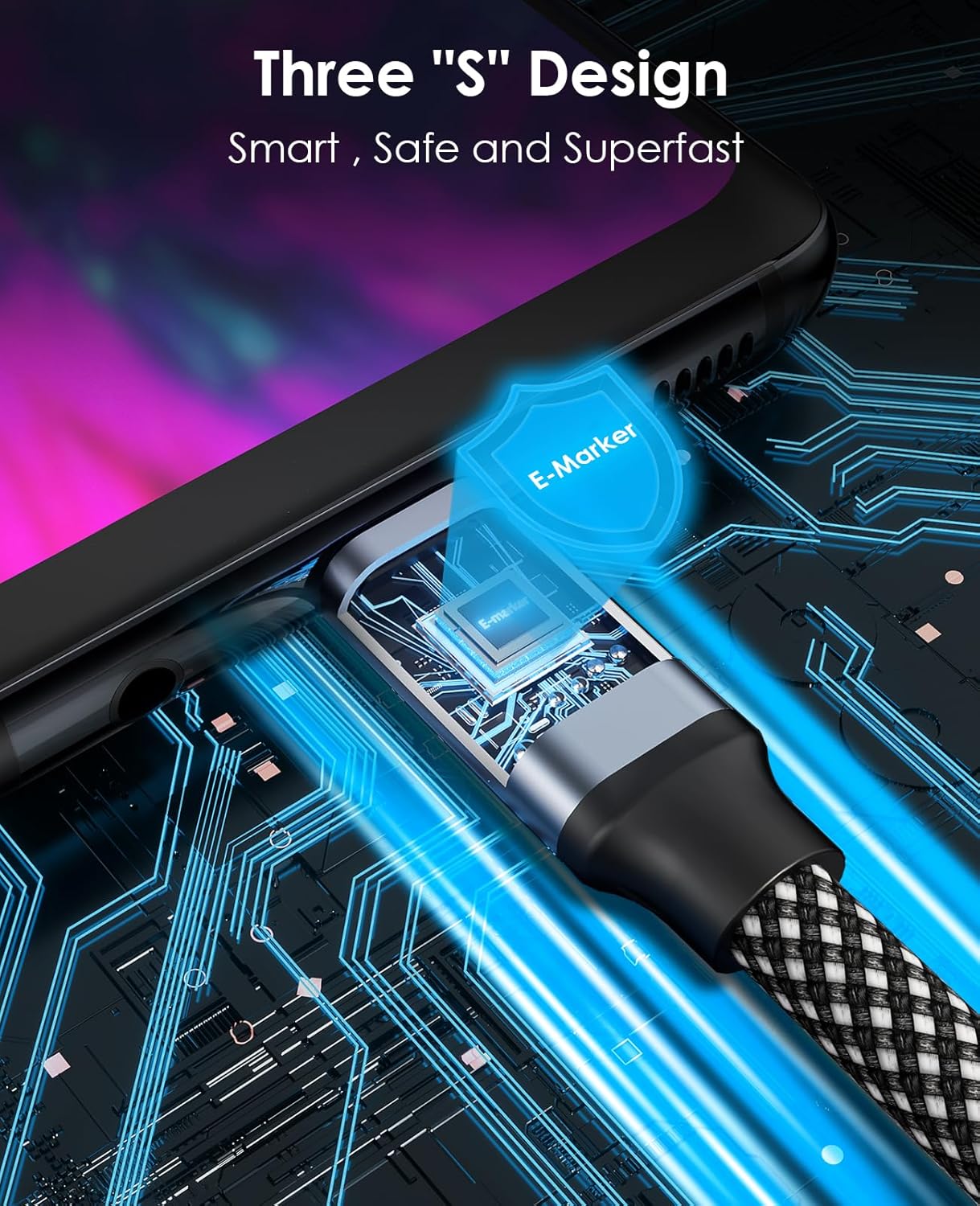
At the heart of this cable is an E‑Marker chip. In real buying terms, that matters because it’s designed to intelligently match the required current/voltage, with the goal of a more stable and safer charging experience. It also aims to keep charging temperatures lower and to stop charging once your device is fully charged, which is the kind of reassurance you tend to want from higher-power cables.
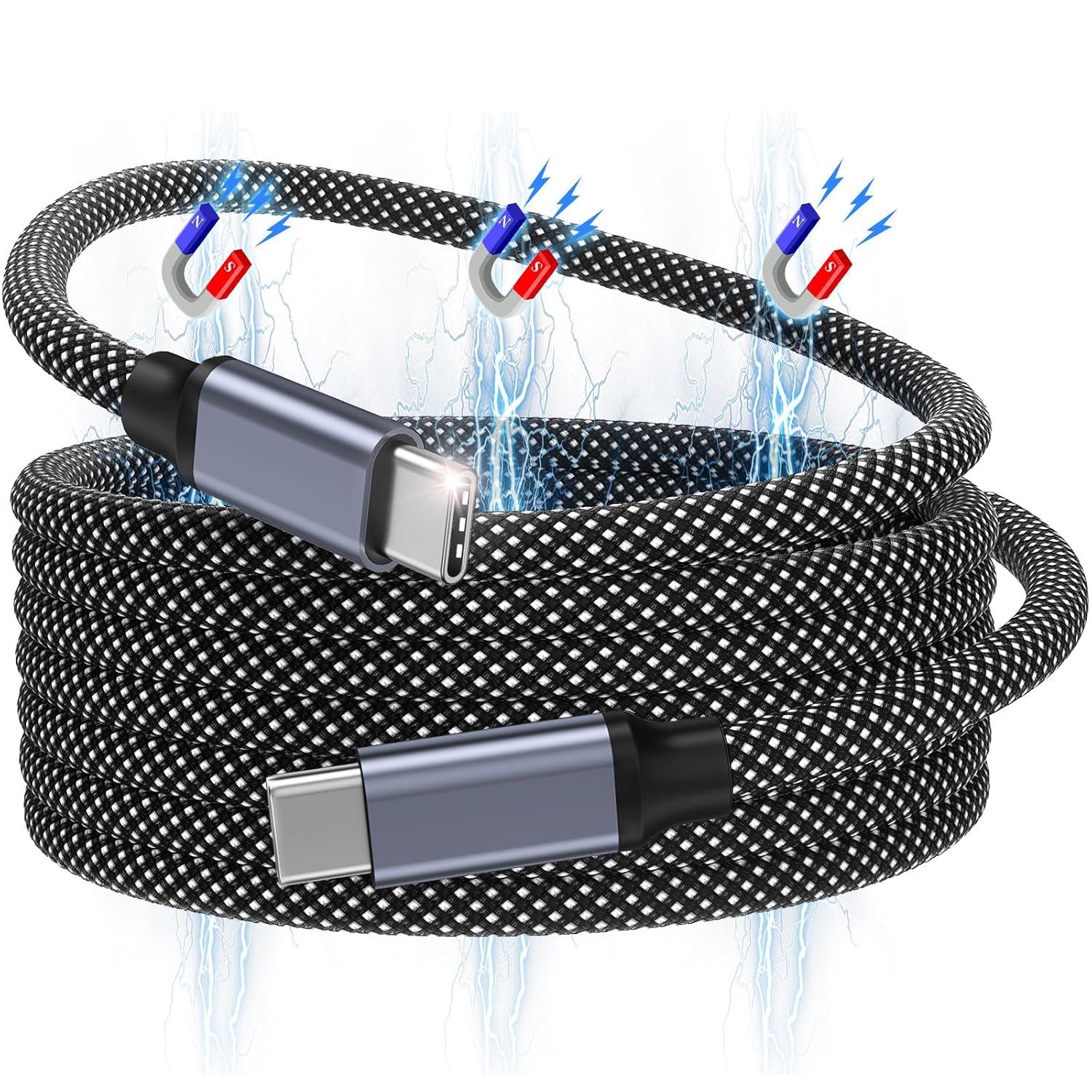
Then there’s the magnetic self-winding design. The idea is simple: instead of wrapping the cable awkwardly every time, the magnet helps the cable coil neatly so it’s quicker to pack away. If you regularly switch between a laptop, phone, and a power bank setup, that convenience can genuinely save time (and sanity).
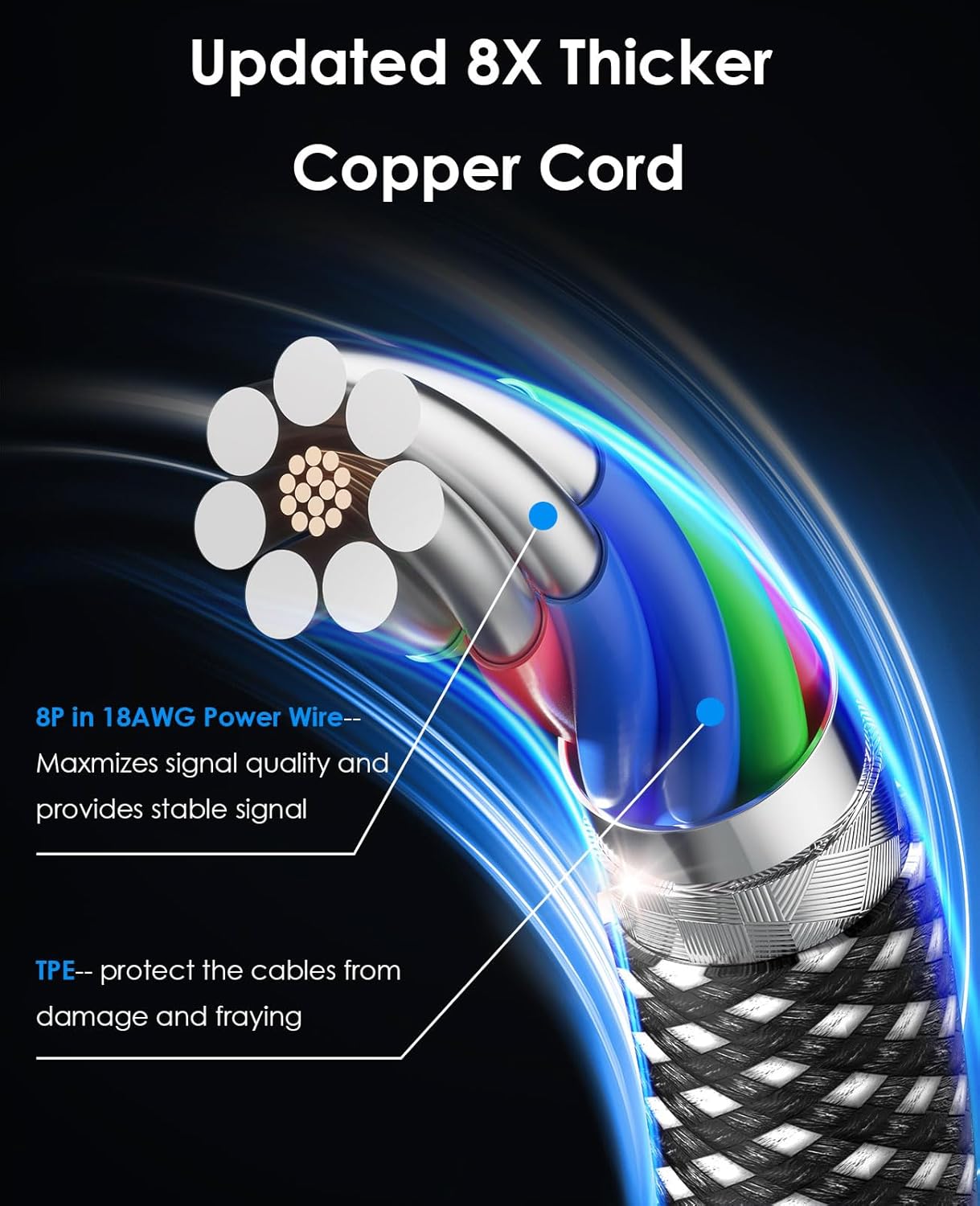
Finally, the cable is positioned as a higher-power fast-charging option. It’s stated as up to 240W, with a 5A / 48V fast charging capability.
Power, speeds, and what’s actually claimed
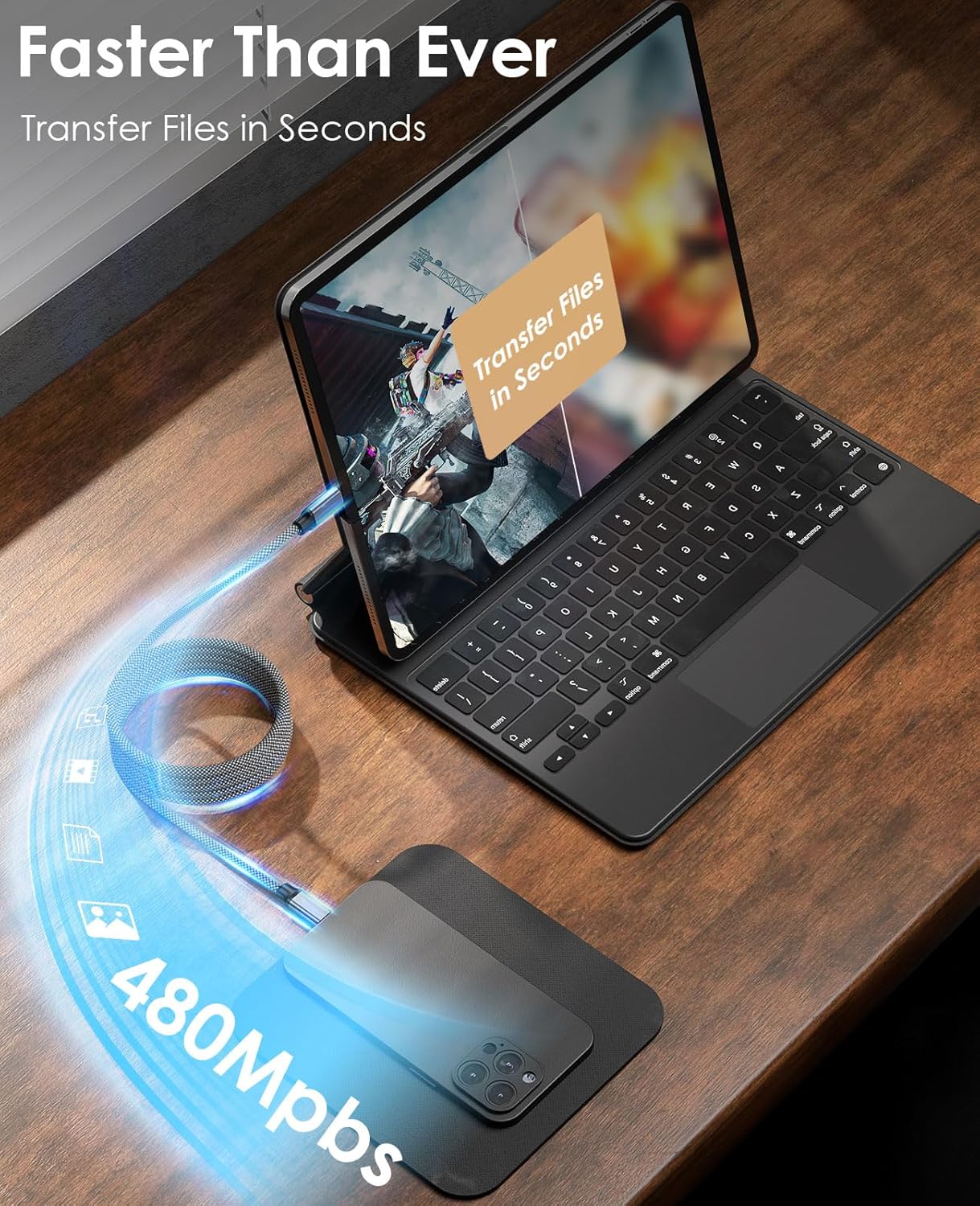
Magtame states this cable supports a range of power needs, from high power down to lower power requirements (listing multiple wattage levels such as 240/200/170/140/100/60/65W/30W/18W). It’s also described as supporting data transfer speeds up to 480Mbps.
For everyday use, that means two things: - For charging, you’re buying into the “higher power capable” side of USB‑C cables. - For file transfers, you should be able to move data at decent speeds, depending on the device and the charging adapter you’re using.
There’s also a specific claim about charging performance: charging a compatible iPhone model up to 86% in 35 minutes. Worth noting though: that kind of headline figure usually depends heavily on the phone model and the charger used. So it’s a useful signal, but it’s not something to treat as a universal guarantee.
Where it shines (and where it may fall short)
If you’re using USB‑C for a modern phone and a USB‑C laptop device, this cable’s focus on fast charging power and organisation makes sense. The magnetic coil approach is particularly appealing if you keep grabbing a cable from a bag or drawer and want it to be presentable when you lay it on your desk.
However, keep expectations realistic: - It does not support video output, so it won’t be the right choice for connecting to a monitor or dock for display purposes. - High-power capability depends on compatibility on both ends. The cable can be rated for up to 240W, but your phone/laptop and the charger you use still need to support the relevant charging profile.
So, if your goal is one cable for display output, this is probably not where you should start.
Tech summary (what to check before buying)
Here’s the practical “spec snapshot” from the information provided, focusing on what typically influences purchase decisions:
- Type: USB‑C to USB‑C data cable
- Power rating: up to 240W
- Current/voltage (fast charging): up to 5A / 48V
- Charging chip: built-in E‑Marker chip (intelligent current/voltage matching)
- Data transfer speed: up to 480Mbps
- Cable length: 5ft
- Length/style feature: magnetic self-winding (for easier storage)
One extra caution: E‑Marker chips and high-power cables are usually about “supporting” charging behaviour correctly, not making every device magically charge faster. If you prioritise speed, also make sure the charger you plug into can actually deliver the power levels you want.
Everyday use example: what it feels like in practice
Imagine you’re heading from the office to home and you’ve got your USB‑C phone and a USB‑C charger. With a standard cable, you often end up wrapping it in a hurry and then untangling it later.
With this Magtame magnetic cable, the intention is that once you’ve finished charging, you can neatly wind/coil the cable using the magnetic self-organising design. It tends to make “grab-and-go” setups smoother, especially if you frequently store cables in a laptop bag. It’s a small thing, but it’s the sort of friction reduction that you notice quickly.
Mini FAQ
Does this cable support video output?
No. It’s specifically noted that it does not support video output.
What does the E‑Marker chip do?
It’s described as intelligently adjusting to match the required current/voltage for more stable and safer charging, including aiming to help keep charging temperatures lower and to stop charging once the device is fully charged.
Will it charge everything at 240W?
Not automatically. While the cable is rated up to 240W and lists a range of supported power levels, actual charging performance depends on the device and the charger you use.
How good is the data transfer?
It’s described as up to 480Mbps for data transfer, which is suitable for quick file movement as long as the devices involved support it.
Should you buy it?
Worth considering if you want a USB‑C to USB‑C cable that’s aimed at fast charging (up to 240W on paper), includes an E‑Marker chip for charging behaviour, and you really value the magnetic self-winding design for storage and portability.
It may not be a great match if you need video output (external display), or if your main priority is a low-cost, basic USB‑C cable rather than a higher-power, organisation-focused one.
Overall, this sits in the “more capable than standard” category for USB‑C charging cables — the magnetic coil idea and E‑Marker approach make it feel more thought-through than a generic lead. But if your setup doesn’t support the higher charging profile, you might not feel the full benefit.