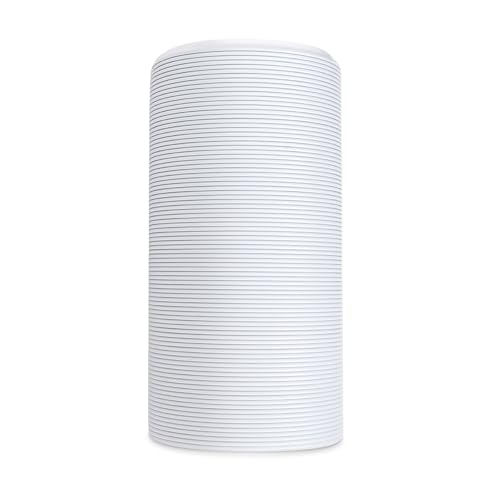
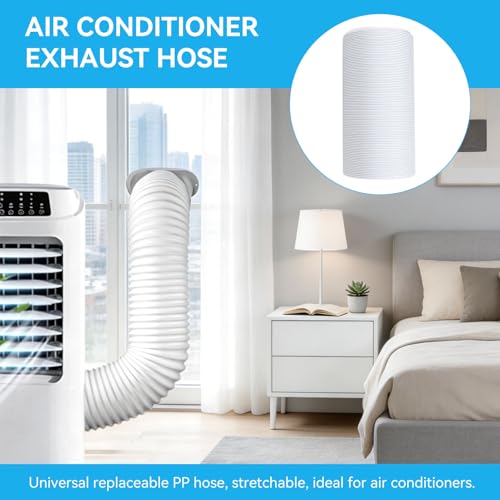
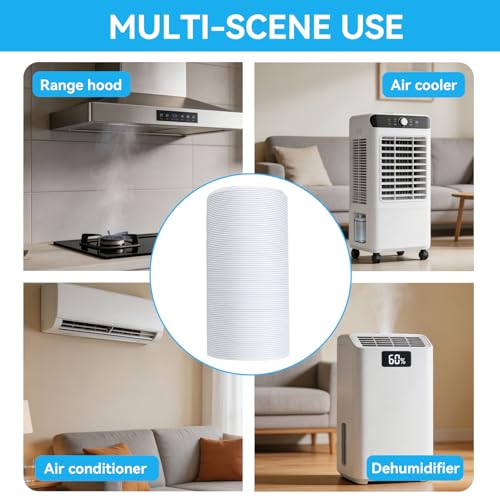
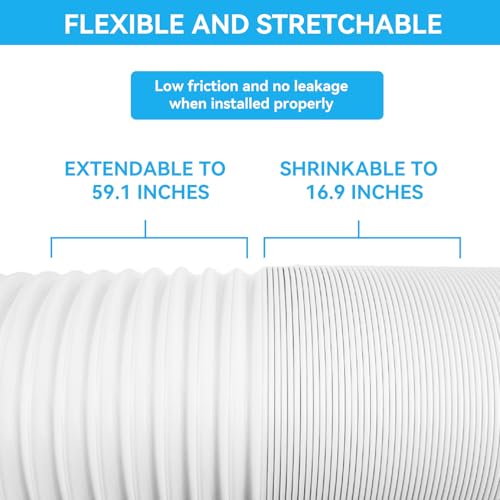
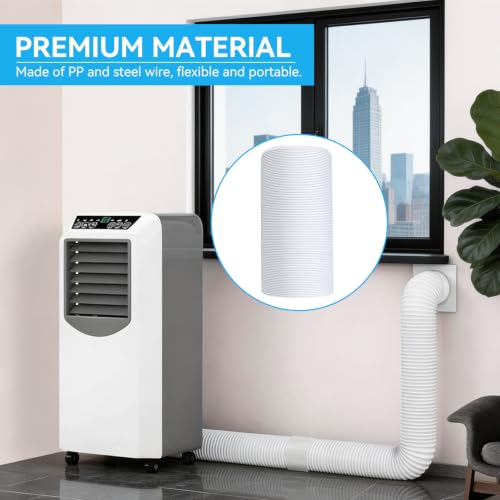
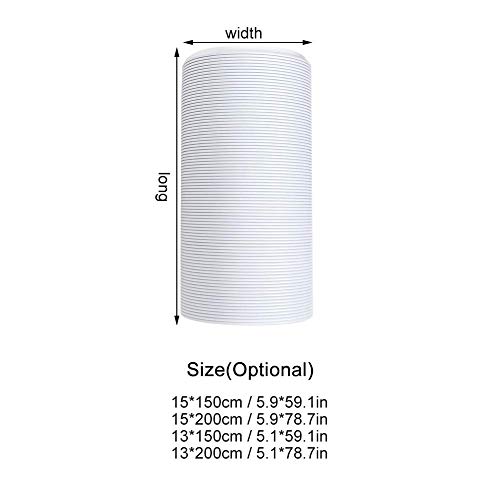
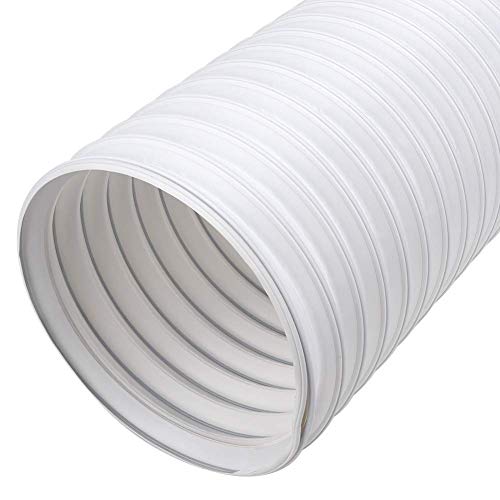
What this is and what it solves\nThe HERCHR air conditioner exhaust hose is a universal, extendable duct designed to help vent warm air and drain moisture from portable cooling units and related equipment. On the page you’ll find that the hose is described as freely extendable and retractable, which can be handy when aligning with an existing hose or a wall vent. On paper, this kind of flexibility helps reduce awkward fitment and may lower the risk of kinks that impede airflow.\n\n## Why it matters in practice\nIf you’re using a portable air conditioner, fridge or similar appliance that requires drainage, a reliable exhaust path is essential. A hose that clamps into place and claims to be leak-free at the connection can make routine condensation management less of a hassle. However, the effectiveness depends on the matching diameter at the machine interface and the integrity of the seals once connected.\n\n## Design and materials\nThe product is marketed as a PP and steel wire composite, which should offer a balance between flexibility and durability. The steel reinforcement helps resist collapse under slight bends, while the PP outer material keeps the assembly light. In theory, this combination aims to ease longer runs and repeated extensions, though real-world wear will depend on handling and ambient conditions.\n\n## What to check before you buy\nThe listing notes multiple size options. It’s important to measure your machine’s exhaust outlet to ensure compatibility, as a mismatch can prevent a secure connection. If your unit’s diameter differs from 15 cm or 13 cm, or your space requires a longer run, you’ll need to choose the corresponding size. Also consider whether the hose length needs to be fixed or frequently adjusted, as over-extensions might increase the risk of leaks at the joins if not seated properly.\n\n## Pros and cons in context\nPros: extendable length, straightforward installation, apparent leak-free connections when fitted correctly, universal applicability to portable units. Cons: performance and durability claims hinge on correct diameter matching, long-term reliability depends on handling and environmental factors, the ranges listed should be double-checked against your specific setup.\n\n## Who this is for\nThis hose could suit users with portable air conditioners, fridges or other equipment needing a drainage path and who value a flexible, easy-to-install solution. It’s more appropriate for setups where the exhaust interface is within the available size options and where the space allows a slightly longer duct run.\n\n## Who it isn’t ideal for\nIf your unit’s outlet diameter is not close to the offered sizes or if you require a fixed, rigid duct with a very specific length, this option may not be the best match. If you frequently move the appliance or subject the hose to rough handling, expect more wear over time.\n\n## Practical usage notes\nWhen installing, extend the hose to connect with the existing duct, align ends and clip into place. Take a moment to confirm a tight fit at both ends and avoid sharp bends that could restrict airflow. If your setup involves a fridge or other appliance with tight clearance, plan for a slightly longer or more flexible run to accommodate movement.\n\n## How it compares to broader approaches\nCompared with rigid or non-extendable ducts, this hose offers convenience in adjusting to different layouts. If you prioritise a permanently integrated solution, a bespoke fixed-length duct may be more reliable long-term, for temporary or mixed-use spaces, the universal range provides practical flexibility.\n\n## Quick example of use\nImagine you’ve moved house and need to vent a portable AC in a smaller room with a slightly different outlet position. A flexible hose like this allows you to stretch and align without forcing the machine to sit awkwardly, reducing strain on the connection.\n\n## Is it worth it?\nWorth considering if your setup falls within the listed diameter options and you value a simple, adjustable vent path that’s easy to install. If the machine interface differs significantly from 15 cm or 13 cm, or if you need a rigid, non-adjustable solution, you may want to look elsewhere.\n\n## FAQ (practical answers)\n1. Can I use this with a standard portable air conditioner? Yes, provided the outlet diameter matches one of the listed sizes.\n2. Will it leak if I don’t tighten the clip fully? A secure fit and proper clipping are essential to minimise leaks.\n3. How long will it last with regular use? Longevity depends on handling and environment, flexible ducts can be durable with gentle, regular use.\n