

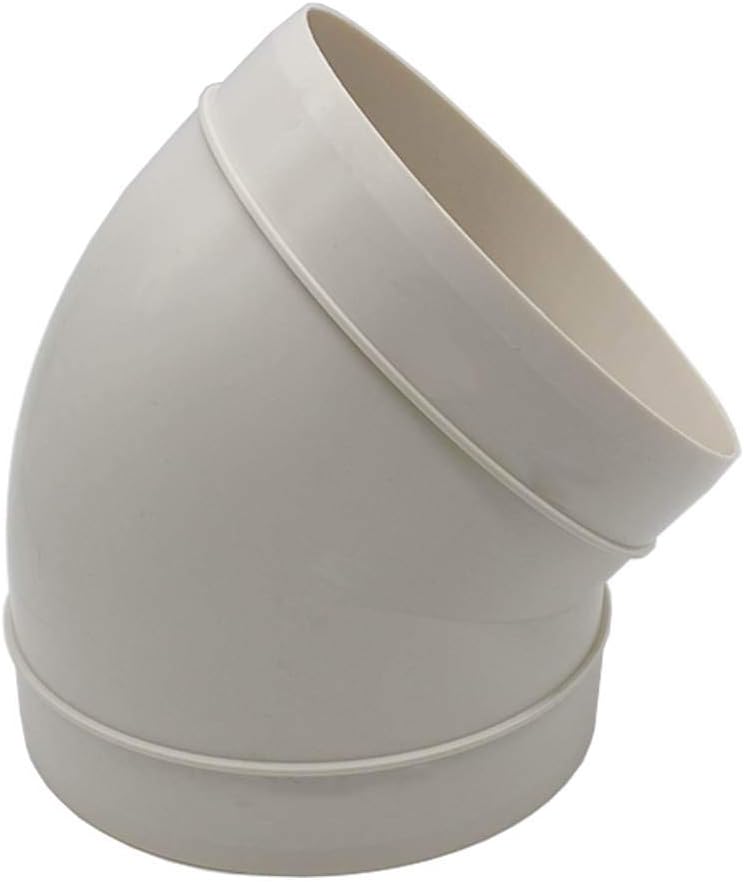
Kair 90 Degree Elbow Bend 150mm (6 inch) Plastic Ducting Joint
Product description
What it is and what problem it solves
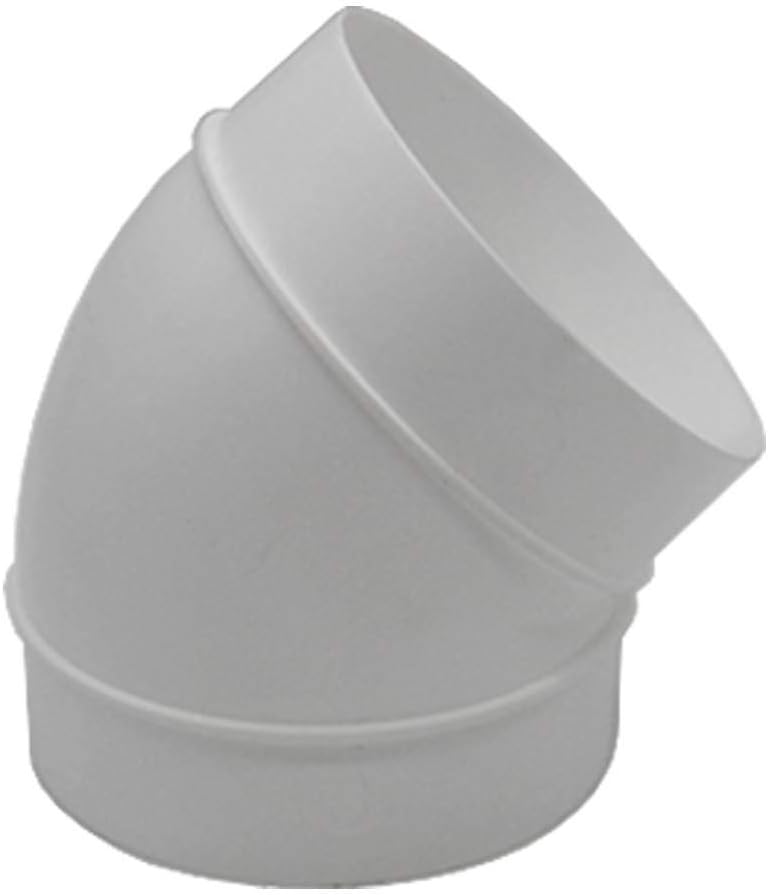
If you’re working with round ducting, elbows are the part that makes the system behave. The Kair 90 Degree Elbow Bend is a plastic ducting joint designed to let you change direction in a straight run of 150mm (6 inch) pipe or compatible round ducting setups.
On paper, it’s a simple push-fit component: a 90-degree bend with a male spigot meant to insert into a matching female connection. In real installations, that “simple” detail matters because sloppy connections are where airflow performance and fit start to slip.
A rigid elbow like this can also make a difference versus using fully flexible ducting for the whole run. Flexible ducting is convenient, but it can be more restrictive depending on the route. With this rigid bend, you’re choosing a component that’s geared towards smoother airflow through the bend area.
How it connects (and the bit you need to plan for)
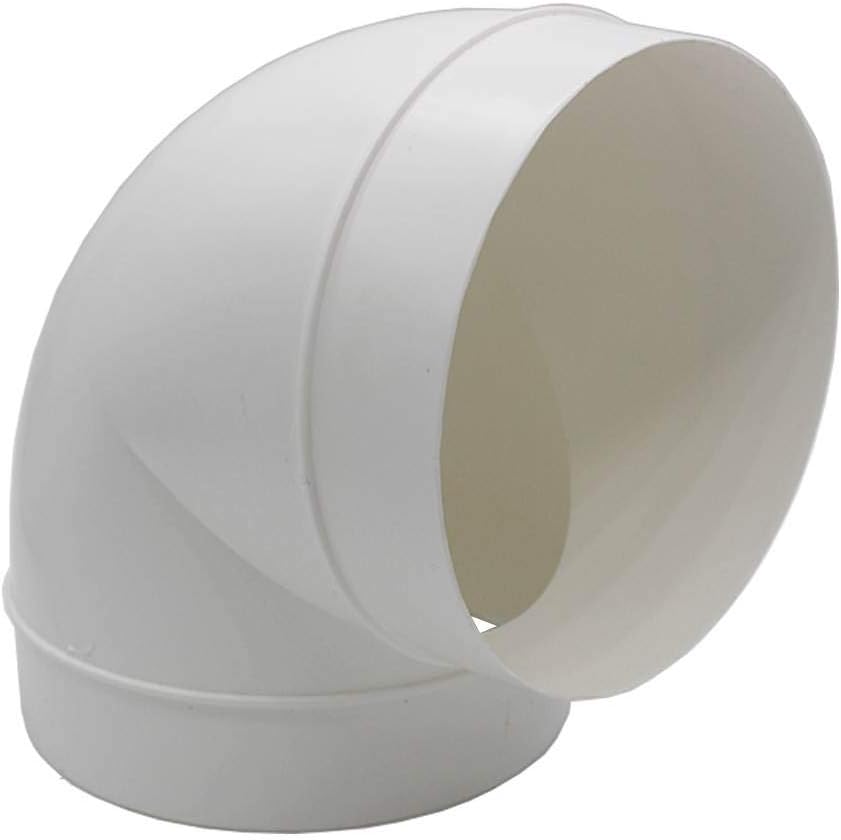
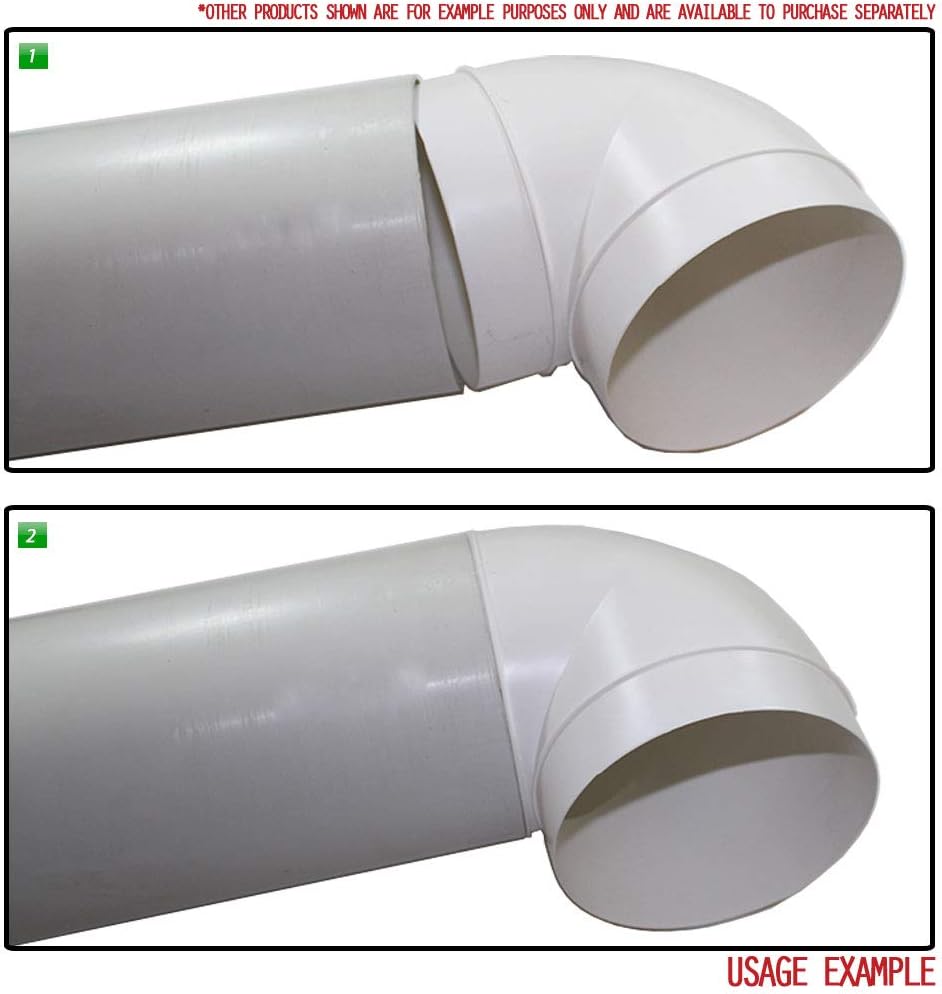
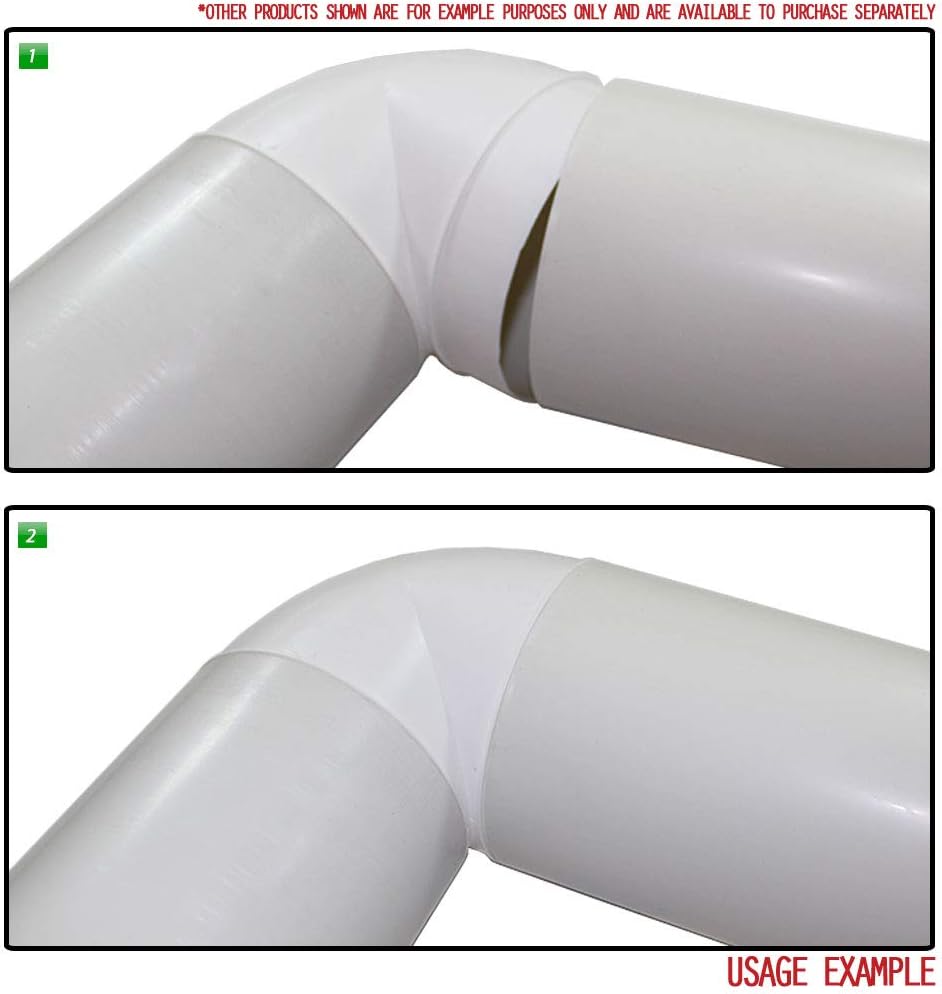
This elbow is described as having a male spigot, intended to push-fit into female parts such as 150mm round ducting pipe, or into a 152mm flexible hose when used with a hose clip or tape.
That means the connection method isn’t just “slot it in and forget it”. You may still need a hose clip or tape to secure the junction, especially when you’re adapting to flexible hose. So, it suits well if you’re comfortable with basic ducting fitting steps and have the right fastening approach to hand.
Also, for longer duct runs, the guidance included is straightforward: make sure your fan has the appropriate power to exert the required force. A bend is never the only factor in ducting performance, but it’s part of the airflow path, so it’s worth thinking about overall system resistance.
Where it fits best (typical use cases)
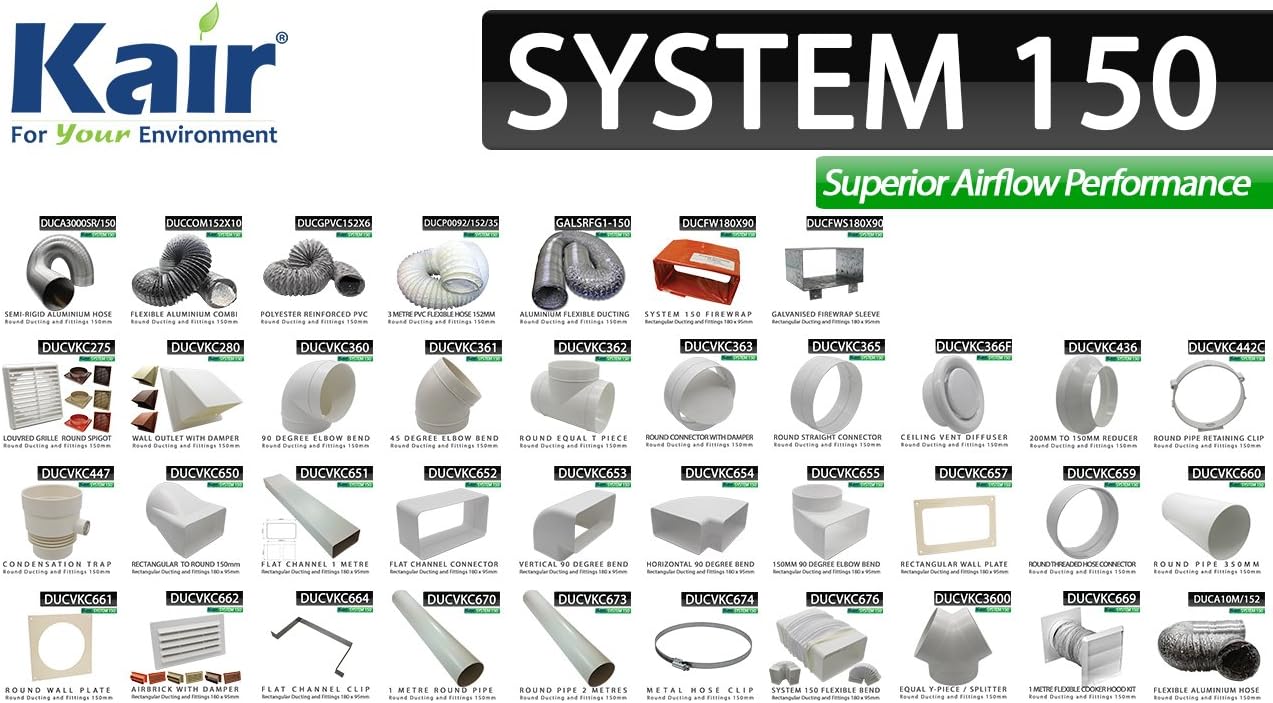
This elbow is positioned for ventilation and ducting applications, including ducting a tumble dryer, bathroom or kitchen extractor fans, in-line extract fans, cooker hoods, and other ducting and ventilation set-ups. It’s also mentioned as suitable for hydroponics ducting.
A practical example: imagine you’re running a 150mm ducting line from a bathroom extractor and need to turn 90 degrees to reach the external wall/roof outlet. Instead of flattening or heavily bending a flexible section, a rigid 90-degree elbow can help keep the route cleaner and more consistent.
What you’ll notice in day-to-day use
The pitch here is airflow. A rigid 90-degree bend is stated to offer superior airflow performance compared with flexible ducting. While you won’t feel that as a “wow” moment, it tends to show up in quieter operation and steadier extraction—especially when your run includes direction changes.
That said, it’s not automatically the best choice for every layout. If your space is awkward and you expect to twist and negotiate around obstacles, rigid elbows can be less forgiving than flexible ducting. In tight service areas, you might find yourself doing more measuring and planning than you would with purely flexible routes.
Key considerations before you buy
A few things are worth checking, because they’re the difference between a neat install and a frustrating one.
Tech specs
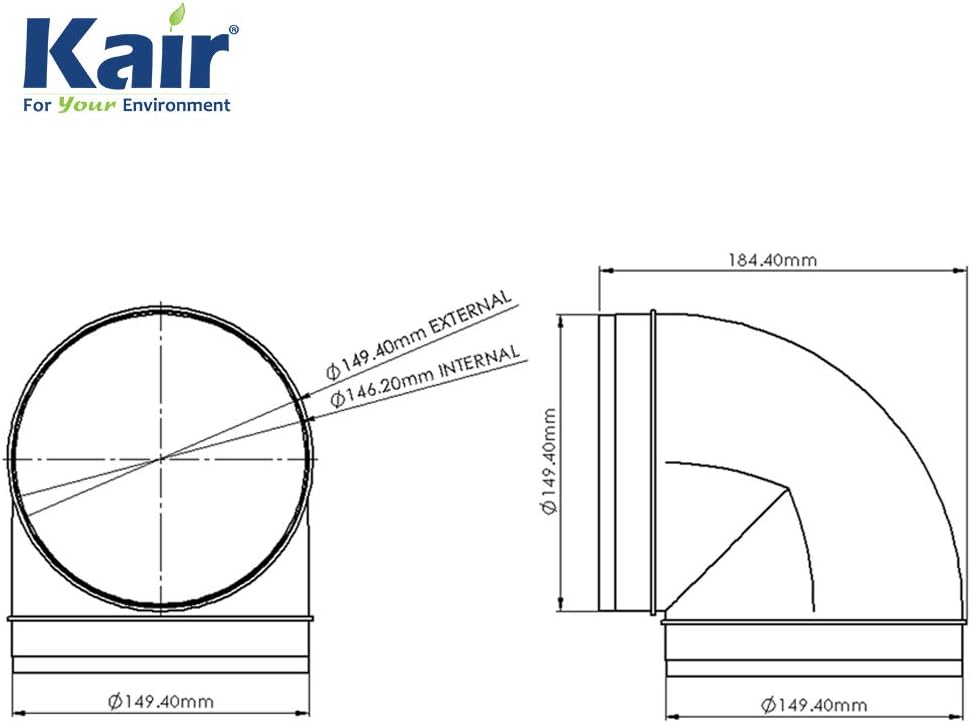
- Type: 90 Degree Elbow Bend
- Size: 150mm / 6 inch
- Material: Plastic ducting
- Connection style: Male spigot, push-fit into compatible female parts
- Intended use with hose: Compatible with 152mm flexible hose when using a hose clip or tape
Pros, cons, and who it suits
What stands out: - Proper rigid 90-degree form factor for round ducting direction changes - Male spigot push-fit approach for connecting into matching female parts - Designed with ventilation performance in mind, contrasting with flexible ducting - Includes guidance that long duct runs need a fan with sufficient power
The limitations to keep in mind: - You may still need a hose clip or tape to secure flexible hose connections - It’s best aligned to 150mm (6 inch) round ducting systems, so if your setup is a different size or a non-matching connection type, it won’t be a straightforward match - It may feel less flexible than using ducting that can twist around obstacles
It makes sense if you want a clean, more structured duct route—especially for extractor fans and tumble dryer ducting where direction changes are common. It’s also a decent fit for hydroponics-style ducting needs mentioned by the product.
It’s less ideal if you’re expecting to route through highly irregular spaces where rigid parts won’t sit naturally without forcing alignment.
Is it worth it?
A solid pick if your system is built around 150mm (6 inch) round ducting and you need a 90-degree bend with a push-fit male spigot connection. It’s particularly worth considering if you’re aiming for better airflow than you’d typically get from relying on flexible ducting throughout, and if you’re comfortable using a hose clip or tape where flexible hose is involved.
You may want to skip it if your ducting size or connection style doesn’t match what’s described (especially the female part compatibility), or if your route is so cramped that rigid sections are likely to cause alignment headaches. And if you’re planning a long run, don’t ignore the included reminder: your fan needs enough power to drive the airflow through the ducting path.
Mini FAQ
Can this elbow connect to flexible hose?
Yes, the description states it can push-fit inside compatible flexible hose (152mm) when used with a hose clip or tape.
Does it work for extractor fan and cooker hood ducting?
It’s specifically suggested for bathroom and kitchen extractor fan ducting, cooker hoods, and other ventilation applications.
What’s the connection method?
It’s described as a push-fit with a male spigot designed to go into matching female parts.
Do long duct runs need extra consideration?
The product guidance notes that for long duct runs, you should ensure your fan has the appropriate power to exert the required force.