

Harris Essentials 3" Paint Brush for Walls & Ceilings (DIY)
Product description
If you’re the kind of DIYer who likes a neat finish around the awkward bits, this 3" Harris Essentials paint brush is built for that job. It’s aimed at cutting in and getting a clean edge where rollers and big brushes just don’t quite reach.
For smaller areas, corners, and detailed wall/ceiling work, it focuses on smooth, even paint pick-up rather than trying to be a one-brush-does-everything tool. That makes it a sensible “grab-and-go” option for most home redecorating tasks.
The essentials
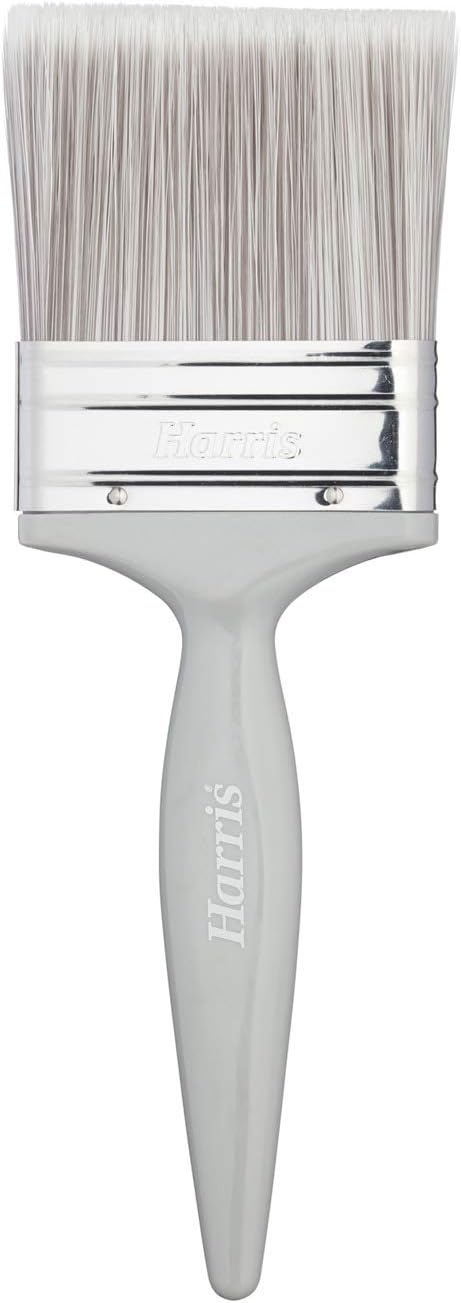
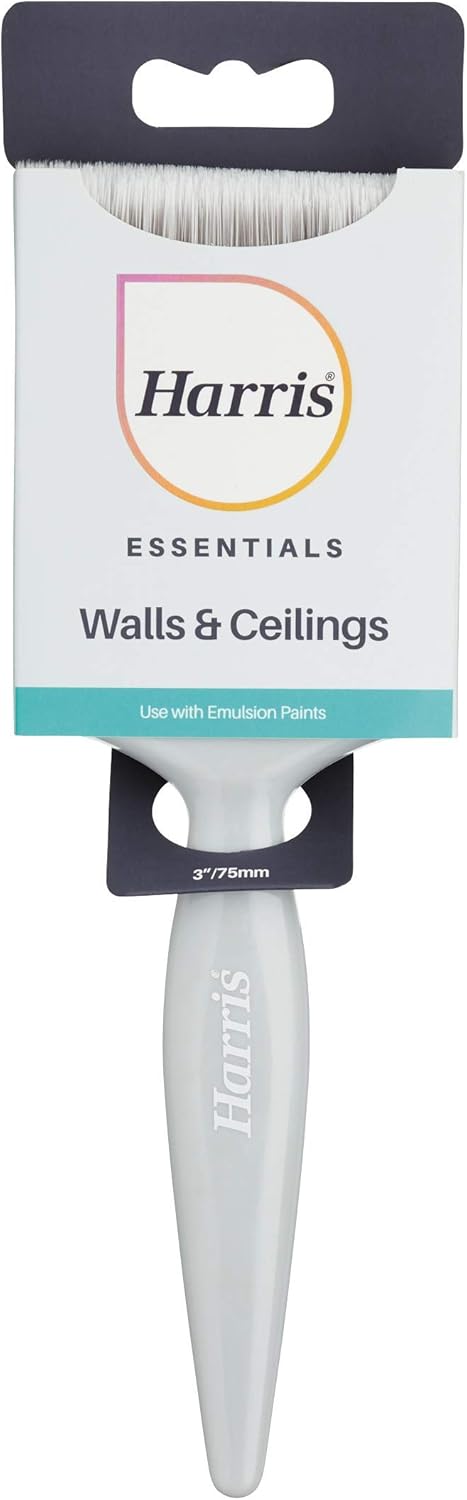
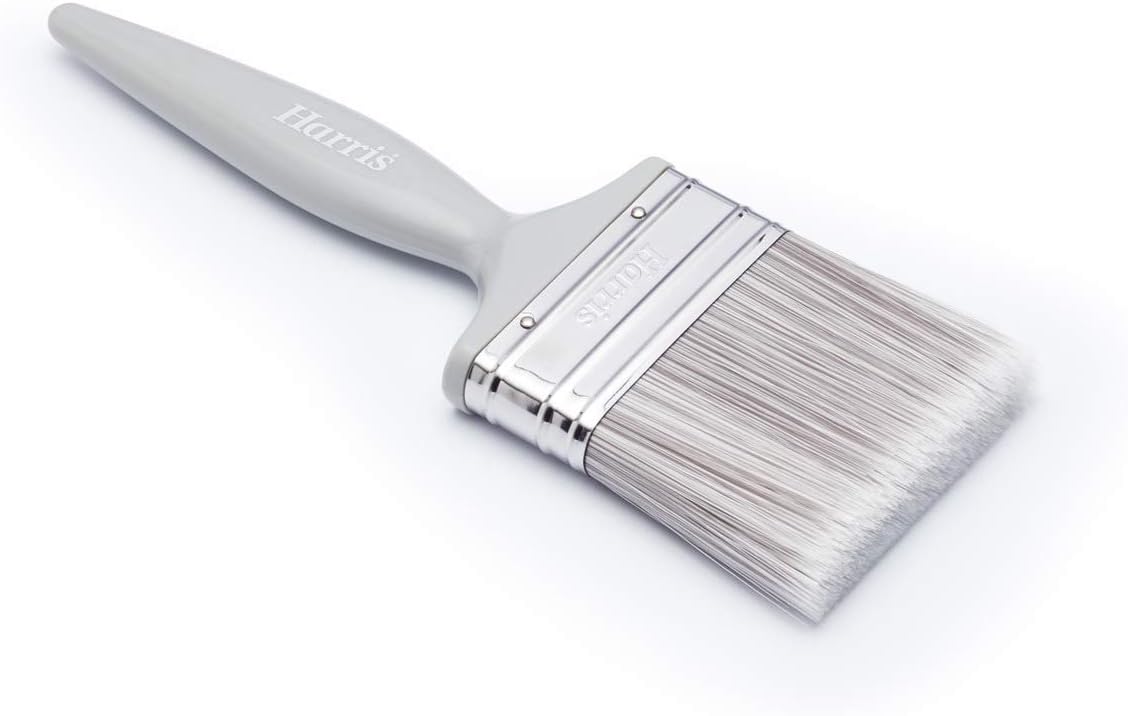
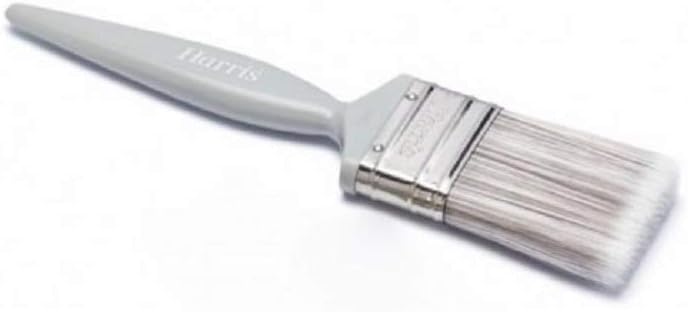
This is a 3" synthetic filament brush head designed for painting walls and ceilings, particularly when you need precision. The filament head is described as retaining water-based paint to help deliver an even flow, which is useful when you’re filling in smaller sections or working along lines you want to keep crisp.
It’s also clearly positioned for “cutting in” work around common fixtures—think plug sockets, light switches, and skirting boards—where you’re painting carefully in tight spaces and don’t want to overwork the edge.
There’s an easy-grip handle for comfortable control during longer decorating sessions, and cleanup is straightforward: rinse it under the tap after painting.
What it’s good at (and what to expect)
On paper, the brush’s 3" width tells you where it fits in your kit. It’s not meant for covering big wall areas quickly, it’s more for accuracy—edges, corners, and smaller patches—where a wider brush would be more awkward.
A practical way to judge whether it suits you is to picture the last time you had to paint around a skirting board. With a brush like this, you can paint a tidy line up the edge, then switch to a roller (or a different brush) for the broader surfaces once the border is done. That approach typically looks cleaner and is less stressful than trying to freehand everything in one go.
Keep in mind that this brush is described around water-based paint. If you’re planning to use something outside that category, you’ll want to double-check suitability before committing.
Key features you’ll notice in use
The synthetic filament head is the main functional detail. Because it’s said to retain water-based paint, it should help you maintain a steadier flow as you work—useful when you’re cutting in near sockets and switches and want less inconsistency in the brush marks.
The comfortable, easy-grip handle matters more than people expect. Cutting in can take time, and hand fatigue can creep in quickly if the handle feels awkward. Here, the design is meant to support longer sessions.
Finally, the cleaning instruction is refreshingly simple: rinse under the tap after painting. For many people, that alone is enough to choose a brush that’s less hassle once the fun part is over.
For whom it makes sense
It’s a good fit if you want a dedicated cutting-in brush for DIY wall and ceiling jobs, especially when your project involves lots of edges and obstacles.
It makes sense if your decorating routine is usually “prepare the border carefully, then fill the rest” rather than trying to cover everything with one tool.
It may not suit you if your priority is fast coverage over large, open wall areas. In that case, you’d likely want something wider or more coverage-focused for the big sections.
Tech specs
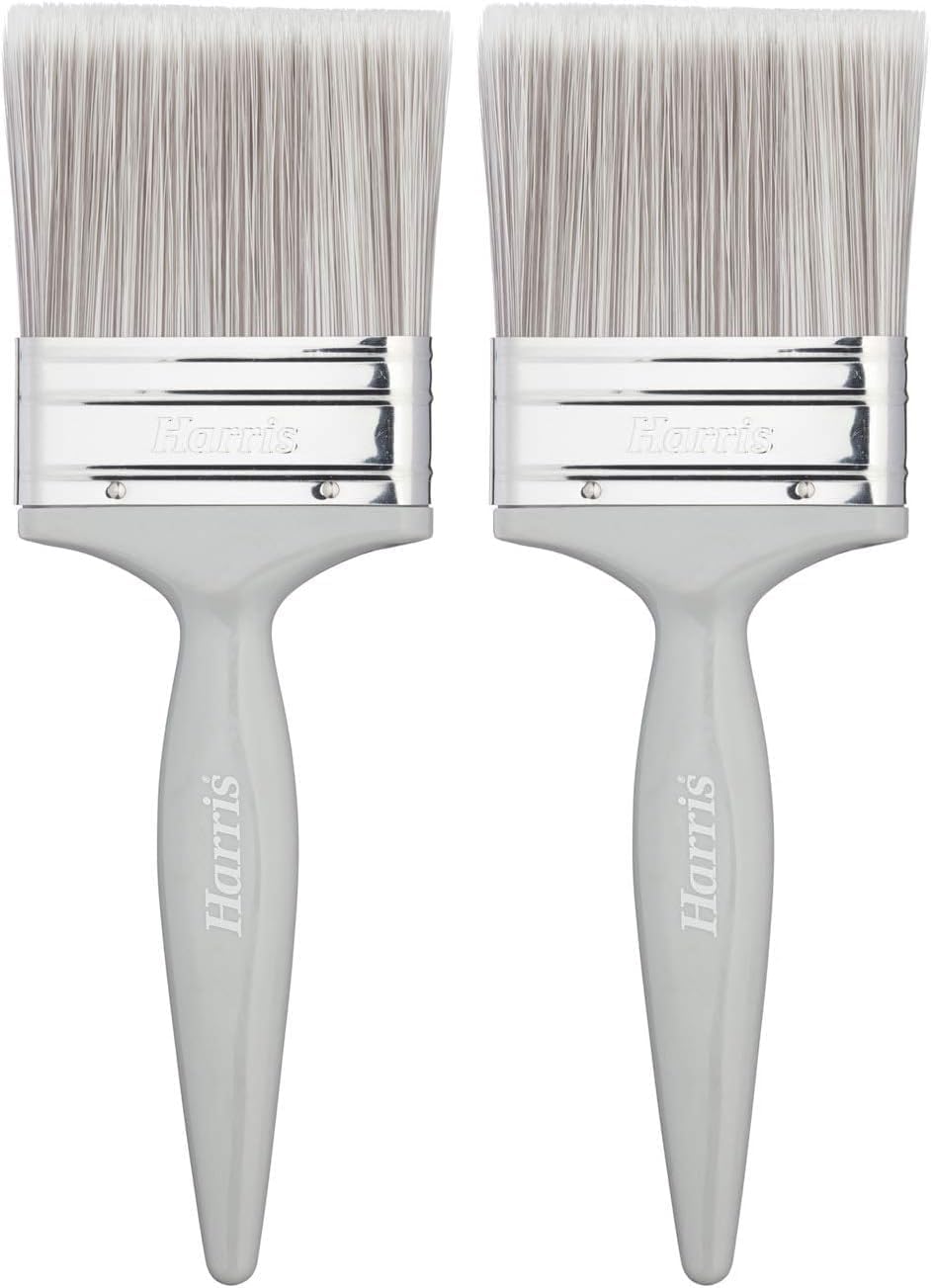
- Name: Harris Essentials Paint Brush
- Type: Paint brush for walls & ceilings (DIY)
- Size: 3"
- Brush head: Soft synthetic filament brush head
- Paint compatibility (stated): Water-based paint
Care & maintenance
After painting, rinse the brush under the tap. It’s not described with any other special maintenance steps, so the main idea is to clean it promptly so the bristles stay usable for your next session.
What to check before you buy
Before you add it to your tools, check two things:
First, confirm your paint is water-based, since the brush is described in that context.
Second, think about the size of the job. A 3" brush is a strong choice for edges and smaller areas, but it can feel slow if you’re trying to cover the whole room in one pass.
If you’re deciding between tools based purely on convenience, this one looks like it would work well as your “precision brush” while you handle coverage with a roller or a broader brush.
Mini FAQ
Is this brush suitable for cutting in around plug sockets and light switches?
It’s specifically described as ideal for cutting in around plug sockets, light switches, and skirting boards, so yes—within the kind of careful edge work those details require.
What kind of paint is it designed for?
The brush head is described as retaining water-based paint, helping with an even flow.
How do I clean it after painting?
Rinse it under the tap after painting.
Will it cover large wall areas quickly?
Because it’s a 3" brush and is positioned for edges, corners, and smaller areas, it’s more about precision than rapid coverage.
Final verdict
This Harris Essentials 3" brush is worth considering if you’re doing DIY painting on walls and ceilings and you need a reliable cutting-in tool for edges, corners, and smaller areas—particularly around sockets, switches, and skirting boards. The synthetic filament design for water-based paint and the easy-grip handle are the two elements that make it practical for day-to-day redecorating.
It might not be the best choice if you’re trying to cover large areas as quickly as possible, or if your project uses paint outside the water-based category. If those apply, you may want a different type of brush for the main coverage work, and keep this one for the detail lines.