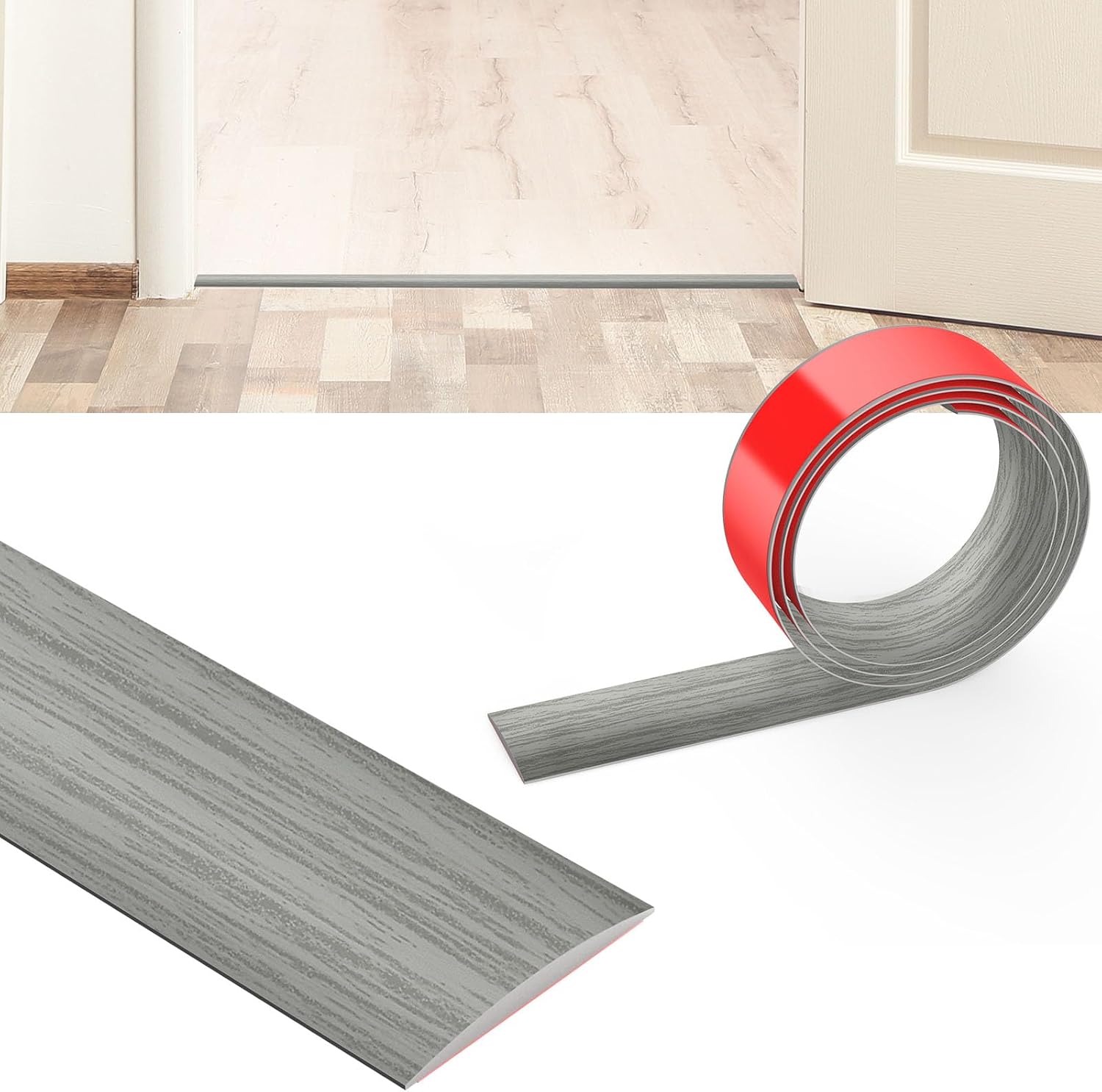
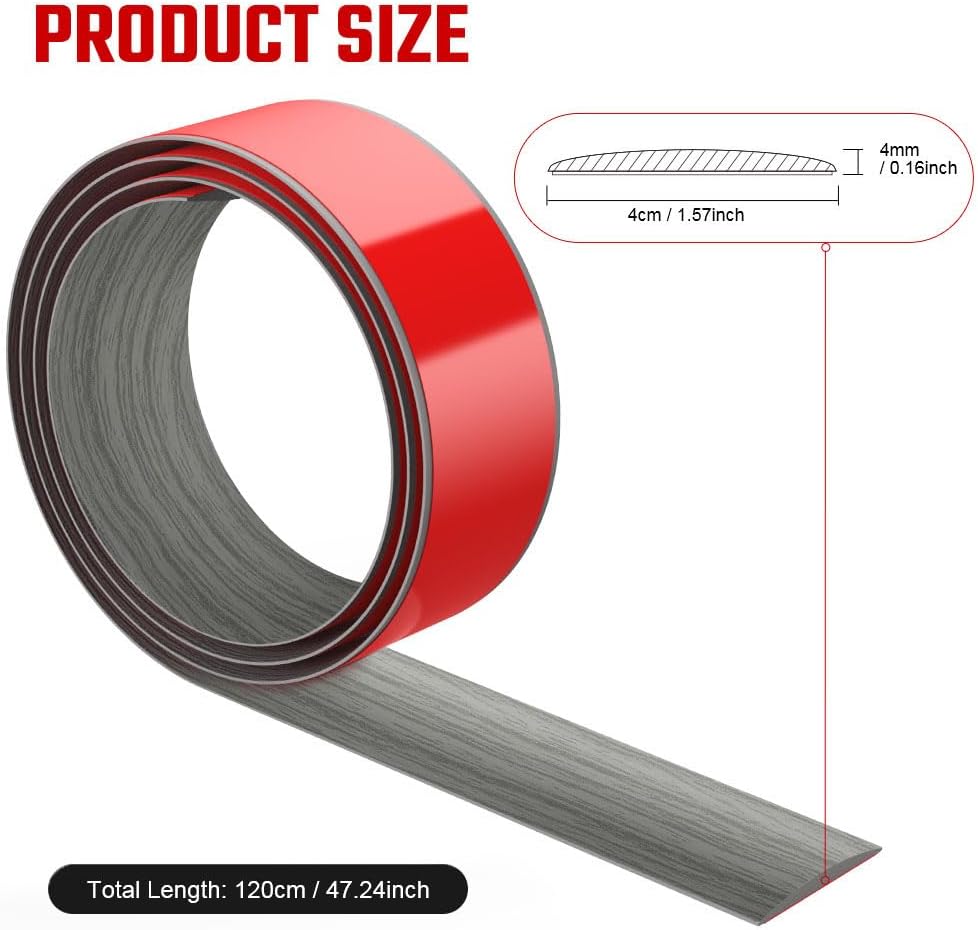
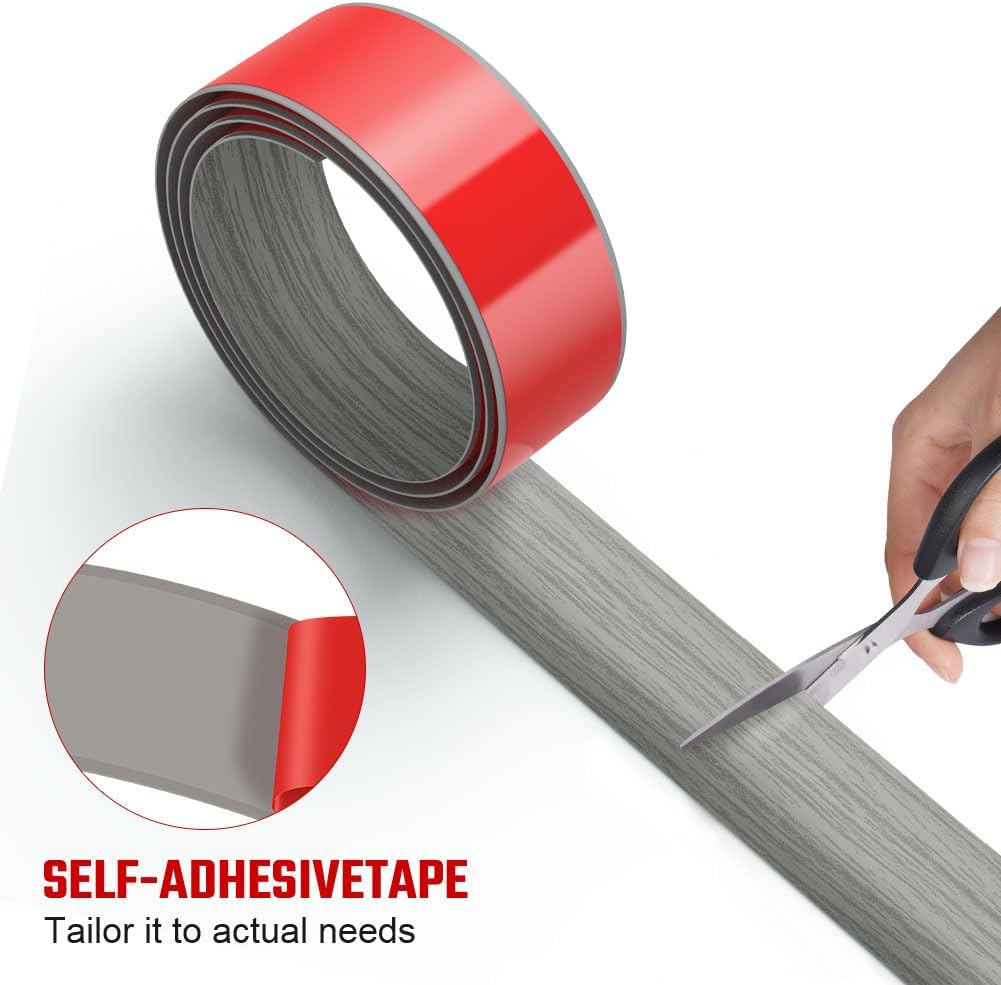
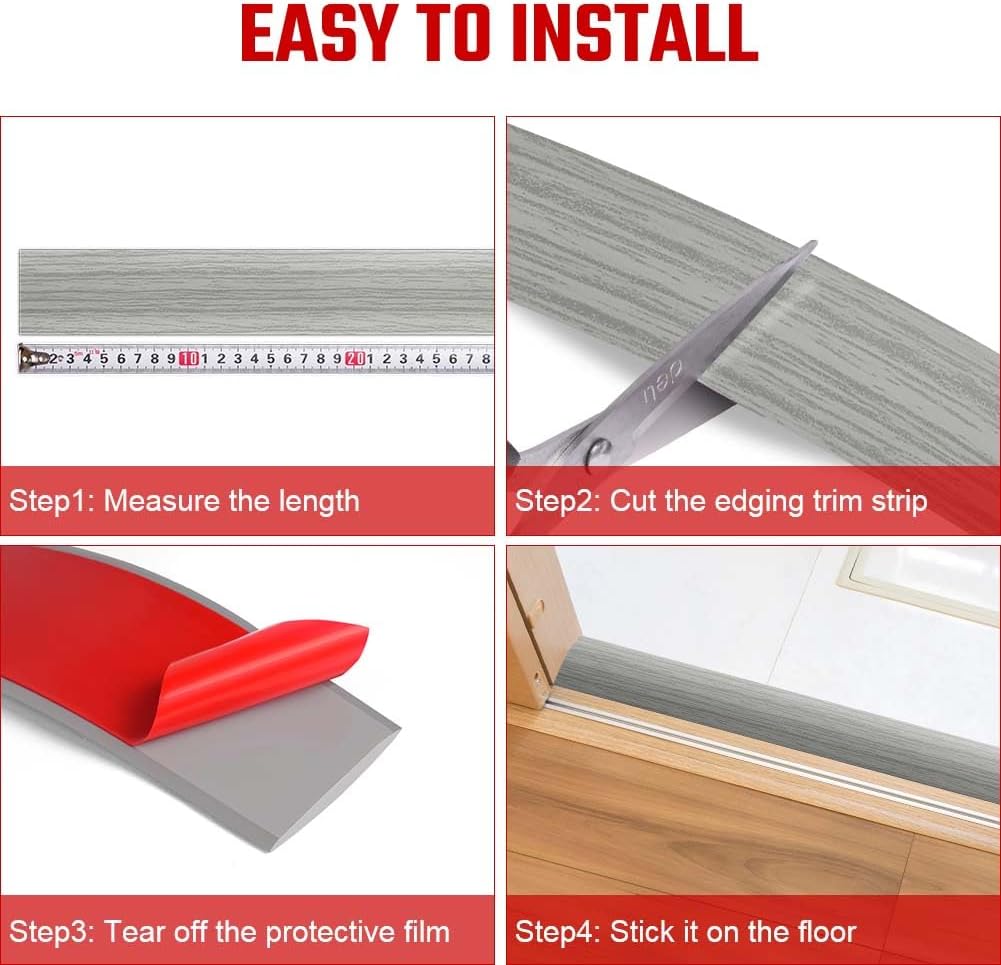
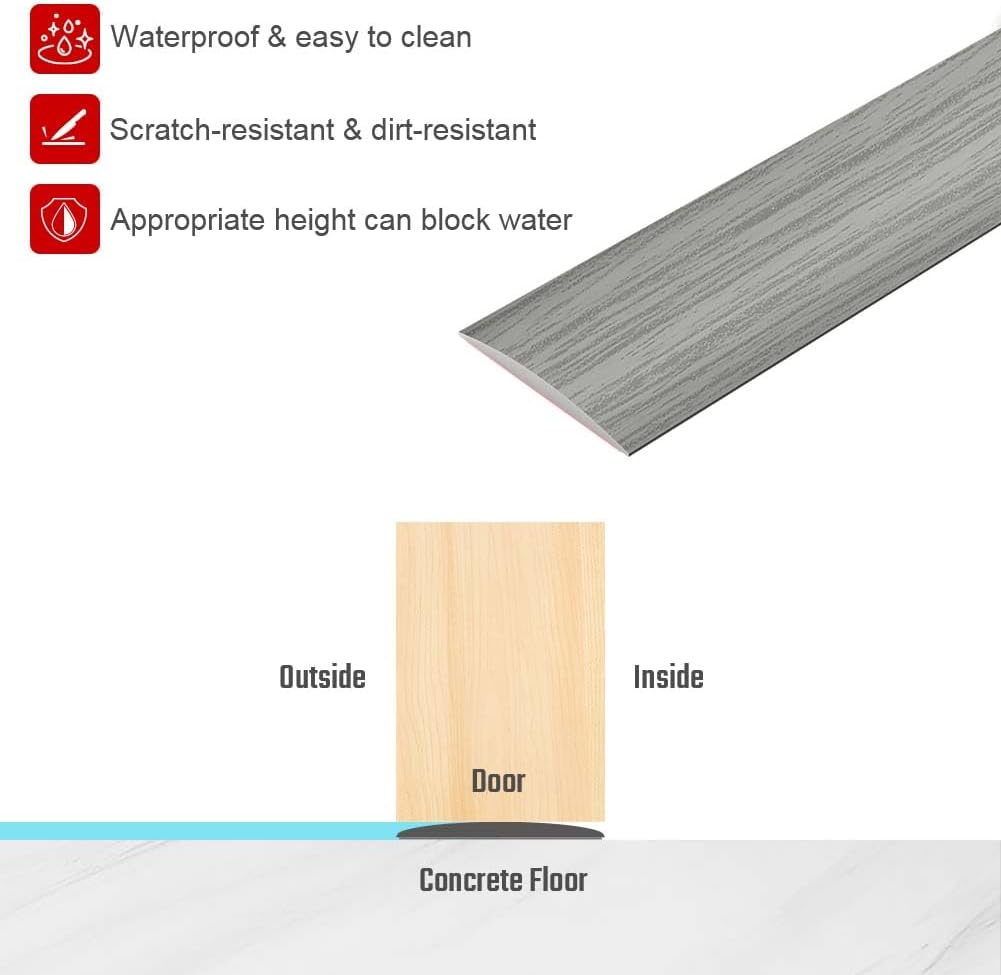
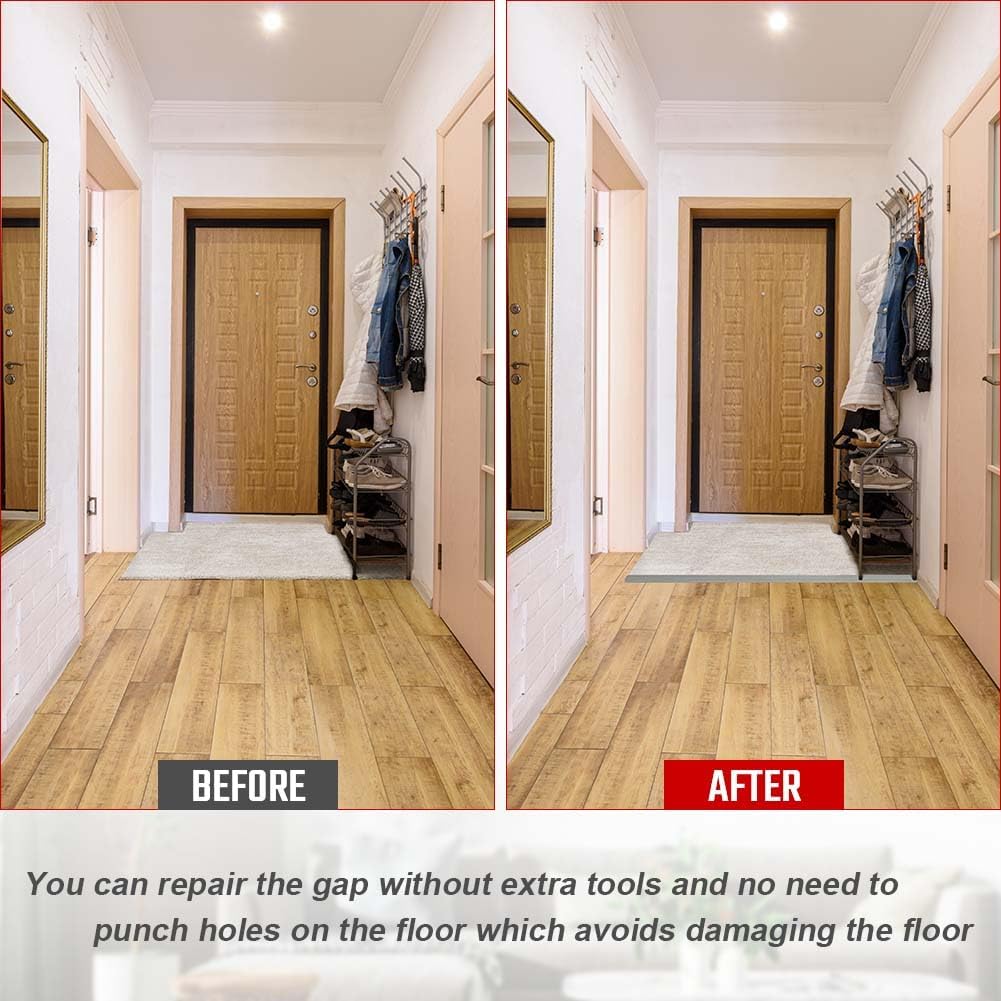
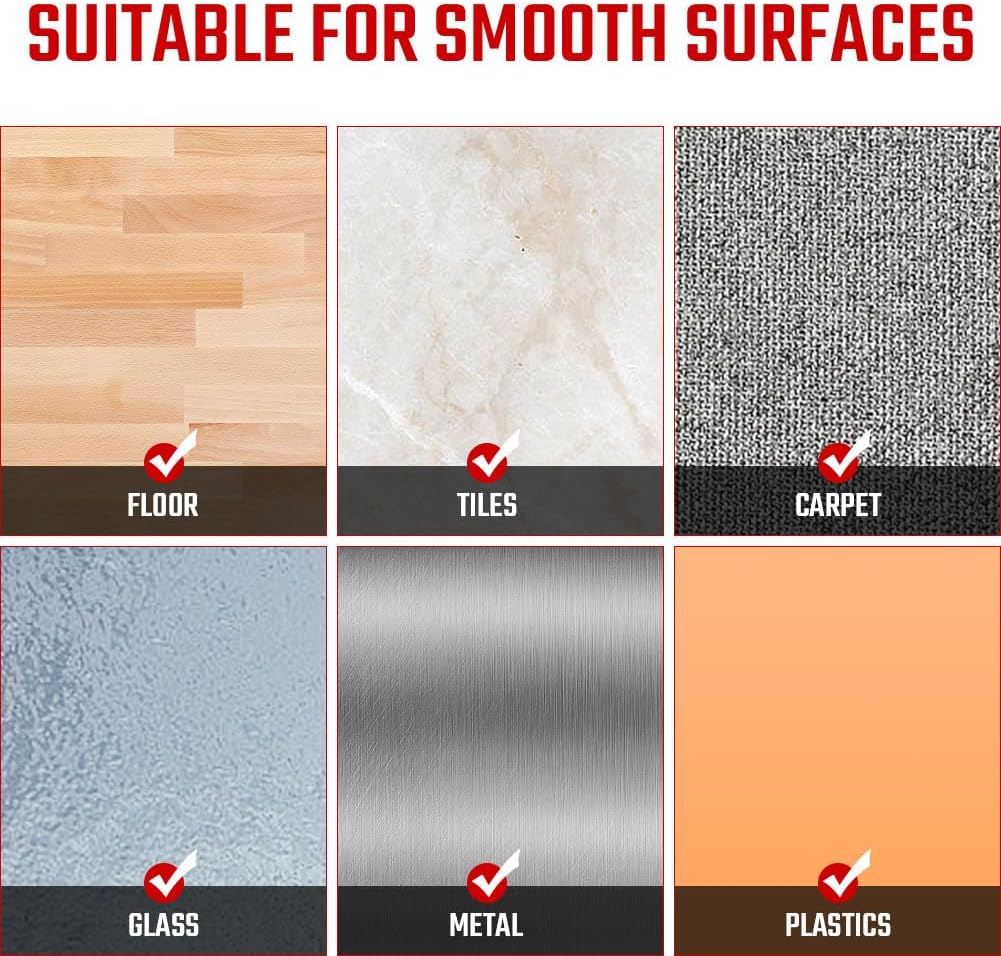
What it is and what it’s for\nThe Flintronic floor transition strip is a PVC-based edge and gap filler designed to join different floor surfaces and tidy up transitions between carpet, tiles, or other flooring. It aims to reduce tripping hazards, seal minor gaps, and provide a cleaner boundary between rooms. On the paper, it looks like a straightforward, self-adhesive strip, but the real value lies in how it’s applied in everyday spaces.\n\n## Construction and materials\nMade from PVC, the strip is described as wear and scratch resistant with mildew resistance. The material is marketed as environmentally friendly, odourless and non-toxic, with the practical upside of being easy to clean. While these claims are useful for households prioritising low-toxin finishes, it’s sensible to verify expectations against real-world wear.\n\n## Cuttable length and sizes\nA key practical feature is its cuttable design. The strip is available in lengths of 1.2 m, 2 m and 3 m, with two width options: 4 cm and 5 cm. The 5 cm width is recommended for gaps under 3 cm, while the 4 cm version suits gaps under 2 cm. If your space isn’t perfectly aligned with standard sizes, you’ll need to measure and cut to fit.\n\n## How it’s installed\nInstallation is adhesive-driven with no screws required. You simply peel the backing and stick it to a clean, dry surface. The manufacturer notes you may need to heat the piece with a hair dryer if it has bent during transport to achieve a flatter bond. This is a small extra step, but it can improve the finish in some spaces.\n\n## Practical uses beyond a doorway strip\nBeyond hiding gaps, the strip can serve multiple roles: waterproofing a seam, securing floor edges, partially dividing spaces, or marking the threshold between carpet and tile. It’s a simple tool for people tackling DIY repairs or light renovations.\n\n## Where it fits best\nThis strip is meant for common living areas such as bedrooms, living rooms, kitchens and even showers, and it can also be used decoratively for frame edging or borders. It’s positioned as a versatile, low-profile solution rather than a high-end, architectural finish.\n\n## What to check before buying\n- Confirm your gap size to select the correct width (4 cm vs 5 cm).\n- Ensure the installation surface is clean and dry for the adhesive to hold.\n- Expect possible bending in transit and plan to re-shape with heat if needed.\n- Consider whether an adhesive-backed strip matches the traffic level of the area, high-traffic doorways may wear faster.\n\n## What you’ll notice in use (practical example)\nImagine a living room transitioning to a tiled kitchen. The strip creates a gentle, unobtrusive boundary that reduces the risk of catching a toe on a jagged edge and keeps the two surfaces visually separated without a heavy floor transition. In a busy household, the quick install helps you finish the job without hiring a contractor.\n\n## FAQ (quick clarity)\n- Can I cut it to fit my space? Yes, it’s designed to be cut to the required length.\n- Do I need tools? No screws are required, just the adhesive backing.\n- What if it doesn’t lie flat? A hair dryer can help flatten it after transport, ensure the surface is clean before re-application.\n\n## Final section: decision point\n### Final verdict\nIf you need a practical, budget-friendly way to bridge small floor gaps and tidy transitions between carpet and tile, this Flintronic strip offers straightforward installation and flexible sizing. It’s best for straightforward spaces with modest gaps and when you’re looking for a quick, non-permanent fix. It may not be the best option if you expect heavy traffic, require a premium finish, or need a precise seam appearance in a high-end project. Consider the 4 cm vs 5 cm widths carefully to avoid over- or under-covering gaps.\n\n## What stands out\n- Simple, adhesive installation without screws.\n- Cuttable lengths and two width options to fit common gaps.\n- Versatile uses beyond joining floor types.\n\n## Bottom line (for who it makes sense)\nIt makes sense for casual DIYers or households seeking a quick improvement to floor transitions where gaps are moderate and a discrete edge is desired. If you prioritise durability under heavy daily use or premium aesthetics, you may want to explore higher-end options or alternative gap-filling approaches.