

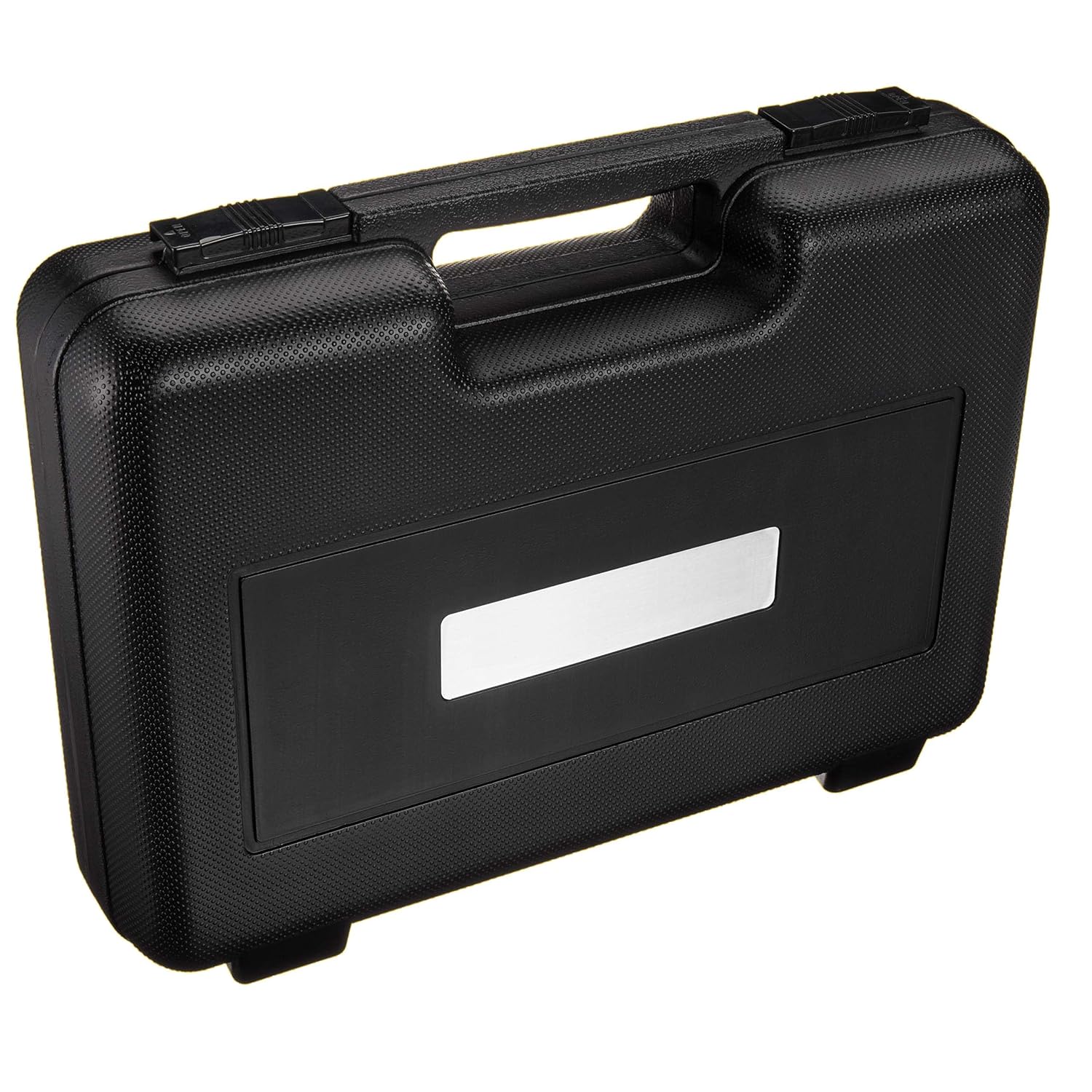
Amazon Basics Cable locator (Black): pragmatic tool for quick cable tracing
Product description
What it is
The amazon Basics Cable locator is a simple, purpose-built tool aimed at helping you trace electrical cables and bundles behind walls or under floors. Sold under the Amazon Basics umbrella, it’s positioned as a functional option for a straightforward cable-check when planning installations or avoiding accidental damage. On the page, the product is described as an Amazon Brand content item with a note that details are to follow, which means you should expect a basic, no-frills device focused on practical use rather than advanced features.
Who it’s for
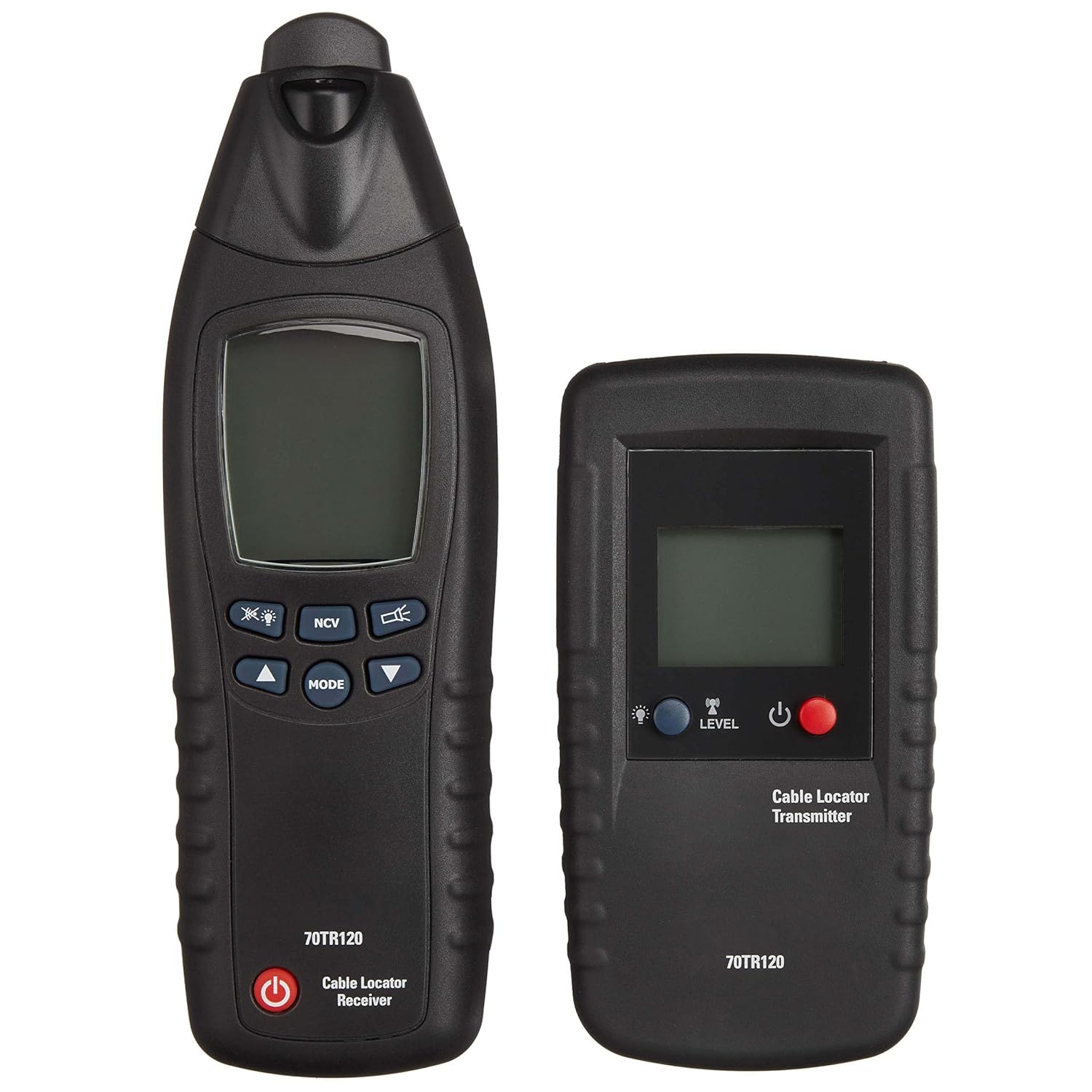
This kind of locator tends to suit DIYers, handymen, and homeowners who want a reliable way to identify where cables run before drilling or cutting. If you frequently work on home projects or want a simple test tool to reduce the risk of hitting live wires, this product is oriented toward sensible, value-for-money use rather than heavy-duty professional work.
How it works (on paper)
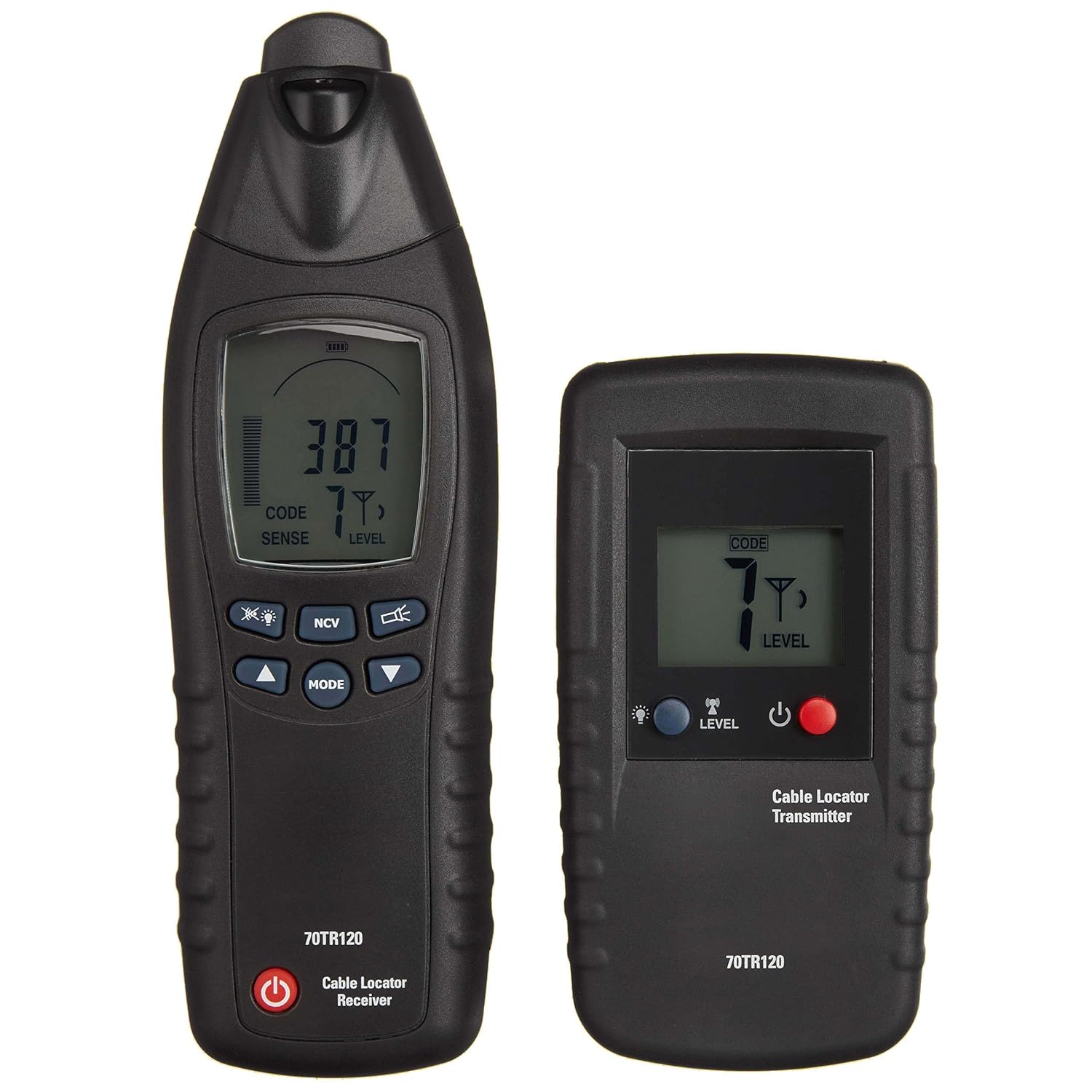
Cable locators typically operate by injecting a small signal into a conductor and then detecting it from the surface. The idea is to help you map out cable routes and avoid mistakes. Because the available information is limited, you should treat it as a baseline option rather than a specialised instrument. It isn’t presented as a full technical manual here, so plan to supplement your understanding with practical testing and common-sense checks during use.
What stands out
On the page, this model is a clean, approachable option within the Amazon Basics range. It’s designed to be easy to pick up and use for everyday tasks, offering a straightforward path to locating cables without the need for complicated settings. If you prioritise a compact, budget-conscious tool for light to moderate tasks, it may fit that brief.
What may miss the mark
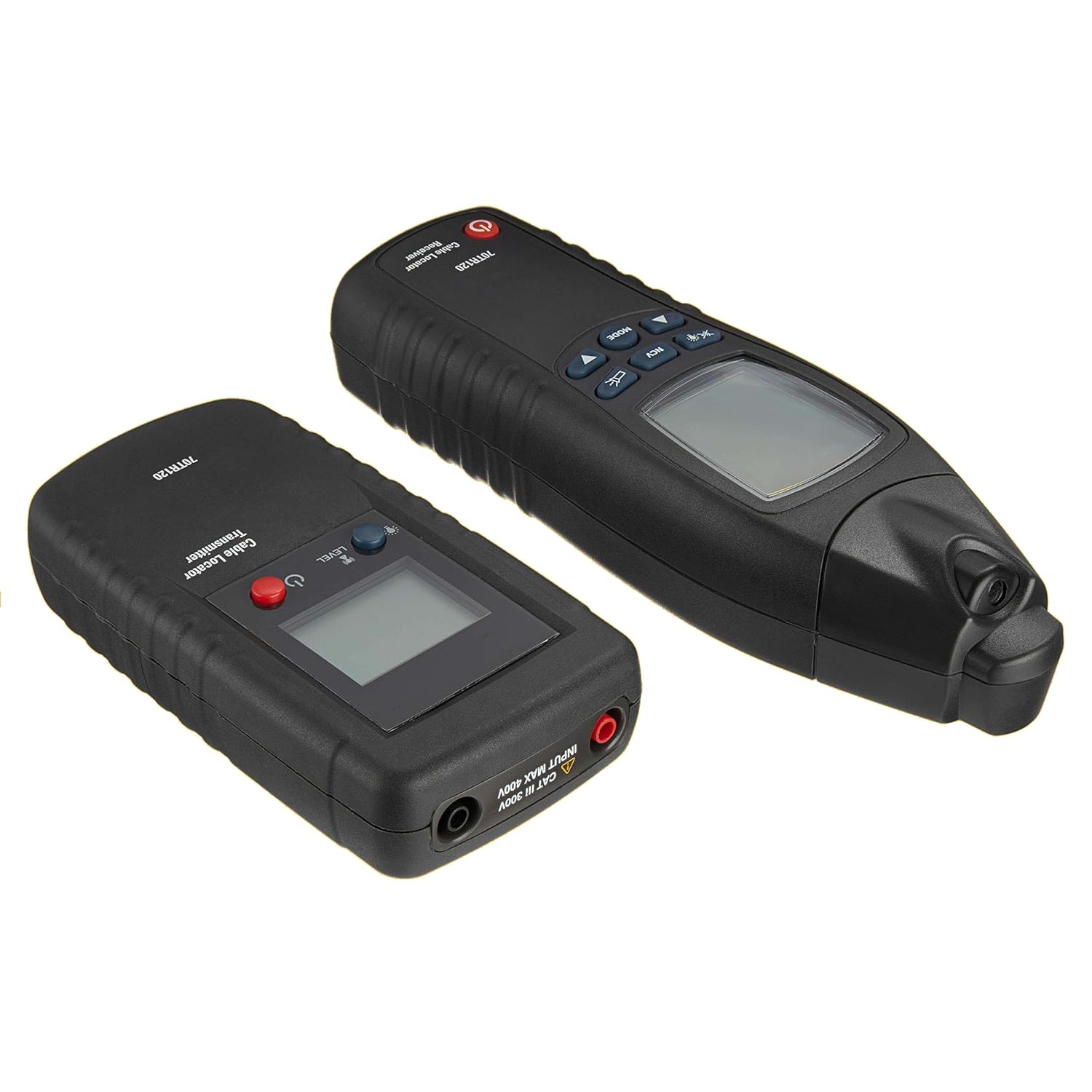
The limited description in the listing signals that some details—such as specific operating ranges, accuracy, or additional features—aren’t disclosed. If you require a high-precision professional locator or a model with many modes, this particular product may not be the best match. It’s reasonable to expect that it won’t replace more capable devices in demanding environments.
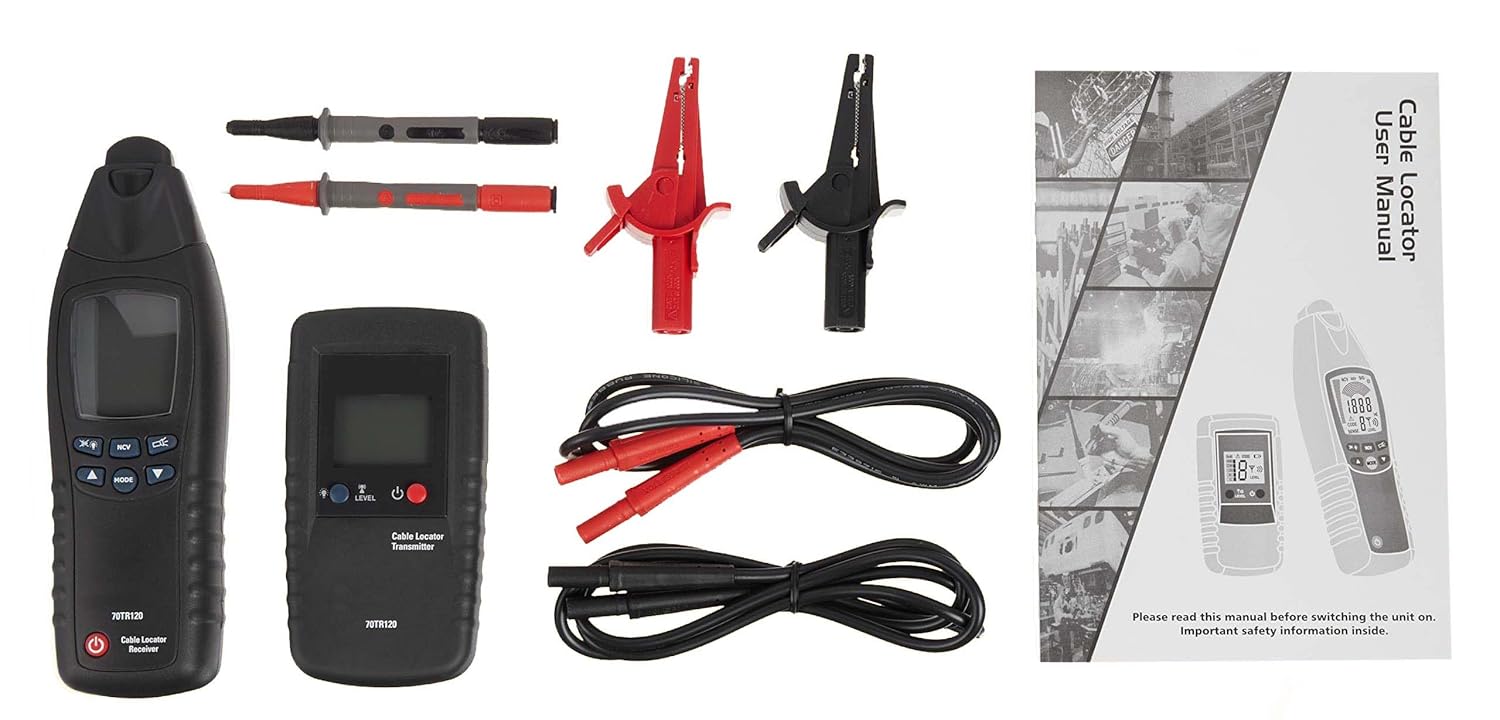
Considerations before buying
- Clarify your primary use: simple identification in basic DIY scenarios is more aligned with this product than professional, high-precision work.
- Check compatibility with the types of cables you intend to locate and the working conditions in your space.
- Plan for practical needs like battery life, ease of calibration, and how robust the unit feels in hand.
- If you value a strong after-sales policy or detailed specifications, you may want to compare with models that publish clearer technical data.
How it compares to other approaches
If you’re choosing between this and more feature-rich locators, the decision often comes down to price and simplicity. A basic tool can be perfectly adequate for routine household tasks and quick checks, whereas advanced models might offer multi-signal modes, higher accuracy, or broader material detection. For casual use, the Amazon Basics option could deliver acceptable results with less upfront investment.
Practical usage example
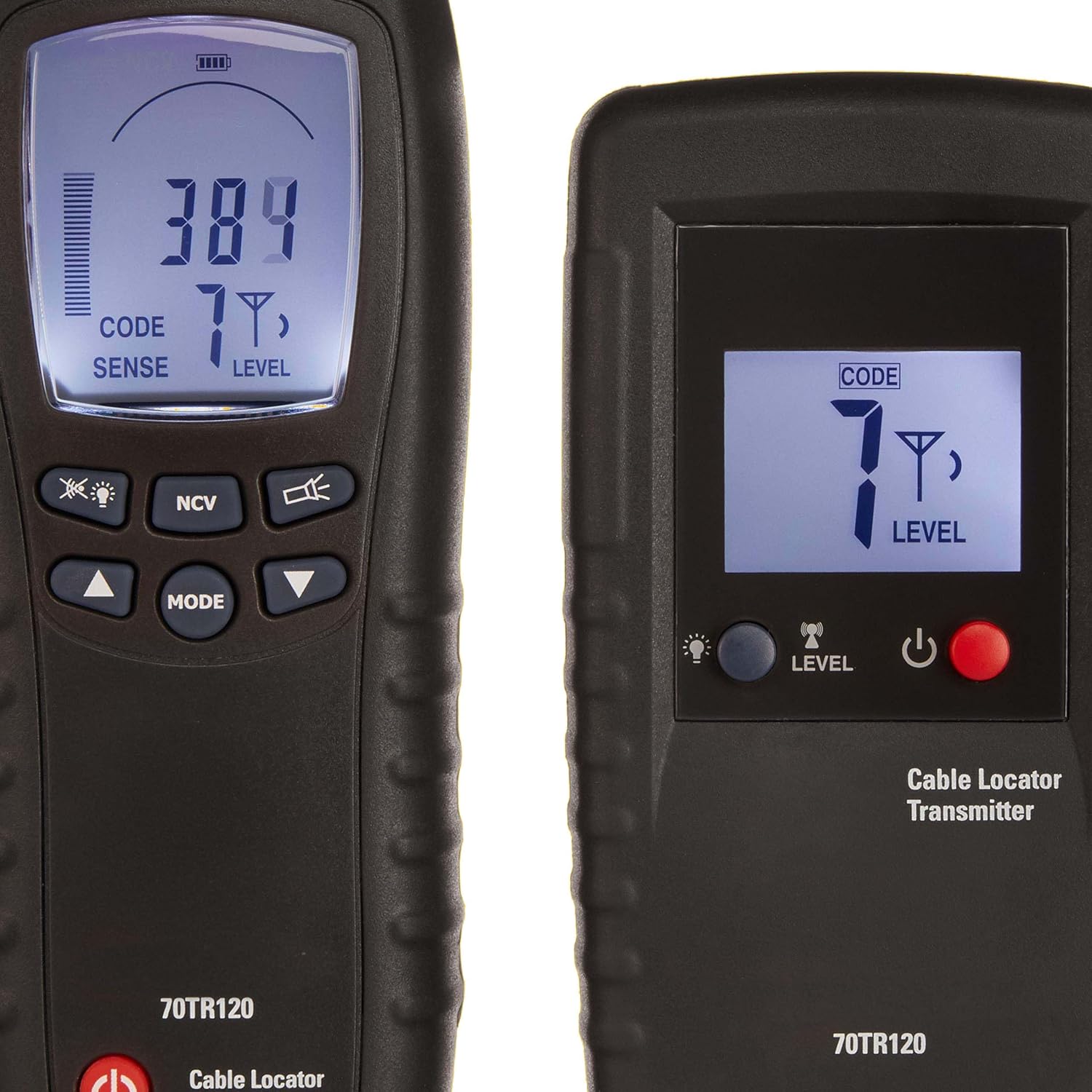
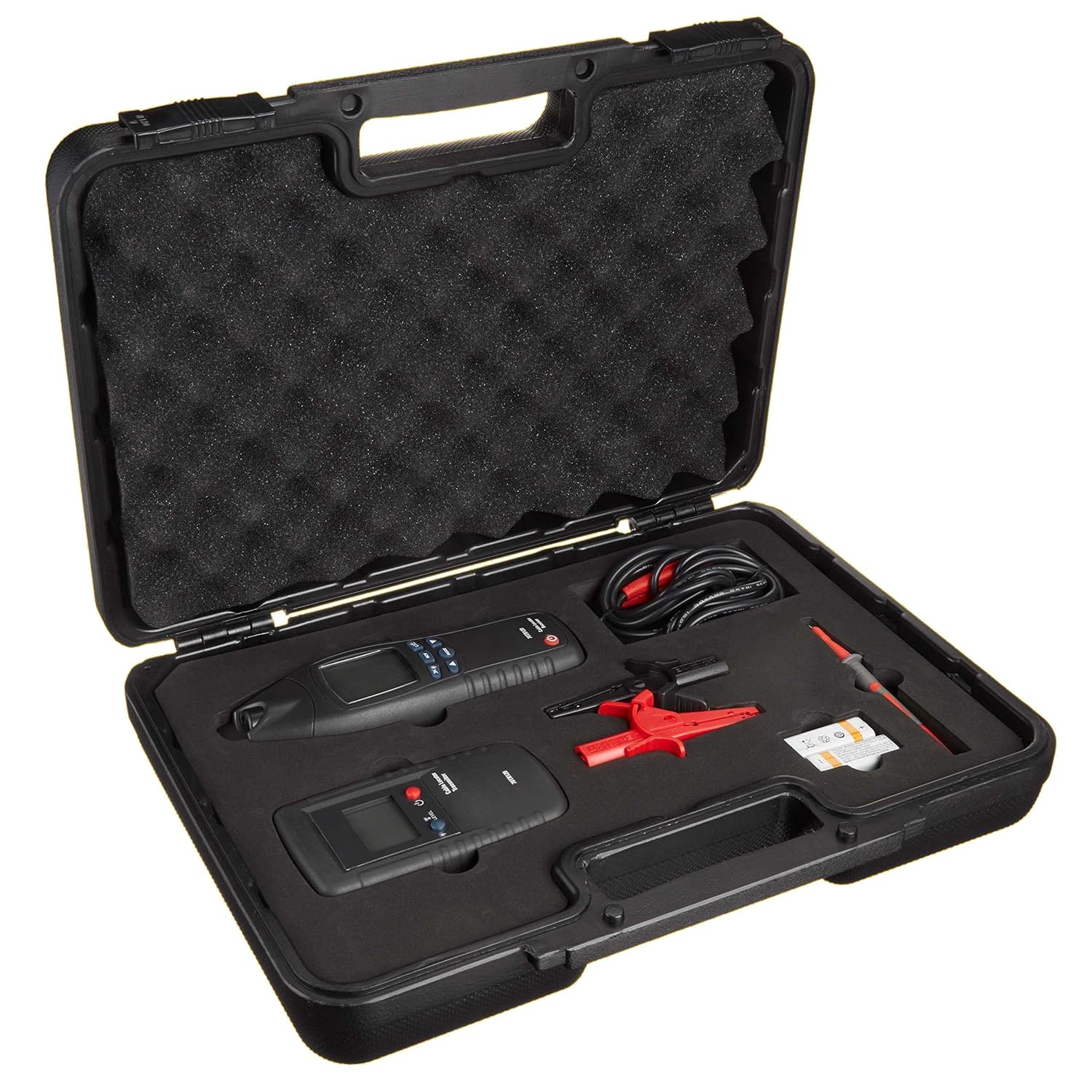
Imagine you’re planning a shelving project and need to know whether hidden conduits cross your desired drill path. With this locator, you’d perform a quick surface scan to trace any obvious cable runs, then plan your drill holes to minimise risk. If you encounter ambiguous readings, you’d move to manual inspection or a more capable tool before proceeding.
What to review before purchasing
- Intended use: is this for light DIY projects or more precise installations?
- Availability of clearer technical details or reviews to gauge real-world performance.
- Size and handling: ensure it’s comfortable to operate in tight spaces.
- Reliability over time: consider how durable the device might be with regular use.
FAQs
- Q: Does it require batteries? A: The listing information does not specify, check the package contents for power requirements.
- Q: Is it suitable for professional electrical work? A: Given limited technical details, it’s more aligned with basic DIY tracing rather than professional-grade tasks.
- Q: Can it identify different cable types? A: There is no explicit indication, treat it as a general locating tool rather than a specialised detector.