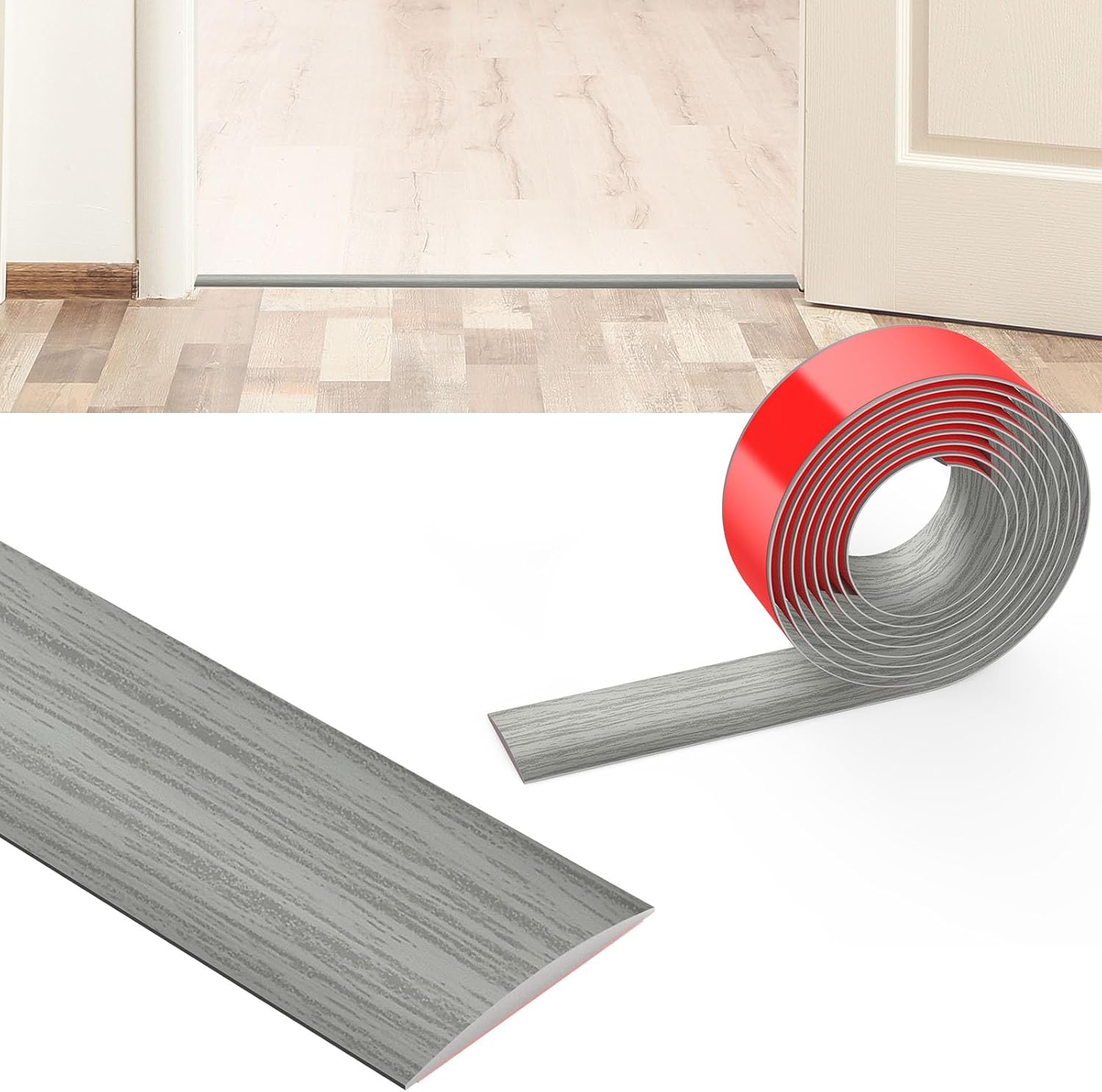
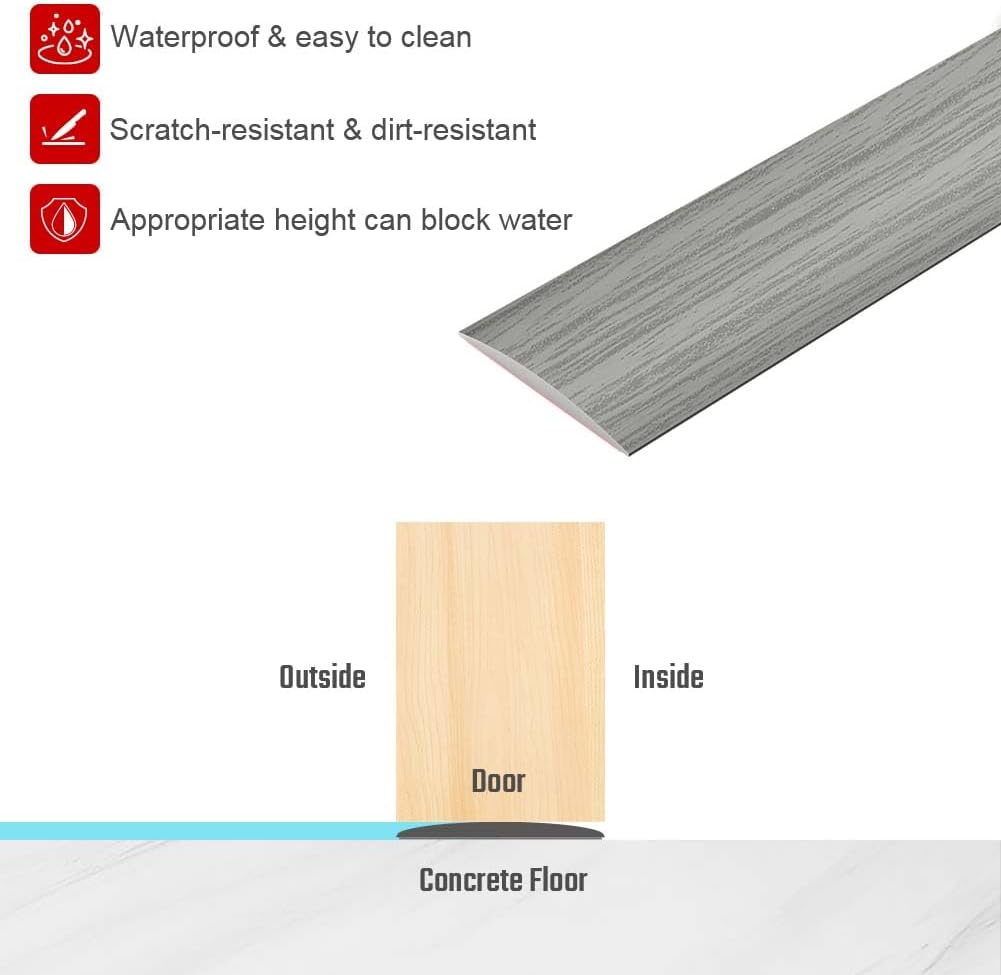
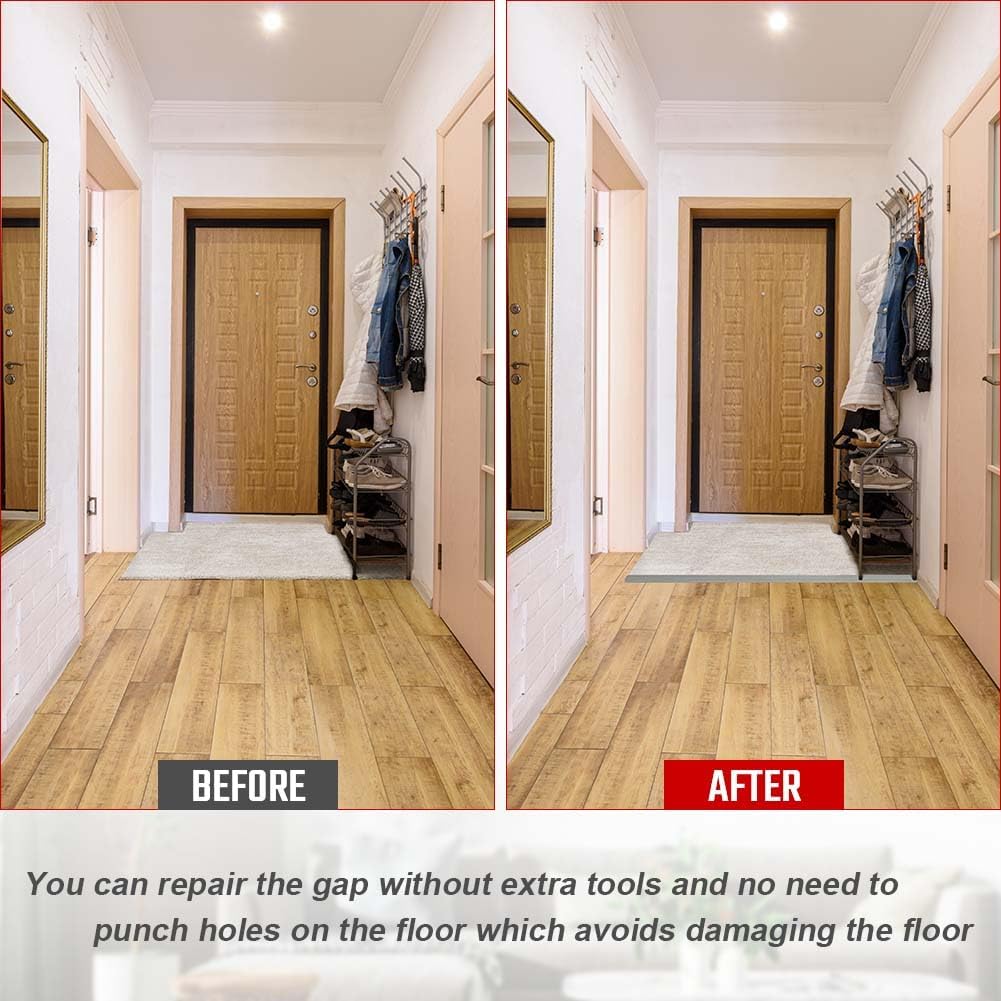
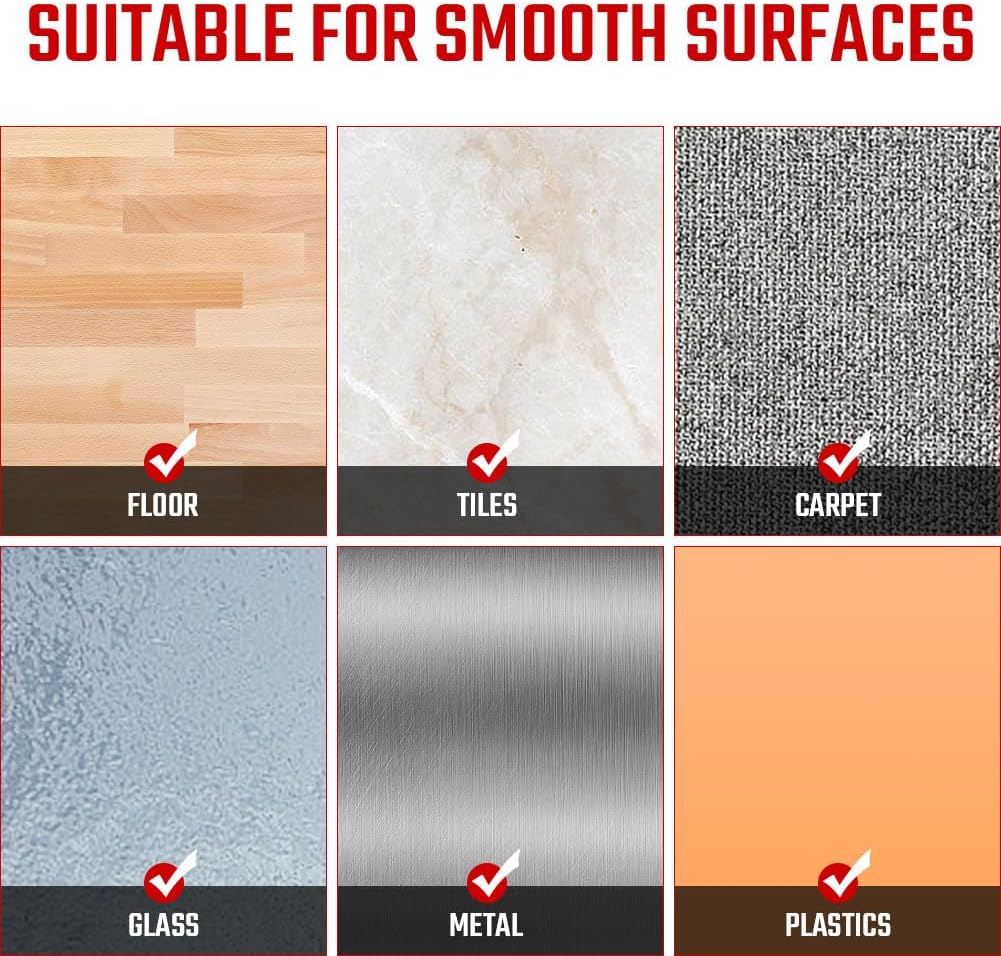
What this is and what it’s for\nThe Flintronic threshold transition strip is a self-adhesive PVC floor divider designed to join floor surfaces and cover gaps between materials like laminate, carpet and tiles. On the page you’ll see it described as a practical, cuttable strip that helps tidy door thresholds, protect edges and reduce trip hazards. On the face of it, it’s a straightforward draught and gap filler, but its real value lies in flexibility and ease of installation rather than wow factors.\n\n## How it solves everyday problems\nIf you’re dealing with uneven floor heights or a visible transition between different floors, this strip offers a low-effort remedy. It locks into place with adhesive backing—no screws or tools required—so you can repair gaps and cracked corners in minutes. It’s designed to be cut to size, enabling you to tailor the length to your doorway or room span before you press it down.\n\n## Materials and build you can rely on\nThe strip is made from PVC, chosen for wear resistance, scratch resistance and mildew resistance. This makes it more durable in high-traffic areas like entryways and kitchens, while remaining relatively simple to clean. The material is described as odourless and non-toxic, which matters for homes with little ones or pets. It isn’t a premium flooring upgrade, but it does offer a practical, safer solution than leaving a large gap exposed.\n\n## What to choose and why (size guidance)\nThree lengths are available: 1.2m, 2m and 3m, and two widths: 4cm and 5cm. The 5cm width is recommended for gaps under 3cm, while the 4cm strip is suggested for gaps under 2cm. If your doorway is awkward or you’re combining different surface heights, the cuttable design helps you achieve a clean, level finish without specialist tools.\n\n## How to install (light on-site steps)\nClean and dry the surface first. Remove the backing from the adhesive and press the strip firmly in place along the gap, ensuring a straight alignment. If the strip arrives bent from delivery, a hair dryer can help it flatten and bond more evenly. There’s no need for screws or nails, which keeps installation quick and tidy, especially in modest DIY setups.\n\n## Best-use scenarios and limits\nThis transition strip is well-suited for bedrooms, living areas, kitchens and even shower-adjacent spaces where a modest floor join is needed. It can also double as a border or decorative edge for frames, walls and cabinets if you’re aiming for a unified look. However, it’s a practical remedy rather than a decorative upgrade, if you’re chasing a high-end flush finish or substantial height differentials, you may want to explore more specialised products.\n\n## Who it’s for\nIdeal for homeowners or tenants seeking a quick, affordable way to reduce gaps between laminate and other floor types, including carpet and tiles. It’s particularly convenient for DIYers who want a no-fuss installation and a measurable improvement in safety and aesthetics without professional help.\n\n## Before you buy: quick checklist\n- Measure the largest gap you need to cover and pick the corresponding width and length.\n- Confirm the surface is clean and dry for best adhesion.\n- Consider potential bending during transit and plan to flatten with gentle heat if needed.\n- Decide whether you want a longer strip to minimize visible edges or a shorter run for a tighter doorway.\n\n## Practical example of use\nImagine you’ve fitted a new laminate floor in a living room that sits flush against a carpeted hallway. A 5cm wide, 2m long strip would cover the doorway gap neatly, bridging the two surfaces and creating a safe, continuous transition so vacuuming and foot traffic feel smoother rather than catching on a ridge.\n\n## What you’ll want to know (FAQ)\n- Is this suitable for waterproofing? It offers some edge protection and helps cover gaps, but it’s not a guaranteed waterproof seal.\n- Will it stay stuck over time? The strong adhesive backing is designed for durable sticking, but performance depends on a clean, dry mounting surface.\n- Can I cut it to fit complex shapes? Yes, it’s described as cuttable to the required length.\n\n## Final decision: Is it worth it?\nWorth considering if you need a simple, adaptable solution to cover small floor gaps without the fuss of screws or trades. It suits casual upkeep and improving room transitions, especially in budgets-conscious projects. You’ll likely appreciate the quick DIY installation and the availability of different lengths and widths to suit your gap size.\n\n## What stands out in use\nIn day-to-day use you’ll notice a neater edge and easier cleaning around doorways. The material is multipurpose enough to double as a subtle border in some spaces, which is handy if you’re aiming for minimalistic framing.\n\n## Quick troubleshooting and care\nIf the strip doesn’t adhere well on first attempt, ensure the surface is clean and dry, and re-press firmly. If it warps a little during transit, a brief pass with a hair dryer can help it settle flat and improve bonding. No heavy cleaning routines are required, just a wipe with a damp cloth as needed.