

Coleman Tent Darwin review: a light, weather-ready trekking tent
Product description
What this tent is and who it suits
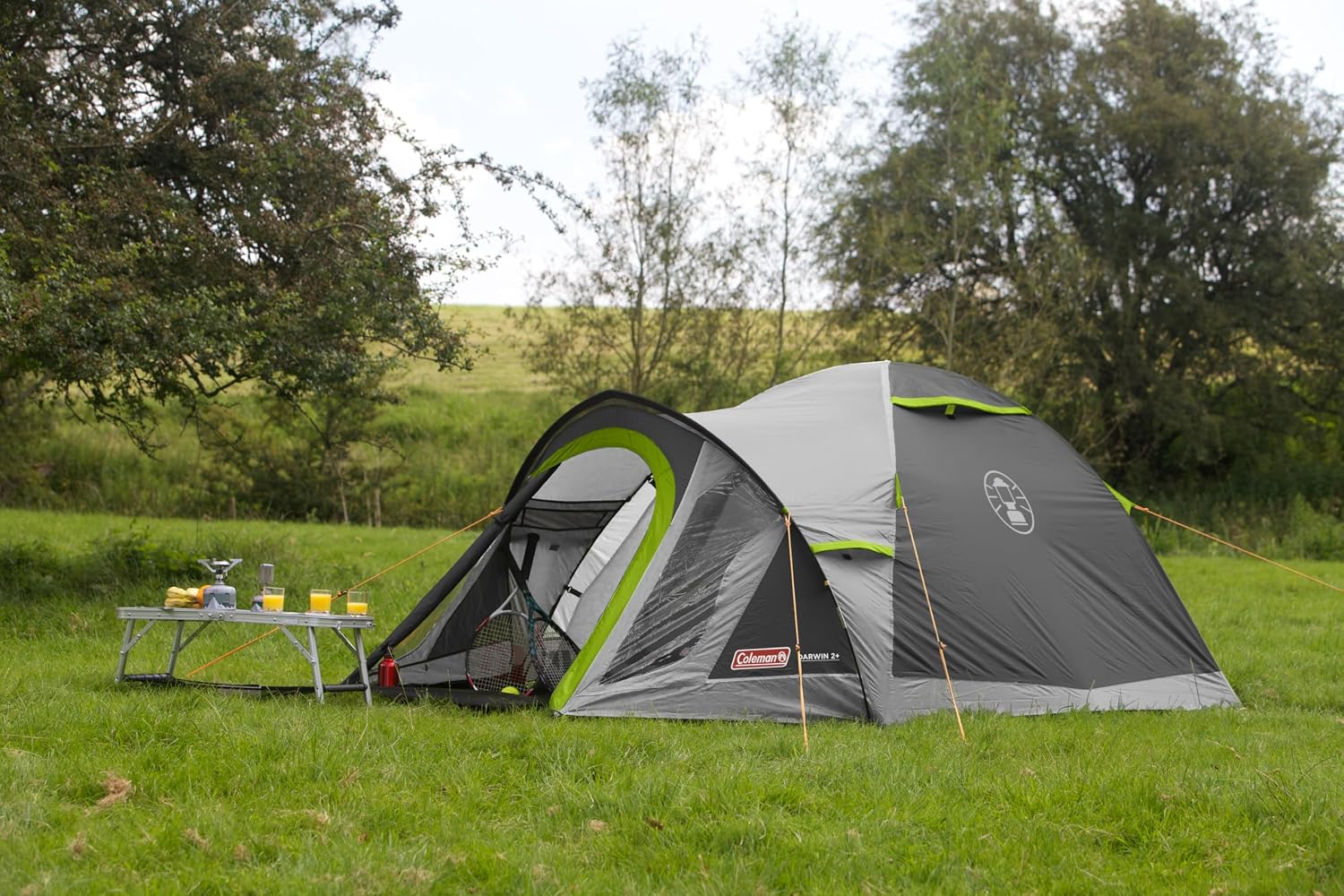
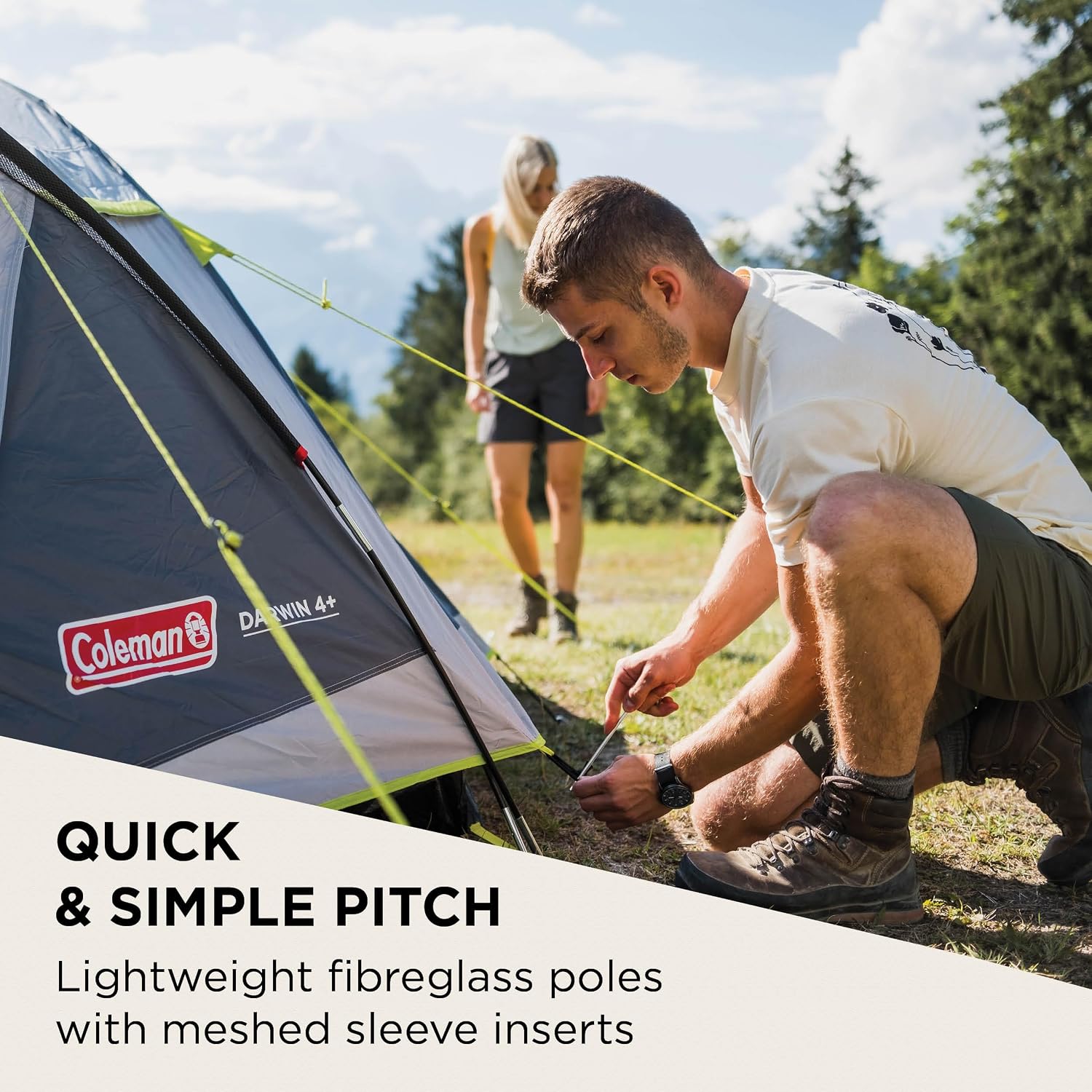
The Coleman Tent Darwin is a compact trekking tent designed to be lightweight yet sturdy, with a setup that aims to be quick. It weighs about 4,200 g and packs down to a size roughly 57 x 18 x 18 cm, which makes it feasible to carry on day treks and longer hikes where weight matters. The design relies on flexible fiberglass rods to achieve a light frame while maintaining stability in breezy conditions. This combination makes it a plausible option for camping trips, hiking excursions and occasional festival use where a straightforward shelter is valued over features-heavy alternatives.
Design and build quality you can assess on paper
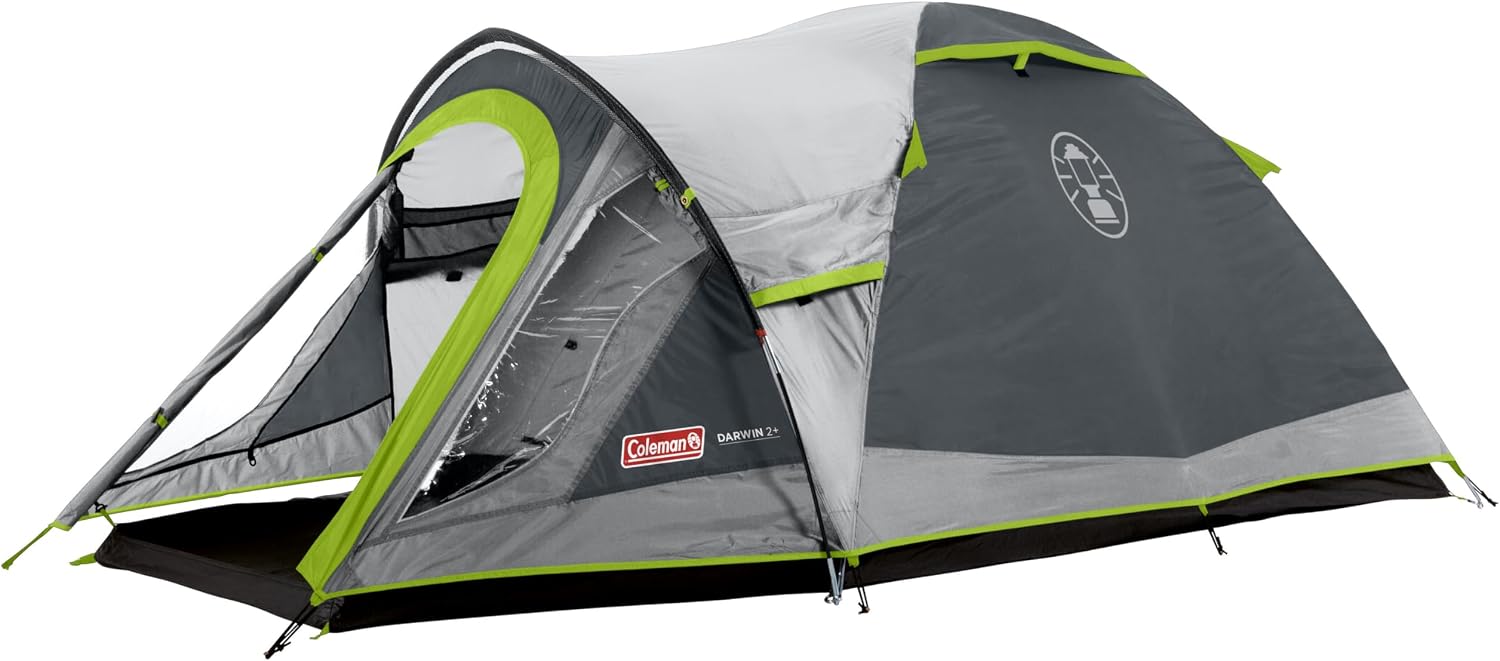
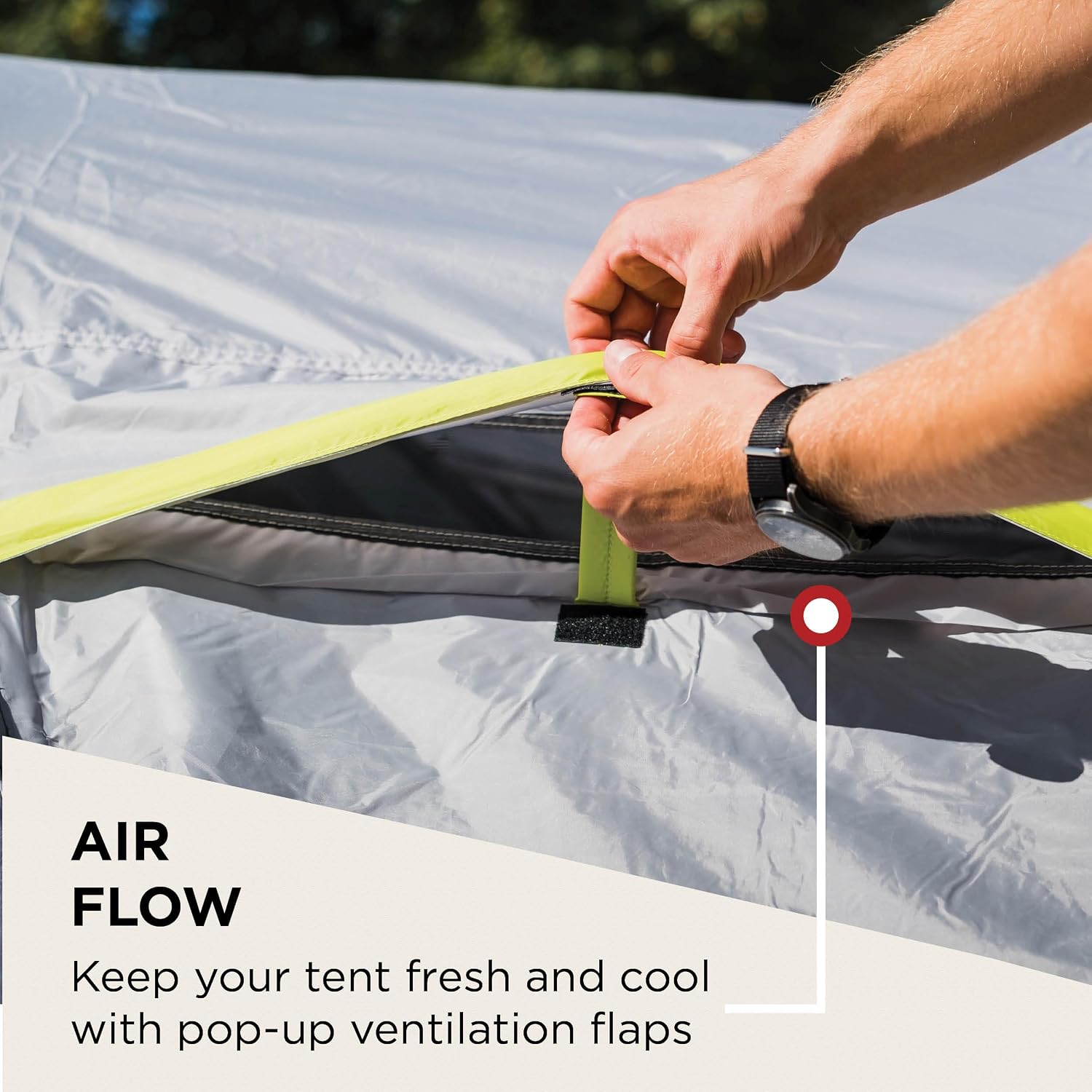
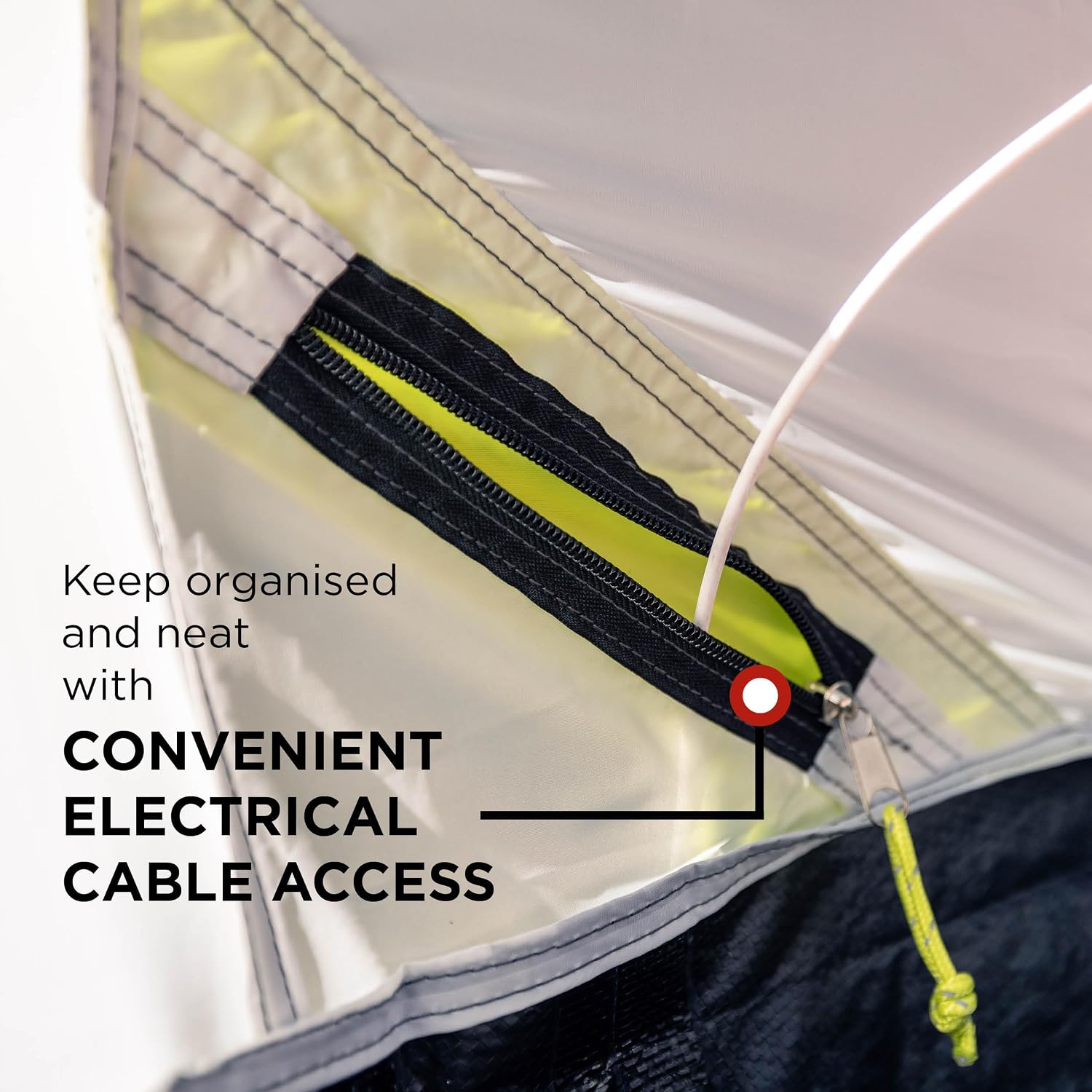
On the practical side, the Darwin features air flaps to improve air circulation and reduce condensation inside the inner space. The tent comes with a small awning that can help keep luggage, equipment or shoes dry and out of the weather, which is handy for unpredictable campgrounds. Coleman specifies a 3000 mm water column with welded seams and a fully sewn groundsheet, aimed at keeping out water and bugs. The UV Guard 50+ protection is noted, which is a common consideration for prolonged outdoor exposure. These elements together suggest a focus on utilitarian camping, where weather resistance and ease of use are important.
What you get in the pack and what to expect in real use
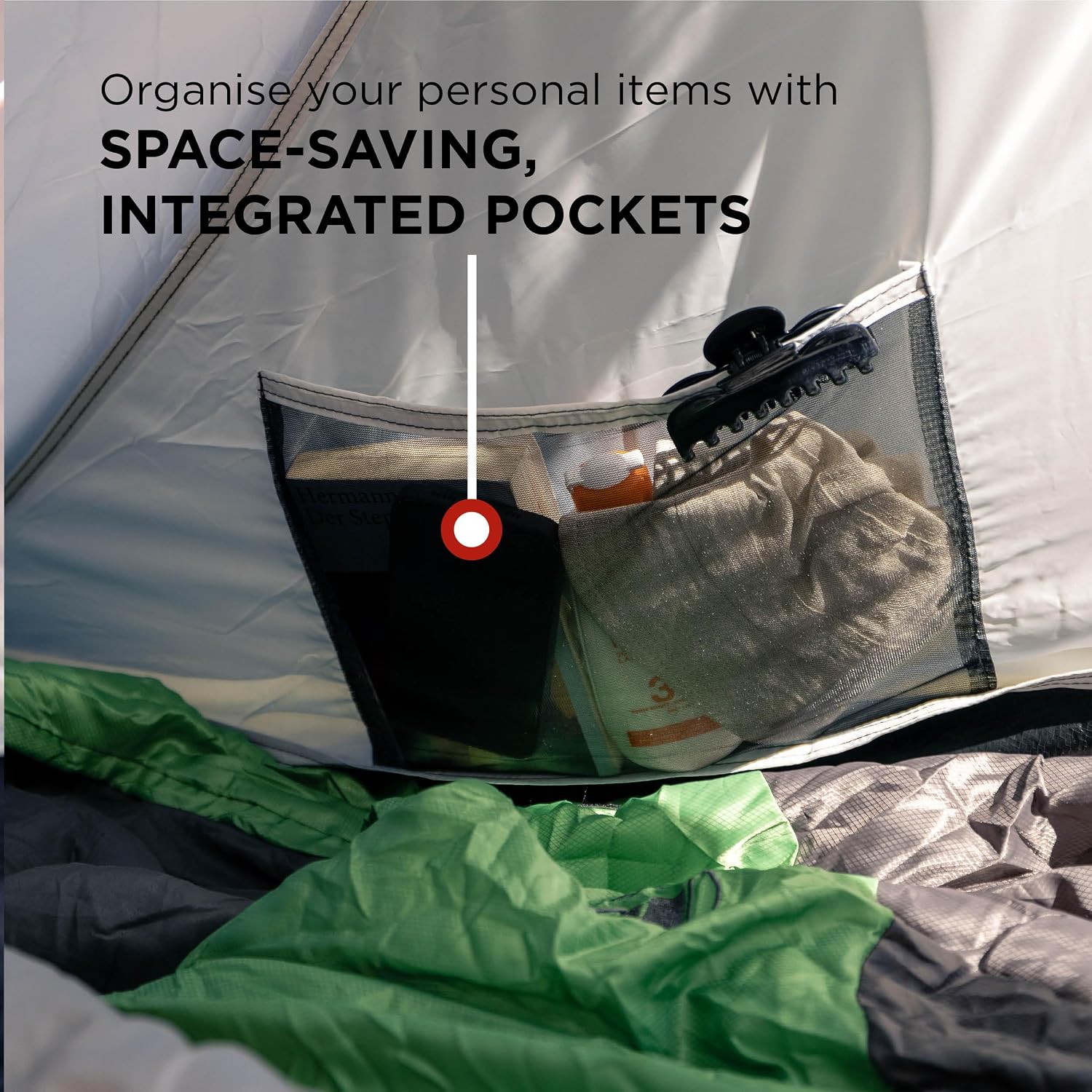
Key figures include a sleeping area roughly 2.9 m² and a living area around 1.3 m². The construction order is inner tent first, which can aid with condensation control in cooler or damper conditions. The included kit typically covers the essentials: a carrier bag with a zipper, guy ropes and tent pegs. In practice, that means you should be able to pitch with the basics in place and add guy lines for more wind protection if needed. The overall footprint is compact, which helps with smaller camp spots, but the living area is modest, so it’s best suited to gear and single or two occupants who don’t require a lot of interior space.
Pros and cons in everyday use
Pros: lightweight for its category, quick to pitch due to the straightforward frame, water protection with welded seams and sewn groundsheet, decent airflow options to manage condensation, and a protective awning area for gear. Cons: the living area is relatively small, which could feel cramped if you’re loading gear or if you camp with more than two people for long periods. The balance of weight versus space isn’t revolutionary, so if you prioritise maximum comfort or extra interior headroom, this might feel mellower than some larger tents.
Who it’s best for and who should think twice
It suits walkers, trekkers or festival-goers who value portability and simple shelter rather than luxury features. If your camping usually involves long stays, or you need significant internal space for three or more, you might prefer a different layout with more room or additional vestibules. Those who camp in very damp sites will want to check how the groundsheet and seam construction behave over multiple nights, as with any light trekking tent.
When does it make sense to buy
Buy if you prioritise a light, easy-to-transport tent that covers basic rain protection and decent airflow, and you don’t mind a compact sleeping area. It’s sensible for short weekend trips, a few nights in decent weather, and situations where weight and pack size are a clearer priority than extra comfort features.

When to hold off
If you expect extreme weather or frequent heavy rain, or you need substantial interior space for multiple occupants and gear, this model may not be the strongest long-term option. Consider a tent with a larger living area or additional vestibules, especially if your trips involve longer durations or rough ground conditions.
What to check before buying
- Confirm the pack size and weight align with your backpacking plans.
- Consider where you’ll be pitching most often, ensure the ground is suitable for a sewn-in groundsheet and the wind strength you expect.
- Think about climate: the 3000 mm rating and UV protection are useful basics, but in harsher environments you might want a model with greater weather protection or more ventilation options.
- Plan for condensations: air flaps help, but still monitor ventilation in humid conditions.
Practical use example
Imagine a weekend camping at a coastal site with mild winds and an occasional shower. You pitch quickly, using the inner tent first approach, and deploy the lightweight frame. The small awning provides a place to dry your boots and store a light backpack, while air flaps keep the interior from steaming up after a cooler night. It’s not the most expansive shelter, but it does the job without adding extra bulk or complication.
Comparison in context
If you’re weighing options against heavier, more feature-rich tents, the Darwin sits in the category of practical and portable shelter. It’s a sensible choice for those who want a straightforward setup and predictable performance, rather than bells and whistles. For multi-night expeditions or groups needing more space, alternatives with larger footprints, additional vestibules or higher tarp coverage might be more appropriate.
The decision point: final takeaway
Is it worth it?
It’s worth considering if you prioritise light weight, compact pack size and reliable basic weather resistance for short trips or day hikes. If your priority is maximum interior space or extreme weather readiness, you may look for alternatives with more room and tougher rain protection.
Quick FAQ
- How heavy is it exactly? About 4,200 g in total.
- What is the ground protection like? It has a completely sewn-in ground sheet and welded seams for water protection.
- How compact is the pack? It measures about 57 x 18 x 18 cm when packed.
- Does it offer good ventilation? Air flaps are included to improve air circulation and reduce condensation.