

Celestron 31145 NexStar 130SLT Portable Computerised Reflector Telescope
Product description
What to know
If you’re looking for a compact, computerised telescope that can bring the night sky to life without a steep learning curve, the Celestron 31145 NexStar 130SLT is a practical option. It combines a 130 mm Newtonian reflector with a built‑in database of tens of thousands of objects, and a quick‑setup method that aims to have you observing in minutes. On paper, it sits in the portable, entry‑level to mid‑range segment of amateur astronomy, with a focus on accessibility for both adults and curious younger observers. Whether you’re planning a weekend away or a steady practise routine at home, its compact form and straightforward SkyAlign setup are meaningful selling points.
What it is and what problem it solves
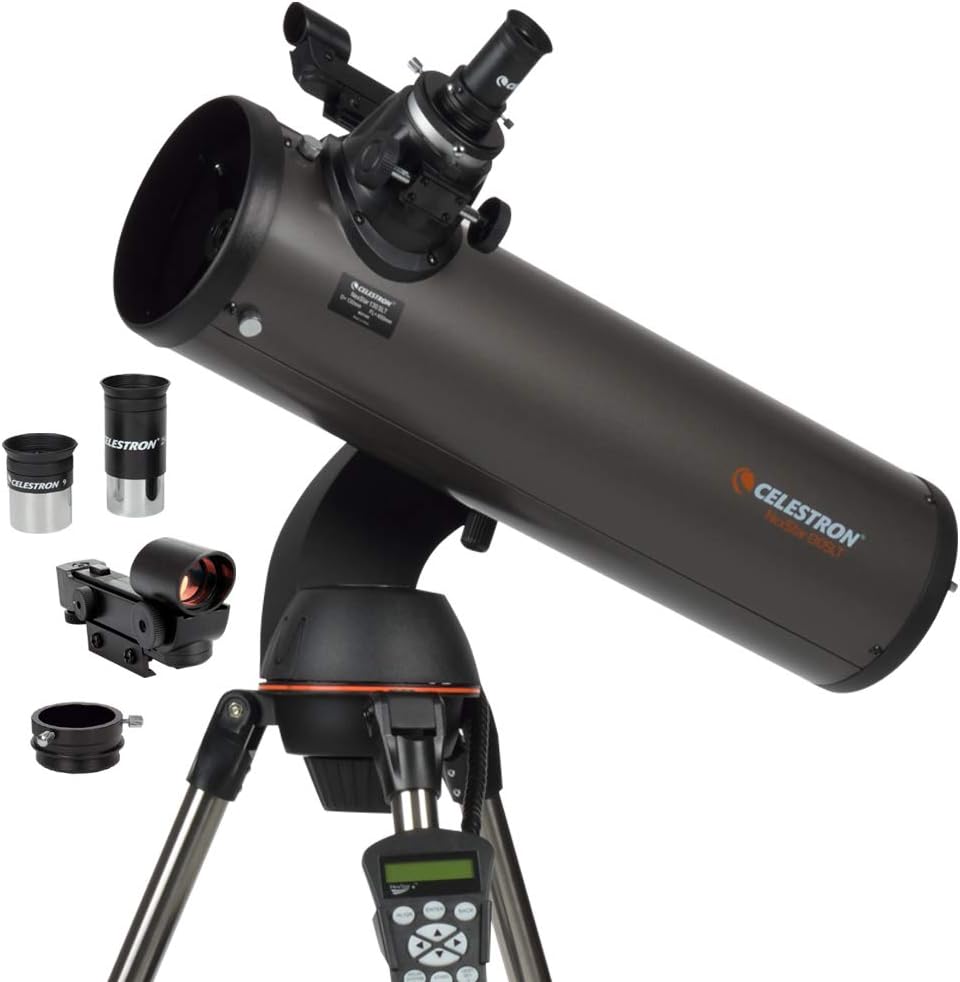
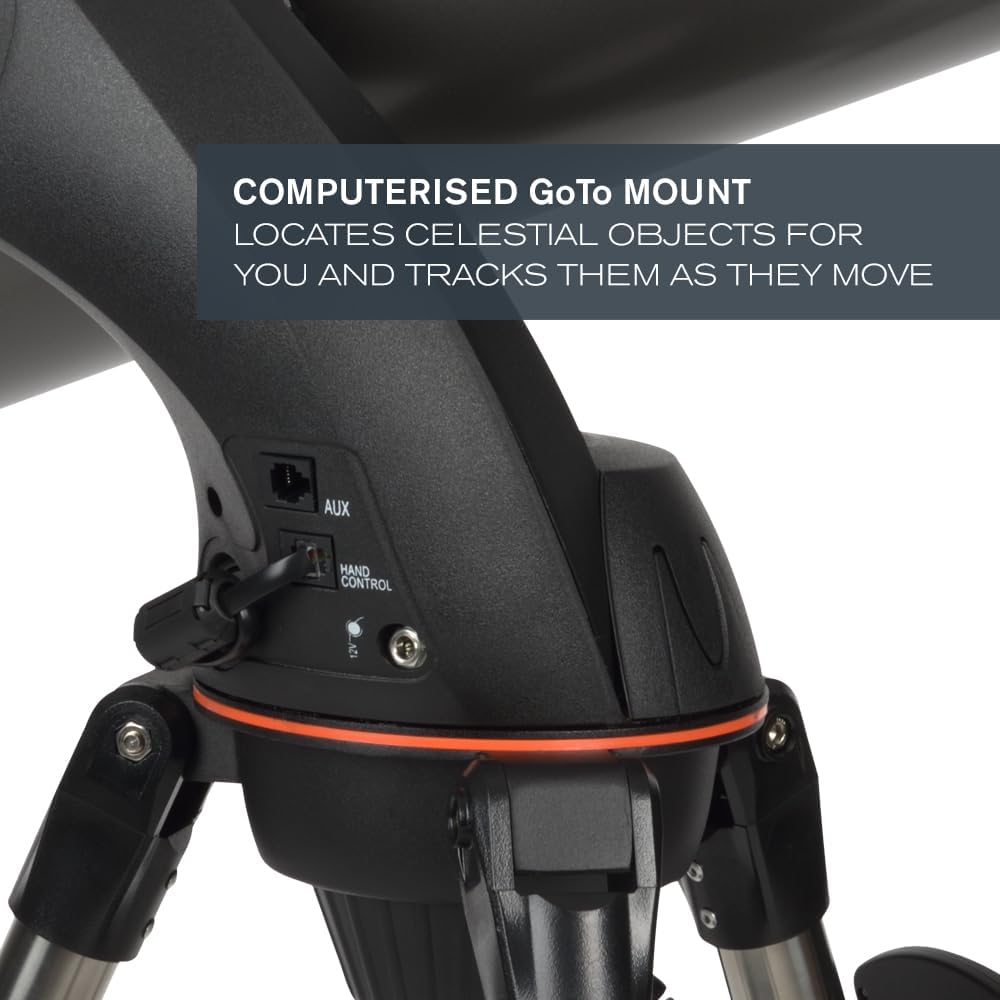
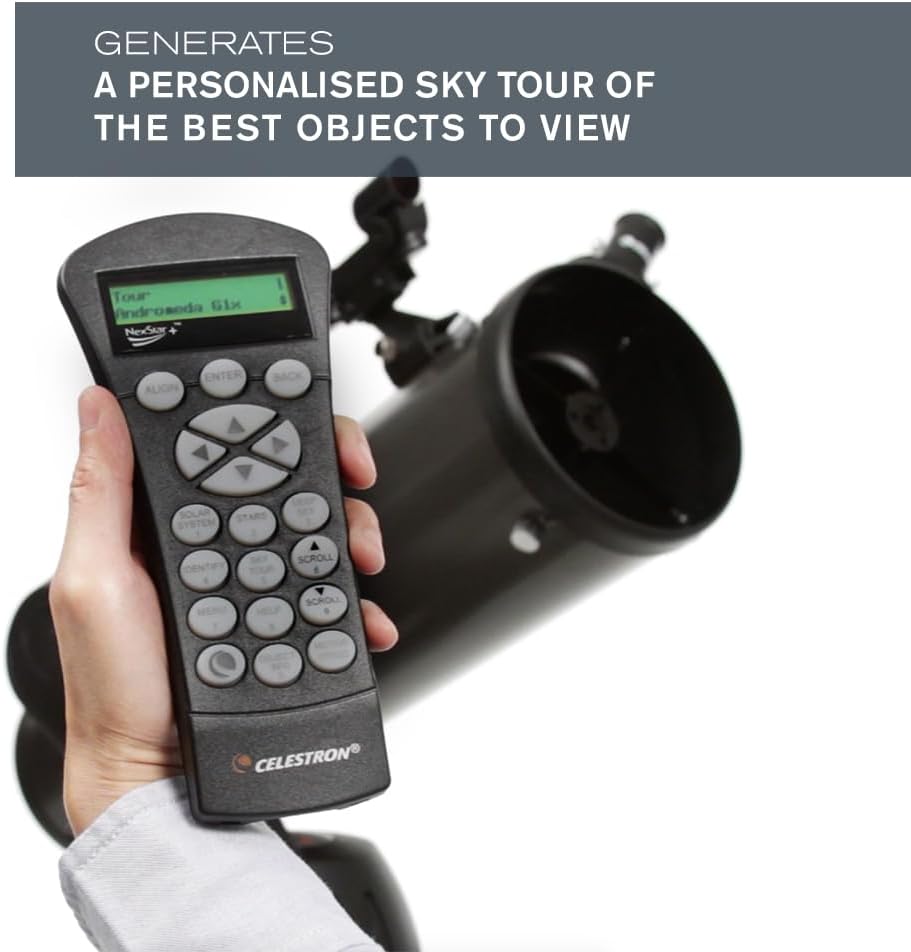
This model is a portable, computerised telescope designed to locate and track celestial targets automatically. With the SkyAlign system, you centre any three bright objects and the mount aligns to the sky, enabling you to locate thousands of stars, galaxies, and nebulae without manual star‑hopping. The 130 mm aperture gathers enough light to show planetary details and brighter deep‑sky objects, while the built‑in database helps you plan sessions rather than guess where to point the telescope.
How it compares on the page to real‑world use
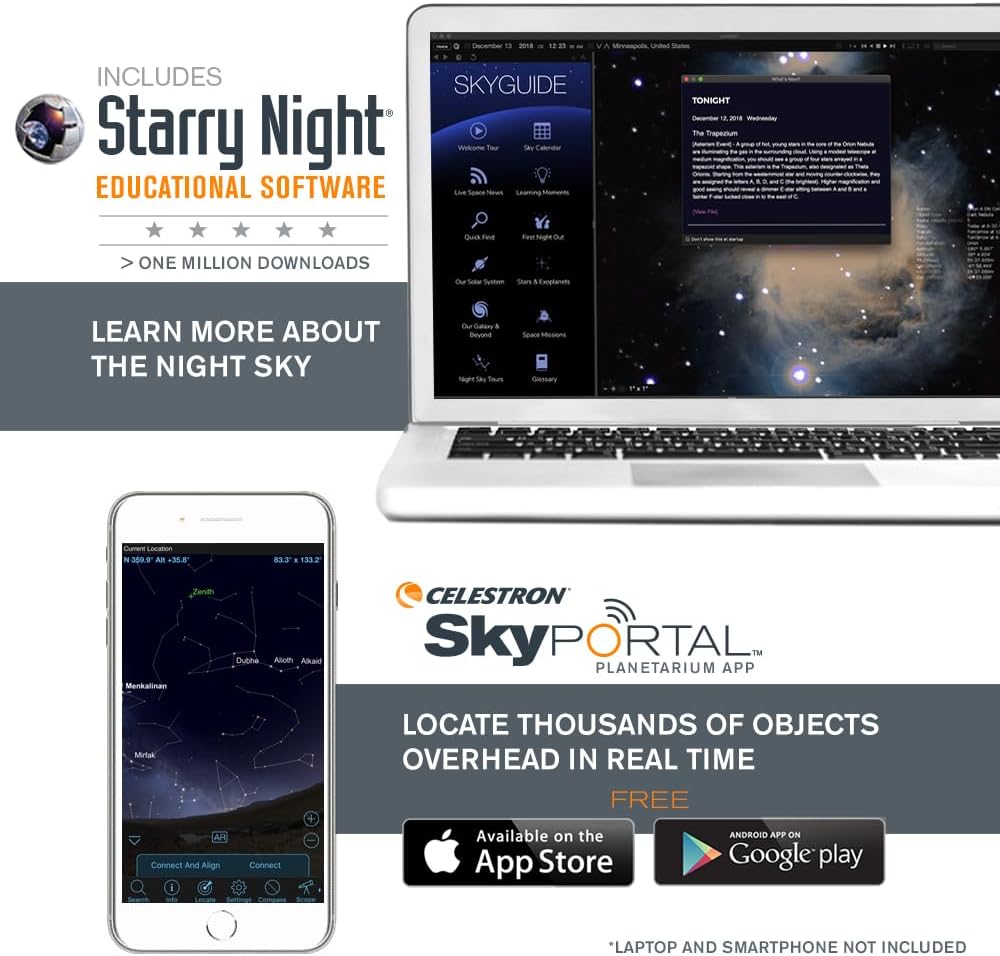
In practical terms, you’re looking at a setup that aims to balance ease of use with useful light gathering. It’s not a compact travel scope, but its frame and fork‑arm mount are described as portable, which makes it feasible for casual trips. The system is paired with a dedicated software package—Starry Night Special Edition—offering an interactive sky simulation to help beginners get oriented. If you prioritise a guided observing experience and you don’t want to fuss with manual alignment every time, this model is structured to help you stay in the action rather than in the manual.
What stands out day to day
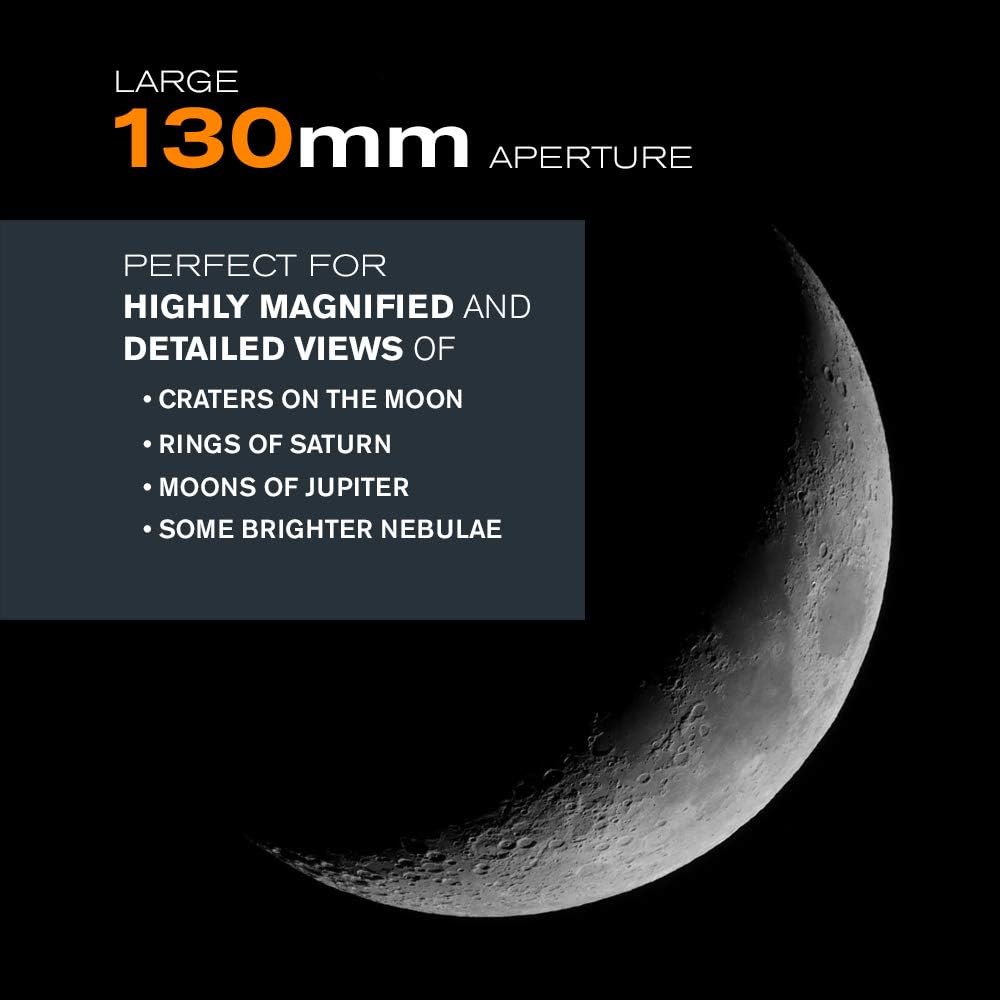
The main advantages are the computerised object location and tracking, which reduces the time spent aiming at faint targets. The 130 mm aperture is a clear step up from smaller beginner scopes for resolving Saturn’s rings or Jupiter’s bands under good skies, while still being approachable for a family or a hobbyist who travels. The mix of a sturdy fork‑arm mount and a dedicated accessory tray should make handling eyepieces and tools simpler in practice.
What may give you pause
It’s important to recognise that with any aperture in this range, deep‑sky imaging or extremely faint objects will still be limited by light pollution and optics. The package specifies two‑inch eyepieces compatibility, but the overall performance hinges on local skies and the quality of eyepieces you use. If you’re after the absolute deepest redshifted galaxies or extremely high magnifications, this model may feel modest. Also, the learning curve isn’t zero, some setup steps still require familiarising yourself with alignment and star‑hopping concepts.
Who it’s for
This telescope is well suited for beginners who want a steerable, computerised setup without getting overwhelmed by manual control. It also fits families and casual observers who value portability and a guided start to stargazing. If you want a dark‑sky ready instrument that’s easy to transport to campsites or local dark‑sky sites, this could be a sensible match.
Who it isn’t for
If you crave advanced astrophotography, ultra‑deep‑sky work, or cutting‑edge celestial details, a model with a larger aperture and more modular optics might be a better long‑term investment. Those who primarily plan to use a telescope indoors or in bright urban environments with very strict light pollution may find the results limited compared with higher‑end systems.
When it makes sense to buy
Consider this model when you want a practical, portable, computerised telescope that can rapidly point to objects and stay on target. It’s particularly sensible for new observers who want a clear, guided observing experience and for families seeking an affordable gateway into the hobby. If you value an included software companion for sky simulation, the Starry Night Special Edition adds a useful learning tool.
When to hold off
If you expect spectacular deep‑space imaging or the ability to push extremely faint objects from heavily light‑polluted sites, you might outgrow this telescope. Also, if you frequently observe from locations without a reliable power source or prefer a telescope with a broader optical range and more upgrade paths, you could miss some flexibility here.
What to check before buying
- Confirm you have the right eyepieces for your preferred observing targets, as the scope is compatible with 2 inch eyepieces and the optics are fixed to a Newtonian design.
- Assess your typical observing sites: the portability helps, but performance will still depend on sky quality and seeing conditions.
- Consider the included software as a learning companion, but plan for additional learning resources if you’re new to star alignment concepts.

Practical use example
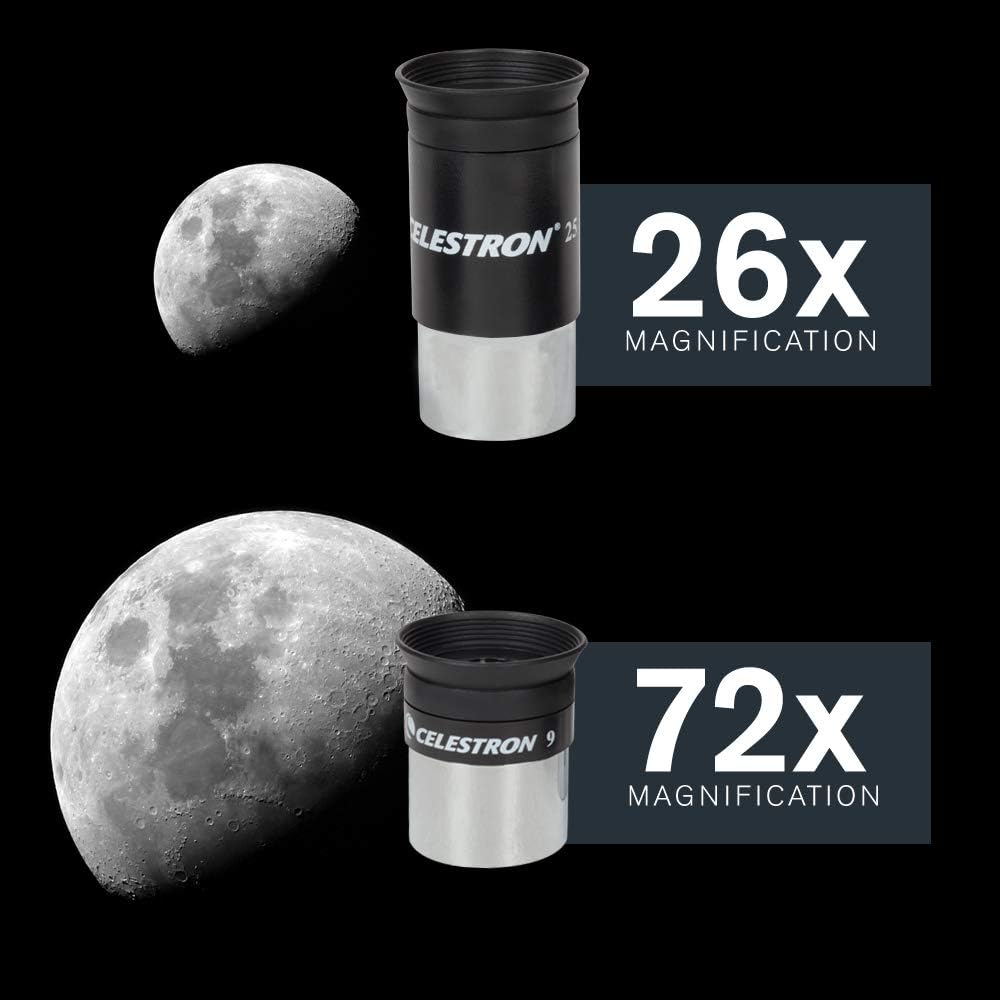
Imagine a clear evening at a dark‑skies site. You power up, centre three bright objects in the eyepiece, and the NexStar SLT aligns quickly. You switch between a wide‑field eyepiece to scan the Milky Way and a higher‑magnification eyepiece to pick out Saturn’s rings. The telescope tracks the target after alignment, so you can observe a few minutes without touching the optic, then switch to the Starry Night software to compare with simulated skies for a more confident learning curve.
Alternatives and what they mean in practice
If you want more light gathering and potentially more precise control for serious observing, you might be drawn to larger apertures or more feature‑rich mounts. For casual use and travel, however, this NexStar 130SLT offers a sensible balance: reliable computerised pointing, a manageable size, and a reasonable price point for ongoing hobby development.
It’s worth it?
Is it worth it? Yes, if your priority is a practical, portable entry into computerised observing with guided setup and a helpful software companion. It might not be the best option if you expect to push deep sky objects from light‑polluted locations or if you plan to pursue ambitious astrophotography from day one. For a family‑friendly, entry‑level telescope that remains capable enough for entertaining young stargazers, it represents a solid, value‑oriented choice.
FAQ
- Does it require a computer or power source to operate? The telescope is computerised, which implies the need for power, but the base information doesn’t specify power options. Plan for a compatible power source when using it away from mains.
- Can I use my own eyepieces, or are they included? It is compatible with 2 inch eyepieces, however, the base description doesn’t specify included accessories, so you should verify what comes in the box.
- How fast is the initial alignment? SkyAlign is described as a quick setup method intended to have you observing in minutes, though real‑world speed depends on user familiarity and sky conditions.
Decision: Is it worth it?
Worth considering if you want a straightforward, portable route into computerised astronomy with a clear learning curve and a useful software companion. It may not be the best match if your goals are extreme deep‑sky performance or dedicated astrophotography from the outset.