

Celestron 31045 AstroMaster 130EQ Newtonian telescope
Reviews
Price
Product description
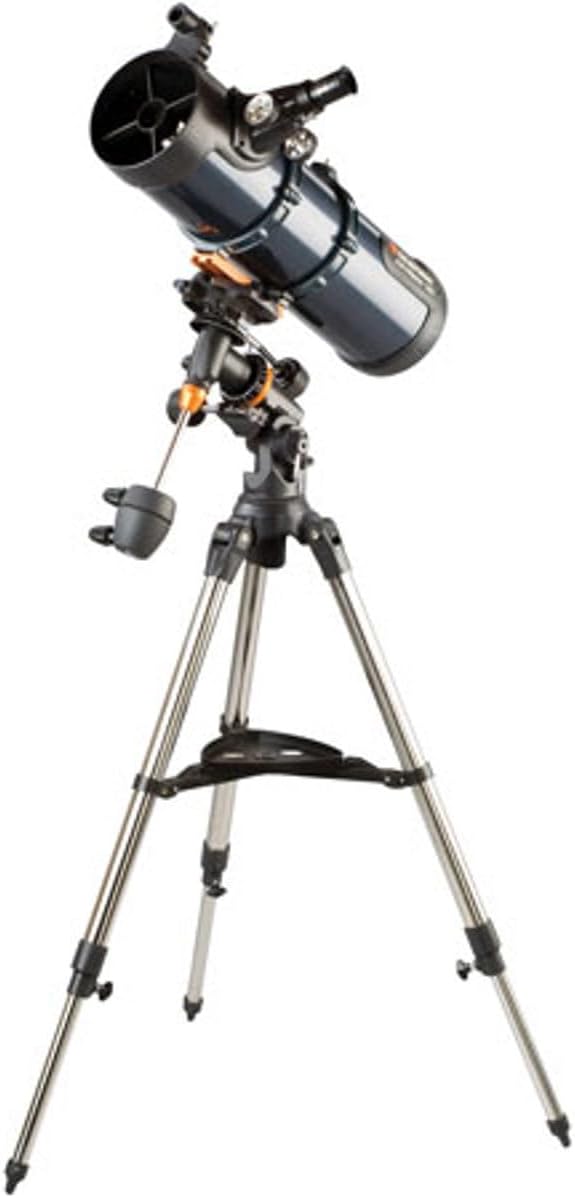
This Newtonian reflector telescope from Celestron combines a large light-gathering mirror with a user-friendly German equatorial mount, making it suitable for exploring the Moon, planets and brighter deep-sky objects during evening observing sessions. The 130 mm primary mirror and included accessories help you begin practical stargazing without complex setup, according to the manufacturer.
Key Points
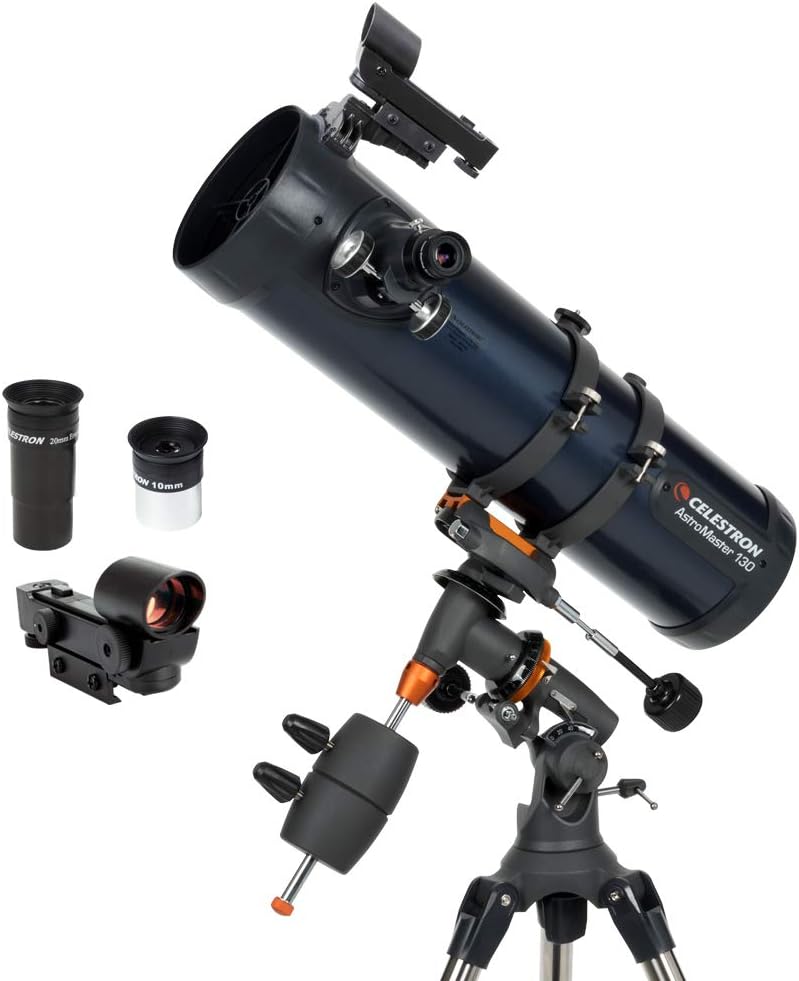
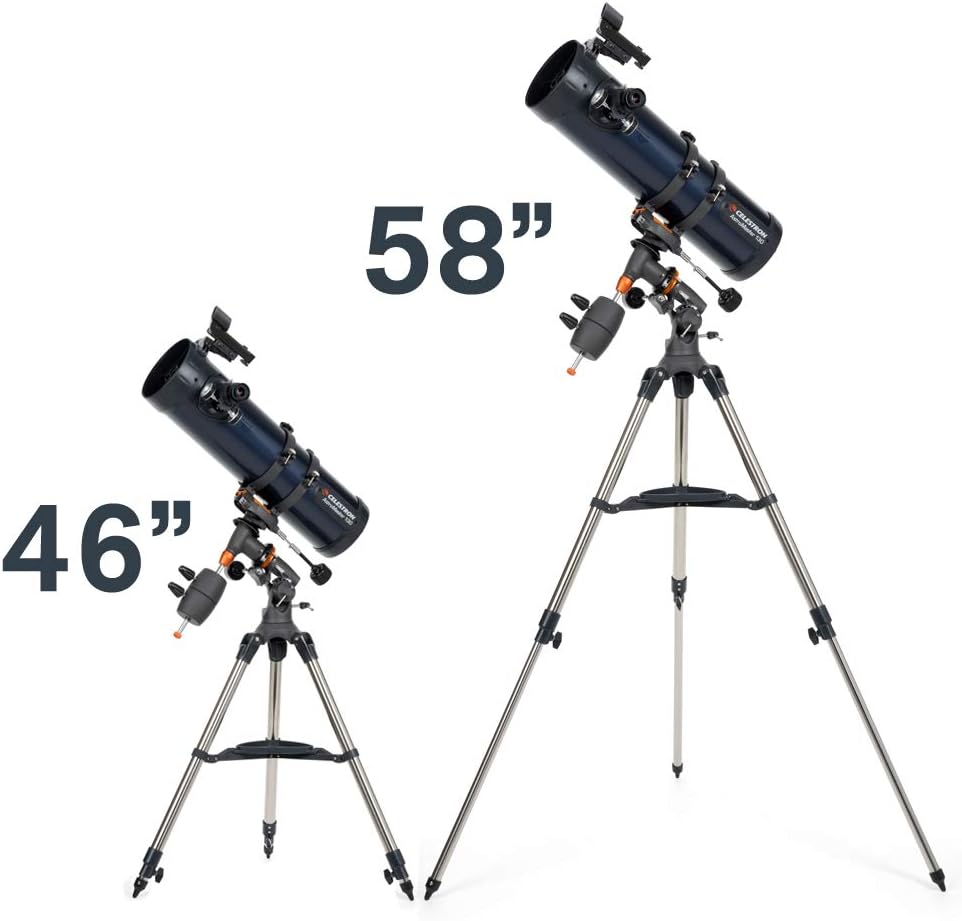
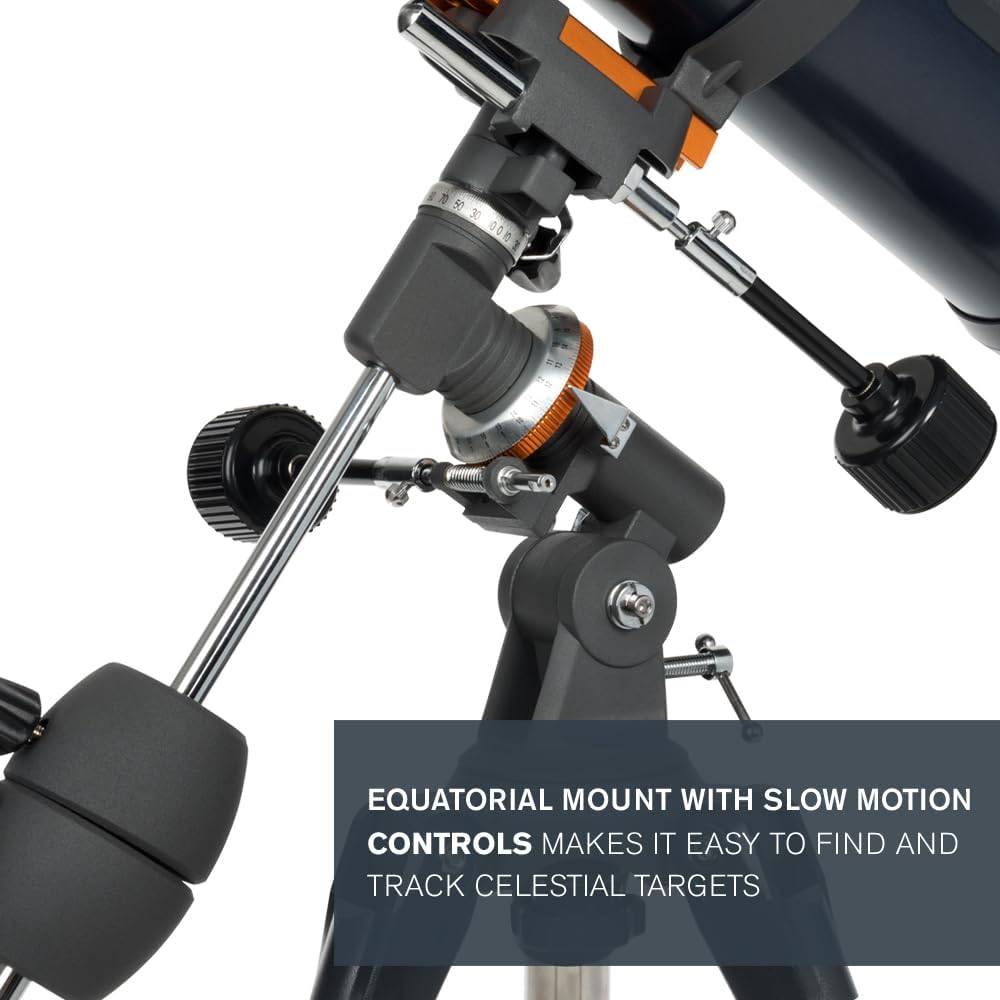
The telescope uses a 130 mm fully coated primary mirror that increases light collection for clearer views of lunar features and planetary details. The manual German equatorial mount includes two slow-motion control knobs for smoother tracking of targets as they drift across the sky. Setup is tool-free and straightforward, and the package contains both a 20 mm and a 10 mm eyepiece plus a StarPointer red dot finder and adjustable aluminium tripod, so you can start observing quickly. Note that precise polar alignment improves long exposures when imaging and that the mount is manual rather than motorised.
Technical Specifications
- Name: Celestron 31045 AstroMaster 130EQ Newtonian Reflector Telescope
- Aperture: 130 mm
- Focal arrangement: Newtonian reflector
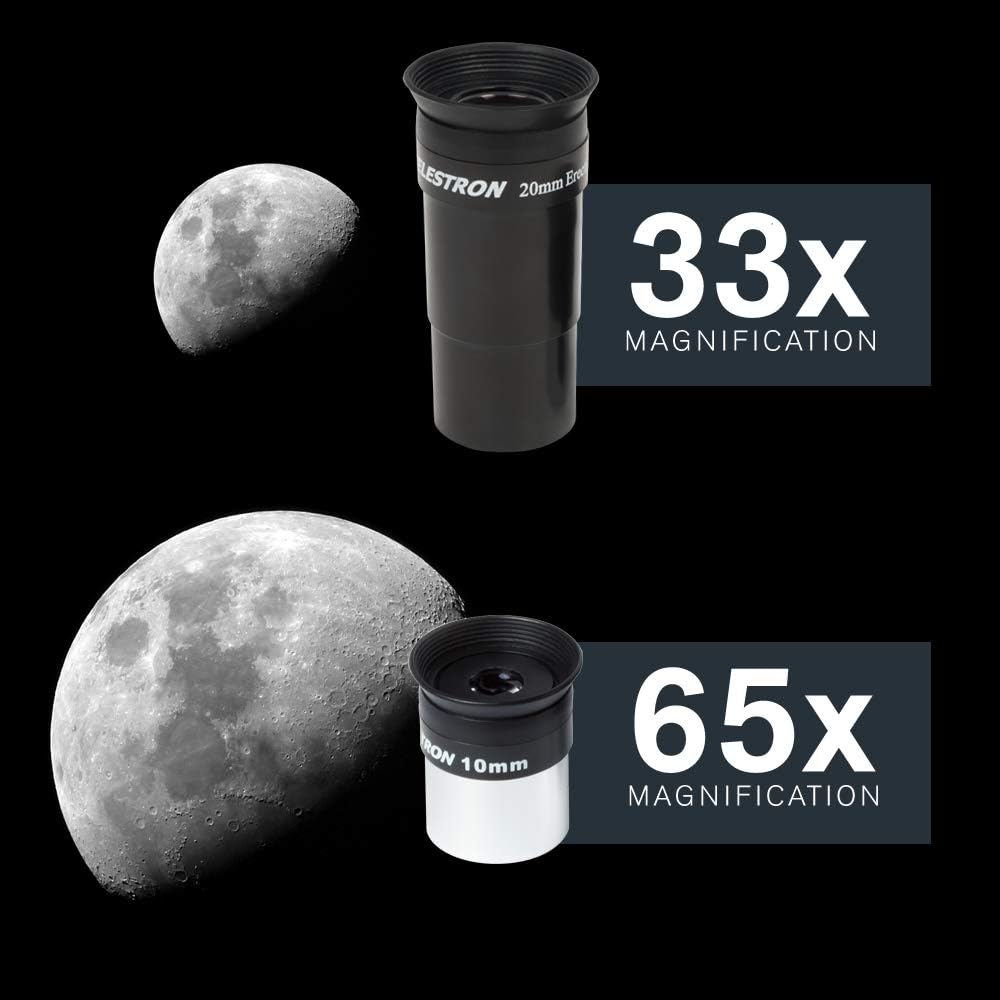
- Eyepieces included: 20 mm, 10 mm
- Finder: StarPointer red dot finder
- Mount type: German equatorial, manual, with slow-motion controls
Usage Recommendations
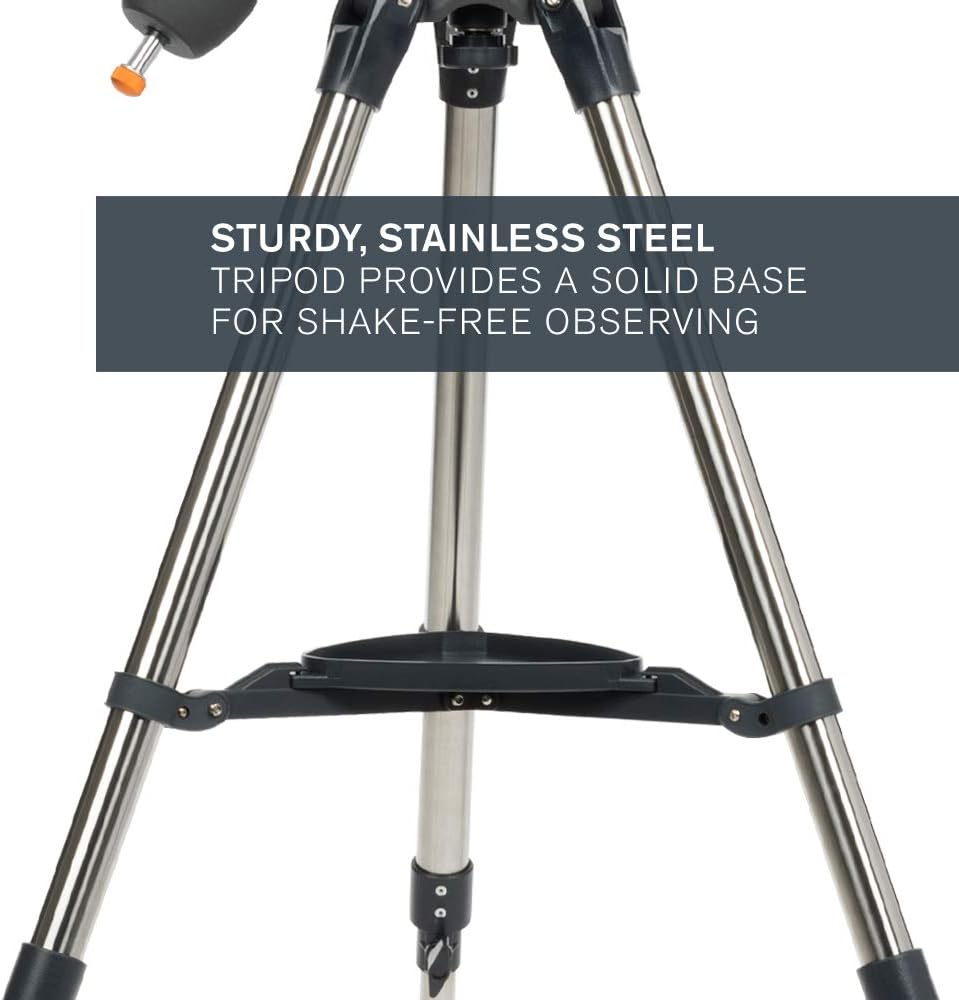
Begin with the 20 mm eyepiece to locate objects and enjoy wider-field views, then switch to the 10 mm eyepiece to examine craters and bands on Jupiter. Use the StarPointer finder to centre targets quickly before fine-tuning with the slow-motion controls. For nighttime observing, place the tripod on firm, level ground and allow the telescope to cool to ambient temperature for better image stability. If you plan to try basic astrophotography later, consider a camera adapter and a more precise polar alignment to reduce drift during exposures.
Advantages
This model balances aperture and portability, offering a larger mirror than many starter telescopes while remaining simple to transport to dark-sky sites. The fully coated optics are designed to improve contrast and brightness according to the manufacturer. The included tripod and eyepieces mean fewer immediate additional purchases, which helps beginners get under the stars sooner. One limitation is that the manual mount requires regular adjustment during observation periods, so it may not be the best option if you need motorised tracking for long exposure photography.
Practical Tips
Allow the telescope to acclimatise outside for at least 20 to 30 minutes before serious observing to reduce thermal currents in the tube. Keep the optics covered when not in use to avoid dust on the mirrors and eyepieces. Consider upgrading eyepieces or adding filters later to refine magnification and contrast for planetary or lunar observing. A simple observing chair and a red LED torch can improve comfort and preserve night vision while you work at the focuser.