

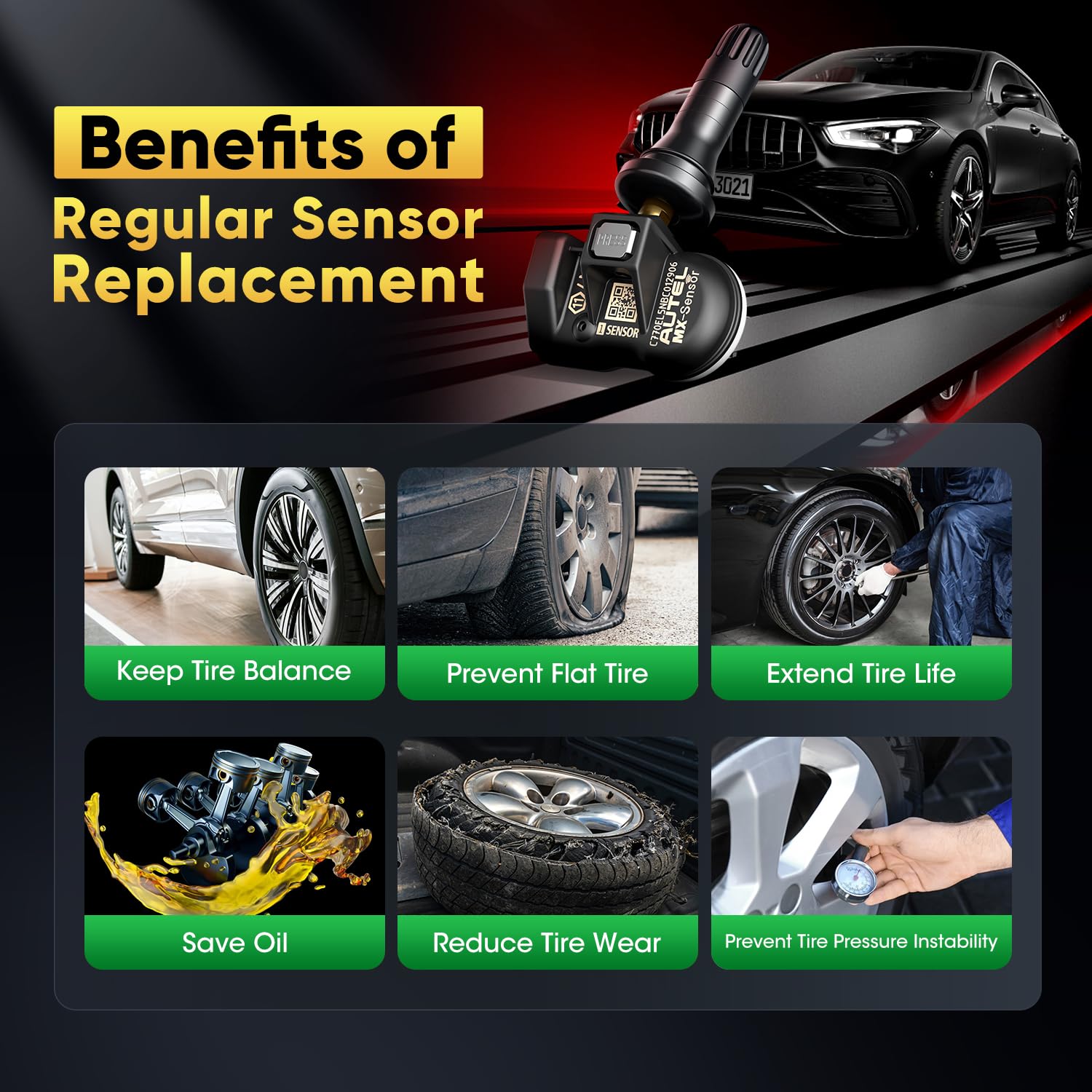
Autel MX Sensor 4-in-1 Dual Frequency 315/433MHz with Press-In Valve
Product description
What it is and what it’s for
The Autel MX Sensor is a 4-in-1 TPMS sensor designed for use with Autel TPMS programming tools. It is programmable with Autel software and tools such as TS501, TS508WF, TS508WF Kit, ITS600 and MX-series diagnostic tools. It features dual frequency (315MHz and 433MHz) and includes interchangeable rubber and metal valves, allowing a single sensor to cover a wide range of vehicles. On the bench, it’s a compact, lightweight option that aims to simplify tyre sensor inventory in workshop settings.
How it works in practice
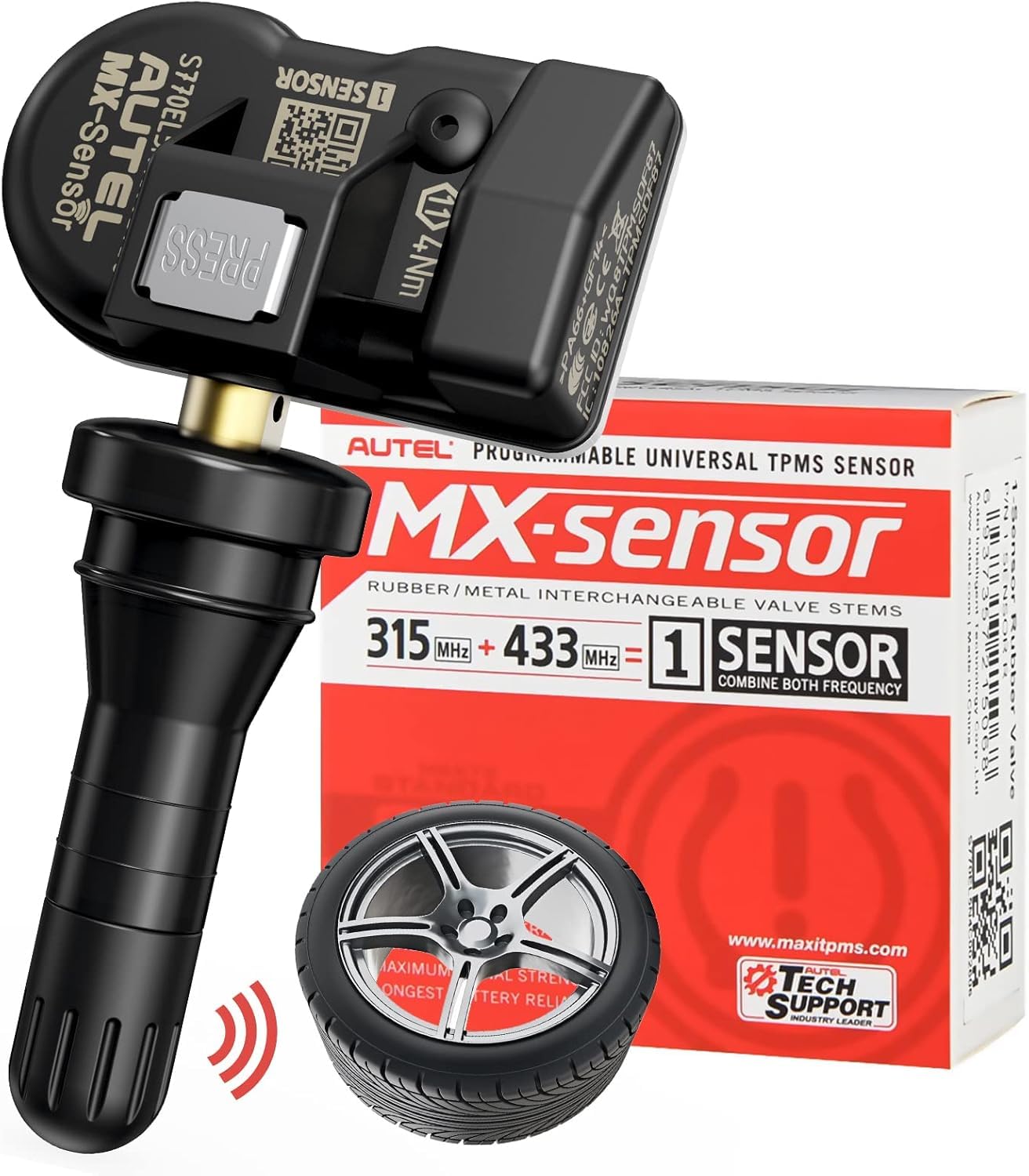
The MX Sensor is intended to be programmed using Autel TPMS tools. After programming, it can be cloned to match the original sensor ID and placed in the same position. Autel describes it as 100% cloneable with a setup that minimises the need for relearning when swapping sensors. A key practical note is to keep the programmed sensor away from the original by a safe distance during programming (the guidance suggests about 50 metres) to avoid interference, and to ensure software is up to date.
What stands out
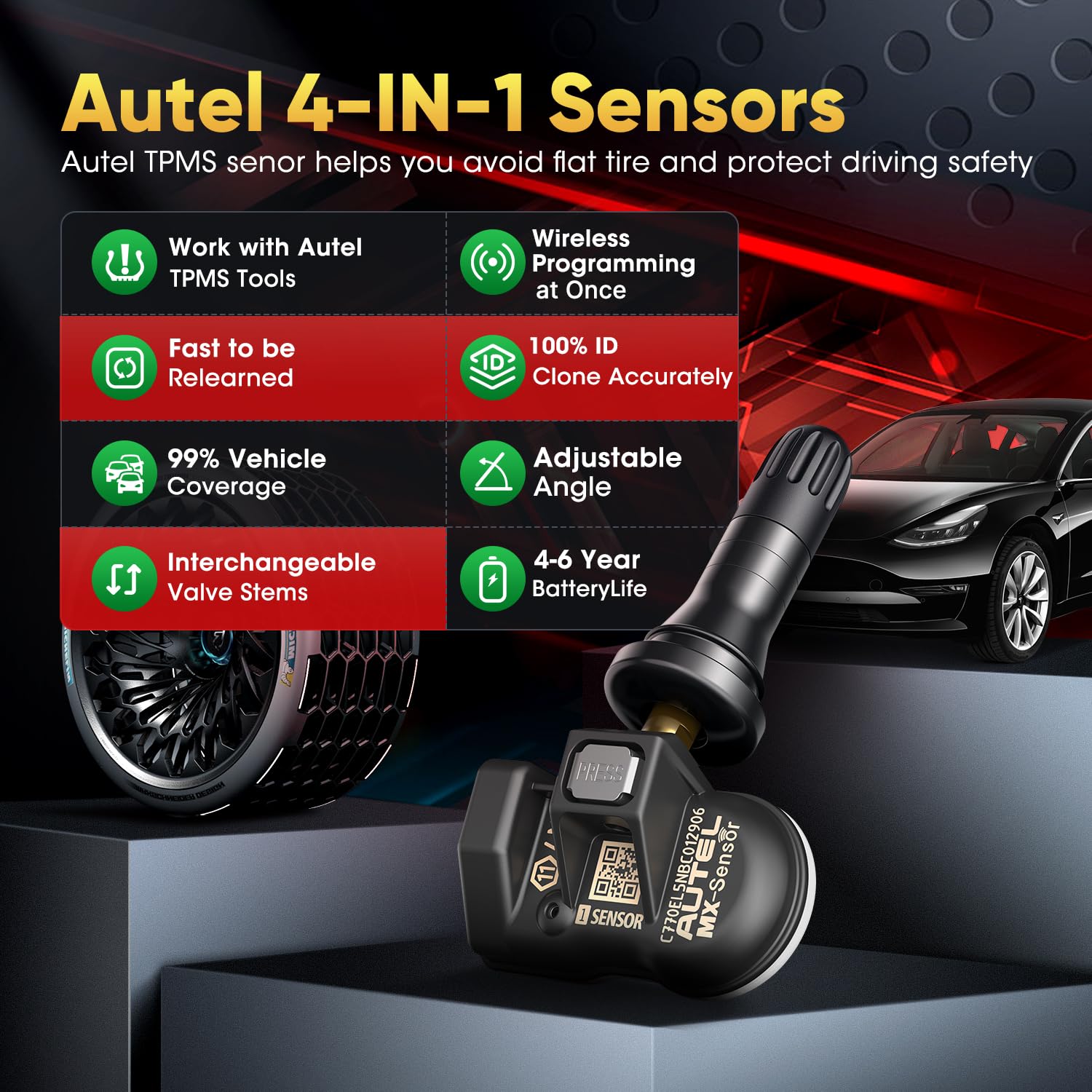
On the surface, the sensor promises broad vehicle compatibility (claiming coverage of over 150 brands and thousands of vehicles), plus a dual-frequency design meant to make it broadly reusable across regions. The build emphasises durability, with a claimed 4–6 year lifetime and a stated 0 to 800 kPa pressure range. It also highlights an exclusive press-in design with two valve options (metal and rubber), enabling quick valve swaps during installation.
Potential limitations
A notable caveat is the reliance on Autel programming hardware—Autel MX sensors are not designed to be programmed by TPMS tools from other brands. If you rely on non-Autel software, you may find you cannot programme these sensors. The product also requires attention to interference during programming and software version compatibility, so it isn’t a plug-and-play option for all users. For workshop owners, the benefit of 4-in-1 compatibility must be weighed against the need to stock only Autel-compatible tools.
Who it’s for

If you’re a tyre shop or a technician already using Autel TPMS tools and you want a single sensor capable of covering many vehicles with minimal relearn, this MX Sensor could reduce inventory complexity and streamline replacements. It’s particularly relevant where you deal with a mix of vehicles and value a device with interchangeable valve types for faster tyre service.
Who it might not be for
If your setup uses TPMS programming tools from brands other than Autel, these sensors aren’t suitable. If you’re not able to commit to Autel software updates or you don’t need broad vehicle coverage, a simpler or cheaper sensor may be a better fit. It may also feel premium-priced for very small garages with low tyre throughput.
When it makes sense to buy
Consider this if you already rely on Autel programming tools and prioritise a flexible, long-life sensor with 4-in-1 valve options and broad compatibility. It could be a practical choice when you want to standardise inventory around a single sensor type and reduce stocking variety while servicing a wide vehicle mix.
What to check before purchasing


- Confirm you have access to Autel TPMS programming tools and keep software up to date.
- Ensure the 50 m programming distance guidance fits your workshop layout to avoid interference.
- Verify that the vehicle stock and common models you service align with the claimed broad compatibility.
- Understand the cost-benefit of a single-sensor approach versus multiple model variants in your inventory.
Practical use case
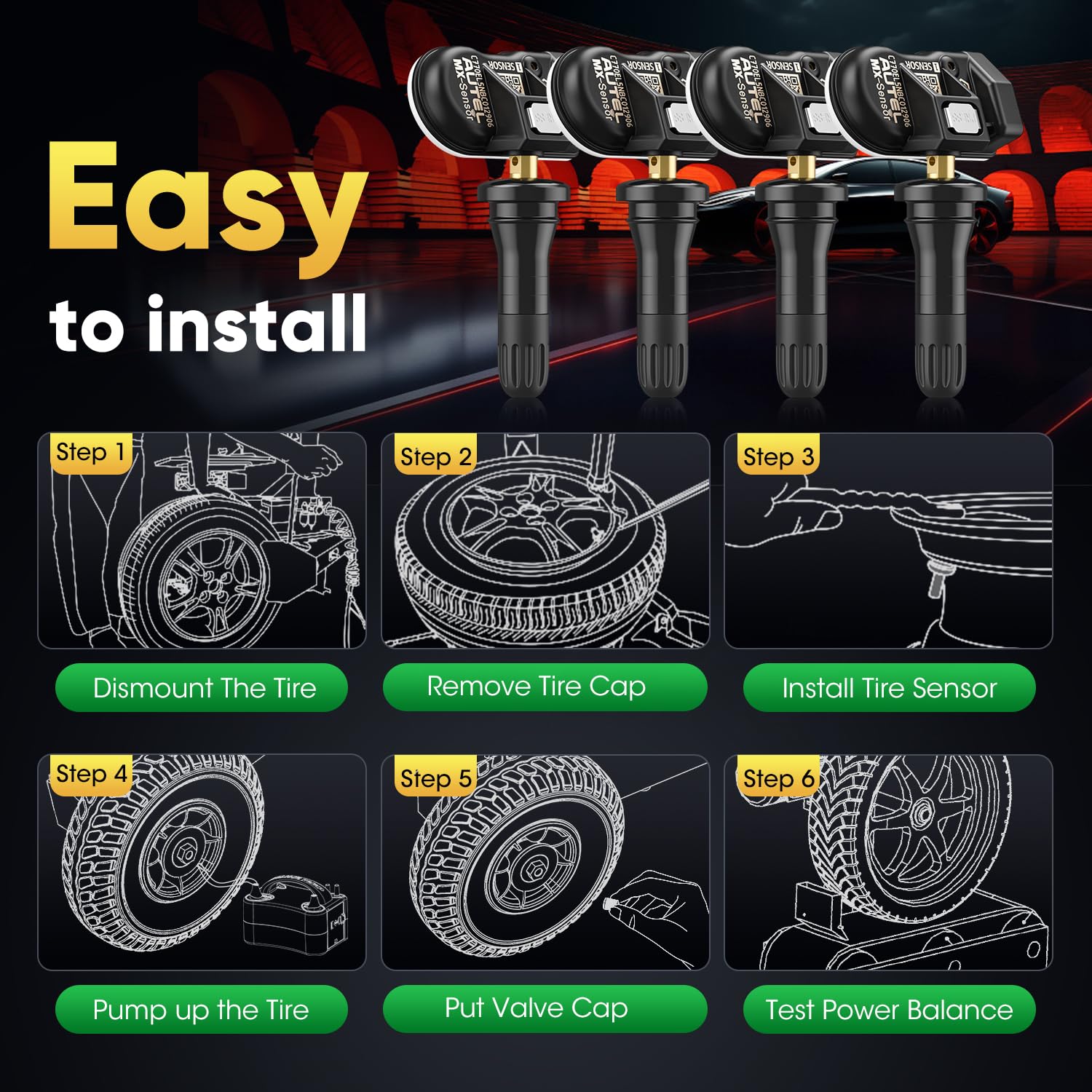
Imagine a tyre shop that routinely handles cars from several regions. After programming the MX Sensor with an Autel tool, staff can swap to the rubber or metal valve as needed, then install it in a tyre without lengthy relearns. The sensor’s durability and aim for long life help keep replacement cycles low, making it a sensible option for high-traffic workshops where consistency matters.
FAQ snapshot
- Do these sensors work with any TPMS tool? They are designed for Autel TPMS programming tools and may not program with tools from other brands.
- How long do they last? Autel claims a 4–6 year lifetime under typical conditions.
- Is there a learning curve? Some steps require software updates and adherence to recommended programming distance to avoid interference.
Final decision
Is it worth it? Worth considering if you prioritise a 4-in-1, dual-frequency sensor within an Autel ecosystem and you want minimised inventory with broad vehicle coverage. If you don’t plan to use Autel programming tools, or if your workshop handles a limited vehicle set, this may not be the best fit.