

UK Online Shopping Savings: Delivery, Returns & Payment Tricks
Cut hidden costs on UK online orders with smarter delivery choices, returns planning, VAT/import checks and payment protections.
Most “deals” are won (or lost) after you’ve found the price: delivery fees, return postage, import charges and even how you pay can quietly add £10–£30 to what looked like a bargain. The good news is you can control most of it with a few repeatable habits.
The overlooked savings: what happens after you click “buy”
When you’re shopping online in the UK, the headline price usually includes VAT, and retailers know you’re comparing tabs fast. So the extra costs get pushed into delivery options, returns rules, and checkout add-ons.
Below is a prioritised set of tactics that work across most UK retailers. Each one includes why it saves you money and when it’s worth doing.
1) Treat delivery as part of the price (and optimise it)
The fastest way to overpay online is to decide on delivery at the very end, when you’re already mentally committed.
Why it saves: delivery charges (and “premium” delivery upgrades) can erase a discount instantly. On the flip side, a well-chosen delivery method can be the cheapest “coupon” you’ll ever use.
When to apply: every time you’re close to a free-delivery threshold, ordering bulky items, or shopping with multiple retailers open.
Practical ways to do it without turning it into a spreadsheet:
- If you’re near a free-delivery threshold, check whether adding something you’ll genuinely use soon (toiletries, batteries, printer paper) beats paying delivery. If it’s filler you wouldn’t buy otherwise, it isn’t a saving.
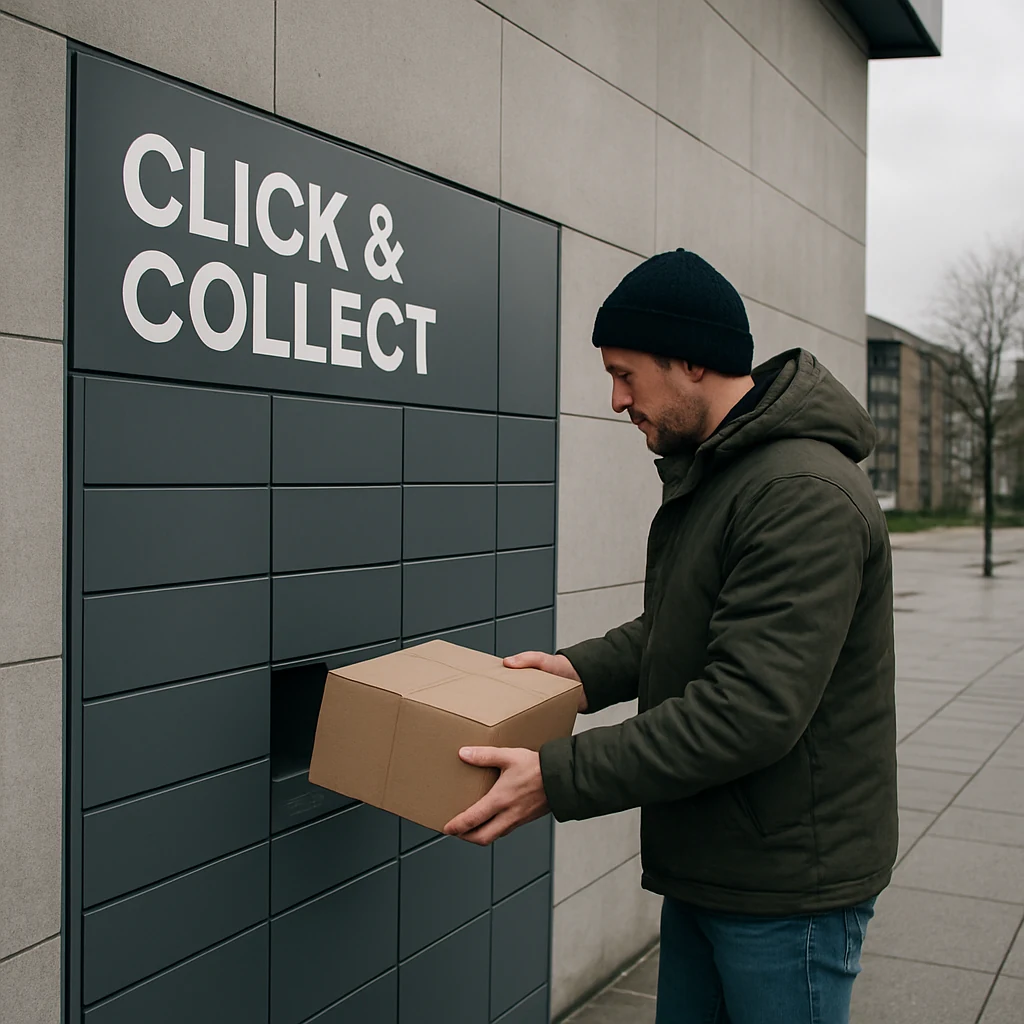
- Look for Click & Collect (often via local shops, lockers, or store collection). It can beat home delivery on both price and missed-delivery hassle.
- Consider whether “next day” actually matters. For non-urgent items, standard delivery is often the difference between “nice deal” and “why did I bother?”.
- If you place frequent orders with the same retailer, a delivery pass/subscription can be good value. The trick is to be honest about whether you’ll still be ordering there in three months.
A small habit that helps: before paying, re-read the basket total including delivery and ask, “Would I still buy this at this final figure?”
2) Decide your “returns plan” before you buy
Returns are where lots of online bargains go to die—especially on clothing, shoes, tech accessories and home items that look bigger/smaller on the website.
Why it saves: return postage (or restocking fees where they exist) can turn a discounted item into full-price or worse. It also saves you time: fewer awkward trips to the Post Office and fewer “I’ll return it later” piles.
When to apply: anything size-sensitive, anything you’re not 100% sure about, and anything heavy (where return shipping can sting).
What to check quickly on the product page and at checkout:
- Who pays for return postage (you or the retailer), and whether returns need to be sent back by a particular service.
- Whether you can return in-store (handy if there’s a nearby branch).
- Whether the item is excluded from change-of-mind returns (common with personalised goods, some hygiene items, certain digital content once accessed).
UK-specific note: when you buy online, you usually have a 14-day cooling-off period under the Consumer Contracts Regulations for many purchases. That doesn’t mean “every return is free” or “every item is covered”, but it does mean you’re not stuck just because you clicked purchase online.
If you’re buying something you might return, plan the boring bits upfront:
- Keep packaging tidy until you’re sure.
- Take a quick photo of the item on arrival (useful if you need to show damage).
- Don’t bin dispatch notes until you’ve decided to keep it.
3) Use payment methods that protect you (and can save real money)
The cheapest price isn’t much use if something goes wrong and getting a refund turns into weeks of back-and-forth.
Why it saves: strong payment protection reduces the risk cost of buying from a new retailer, a marketplace seller, or an overseas shop. It can also help you avoid paying twice (replacement + refund delay).
When to apply: higher-value items, unfamiliar retailers, marketplace purchases, pre-orders and anything with a long delivery timeline.
In the UK, paying by credit card can give you extra protection under Section 75 on eligible purchases (typically when the item cost is over £100 and under £30,000). You don’t need to use a particular retailer; you do need to pay directly with the card.
If you’re using PayPal or buy-now-pay-later options, keep it simple: use them for convenience, not as a reason to spend more. And always consider the return timeline—refunds and instalments can overlap in annoying ways.
A quick self-check that saves money: if you wouldn’t be comfortable chasing this retailer for a refund, don’t pay in the least protected way.
4) Watch for VAT/import surprises (especially on marketplaces)
Most UK shoppers are used to prices being VAT-inclusive. Problems start when an order is fulfilled from overseas, routed through a marketplace seller, or shipped without duties handled upfront.
Why it saves: import VAT, customs duty and courier handling charges can land after you’ve paid, turning a “cheaper than UK” price into a regret.
When to apply: any time the listing looks oddly cheap, the delivery estimate is long, or the seller location/dispatch country isn’t clearly UK.
What to do before you buy:
- Check where the item is dispatched from, not just the website’s domain.
- Look for wording that suggests duties are paid upfront (often phrased as taxes/duties included) versus “may be charged on delivery”.
- If you’re on a marketplace, check whether you’re buying from the platform itself, a UK seller, or an overseas seller.
This isn’t about avoiding overseas sellers—just about comparing like with like. A £5 saving isn’t a saving if you’re later asked to pay extra to receive the parcel.
5) Make your basket work harder: bundles, spares and timing (without overbuying)
One of the most reliable ways to save online is to reduce the number of separate orders you place—but only if you’re not buying junk you don’t need.
Why it saves: fewer orders means fewer delivery fees, fewer return labels, fewer chances of missing the free-delivery threshold by a couple of pounds, and fewer impulse add-ons.
When to apply: household essentials, repeat purchases, and gifts (especially in the run-up to UK seasonal peaks like Easter, end-of-summer clearances, and Black Friday/Cyber Monday).
Use a simple rule: consolidate orders for things you’re confident you’ll keep, and keep “maybe items” separate so returns are cleaner.
A practical example: if you’re buying a phone case you’re unsure about, keep it in a separate order from the charger you definitely need. That way you’re not messing about returning half a mixed basket or losing track of what’s been refunded.

Quick tips you can use on your next checkout
- Screenshot the final checkout page total (including delivery) before paying—handy if something changes or a delivery option disappears.
- If delivery is pricey, check whether the retailer offers collection options or a delivery pass before you abandon the basket.
- When ordering clothing, prioritise retailers with straightforward returns (even if the sticker price is a touch higher).
- For higher-value items, consider paying by credit card for stronger protection, then pay it off as normal.
A calm way to spot a “real” bargain in 30 seconds
Before you place the order, ask three questions:
- What’s the all-in price delivered? (Including delivery, any fees, and any likely import charges.)
- What’s my exit route? (Can I return it easily and cheaply if it’s wrong?)
- What happens if it goes wrong? (Is my payment method going to help me, or make it harder?)
If you can answer those without squinting at fine print, you’re not just finding deals—you’re keeping them.
If you want more UK-focused savings tactics, guides and deal-hunting habits, start from the homepage and browse what fits your next purchase: /
You may also be interested

The UK Wishlist Method: Plan Your Next Online Deal (No Panic Buying)
A practical UK step-by-step guide to saving online by setting target prices, tracking drops, and buying at the right moment—without falling for “was/now” hype.
Marketplace vs Retailer: How UK Shoppers Pick the Real Deal
A practical UK guide to choosing between marketplaces and direct retailers—price, delivery, returns, warranty and hidden costs—so the ‘deal’ stays a deal.
After You Buy: UK Tricks to Save with Price Drops & Returns
A practical UK guide to saving after checkout: price-drop checks, delivery refunds, returns timing and safe ways to re-order for less.