

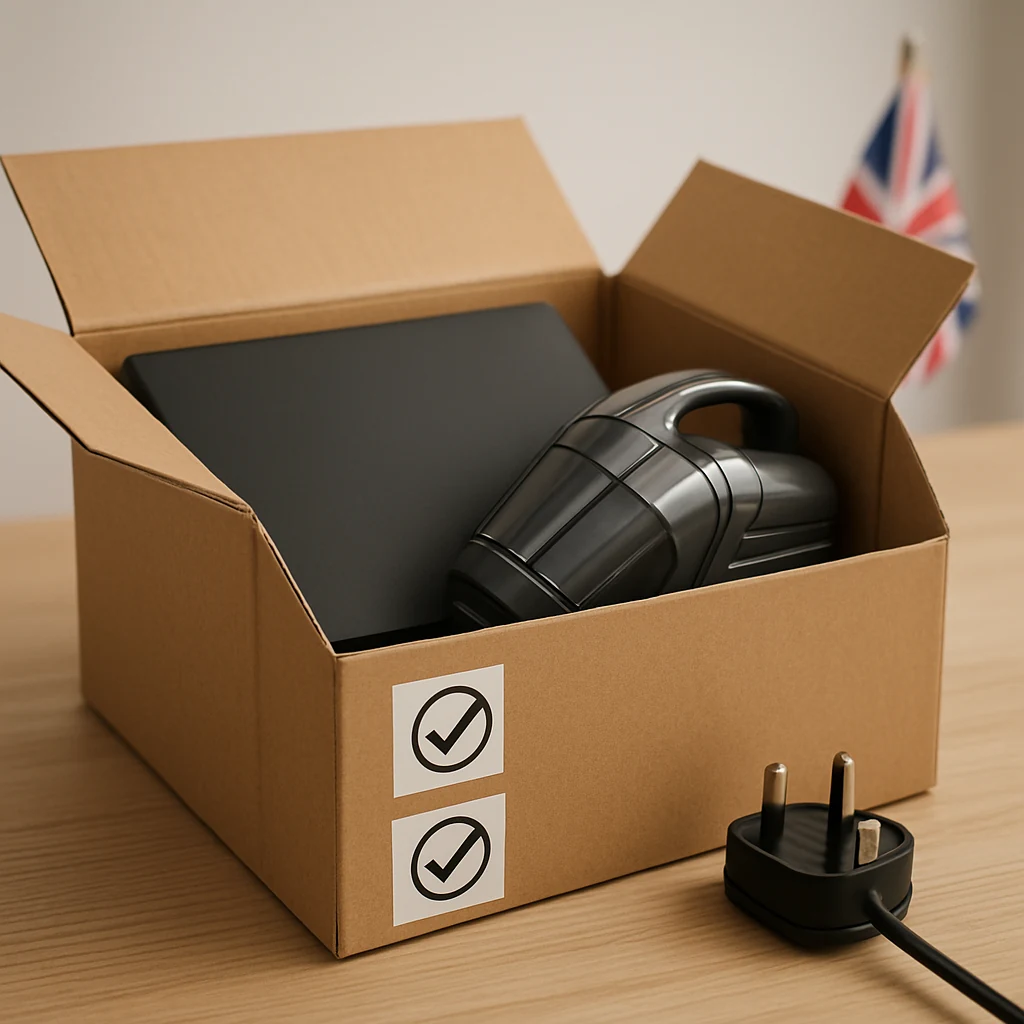
UK Online Savings: How to Buy Refurbished, Outlet & Clearance Safely
A practical UK guide to saving money online with refurbished, graded and clearance stock—what to check, when it’s worth it, and how to avoid bad buys.
Most people hunt for voucher codes, then stop there. A quieter (often bigger) win is simply buying a different version of the same item: refurbished, graded, open-box, ex-display, outlet, or end-of-line clearance. Done well, it’s one of the most reliable ways to cut the price without gambling on timing.
This guide is a practical UK-focused playbook: what to look for, what to avoid, and when each option makes sense—especially around typical UK sales periods like January, Bank Holiday events, and Black Friday/Cyber Monday.

What these “not quite new” deals actually mean (in the UK)
Retailers don’t always use consistent labels, which is why shoppers get stung. Here’s the plain-English version.
Refurbished usually means the product has been checked, tested and resold. It might have been a return, a fault that’s been repaired, or surplus stock sent back through a refurb process. Sometimes it’s manufacturer-refurbished (best case), sometimes retailer-refurbished.
Open-box Ofertas returned Ofertas unused return tends to mean someone opened it, maybe tried it, then sent it back within the returns window. Condition can be close to new, but packaging may be damaged.
Ex-display is exactly what it sounds like: it’s been handled, possibly left on show, and may have cosmetic wear.
Graded (A/B/C) is common with phones, laptops and consoles. “A” usually means closest to pristine; lower grades usually mean more visible marks. What matters is the seller’s definition (and whether photos match).
Clearance Ofertas end-of-line can be brand new, just being moved on to make room for the next model/season.
The saving comes from accepting one compromise—cosmetics, packaging, last-year model—without compromising on the bits that actually matter: warranty, returns, and a trustworthy seller.
The prioritised playbook (what to do first, and when)
1) Start with “approved” sources before you start hunting bargains
Why it saves money: It’s the easiest way to get a lower price without taking on extra risk. You’re paying for peace of mind: proper testing, clearer grading, and a returns process that actually functions.
When to use it: Any time you’re buying something expensive or safety-critical (phones, laptops, vacuums, tablets, kitchen kit, power tools). Also when you need it soon and can’t afford hassle.
In UK terms, prioritise:
- Manufacturer refurbished programmes (where available)
- Major UK retailers’ outlet/clearance sections (sold and fulfilled by the retailer)
- Well-known recommerce specialists (check they’re UK-based with clear VAT invoicing and support)
A quick rule: if you can’t easily find a UK address, returns information, and who actually sells the item, don’t treat it as a “deal”—treat it as a risk.
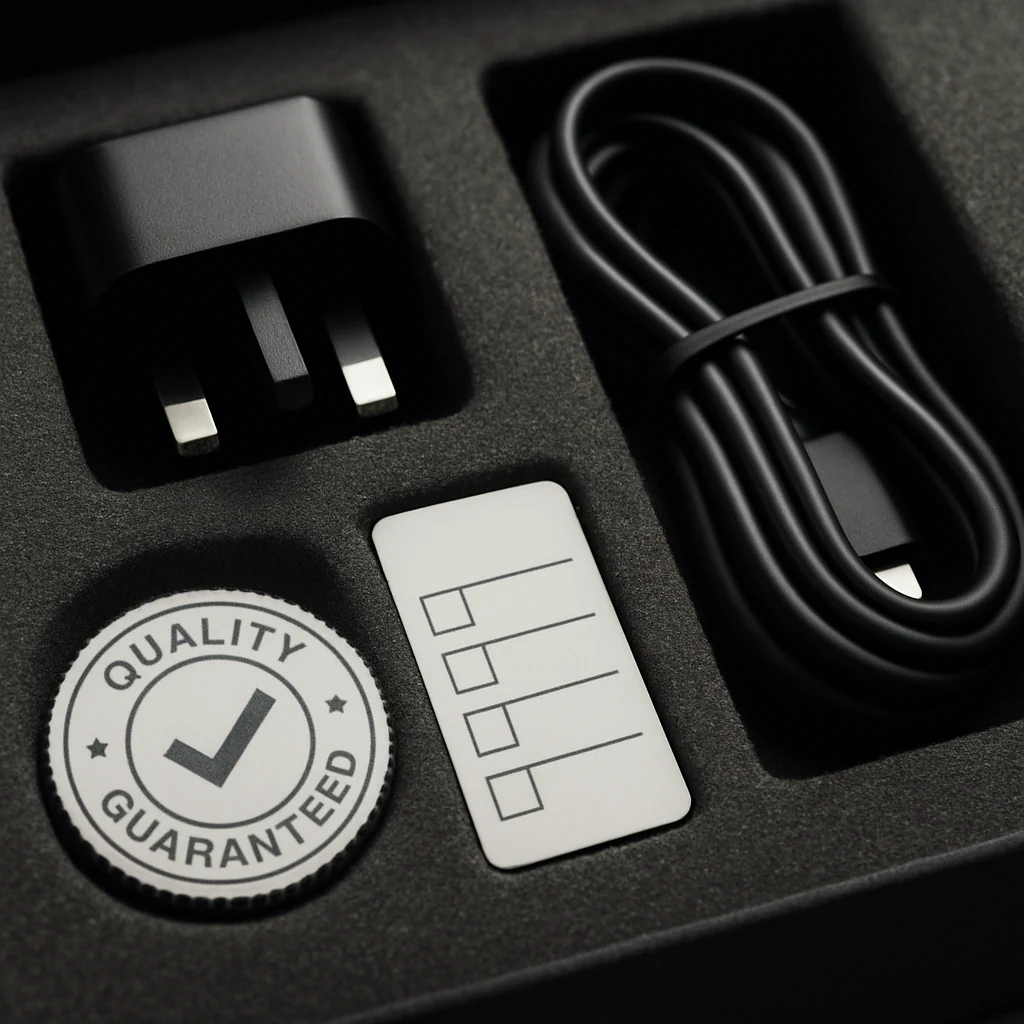
2) Decide the one compromise you’re happy with (and refuse the rest)
Why it saves money: You stop being seduced by a low price that’s low for the wrong reason (missing accessories, odd warranty, poor condition).
When to use it: Before you even compare listings. This is especially helpful on marketplaces where dozens of similar listings blur together.
Pick one compromise:
- Cosmetic wear is fine, but it must be fully functional
- Damaged box is fine, but all accessories must be included
- Last-year model is fine, but you want full UK warranty/returns
If a listing asks you to accept two or three compromises at once (scratched, missing charger, “no returns”), it’s rarely worth it.
3) Treat warranty, returns and delivery as part of the price
Why it saves money: The cheapest basket often becomes the most expensive once you factor in return postage, restocking fees (where applicable), or a short warranty that forces you to pay for repairs later.
When to use it: Always—especially on refurbished electronics and anything bulky (TVs, monitors, white goods, furniture).
In the UK, look for a clear statement on:
- Returns window: Who pays return postage? Is there a collection option for larger items?
- Warranty length and who provides it: Retailer warranty vs manufacturer warranty matters.
- Delivery service level: Tracked delivery, nominated day, room-of-choice, packaging removal—these can change the real value.
Also check whether VAT is included in the listed price (it typically is for UK consumer retail). If anything about VAT or invoicing looks vague, slow down.
4) Compare like-for-like (model numbers, storage, version, and bundle)
Why it saves money: “Same product” isn’t always the same product. A refurb bargain can look brilliant until you realise the new one includes extra accessories, longer warranty, or a higher spec.
When to use it: When you’re shopping phones, laptops, headphones, smartwatches, gaming consoles, printers and coffee machines—anything with multiple versions.
Practical UK habit: copy the exact model number from the listing and search it. If the seller won’t state it, that’s already your answer.
5) Use clearance strategically: it’s best for seasonal and “versioned” items
Why it saves money: Clearance works best when retailers just want stock gone—end of season, packaging refresh, colour discontinued, or a new model incoming.
When to use it:
- After Christmas and into January for home, fitness and “new year reset” categories
- Late summer for garden/outdoor items
- Around Bank Holiday events when retailers rotate promotional ranges
- Black Friday/Cyber Monday when older variants are quietly marked down alongside headline deals
The key is not to chase every clearance label. Chase the clearance label on items where last year’s version is still perfectly fine (think small appliances, everyday tech, basics).

6) Watch out for the three classic “refurb” gotchas
Why it saves money: Because avoiding one bad buy is often worth more than finding a slightly cheaper listing.
When to use it: Particularly on marketplaces and lesser-known sites.
Here are the checks I’d actually do before paying (keep it simple):
- Is it sold by the retailer you trust, or a third-party marketplace seller?
- Does it state grade/condition clearly (and is it backed by photos if it’s not “like new”)?
- Does it include the right plug/charger for the UK (and are you OK if it’s third-party)?
- Is there a clear returns process (not just “contact us”)?
If any of these are unclear, you’re not buying a bargain—you’re buying uncertainty.
7) Use a “price sanity check” so you don’t overpay for refurbished
Why it saves money: Refurbished isn’t automatically cheap. Sometimes it’s priced too close to new—especially during big promo periods.
When to use it: When you’re within touching distance of the new price.
Do a quick comparison across:
- The same item brand new from at least one major UK retailer
- Any current promo bundles (extra controller, case, subscription trials, etc.)
- Delivery/returns terms (a free, easy return can be worth real money)
If refurbished is only marginally cheaper, I’d lean new—unless the refurb comes with a strong warranty and you’re confident you won’t need to return it.
A realistic example: when refurbished wins (and when it doesn’t)
Say you’re buying a laptop for everyday work. Refurbished can be brilliant if you’re getting a clear model, a known grade, and a decent warranty. Where it often stops being a win is when the listing is vague (“assorted models”), the battery condition isn’t addressed, or returns are awkward.
On the other hand, for something like a vacuum cleaner or a set of headphones, manufacturer refurb can be a sweet spot: fewer moving parts to worry about (compared with a laptop), easier to test quickly on arrival, and the value of “as new but cheaper” is straightforward.
If you want more money-saving tactics that stack with this approach (without repeating the same old advice), keep an eye on the latest guides on the homepage: /.

FAQs (UK shoppers)
Are refurbished items covered by UK consumer law?
Often, yes—if you’re buying from a UK business. Your rights depend on who you buy from and how the item was described. In general, the item should match its description, be of satisfactory quality (taking its condition/grade into account), and be fit for purpose. If you’re buying from a private seller, protections are much weaker.
What does “Grade A/B/C” actually guarantee?
Nothing universal. “Grade A” on one site can be “Grade B” on another. Treat grading as a seller-specific promise and look for a written definition (scratches, screen marks, battery expectations, accessories). If the definition is missing, the grade is basically marketing.
Is ex-display worth it?
It can be, especially for items where cosmetic wear doesn’t matter (a TV that’s been on a wall, a coffee machine with minor scuffs). Just be stricter about checking for missing parts, included accessories, and warranty. If it’s been used heavily (buttons worn, screen burn concerns), you’ll want a strong returns option.
How do I avoid grey imports when buying “cheap” tech online?
Look for UK-specific details: UK plug, UK warranty support, clear VAT invoicing, and a reputable UK seller. If support is “return to overseas warehouse” or the warranty is vague, that’s a warning sign.
Should I buy used on marketplaces instead?
Used can be cheaper, but it’s a different trade-off: less predictable condition, more variable returns, and more time spent messaging sellers. For higher-value purchases, refurbished from a reputable seller is often the better balance of price and protection.
If you want, tell me what you’re buying (category + your budget in GBP + whether you care about cosmetic marks), and I’ll suggest the best “not-new” route—refurb vs outlet vs clearance—and what to check on the listing before you pay.
You may also be interested

The UK Wishlist Method: Plan Your Next Online Deal (No Panic Buying)
A practical UK step-by-step guide to saving online by setting target prices, tracking drops, and buying at the right moment—without falling for “was/now” hype.

Marketplace vs Retailer: How UK Shoppers Pick the Real Deal
A practical UK guide to choosing between marketplaces and direct retailers—price, delivery, returns, warranty and hidden costs—so the ‘deal’ stays a deal.
After You Buy: UK Tricks to Save with Price Drops & Returns
A practical UK guide to saving after checkout: price-drop checks, delivery refunds, returns timing and safe ways to re-order for less.