

The UK Online Deal Calendar: When to Buy (and When to Wait)
A practical UK shopping calendar: the best times to buy online, when prices dip, and how to plan purchases around real retail cycles.
Most people hunt for a bargain at the checkout. The bigger savings often happen earlier — when you choose when to buy.
UK retailers run on fairly predictable cycles: seasonal clear-outs, new-model launches, bank holiday promos and those classic “big” events like Black Friday. If you align your purchases with those rhythms, you’ll spend less in GBP without needing to chase dozens of voucher codes.

1) Start with a “can it wait?” rule (it saves you the most)
The most reliable money-saving strategy is brutally simple: don’t buy today if you don’t need it today. Prices move constantly online, and the best discounts tend to appear when retailers need to shift stock — not when you happen to browse.
Why it works: sellers discount to create urgency (end of season), clear space (new lines arriving), or hit volume targets (promo events). If your purchase is flexible, you can let those moments do the work.
When to apply it: anything non-urgent, especially bigger-ticket categories like tech, home appliances, furniture, mattresses, and DIY tools. If your current item is fine (even if it’s a bit annoying), waiting usually beats “impulse upgrading”.
A practical approach is to make two lists: “need within 7 days” and “can wait 30–90 days”. Most savings come from the second list.
2) Use the UK sale windows — but match them to the product
Not every sale period is great for every category. The trick is to shop the right things at the right time.
Here are five UK moments that tend to be worth planning around:
- Boxing Day & January sales: strong for winter clothing, footwear, homeware and leftover gift-season stock.
- Spring (Easter period): often good for DIY, garden prep and home refresh items.
- May bank holidays: retailers lean into long-weekend promos, especially home and outdoor categories.
- Back to school (late summer): bags, stationery, laptops/chromebooks, uniform basics.
- Black Friday & Cyber Monday: broad discounts, but best when you already know the model/spec you want.
Why it works: these windows align with demand spikes and stock turnover. Retailers are more willing to cut margins because they expect higher traffic.
When to apply it: plan your purchases backwards. If you know you’ll need a desk, monitor, or office chair for a September routine, you’ll usually do better buying during back-to-school pushes than on a random Tuesday in November.
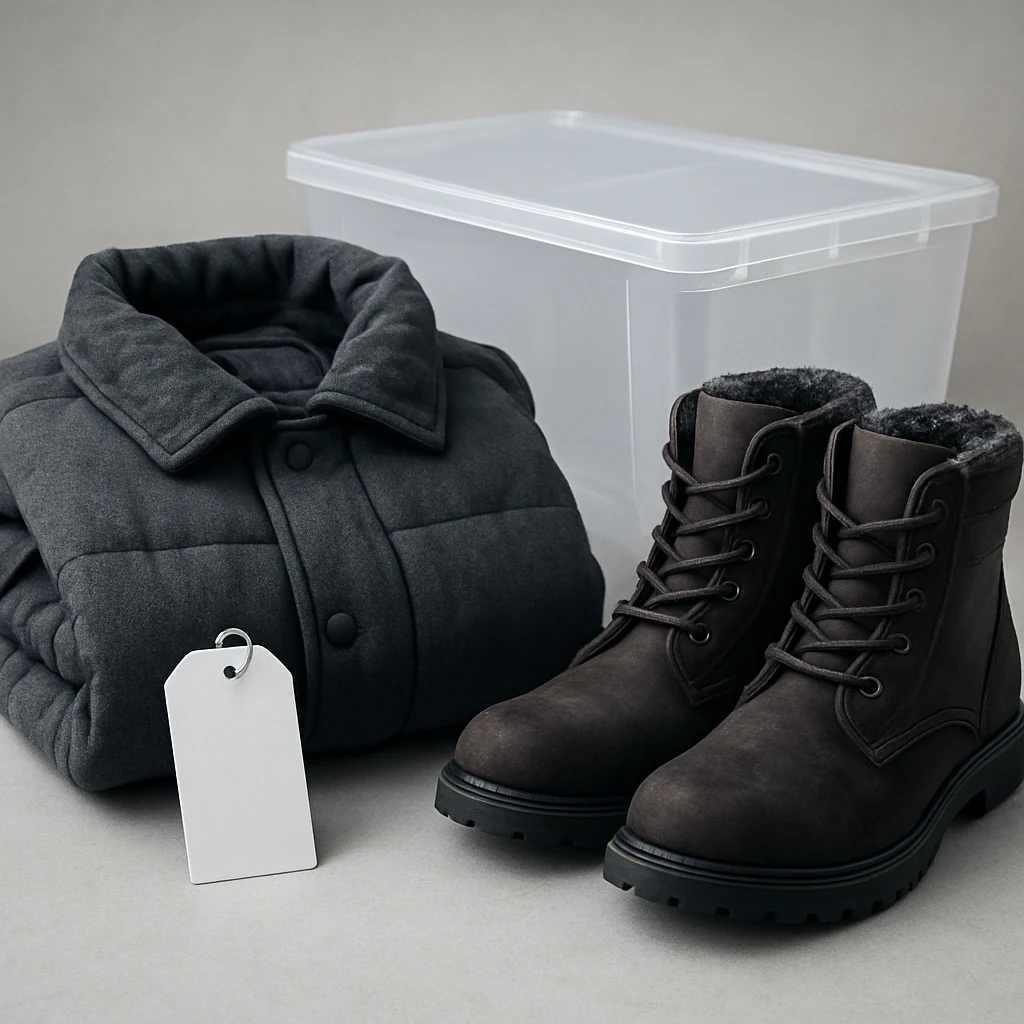
3) Think in “end-of-season clear-outs”, not just headline events
Big events get the attention, but the quiet end-of-season clear-out is where genuinely good deals often hide.
Why it works: shops don’t want to hold seasonal stock that won’t sell next month. They would rather move it (even with a smaller profit) than pay to store it.
When to apply it (examples):
- Coats, boots, thermals: late winter into early spring.
- Garden furniture, BBQs, outdoor lighting: late summer into early autumn.
- Fans and portable air con: once the warm spell has passed.
- Christmas décor: immediately after the holidays, when retailers are clearing shelves.
If you can buy “out of season” and store at home, you’re using the calendar to your advantage.
4) Watch for “new model launches” (the old model is often the deal)
If you’re shopping for tech, the best discounts aren’t always tied to Black Friday. They often appear when a replacement product is released.
Why it works: retailers need to clear the previous generation quickly so it doesn’t sit next to the newer version. That’s when you see price drops, bundle offers, or extra freebies.
When to apply it: phones, tablets, smartwatches, laptops, headphones, TVs, robot vacuums and kitchen gadgets. The key is to decide which features you actually need. For many buyers, last year’s model is already “more than enough”.
A practical way to do this without getting lost in specs is to pick your minimum requirements first (screen size, storage, noise level, warranty terms), then look for the cheapest reputable retailer selling a model that meets them.
5) Don’t buy during “high-demand weeks” unless you must
Sometimes the best timing move is to avoid buying when everyone else is buying.
Why it works: when demand is naturally high, retailers have less incentive to discount. Even if you see promotions, the baseline price can be higher.
When to apply it:
- Right before Christmas (popular gifts, toys, consoles, small appliances)
- Heatwaves (fans, portable air con, summer essentials)
- The first sunny weekend of spring (BBQs, garden sets)
- The week before school starts (uniform basics, shoes)
If you can buy a few weeks earlier, you often get more choice (sizes, colours, delivery slots) and a better price.

6) Use “delivery reality” as part of the price
A deal isn’t a deal if it forces you into expensive delivery, awkward returns, or a poor warranty situation. In the UK, the final cost is the item price plus the friction.
Why it works: many online prices look good until you add delivery, realise the “free returns” only apply as store credit, or find out the return window is tight. You’re not just buying a product — you’re buying the retailer’s service.
When to apply it: bulky items (furniture, TVs), clothing and shoes (where returns are common), and anything you need by a specific date.
A quick habit that pays off: before you get excited, scroll to check delivery costs, delivery timeframe, and the return terms. UK shoppers often assume next-day delivery is the norm — it isn’t, especially during peak periods.
7) Build a “basket, then wait” routine (quietly powerful)
You don’t need to obsess over every price change. You just need a repeatable process that gives you a second look before you pay.
Why it works: retailers sometimes nudge you with timed discounts, price changes, or targeted offers after you’ve shown intent. Even when that doesn’t happen, waiting 24–72 hours cuts impulse buys and improves decision quality.
When to apply it: anything above a “wouldn’t mind if I regretted it” spend. Especially home upgrades, fashion hauls, and multi-item orders.
Tip: take a screenshot of the basket total (including delivery) so you can compare later without relying on memory.
8) Choose retailers with clear UK protections (even if the price is slightly higher)
If you’re saving money long-term, reliability matters. A slightly higher price from a retailer with straightforward returns and a proper UK presence can be the cheaper option overall.
Why it works: hassle has a cost. Complicated returns, slow refunds, or unclear warranties can wipe out your saving fast.
When to apply it: electronics, appliances, and anything where you care about after-sales support. Also keep an eye on whether prices include VAT (most UK consumer pricing does, but marketplace sellers can vary). If anything looks unclear, treat it as a risk cost.
If you want more UK-focused money-saving tactics, browse the latest guides on the homepage: see all tips and deal guides.
Putting it together: a simple planning habit
If you only take one habit from this post, make it this: match your shopping list to the calendar.
Write down what you want, decide what can wait, then aim for the most sensible season for that category. When the window arrives, you’re shopping with a plan — not reacting to a banner that says “Ends tonight”.
That’s how you turn online shopping into predictable savings rather than occasional luck.
FAQs (UK shoppers)
Are Black Friday deals in the UK actually worth it?
They can be, especially for tech and branded items where you already know the exact model you want. The main win is avoiding panic buying: decide your spec and your maximum price in advance, then compare retailers on the day (including delivery and return terms).
Is Boxing Day better than January sales?
They often blend into one long season. Boxing Day can have strong headline discounts and limited stock; January can be better for calmer shopping and better sizes/colours in some categories. If you want a specific item, earlier is safer. If you want the best “value per pound”, late-season reductions can be excellent.
Should I wait for bank holiday promotions?
If your purchase is flexible, yes — bank holidays are a common time for UK retailers to run site-wide offers. They’re particularly useful for home, garden, DIY and lifestyle categories.
How do I avoid paying more because I left it too late?
Work backwards from the date you need the item. Add a buffer for delivery delays and potential returns. For anything you need for a trip, a gift, or a specific event, paying a little more can be cheaper than last-minute delivery upgrades.
Are marketplaces always cheaper?
Not always once you include delivery, returns and warranty clarity. For pricier items, it’s worth checking who the actual seller is, what the return address is (UK vs overseas), and how refunds are handled.
You may also be interested

The UK Wishlist Method: Plan Your Next Online Deal (No Panic Buying)
A practical UK step-by-step guide to saving online by setting target prices, tracking drops, and buying at the right moment—without falling for “was/now” hype.
Marketplace vs Retailer: How UK Shoppers Pick the Real Deal
A practical UK guide to choosing between marketplaces and direct retailers—price, delivery, returns, warranty and hidden costs—so the ‘deal’ stays a deal.
After You Buy: UK Tricks to Save with Price Drops & Returns
A practical UK guide to saving after checkout: price-drop checks, delivery refunds, returns timing and safe ways to re-order for less.