

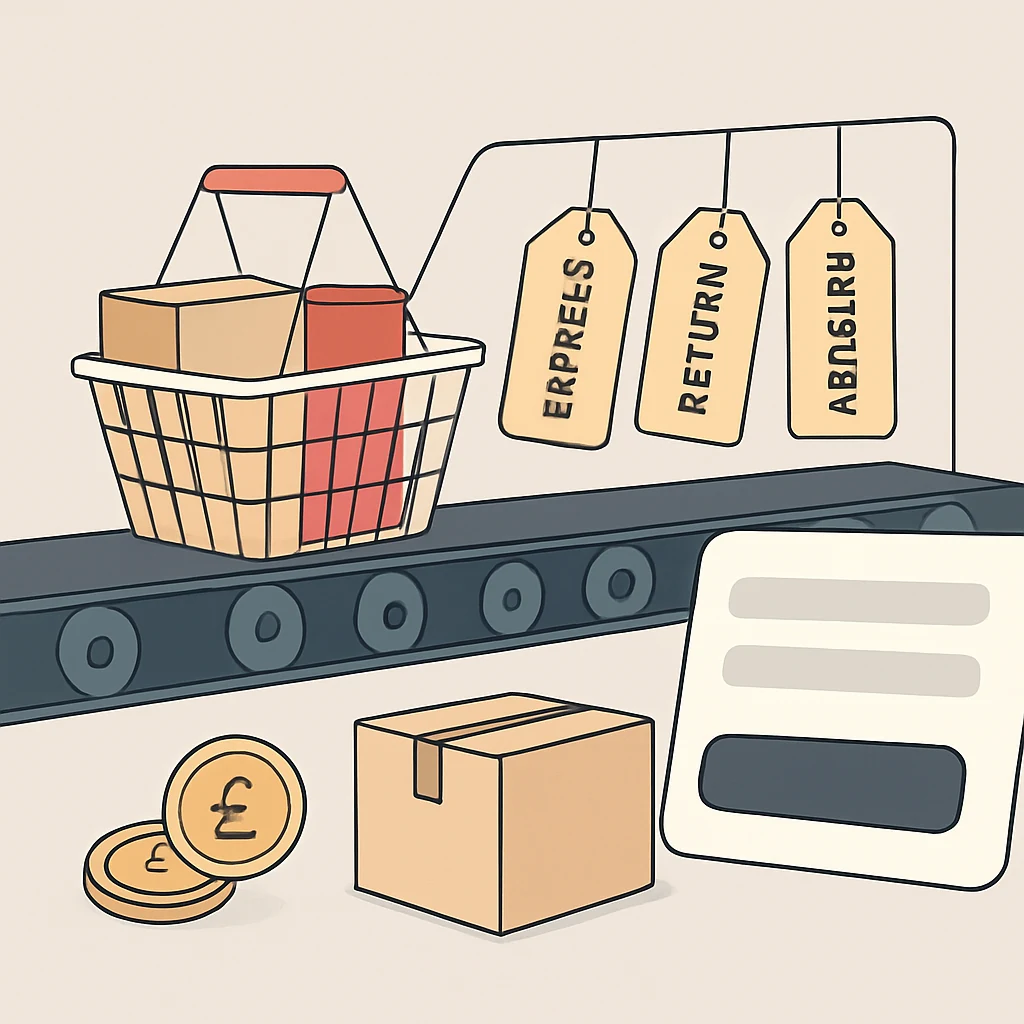
Beat Checkout Traps: Save on Delivery, Returns & “Free” Add‑Ons
A practical UK guide to cutting hidden online costs: delivery, returns, subscriptions, add-ons and voucher-code timing—without the faff.
Online bargains in the UK often look brilliant right up until the checkout. Then come the extras: delivery jumps up, “recommended” add‑ons appear, the default option isn’t the cheapest, and suddenly that deal isn’t really a deal.
This guide is about the money you can save at the checkout itself—not price tracking, not cashback stacking, not post‑purchase chasing. Just the practical bits that stop a good offer turning into a costly one.
“Why did the price change at checkout?”
Usually because of delivery, add‑ons, or bundling.
In the UK, most online prices you see are already VAT‑inclusive, so the jump isn’t typically tax. It’s more likely one (or more) of these:
- Delivery switched to a faster (or tracked) option by default
- A subscription (delivery pass, “member price”, or free trial) auto‑selected
- Add‑ons like extended warranty, antivirus, setup services, donation ticks
- Split delivery fees because items ship separately
A simple habit helps: before you pay, pause and scan the order summary like you’re proofreading a contract. If you wouldn’t actively choose it, remove it.
“Is it ever worth paying for a delivery pass?”
Sometimes, yes—but only if it matches how you actually shop.
A delivery pass can save you money if you’re ordering multiple times over a short period (think: Christmas presents, a new flat move, back‑to‑school bits). It’s less good if you only buy occasionally, or if you tend to order from lots of different retailers.
What to do in practice:
- If the site offers a free trial, set a reminder the same day to cancel (or decide) before it renews.
- Check whether the pass covers the delivery speed you’d normally choose. Some only cover standard.
- Look for a minimum basket threshold for free delivery anyway. If you’re consistently close, you might not need a pass—just consolidate orders.
“I’m being pushed into ‘member prices’—is that normal?”
It’s increasingly common in the UK. Retailers may show a “price” that only applies if you sign up for membership, a newsletter, or a subscription.
If you don’t want another account (fair), treat “member price” as optional. Compare the non‑member total cost delivered against other retailers. Sometimes the standard price elsewhere wins once you include delivery.

“How do I cut delivery costs without waiting weeks?”
Delivery is where UK shoppers quietly lose money—especially when you’re buying small items online.
Here are the biggest wins:
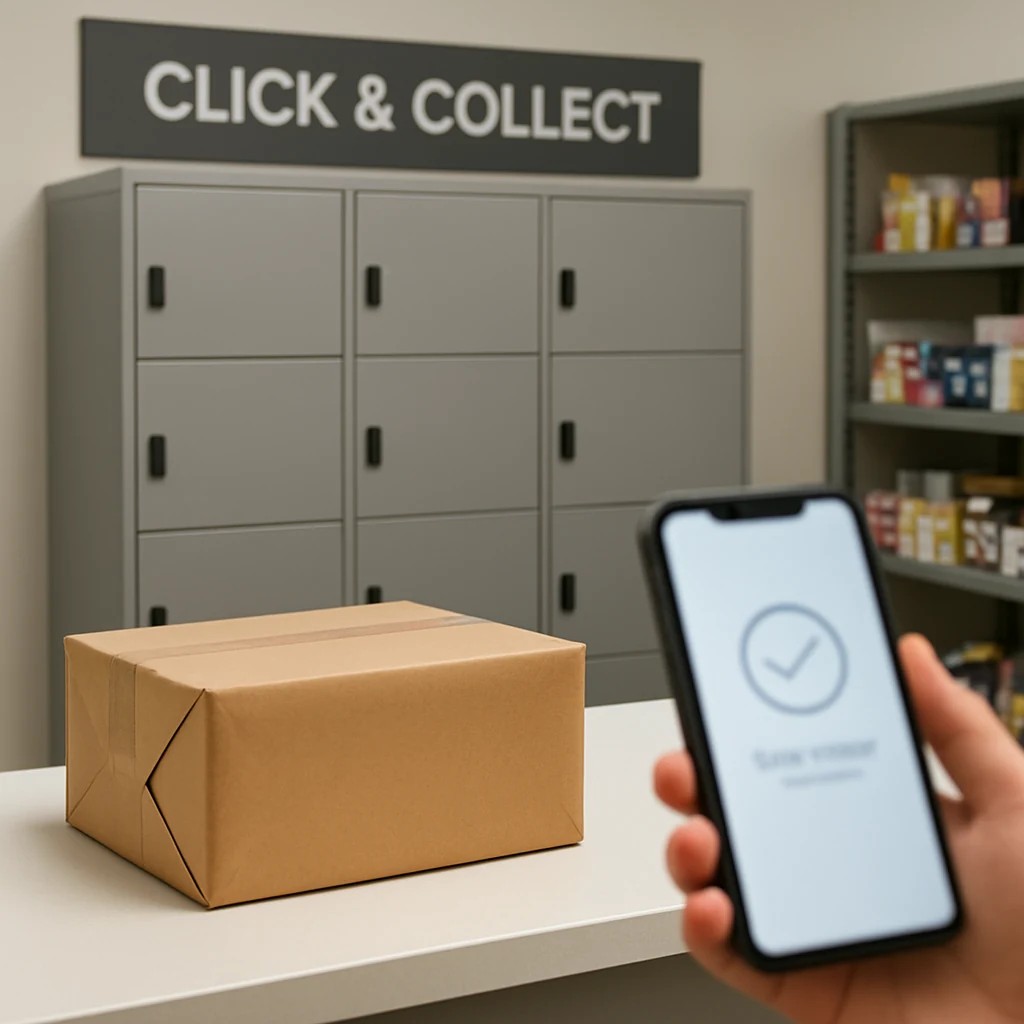
Choose Click & Collect (when it genuinely helps)
If you’re near an Argos, a local supermarket collection point, or a parcel shop option, Click & Collect can be cheaper (and less risky than leaving parcels on the step). It can also stop you paying for a premium time slot you don’t need.
But don’t force it. If collecting means a special trip, you may spend the saving on travel.
Consolidate orders (and watch out for split delivery)
A basket that qualifies for free delivery can still end up with charges if items are dispatched separately. If the checkout shows “ships from multiple sellers/warehouses”, see if you can:
- swap to one seller
- remove the low‑value “filler” item causing a second shipment
- buy the odd item elsewhere where delivery is free
Don’t pay for speed you don’t need
Next‑day delivery is great when it matters (last‑minute birthday gift, urgent replacement). Otherwise, standard delivery often arrives quickly enough.
A good rule: only pay for faster delivery when you’d genuinely pay that amount to avoid the wait.
“Returns are free, right?”
Not always in the UK. Many retailers offer free returns, but some charge for labels, make you pay postage, or only offer free returns to a store. And even when returns are “free”, you can still lose money via:
- non‑refundable delivery charges on certain options
- return windows that are shorter than you assumed
- bundles where returning one item affects the discount
Under the Consumer Contracts Regulations, you generally have a 14‑day right to cancel online purchases (with some exceptions), but retailers can make you cover return postage in some cases—so it’s worth checking the returns page before you buy.
“What’s the best way to avoid expensive returns?”
Avoiding the return in the first place is the cheapest option (and the least faff). Try this approach:
- For clothes/shoes, check the size guide and reviews for fit notes (“comes up small/large”).
- If you’re choosing between two sizes, check whether return postage is charged before you do the “order both” trick.
- For electricals, double‑check compatibility (UK plug, right connector, dimensions). A “bargain” cable that doesn’t fit is never a bargain.

“Why is there a warranty or add-on already ticked?”
Because it works. Many checkouts nudge you to add protection plans, accessories, or services.
Sometimes an add‑on is worthwhile (a laptop sleeve you actually need, a genuine manufacturer charger, accidental damage cover for something you’ll carry daily). Often, it’s just margin.
Ask yourself two quick questions:
- Would I buy this if it wasn’t shown right now?
- Is it cheaper elsewhere (including delivery)?
If you can’t answer “yes” to the first, remove it and move on.
“Are extended warranties worth it in the UK?”
It depends on the product and the price, but don’t forget your baseline rights. In the UK, items should be of satisfactory quality, fit for purpose and as described. If something is faulty, you already have protections under the Consumer Rights Act.
That doesn’t mean extended cover is pointless—just that it shouldn’t be an automatic checkout add.
“Voucher codes never work for me—what am I doing wrong?”
Usually it’s not you. It’s the rules.
Common UK voucher code gotchas:
- code only applies to full‑price items (not sale)
- code excludes specific brands/categories
- code requires a minimum spend
- code doesn’t stack with free delivery, multibuy, or “member price”
The practical move is to try the voucher code before you commit to premium delivery or add‑ons. If the code doesn’t apply, you may be better off choosing the cheaper delivery option and keeping the basket lean.
“Should I sign up to newsletters for a discount?”
If you’re comfortable doing it, it can work—especially on first orders. But do it strategically:
- Use an email alias or a separate inbox if you prefer.
- Apply the code, then immediately review whether you still want the account.
- Don’t let a 10% code push you into buying something you weren’t going to buy.
If you want fewer distractions, focus on retailers where the delivered price is consistently good, and use vouchers as a bonus rather than the foundation.
“How do I spot a ‘free trial’ that turns into a charge?”
Look for small print around “today” pricing.
If your basket total is only low because of a trial (delivery pass, membership, premium delivery), check:
- when it renews
- what it renews at (monthly/annual)
- whether cancelling affects your current order benefits
If it feels like too much admin, treat it as a cost and compare elsewhere.
“Any quick checklist before I hit Pay?”
Yes—this is the 30‑second checkout audit I use when I’m buying online in the UK:
- Is the delivery option the cheapest one I’m happy with?
- Are there any auto‑ticked extras (warranty, services, donations)?
- Do I understand the returns cost and window for this item?
- Is the price only low because I’ve joined a trial/membership?
That’s it. Small checks, big savings over time.
“Does any of this change during Black Friday, Boxing Day or January sales?”
The principles stay the same, but the traps get louder.
During big UK sale periods (Black Friday/Cyber Weekend, Boxing Day, January sales, Prime Day‑style events), you’ll see more:
- “limited time” delivery upgrades (“order in the next X hours”)
- bundles designed to look like value but complicate returns
- member pricing and newsletter‑only vouchers
When the pressure ramps up, slow down. If you can’t clearly explain the delivered cost and the return plan, it’s rarely the best purchase.
One action to take today
Open one recent online order confirmation and check what you paid for delivery and extras. If anything feels pointless (premium delivery you didn’t need, an add‑on you didn’t use), make a note—then apply the 30‑second checkout audit on your next shop. For more UK deal guides, head back to the homepage: /.
You may also be interested
The UK Wishlist Method: Plan Your Next Online Deal (No Panic Buying)
A practical UK step-by-step guide to saving online by setting target prices, tracking drops, and buying at the right moment—without falling for “was/now” hype.
Marketplace vs Retailer: How UK Shoppers Pick the Real Deal
A practical UK guide to choosing between marketplaces and direct retailers—price, delivery, returns, warranty and hidden costs—so the ‘deal’ stays a deal.
After You Buy: UK Tricks to Save with Price Drops & Returns
A practical UK guide to saving after checkout: price-drop checks, delivery refunds, returns timing and safe ways to re-order for less.