

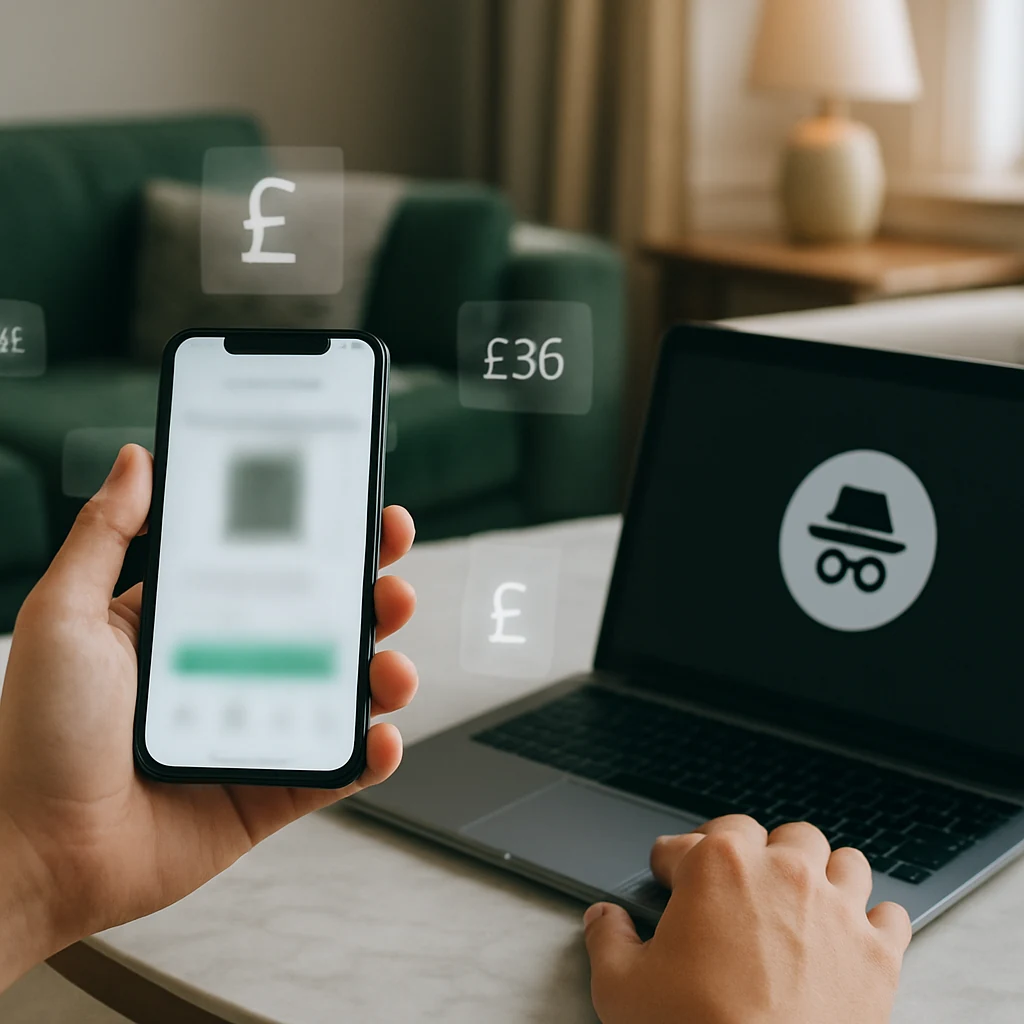
Avoid “personalised pricing” traps: smarter UK online shopping
Common online shopping mistakes that cost UK buyers money — and practical fixes using cookies, accounts, price alerts and basket tactics.
Online shopping is meant to be quick. The problem is: “quick” is where retailers’ little nudges work best. The good news is you don’t need extreme couponing or hours of research — just a few habits that stop you paying more than you have to.
This guide is built around the most common (and expensive) mistakes UK online shoppers make, plus simple fixes you can actually stick to.
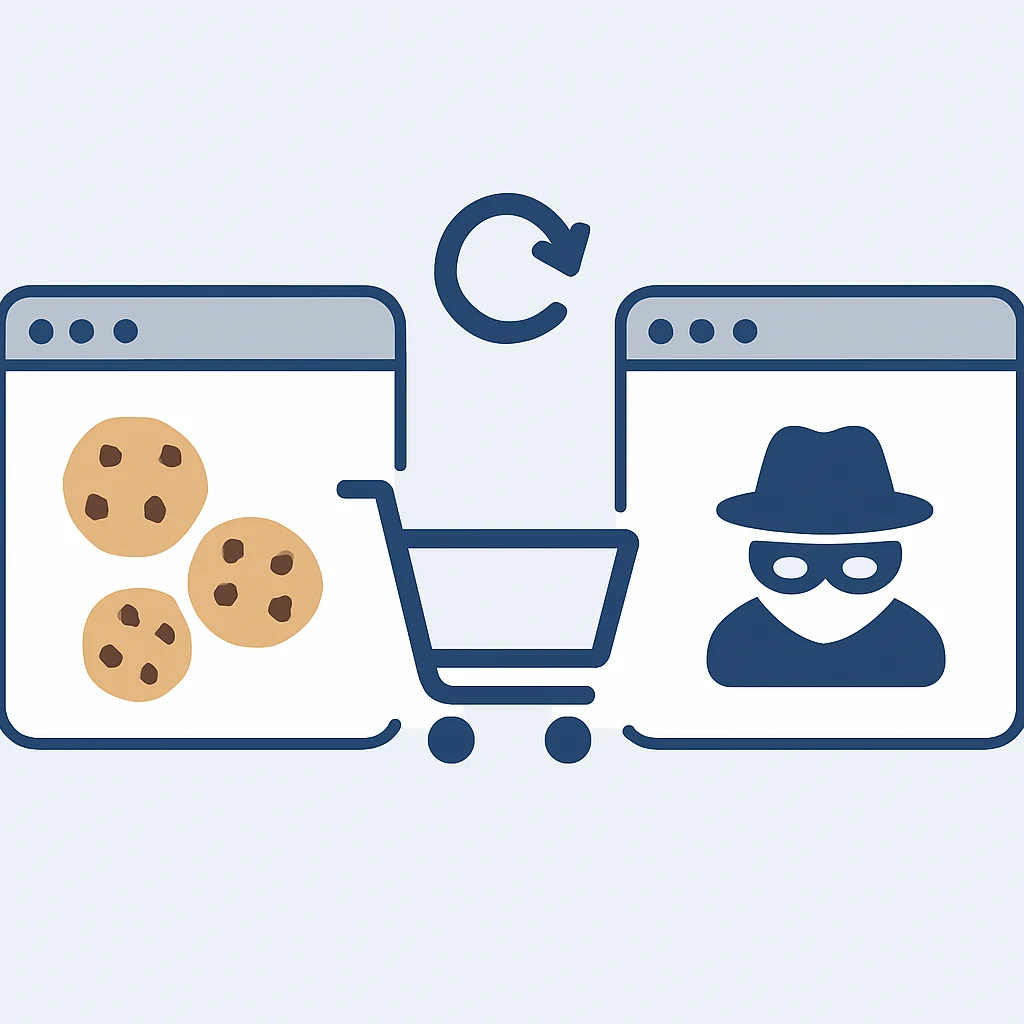
Mistake 1: Shopping while you’re being “steered” (cookies, apps and logged-in pricing)
Retail sites learn fast. If you browse the same trainers three times, you can end up seeing:
- more “Only 2 left” messages
- more expensive recommended alternatives
- fewer prominent discounts
- pushy add-ons at checkout
Even when the price doesn’t literally change, the journey can — and that affects what you buy.
Do this instead: treat browsing and buying as two separate sessions.
Browse normally (it’s fine), but when you’re ready to purchase, do a quick reset:
- Open a private/incognito window, or use a different browser.
- Compare the price when logged out vs logged in.
- If the retailer has an app, check whether the app price differs from the mobile site (and note that app-only deals can come with app-only tracking and push notifications).
You’re not trying to “trick” anyone. You’re simply making sure you’re seeing the cleanest version of the offer before you pay.
A UK-specific note on VAT and “from” prices
Most UK consumer pricing is shown VAT-inclusive. That’s helpful — but it can hide how much of the final cost is actually delivery, subscription fees or add-ons. When you’re comparing retailers, make sure you’re comparing the delivered total, not just the headline price.

Mistake 2: Believing the first discount you see is the best you’ll get
A banner saying “10% off today” is designed to end the search. Sometimes it’s genuinely the best available, but often:
- it only applies to full-price lines (not already reduced items)
- it excludes certain categories (common with tech, consoles, premium brands)
- it requires an account, an app install, or marketing opt-ins
Do this instead: spend 90 seconds checking the shape of the deal.
Look for the terms near the code field or in the help/FAQ area: exclusions, minimum spend, and whether it works on sale items. If it’s a retailer you might buy from again, it can be worth creating an account — but don’t let “sign up and save” force you into an impulse purchase.
If you’re not sure the code is good value, add the item to basket and take a screenshot of the total. That way you can compare quickly if you find another code or a better retailer.
Mistake 3: Letting urgency tactics rush you into the wrong size, colour or seller
“Almost gone” messages aren’t always fake, but they’re frequently used on:
- unpopular colourways
- marketplace listings (third-party sellers) with limited stock
- end-of-line sizes
Do this instead: slow down and check the basics that change the real value.
Before you buy, confirm:
- you’re on the right size/variant (prices can differ between sizes)
- who the seller actually is (especially on marketplace-style sites)
- the returns policy for that seller and that product type
In the UK, returns can differ massively depending on whether you’re buying from the retailer directly, a third-party marketplace seller, or a business vs private seller. A “deal” that’s a nightmare to return isn’t a deal.
Mistake 4: Treating delivery options like a footnote
Delivery is where a lot of “cheap” baskets quietly become average. Common culprits:
- defaulting to next-day when standard would do
- missing a free-delivery threshold by a few pounds
- paying for delivery when click and collect is genuinely convenient
Do this instead: decide your delivery requirement first, then shop.
If you need it for a specific date (birthday, holiday, trip), set that as your constraint and compare retailers on that basis. If you don’t need it urgently, avoid upgrading delivery “just because it’s only £3.99 more”. Those small upgrades add up across a year.
Also watch for memberships that promise “free delivery” but only pay off if you order regularly. If a retailer is nudging you towards a delivery subscription, do the maths based on your real shopping habits — not your optimistic future self.
Mistake 5: Ignoring the “quiet discounts” that don’t look like sales
Not every saving comes wrapped in a big seasonal event like Black Friday or Boxing Day. Some of the most reliable UK savings are quieter:
- multi-buy offers on everyday items
- bundles that reduce the per-item price (often on grooming, cleaning, baby)
- “subscribe and save” style discounts (great for essentials, risky for impulse)
- first-order offers that only apply if you’re genuinely a new customer
Do this instead: use quiet discounts only on things you already buy.
Bundles and subscribe-style discounts are best when you’ve already proved you’ll use the product, and you’ve checked the cancellation/edit rules. If you’re trying a new item, buy one first. Paying a little more once is better than over-ordering three months’ worth of something you end up hating.
Mistake 6: Not checking price history (and falling for inflated “was” prices)
A classic trick is the dramatic “was £X, now £Y” label that looks huge but isn’t meaningful if the product bounces between prices all year.
Do this instead: build a tiny “proof step” into big purchases.
For anything you’d be annoyed to overpay for (think: headphones, appliances, office chair), take a moment to:
- check at least one reputable comparison tool
- look at other mainstream retailers selling the exact same model
- set a price alert if you’re not in a rush
You don’t need to chase the absolute lowest price — just avoid buying at a peak because the discount label pressured you.

Mistake 7: Buying the same item twice because you didn’t track your own basket
This sounds silly until it happens: you buy a cable, filter, ink or skincare item, then buy it again two weeks later because you couldn’t remember what you ordered.
Do this instead: keep a “buy again” note and a one-line wishlist.
A simple note on your phone (or a wishlist on the retailer) helps you:
- avoid duplicate purchases
- time re-buys for when offers appear
- compare sizes/pack quantities properly
It’s not glamorous, but it’s one of the fastest ways to reduce wasteful spending.
Quick tips you can use today
- If you’ve visited a product page a few times, do the final checkout from a private window and compare totals.
- Always check who the seller is on marketplace listings and read the returns section before you pay.
- For anything over your “annoyed if I overpay” amount, set a price alert rather than forcing a purchase.
- Decide your delivery speed first, then shop — not the other way around.
If you want more UK-focused saving tactics, start from the home page and browse the latest guides: /

FAQs
Does incognito mode guarantee a better price?
No. Incognito mainly limits what your browser stores (like cookies) during that session. It can help you see a less “personalised” experience, but prices also depend on stock, retailer strategy, and promotions tied to accounts or email links.
Is it normal for prices to differ between the app and the website?
It happens. Some retailers run app-only promos to drive installs and repeat visits. If you’re comparing, check both — but read the terms (some app discounts require app checkout).
Should I always create an account to get a deal?
Only if it makes sense for you. An account can be useful for tracking orders, easier returns, and loyalty perks. But don’t let a sign-up discount push you into buying something you weren’t going to buy anyway.
How can I tell if I’m buying from a third-party seller?
Look for wording like “sold by” and “fulfilled by” near the buy button and in the delivery/returns section. If it’s not the main retailer, double-check returns, warranty handling and customer service routes.
Are seasonal sales always the best time to buy?
Not always. Big events can be good for genuine markdowns, but plenty of solid savings happen outside the headline seasons. For non-urgent buys, price alerts and patient shopping often beat the hype.
You may also be interested

The UK Wishlist Method: Plan Your Next Online Deal (No Panic Buying)
A practical UK step-by-step guide to saving online by setting target prices, tracking drops, and buying at the right moment—without falling for “was/now” hype.
Marketplace vs Retailer: How UK Shoppers Pick the Real Deal
A practical UK guide to choosing between marketplaces and direct retailers—price, delivery, returns, warranty and hidden costs—so the ‘deal’ stays a deal.
After You Buy: UK Tricks to Save with Price Drops & Returns
A practical UK guide to saving after checkout: price-drop checks, delivery refunds, returns timing and safe ways to re-order for less.