

Gibbab Solar Cable 10 ft
Product description
If your setup needs more reach between a solar panel and an XT60-compatible input, this Gibbab cable offers a longer lead than a short connector adapter. It combines a 10 ft length with 12 AWG, two-conductor copper wire and a red-and-black parallel design. The key buying question is whether both ends match your equipment: one end has male and female solar panel connectors, while the other is compatible with XT60 ports.
Key points
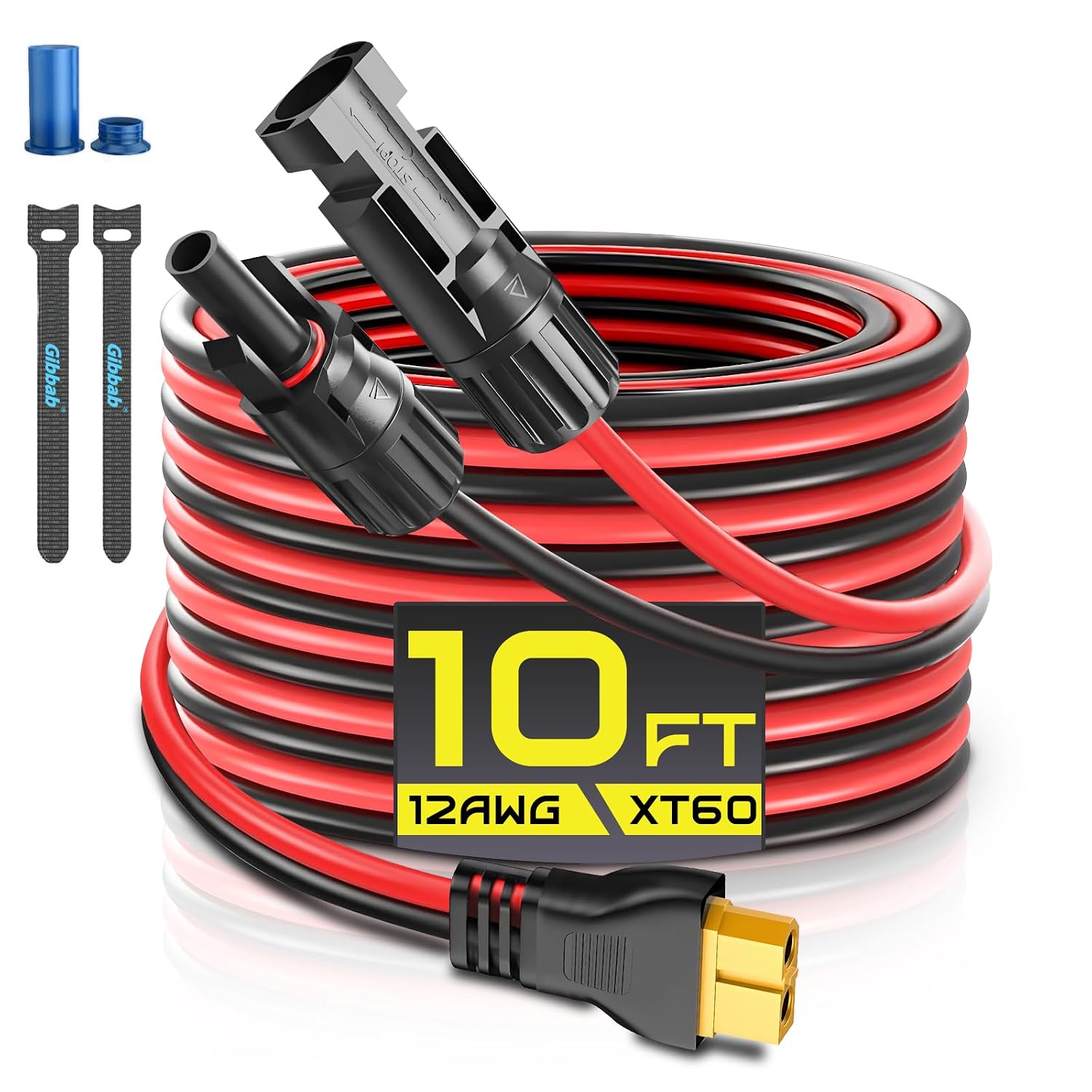
The cable is intended for solar charging connections in off-grid setups, including those involving a LiFePO4 battery, RV, portable power station or generator. Its 12 AWG wire is made from 100% copper, and the listing describes the cable as rated for 30A. That gives you useful details to compare with your equipment’s input requirements, but it does not establish that every panel or power station will work with it.
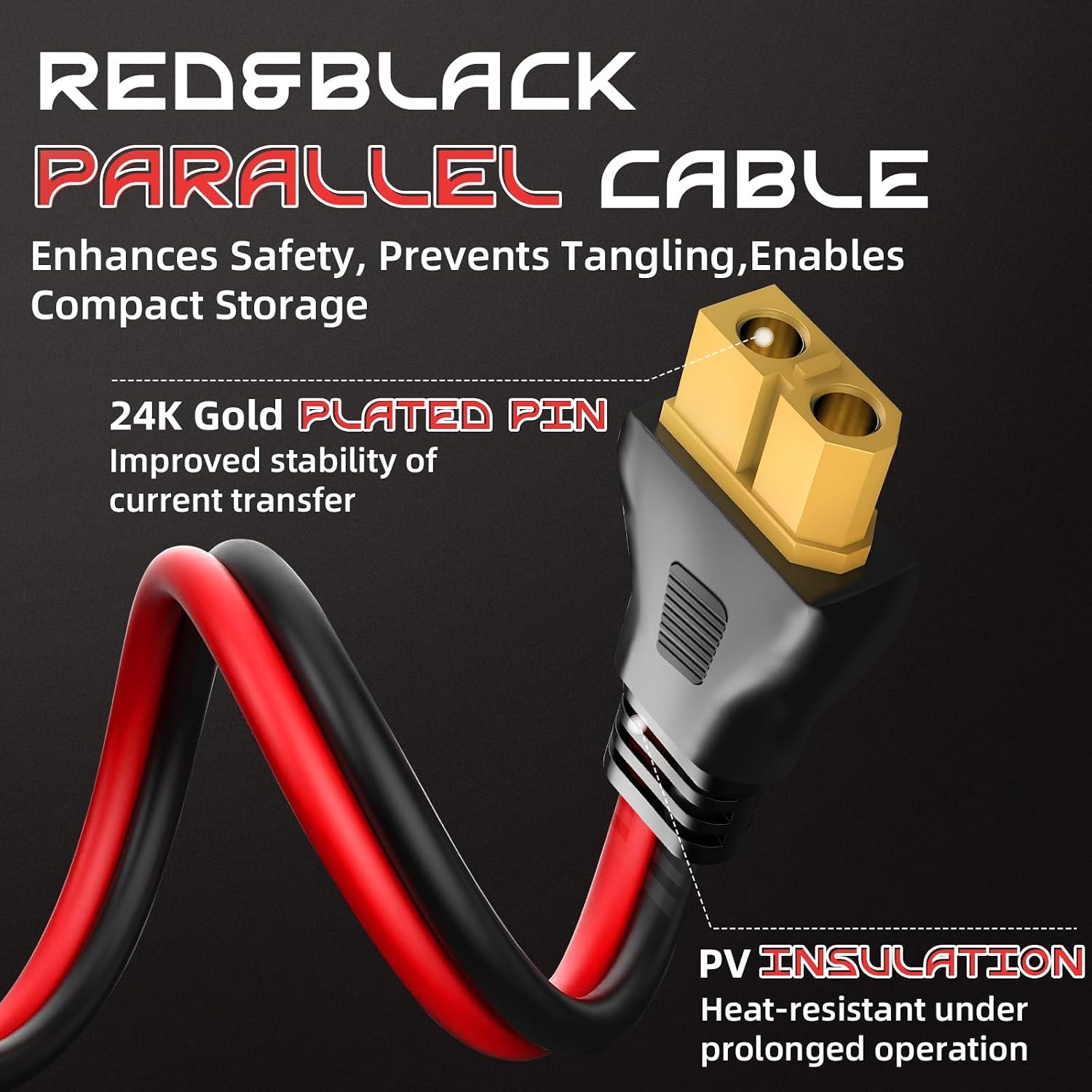
The red and black conductors run side by side rather than as separate loose leads, which can make routing and storage less fiddly. Red is positive and black is negative, so keep the polarity clear when connecting the cable. The listing also names connector caps and wire ties, check the product package details if those accessories matter to your setup.
How to use it
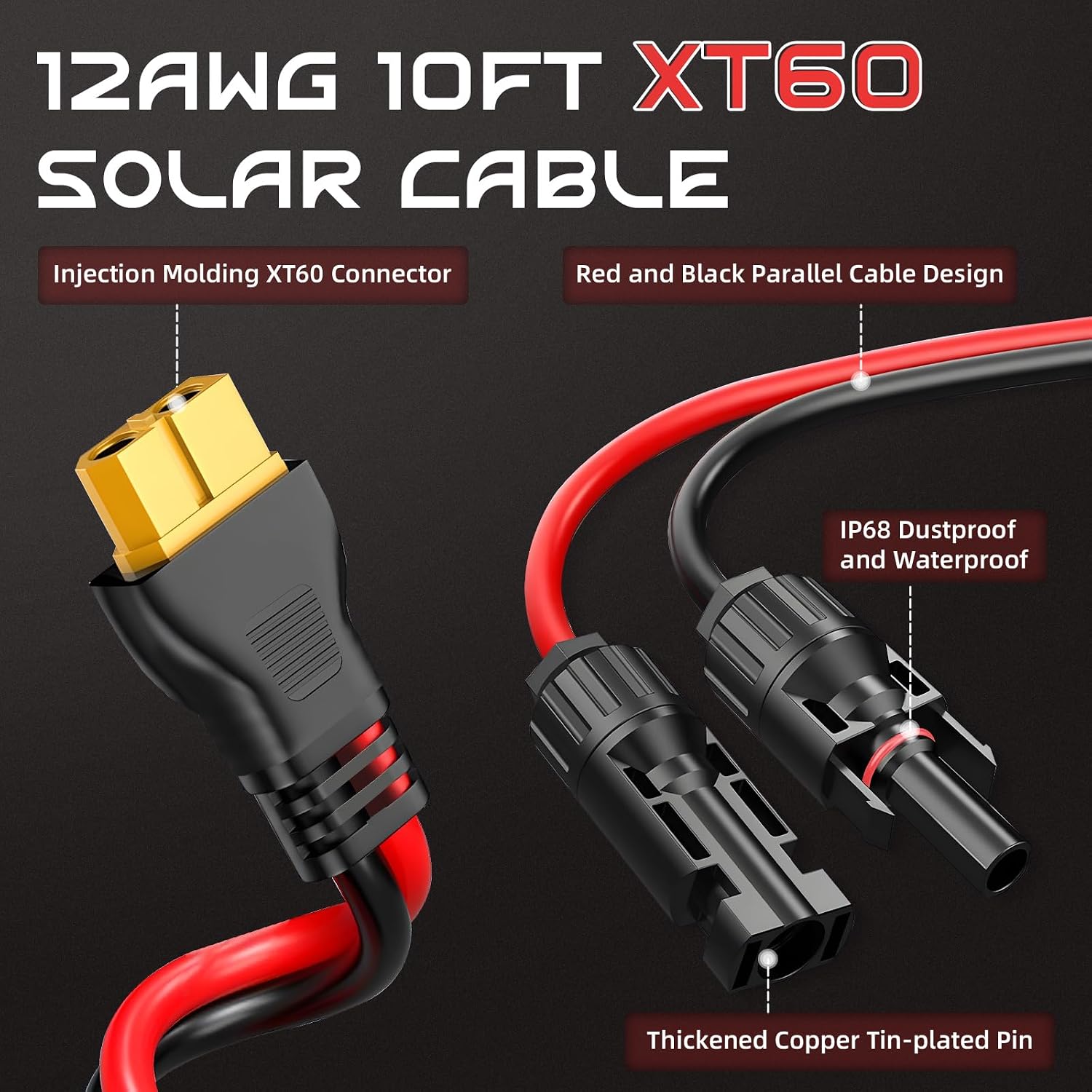
This is a connection cable, not a solar panel or charging controller. In a typical arrangement, the panel-side connectors join to the compatible solar leads, and the XT60-compatible end connects to an input designed for that interface. For instance, if a portable power station needs to sit in the shade while a panel is placed in a sunnier spot, the 10 ft lead provides some distance between them without relying on a very short adapter.
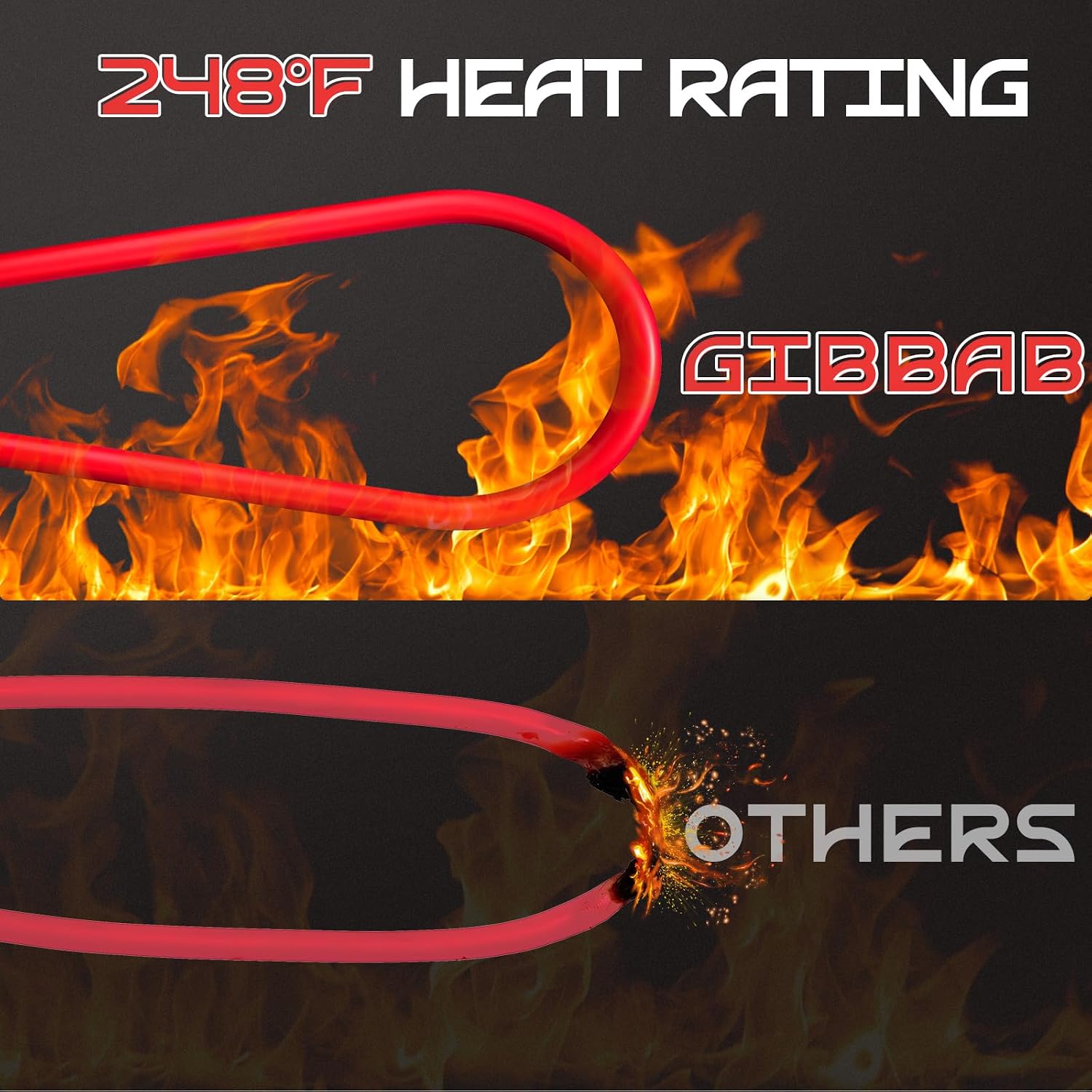
Keep in mind that the XT60-compatible connector and the panel-side connectors still need to match your specific equipment, connector appearance alone does not confirm electrical compatibility. Check the required input, polarity and current limits before connecting. The manufacturer states a cable temperature range of -40°F to 248°F and an outdoor ambient range of -40°F to 194°F, but these figures are not a substitute for checking the conditions and limits of the rest of your system.
Practical tips
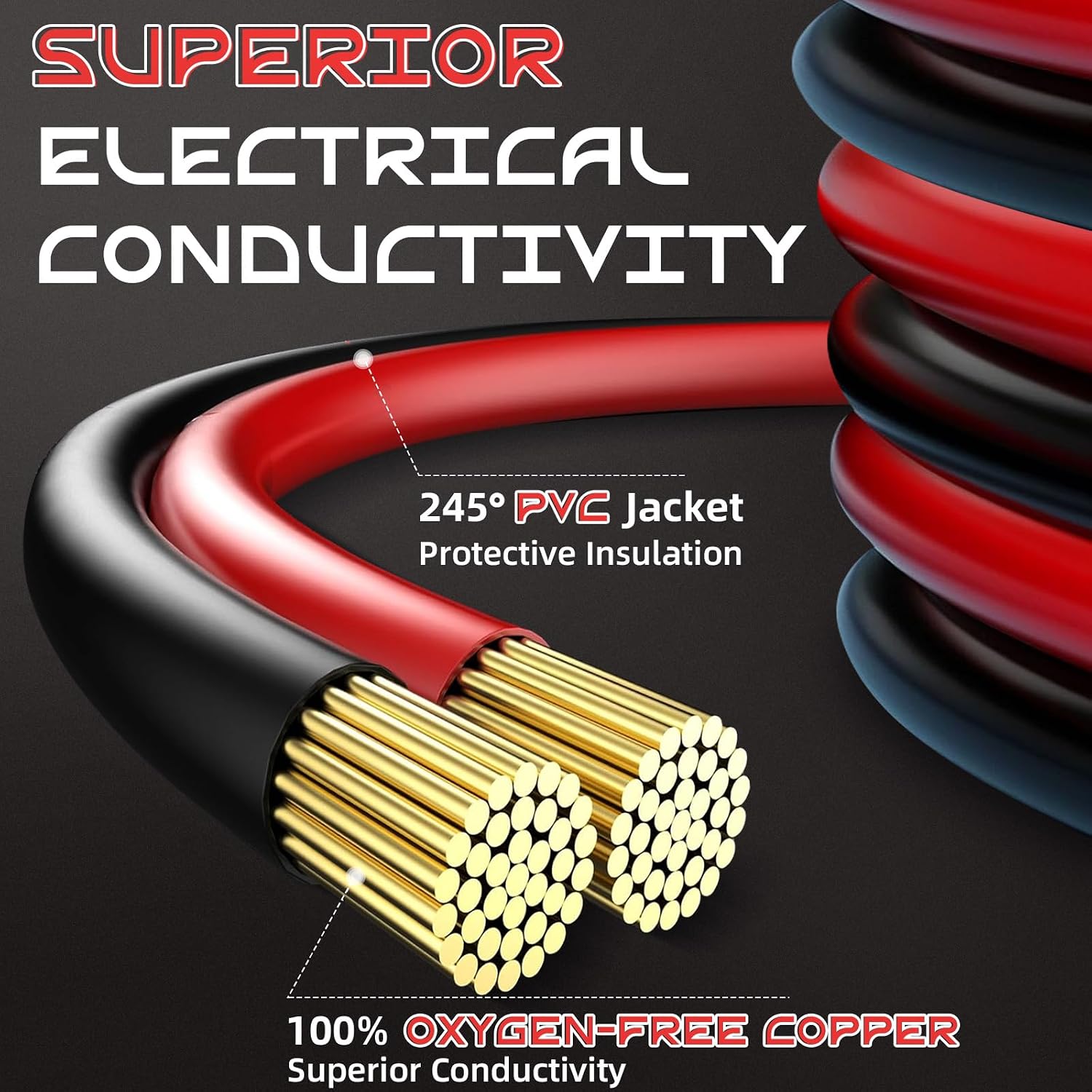
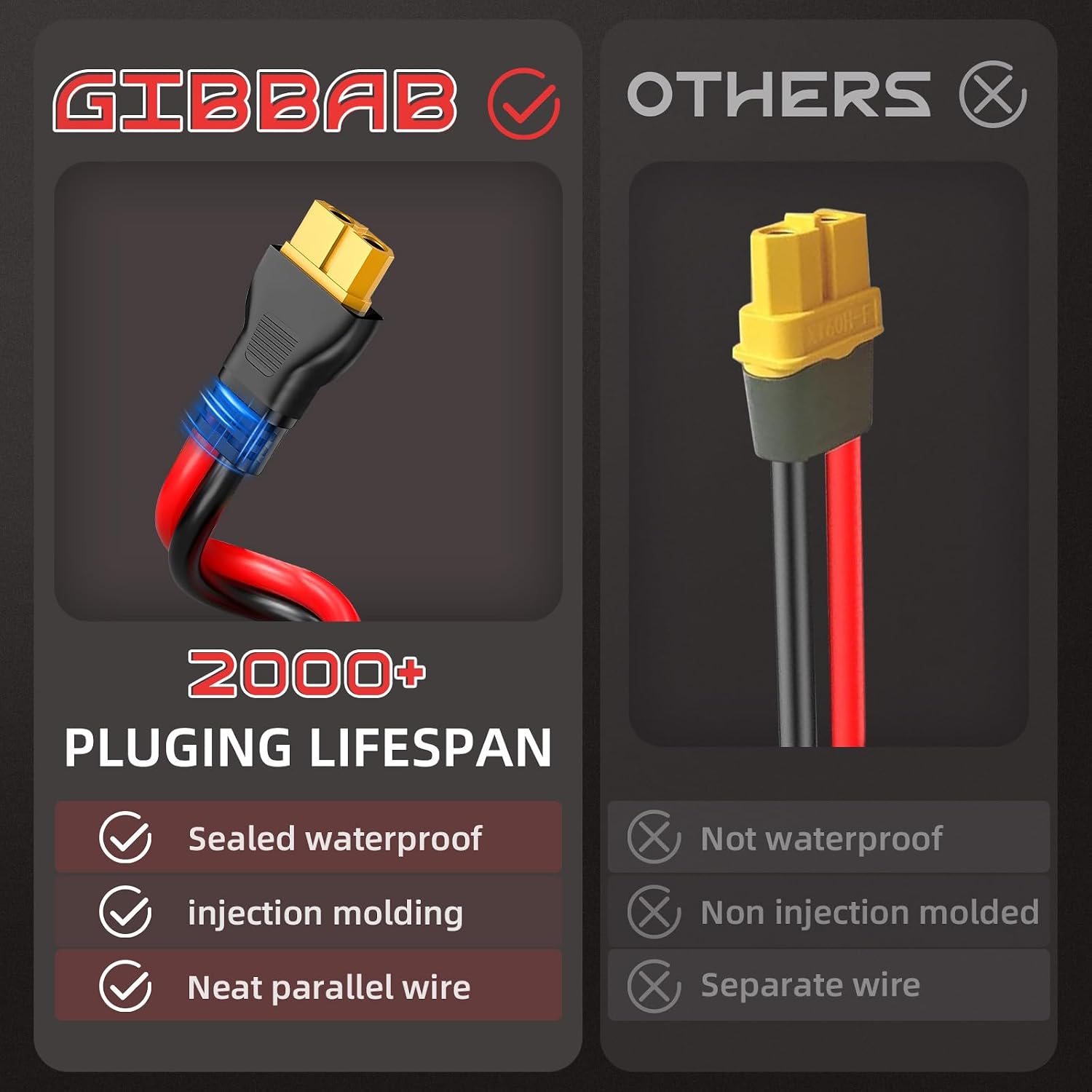
Lay out the cable before installation to see whether 10 ft reaches without pulling on the connectors or leaving excess wire in the way. Keep the red positive and black negative leads identifiable throughout the connection, and use the included cable ties if supplied and useful for keeping the run organised. The listing describes a reinforced, injection-moulded connector design and a PVC jacket, but gives no installation instructions for a particular panel or power station.
Choose this cable over a shorter adapter when you need extra placement flexibility and its connectors suit your equipment. A more basic, shorter lead may be tidier when the panel and power station sit close together, a more demanding setup may require a cable or connector arrangement selected to match its exact electrical specifications. It suits you if the 12 AWG cable, 10 ft length and connector layout fit your system. It won't suit you if you need a different plug type or cannot confirm the input requirements.
Buying questions
What connects at each end? The product description specifies male and female solar panel connectors at one end and a connector compatible with XT60 ports at the other.
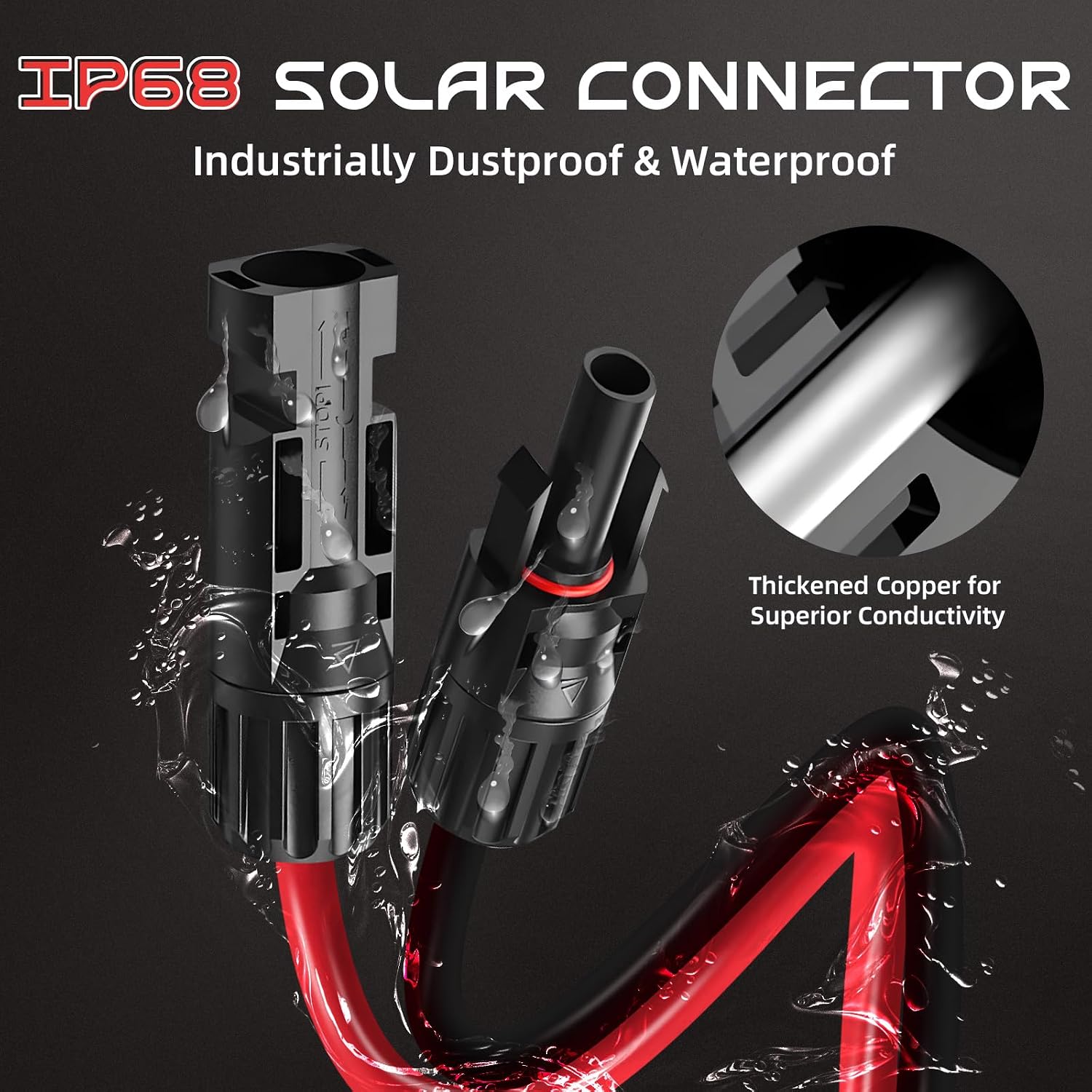
Which wire is positive? The listing identifies the red wire as positive and the black wire as negative. Confirm polarity on your equipment before use.
Is it suitable for outdoor use? It is described as a solar cable with a PVC jacket and stated temperature ranges. Check that those conditions match your intended installation and the limits of the connected equipment.
For your setup
This cable is worth considering when you need a 10 ft connection between compatible solar panel leads and an XT60 input, and want the conductors kept together for easier routing. If your system uses different connectors, needs another length, or has input requirements you have not verified, this listing does not provide enough information to assume a fit. Match the connector type, polarity and electrical limits first, those details matter more than the cable’s off-grid use labels.