

Walker Products 250-24242 4-Wire Oxygen Sensor (Direct-Fit)
Product description
What this oxygen sensor is for
If your vehicle’s emissions system is acting up, an oxygen (O2) sensor replacement is one of the first parts many DIYers and shop techs look at. The Walker Products 250-24242 is a 4-wire oxygen sensor designed to determine the oxygen content of exhaust gas. In practical terms, that helps the vehicle manage fuel and combustion more accurately—something that can translate to better fuel economy and lower emissions.
Key takeaways before you buy
This sensor is described as a direct-fit, OE-style replacement with connectors built for a straightforward swap. The listing also emphasizes a “100% OE base” approach and an OEM shield concept, plus rolled threads and a crimped weather shield. Over the paper, that all points toward durability and consistent fit compared with generic “universal” approaches that often require more patience.
That said, this type of part only makes sense if it matches what your vehicle needs. Oxygen sensors are sensitive to exact connector styles and engine/application requirements, and the wrong fit can waste time fast.
The essentials: what you’ll notice
On paper, the oxygen sensor’s job is pretty simple: measure oxygen in exhaust gas so the vehicle can adjust its fuel delivery. When the system has correct readings, it typically has an easier time maintaining normal operation.
If you’re troubleshooting a check-engine light related to emissions or fuel trims, this kind of sensor replacement is a common pathway. It’s not a magic fix for every driving issue, but it’s a strong candidate when the problem is tied to inaccurate oxygen sensing.
Tech specs (the details that matter)
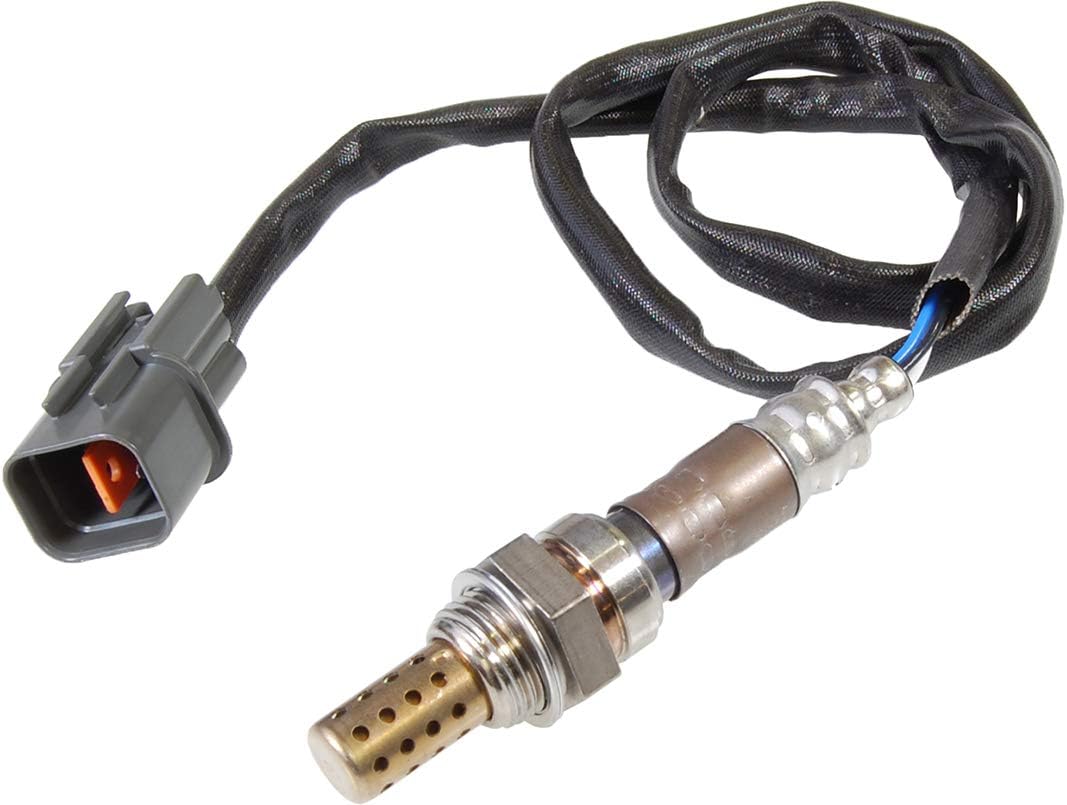
- Name: Walker Products 250-24242 4-Wire Oxygen Sensor
- Type: Oxygen Sensor
- Format: 4-wire
Where it shines—and where it may not
This sensor is positioned as an industry-proven, professional-grade style part, described as approved by professional technicians nationwide. If you’re trying to restore factory-style performance using an OE-based design and direct-fit intent, it’s the kind of replacement that tends to feel “right” for the job.
It may not be the best move if: - you’re not sure the code/problem is actually oxygen-sensor related, - your vehicle’s application requires very specific connector or fitment details you haven’t verified, - you expect a universal “works on everything” type solution. Direct-fit parts usually need the right match.
Practical installation mindset (so you don’t get surprised)
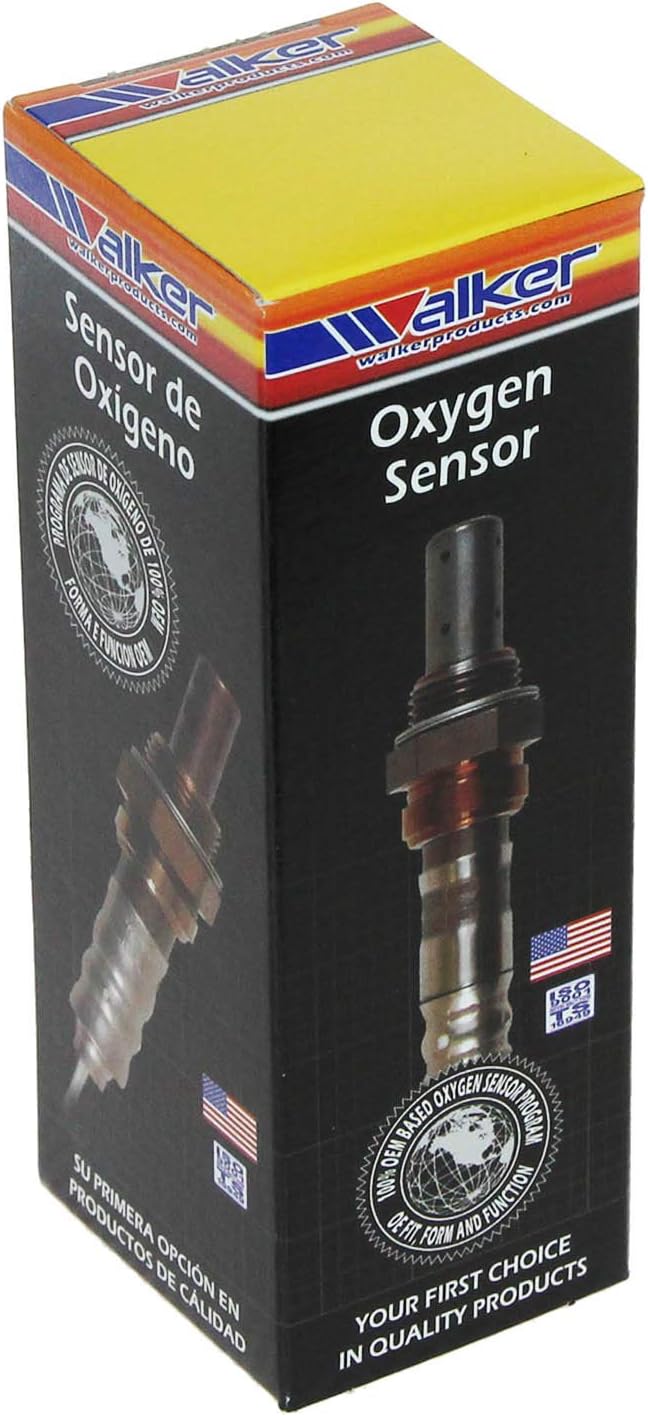
For a typical replacement, the goal is to remove the old sensor and install this one with the correct style connectors and sealing approach. Because the listing calls out weather shielding and rolled/crimped construction, it’s worth treating this as a part that should be installed cleanly and securely—especially where the exhaust area sees heat and moisture.
A small “real life” moment: after swapping an O2 sensor, many drivers watch whether the check-engine light clears after the next drive cycle and whether fuel economy feels more stable. If nothing changes, that doesn’t automatically mean the sensor is faulty—it can also mean the root cause is elsewhere.
Mini FAQ
How does an oxygen sensor affect fuel economy?
It measures oxygen in the exhaust gas so the vehicle can adjust fuel delivery. More accurate readings can support better fuel efficiency and reduce emissions.
Is this a direct-fit replacement?
The description states a direct-fit style approach with connectors designed for the application.
Does it lower emissions?
The listing specifically states it helps lower emissions by improving how the vehicle determines oxygen content in exhaust gas.
When should I consider replacing it?
If your issue is tied to oxygen sensing or emissions-related performance, a replacement like this is often considered. If the cause is unrelated, it may not solve the problem.
When it makes sense
Buy the Walker Products 250-24242 4-Wire Oxygen Sensor if you want an OE-base, direct-fit style replacement intended to measure oxygen content in exhaust gas—especially when your concern is emissions-related or the vehicle’s fuel/combustion management seems off. It’s also a reasonable pick if you prefer a more application-specific setup instead of a universal workaround.
You may want to skip it if you haven’t confirmed the correct application/fit for your vehicle or if you’re troubleshooting a symptom that’s clearly caused by something else. The part is built for oxygen measurement, not for every check-engine light scenario.
If you’re ready to replace an O2 sensor and want a straightforward, OE-style direction, this one fits that mindset—just make sure the 4-wire, direct-fit match is correct for your exact vehicle.