

Science Kits for Kids 448+ Projects STEM Kit 🔬
Product description
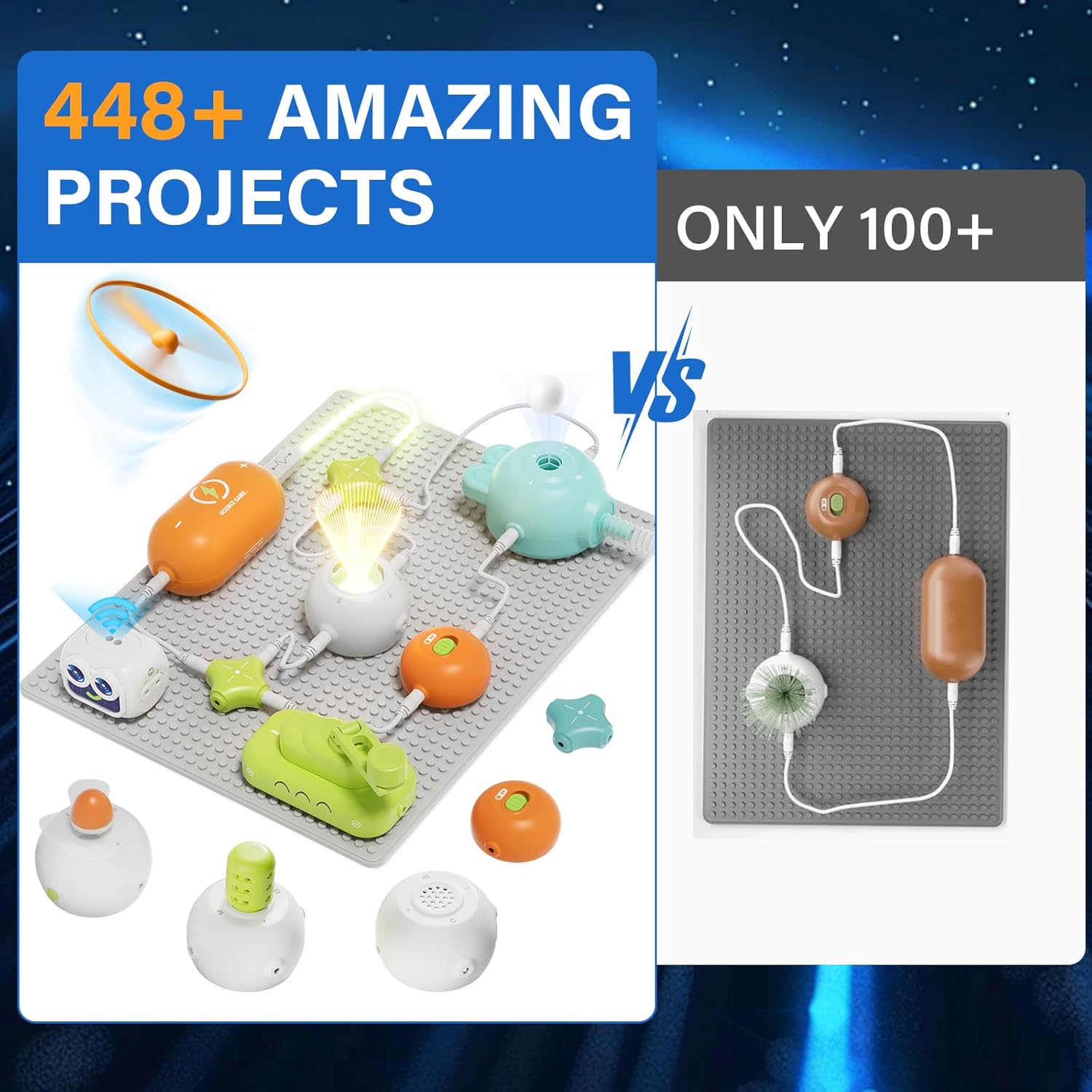
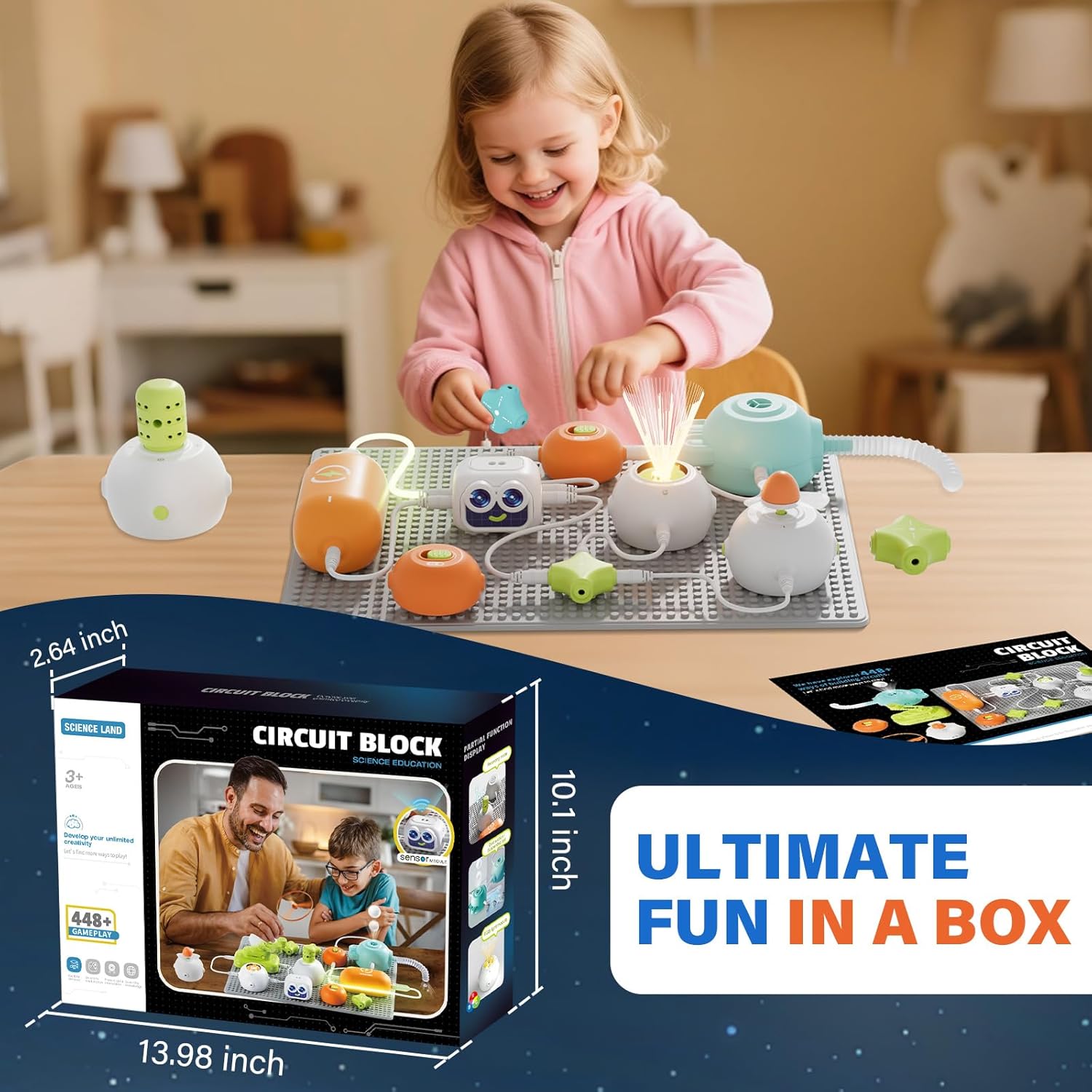
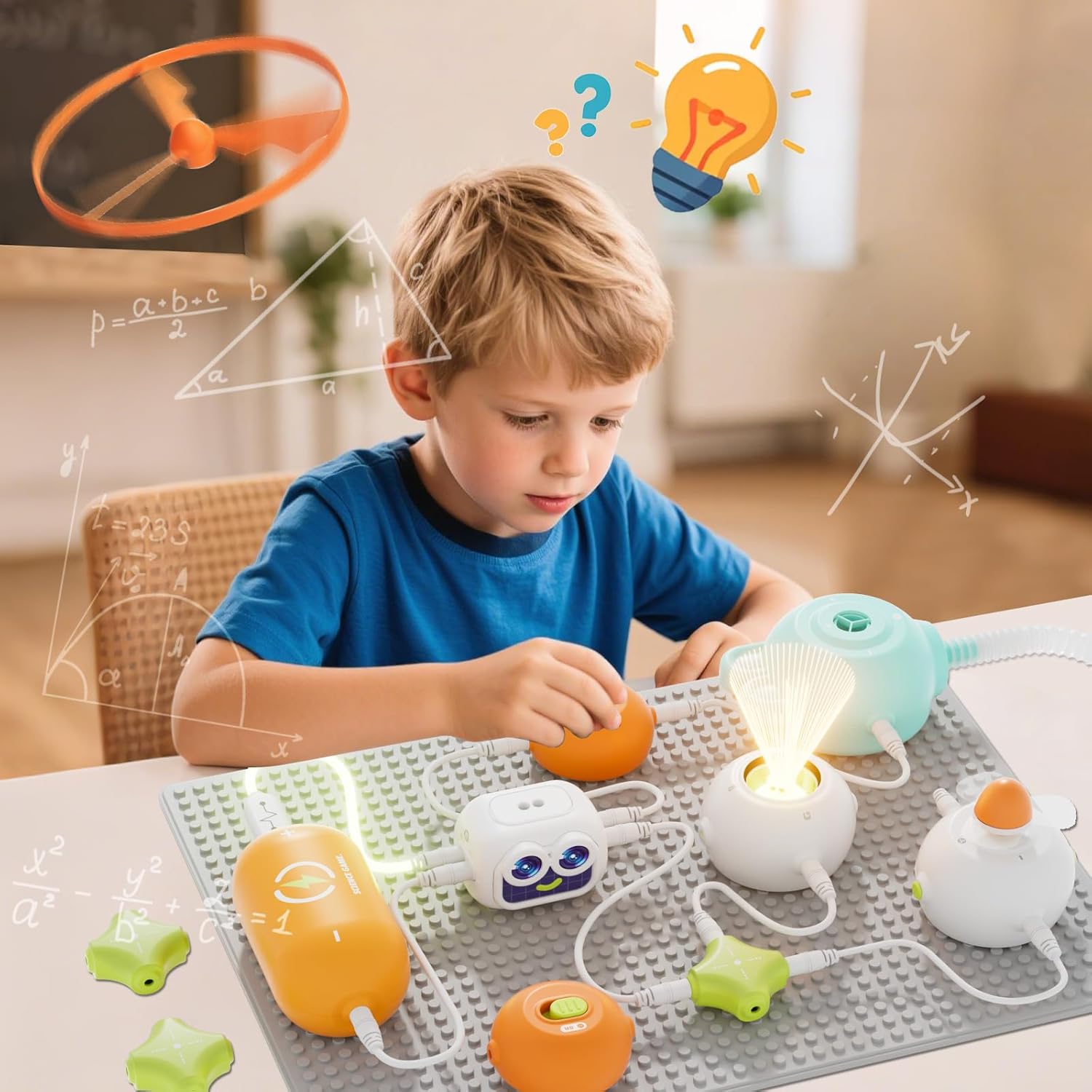
This hands-on electronics kit brings basic circuitry and engineering concepts to young learners with more than 448 projects to explore, making it suitable for classroom activities, STEM playtime, or gift-giving occasions. It encourages experimentation with lights, sounds, motors and simple sensors so kids can build small machines while developing problem solving and fine motor skills.
Key Points
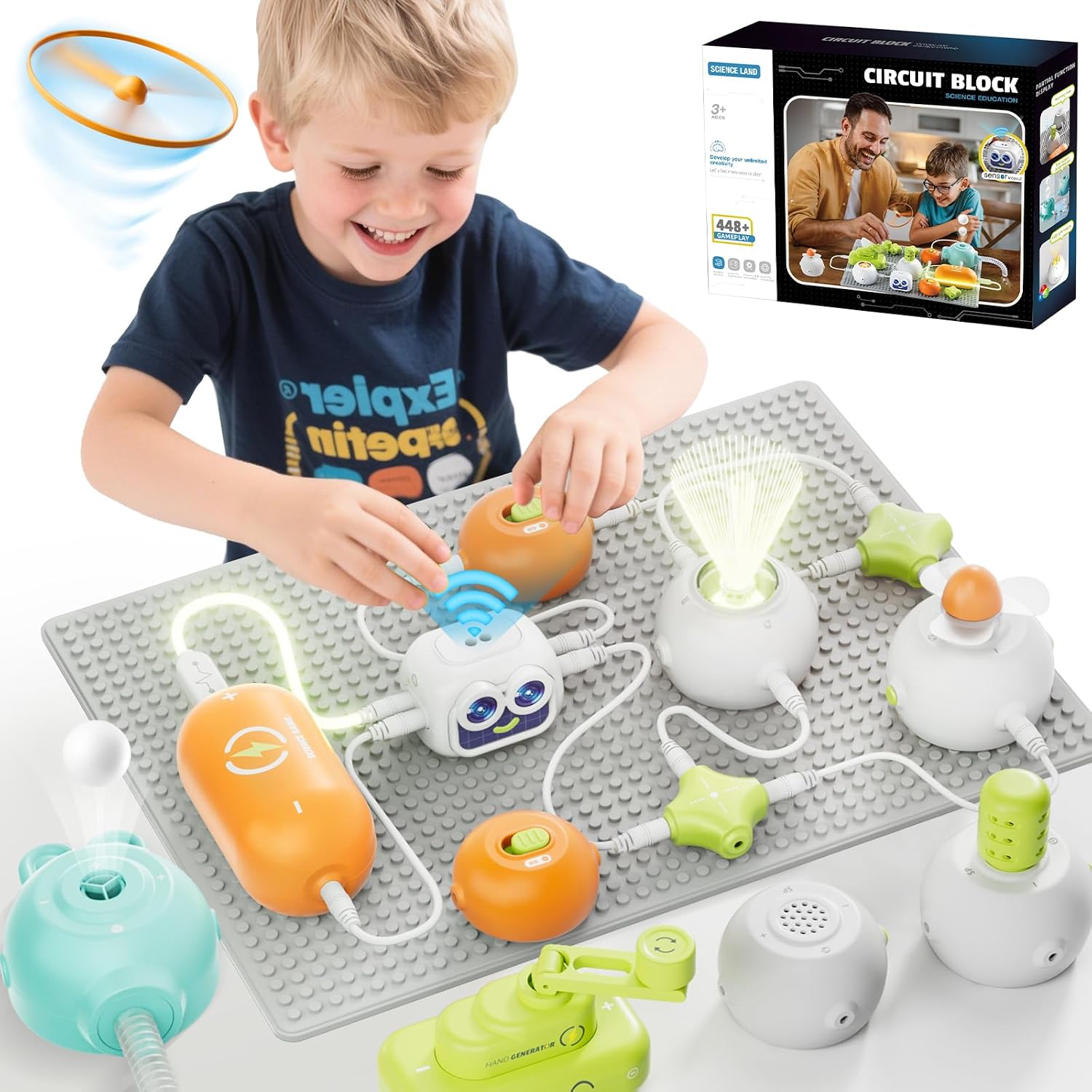
The kit includes a wide range of components and clear project instructions that guide children through building circuits step by step. According to the manufacturer, the variety of experiments helps introduce concepts like series and parallel connections, switches, transistors and basic logic in a playful way. It is designed for children aged 5 to 12, although some projects may require adult supervision for younger participants.
Technical Specifications
- Name: Anyeve Science Kits for Kids
- Projects: 448+ experiments according to the product listing
- Recommended age range: 5 to 12 years
- Components: assorted electronic parts, wires, snap connectors, motors, LEDs, switches and sensors
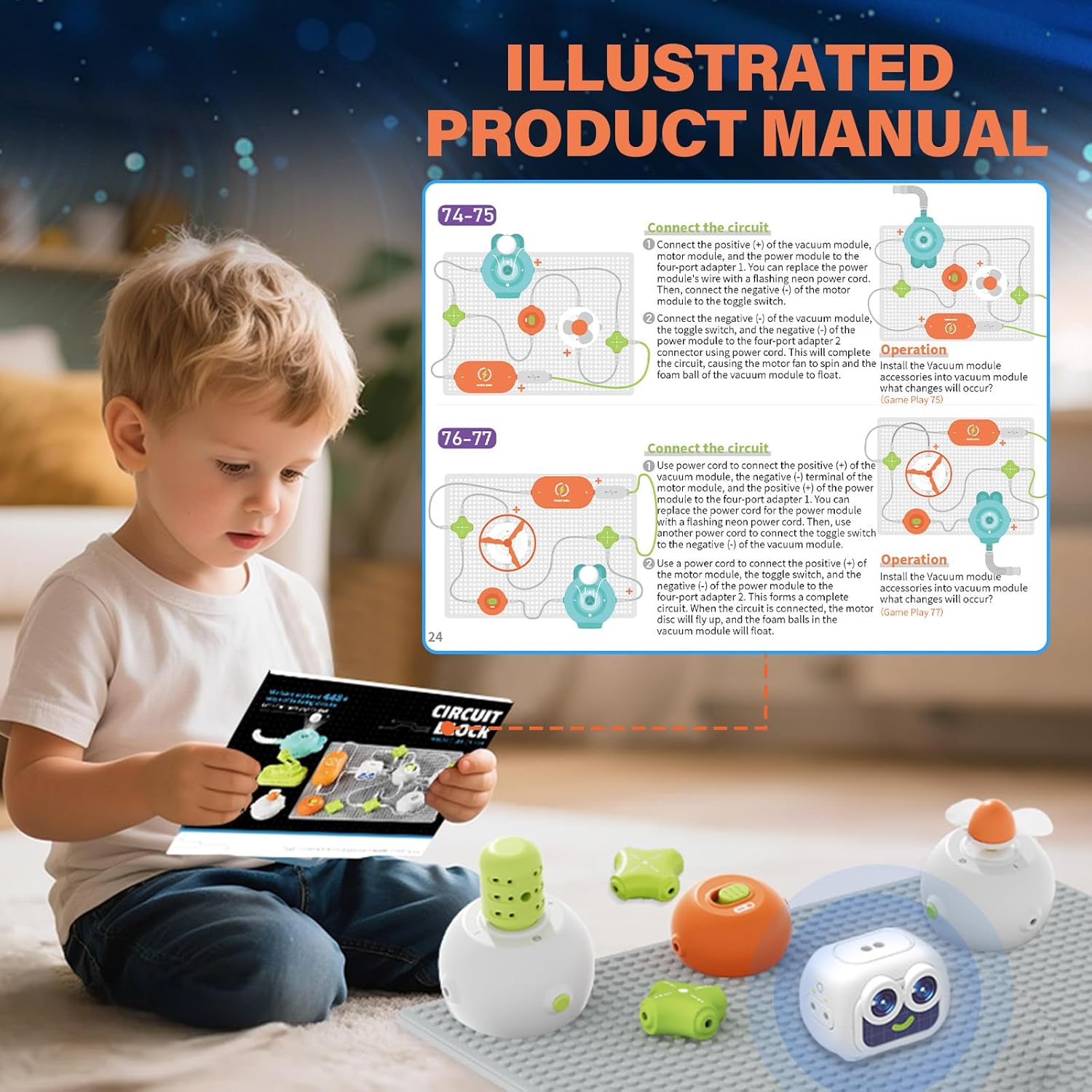
- Instruction format: illustrated guides and experiment steps included
Why This May Interest You
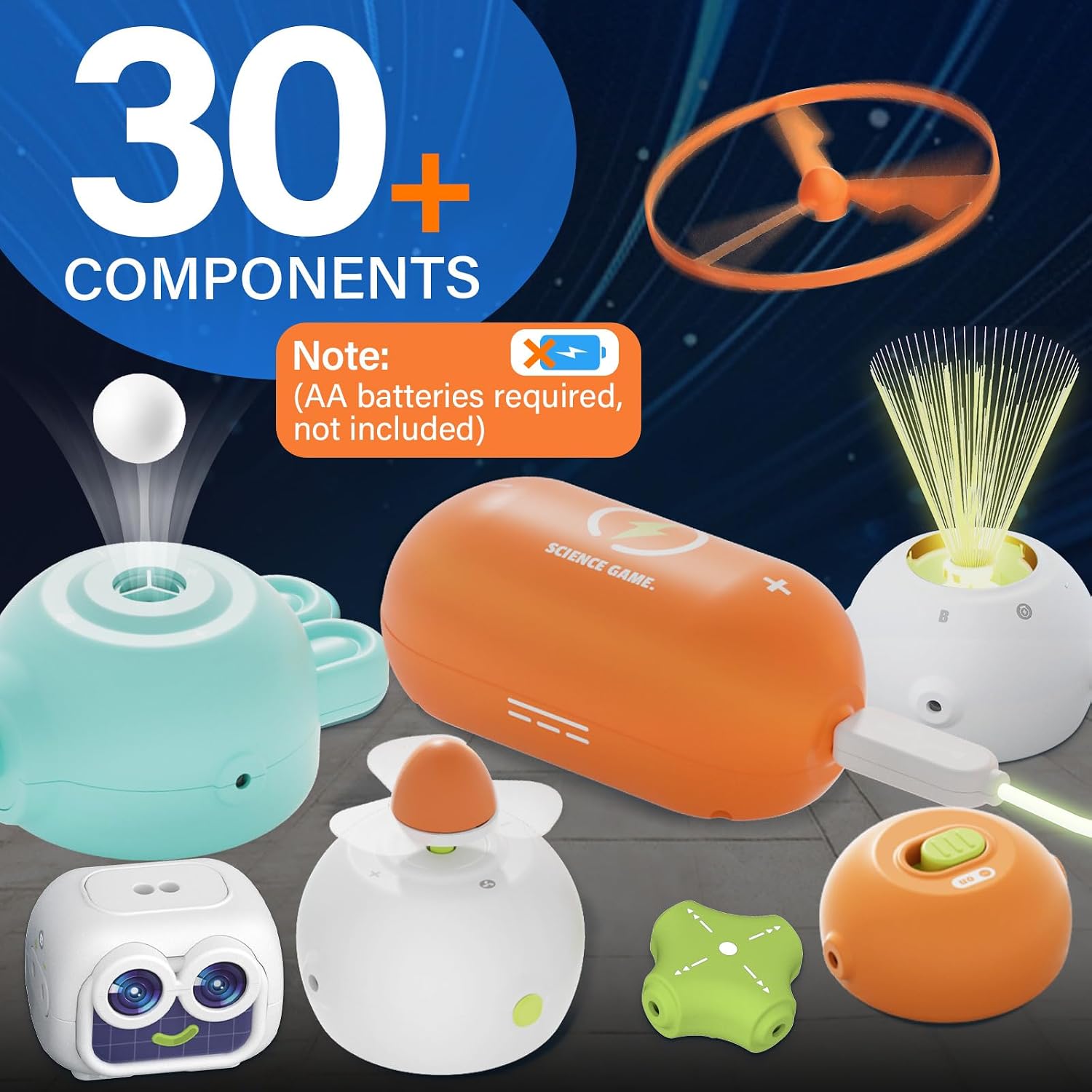

This set stands out for sheer project count and component diversity, which can sustain curiosity over many sessions rather than a single project. Parents and educators will find the progressive nature of the experiments useful because children can move from very simple circuits to more complex assemblies over time. It also supports hands-on learning and can complement basic science curricula or informal STEM exploration.
Usage Recommendations
Start with the simplest experiments to build confidence, focusing on circuits that light LEDs or power a small motor before attempting transistor or logic-based assemblies. Keep small parts organized and use a clear workspace to prevent component loss. For younger children, work together on the first projects and let them handle assembly while an adult manages any tasks that require fine tools or cautions. Consider grouping projects into short sessions to maintain engagement and reinforce learning through repetition.
Note: Some experiments may involve small parts and electrical connections, so adult supervision is advisable for younger ages.