

Raycon Bone Conduction Headphones Bluetooth – Open Ear Running Headphones (Purple)
Product description
What to know
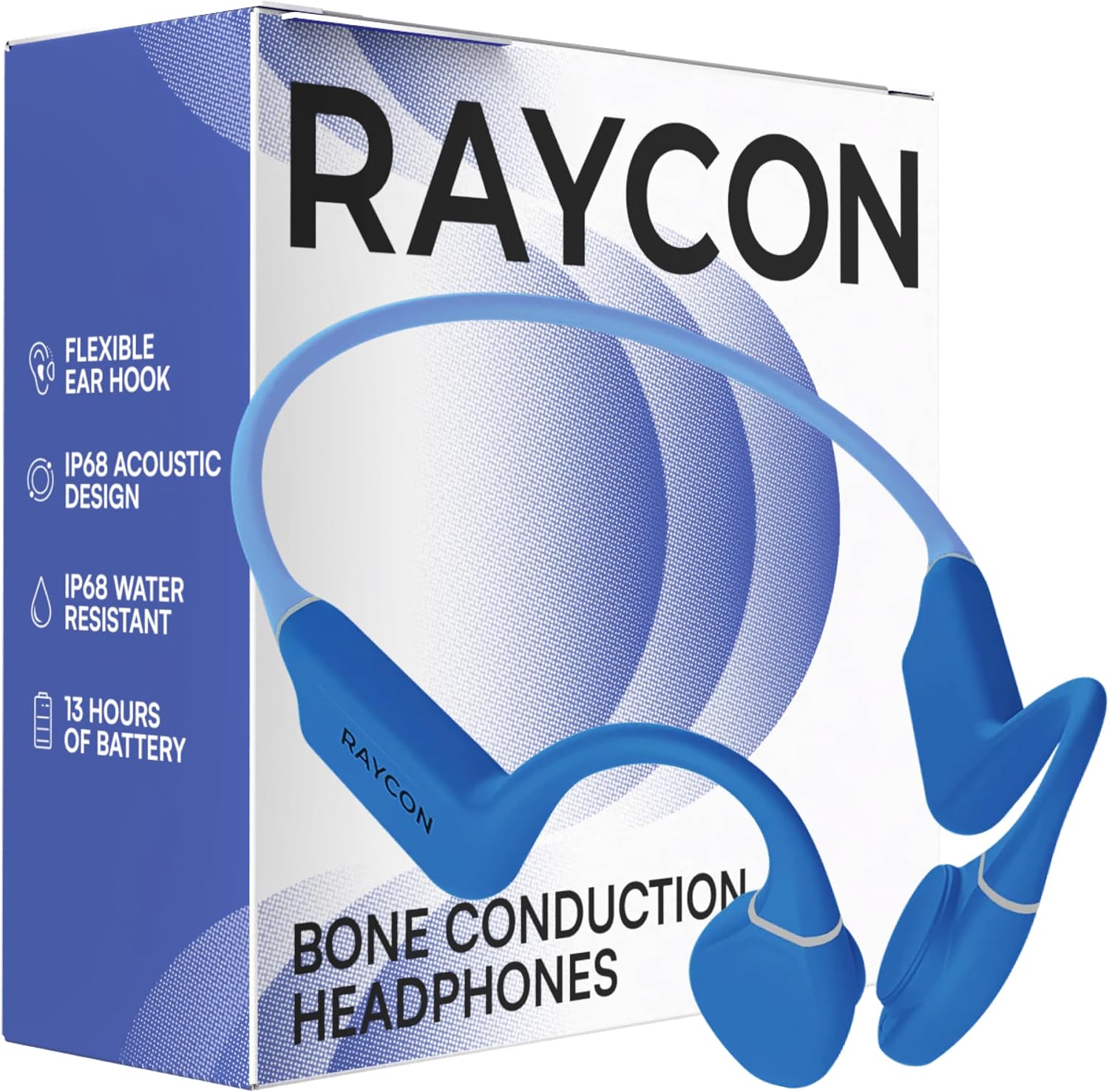
Raycon’s Bone Conduction Headphones use a vibration-based, open-ear design to deliver balanced audio without sealing the ears. The idea is to reduce ear fatigue and keep you aware of your surroundings while you listen. They’re marketed for sports and daily use, with a focus on comfort during long wear and stability during workouts. They’re IP68 rated, meaning they’re built to handle rain, sweat, and spills—useful if you’re running outdoors or sweating through a tough session.
The essentials
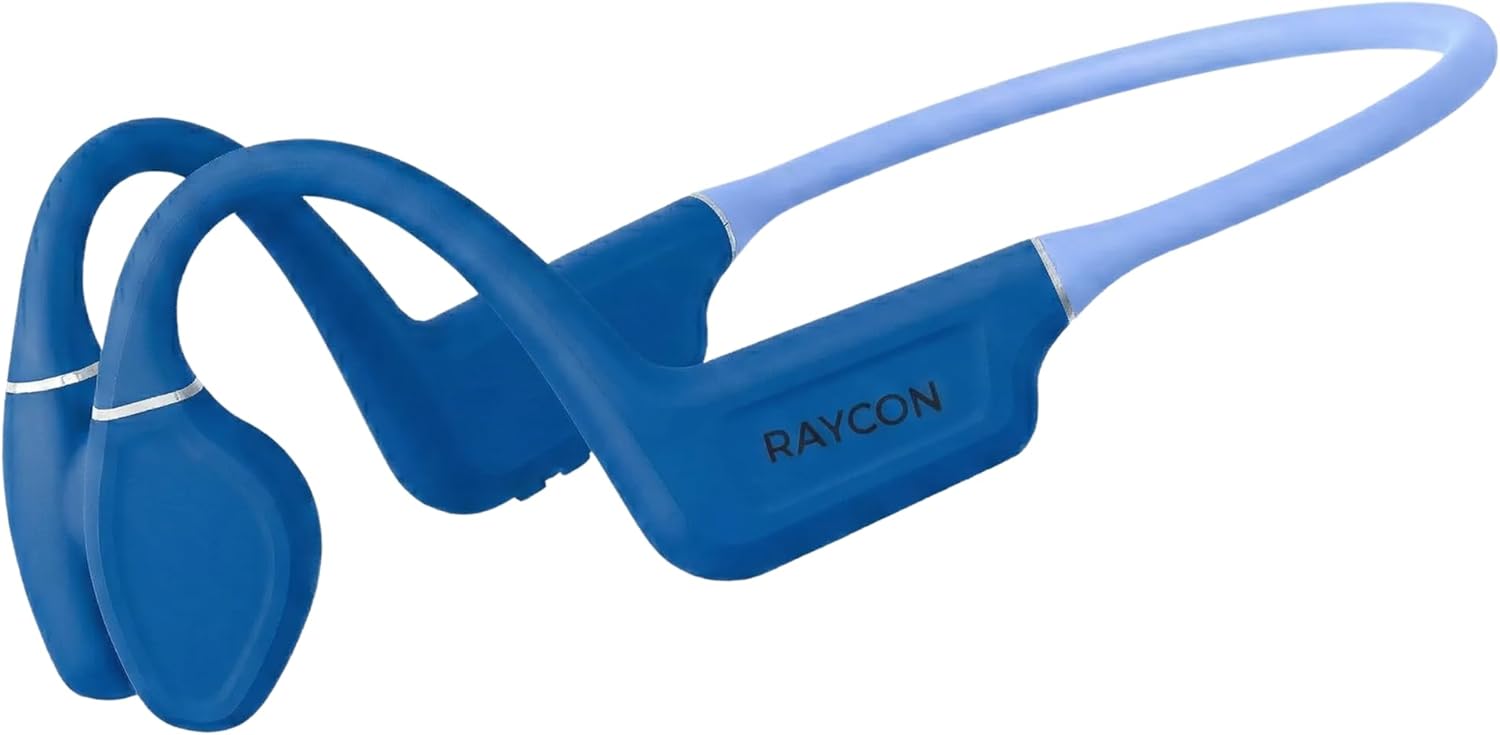
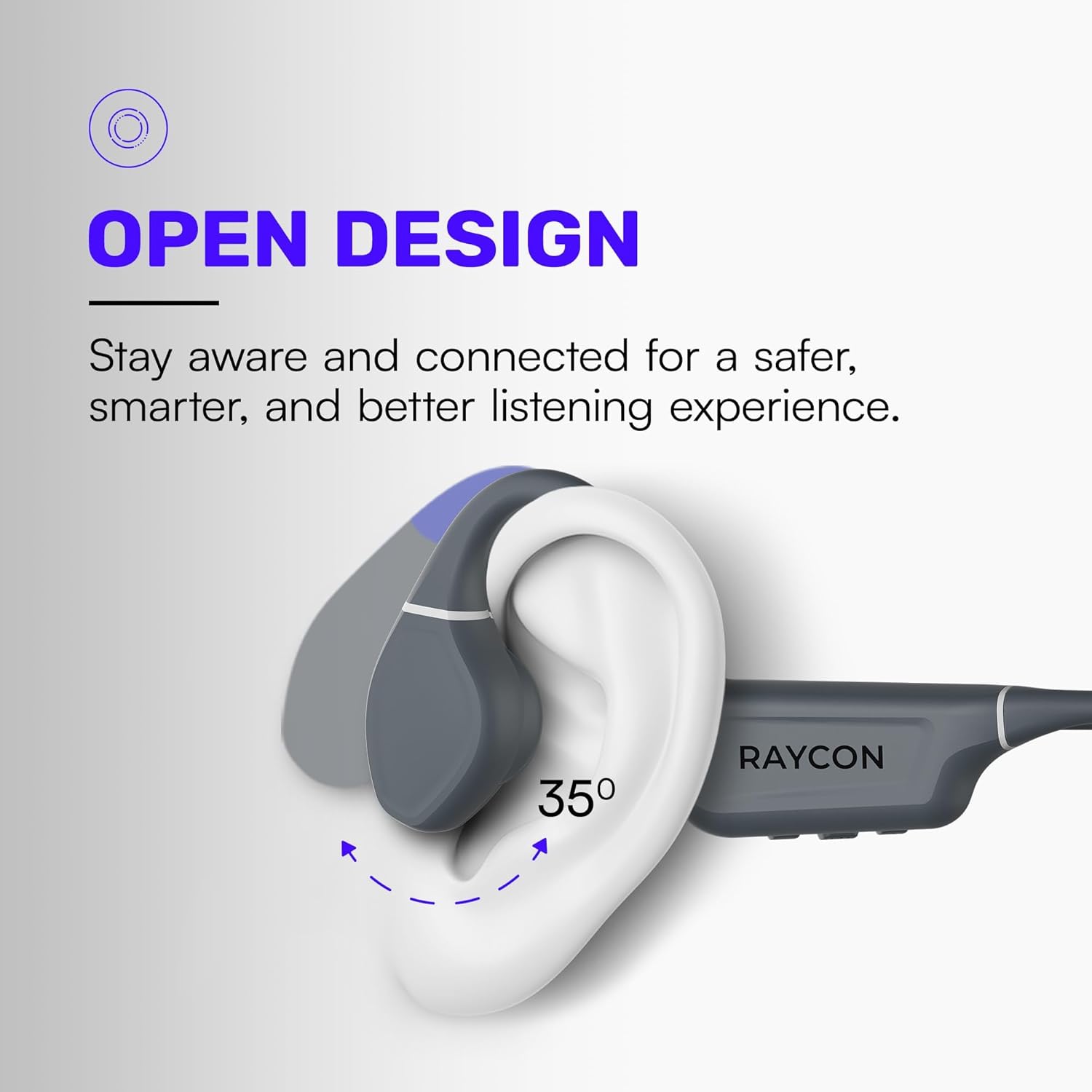
On paper, these are lightweight, ergonomic bone conduction earbuds with a Bluetooth connection and adjustable transducer placement. The frame is designed to sit around the cheekbone area rather than over or inside the ear, which can help with situational awareness and comfort for some users. The ear buds are designed to slide closer for more sound or pull back to heighten environmental awareness, giving you a degree of control over how much you hear versus how much you hear music.
Who it’s for
If you prioritize staying aware of your surroundings during workouts or commutes, these headphones can make sense. They’re a reasonable option for runners, walkers, gym sessions, or anyone who wants a lighter ear experience and less pressure inside the ear canal.

Pros
- Open-ear design promotes situational awareness and reduces ear fatigue, which can be a benefit for long runs or desk-to-dash workouts.
- Balanced sound from bone conduction technology, without the feel of traditional in-ear drivers.
- IP68 rating supports sweat, rain, and spills, so you don’t have to pause workouts for moisture concerns.
- Adjustable earbud positioning gives you a bit of control over loudness versus environmental awareness.
Cons
- Bone conduction can be polarizing: some listeners feel the absence of deep, in-ear bass changes the perceived audio impact.
- Open-ear design may result in slightly less overall isolation from ambient noise, which can affect music experience in loud environments.
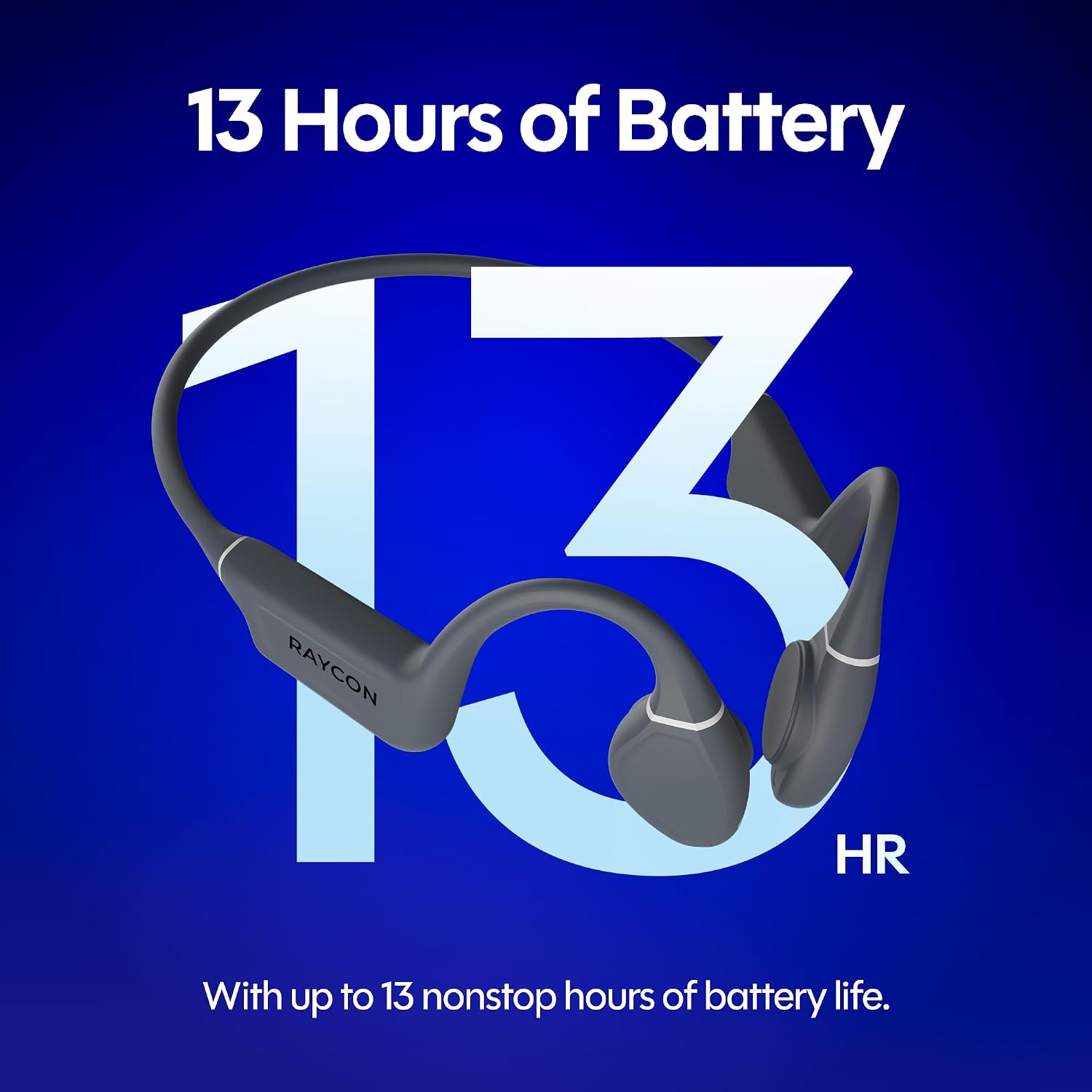
- Battery life is listed at 13 hours, which is solid but not exceptional, if you’re a long-distance athlete or commuter, you’ll want to verify real-world endurance under your use patterns.

What to check before buying
- Consider your use case: are you okay with open-ear audio and the bass profile typical of bone conduction?
- Try a test wear to gauge comfort and how the adjustable buds influence sound and environment awareness for your ears and head shape.
- Confirm you’re comfortable with IP68 as a marker for sweat and wash-off resilience in your workouts.
- If you rely on high isolation for focus in busy environments, this approach may not meet that need.

Everyday use and practical examples
Imagine a morning run where you want to hear traffic and crowd noise while still enjoying your playlist. You’ll likely notice less ear pressure and the ability to stay alert without removing headphones. On a commuting day, you can be aware of announcements or a friend calling you, while your music plays at a comfortable level. If you’re lifting indoors or doing yoga, you might miss some of the heavier bass that traditional in-ear cans deliver.
The comparison in context
Compared to typical in-ear wireless headphones, bone conduction options like these focus on openness and environmental awareness. If your priority is isolation and booming bass for late-night gym sessions, you might prefer a more traditional design. If you value comfort over long stretches and keep moving in varied environments, this approach can be a sensible alternative.
Final verdict
Is it worth it? It depends on your priorities. If keeping ears open and ambient awareness while enjoying music during workouts or daily activities matters, these may be a good fit. If you’re after deep bass and maximum sound isolation, you might want to explore other options and weigh how important openness is to your routine.
FAQ
- Do they stay secure during intense activity? The design aims for stability, but performance varies with head shape and movement. Consider testing during your typical routine.
- How is the call quality? Built-in mic is present, but actual call clarity can depend on ambient noise and how close you position the device to your mouth.
- Are they comfortable for long wear? Lightweight frames help reduce ear fatigue, yet comfort varies by user anatomy and wearing style.