

A Principal's Guide to Literacy Instruction (Tools for Teaching Literacy), Paperback
Product description
A school leader looking for a literacy-focused reference has different needs from a reader looking for student-facing lessons or practice materials. A Principal's Guide to Literacy Instruction is presented as a guide for principals, so its appeal is the leadership perspective signaled by the title rather than a promise of classroom activities or a ready-made curriculum.
The book is by Carol S. Beers, James W. Beers, and Jeffrey O. Smith, and is listed as a paperback from The Guilford Press. Its publication date is November 20, 2009. That date is worth considering if you need current research, policies, or guidance tied to present-day requirements, the listing does not describe the book's specific coverage or update history.
Technical details
- Name: A Principal's Guide to Literacy Instruction (Tools for Teaching Literacy)
- Type: Book about literacy instruction for principals
- Format: Paperback
- Dimensions: 7 x 0.5 x 10 inches
- Weight: 13.6 ounces
- Reference: ISBN 978-1606234723
The listing identifies the publisher as The Guilford Press and names three authors: Carol S. Beers, James W. Beers, and Jeffrey O. Smith. It does not provide a usable page count, a table of contents, or a detailed account of the topics covered, so buyers should not assume a particular framework or set of activities based on the title alone.
Getting the most from it
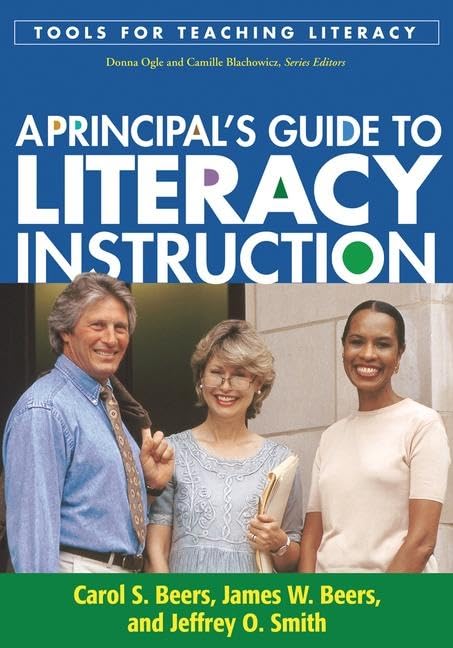
This book is most relevant when the reader's role includes overseeing literacy instruction and they want a resource explicitly framed for principals. A practical use could be consulting it while preparing to discuss literacy priorities with a school team. The title supports that leadership-oriented use, but the available details do not confirm whether the book includes meeting plans, assessment tools, lesson examples, or implementation templates.
The paperback format and listed dimensions may also help when deciding whether it suits a physical reference collection or a work bag. Its publication date makes the intended context especially important: someone looking for foundational perspective may still find a principal-focused book useful, while anyone seeking guidance aligned with current standards or the latest research should compare it with newer sources rather than relying on this title alone.
Best use cases
It makes sense if you are a principal, school administrator, or education professional seeking a book centered on literacy instruction from a leadership perspective. It may also suit a reader building a professional collection around literacy and school administration. In contrast with a student reading book, its stated focus is the principal's role, so it is not presented as material for children to use independently.
The listing includes a reading-age range of 5–8, but that detail does not establish that the book itself is written for children, the title and author listing point to a guide for principals. Buyers choosing it for professional use should weigh the leadership focus and publication date more heavily than that age field.
Should you buy it?
Choose this paperback if you specifically want a principal-oriented literacy instruction guide and are comfortable evaluating a book published in 2009 without a detailed contents list in the available information. It’s not for you if you need a student-facing reading book or require confirmation of particular tools, lesson plans, or up-to-date recommendations before buying. For a leadership reference, the title gives a clear sense of its intended audience, for a more specific need, the missing contents details make checking the book's scope important.