

POWOXI 12V Solar Panel for Deer Feeder ⚡
Product description
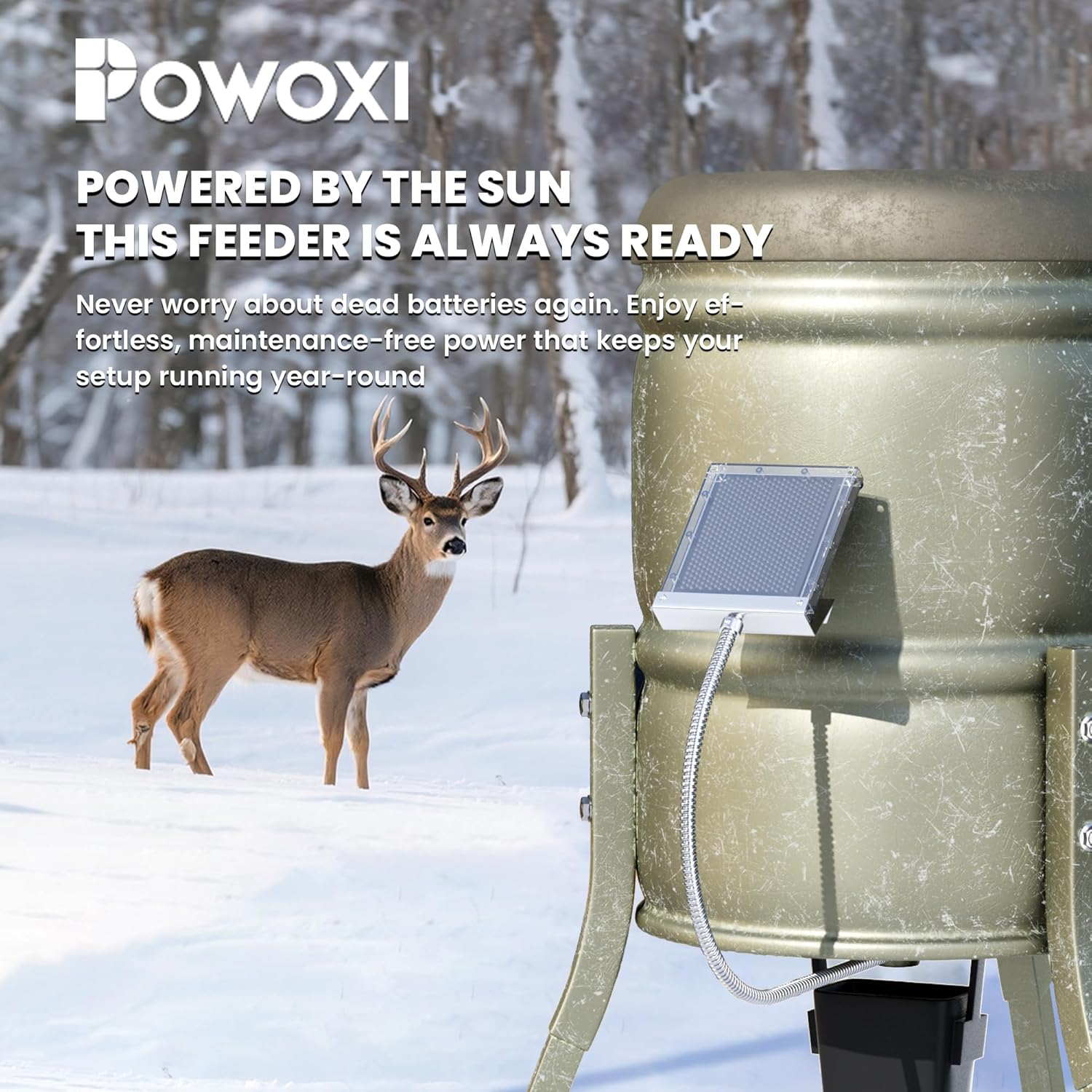
This POWOXI 12V solar panel for deer feeder is designed to efficiently power outdoor feeding systems using sunlight, offering a reliable and eco-friendly energy solution for rural or wild-life settings. With a focus on durability and performance in variable weather, it enables continuous battery charging without the need for electrical outlets.
Key Points
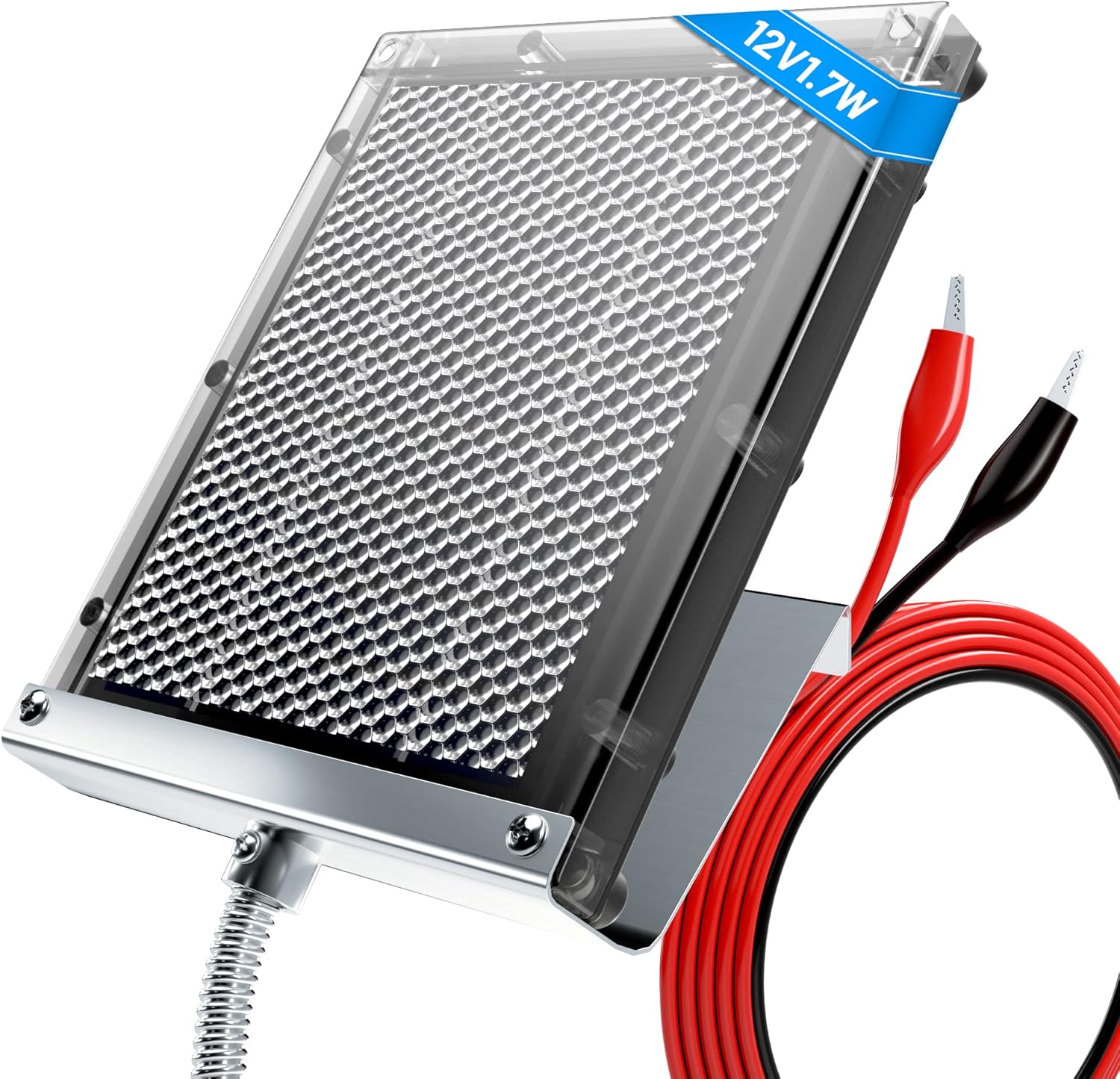
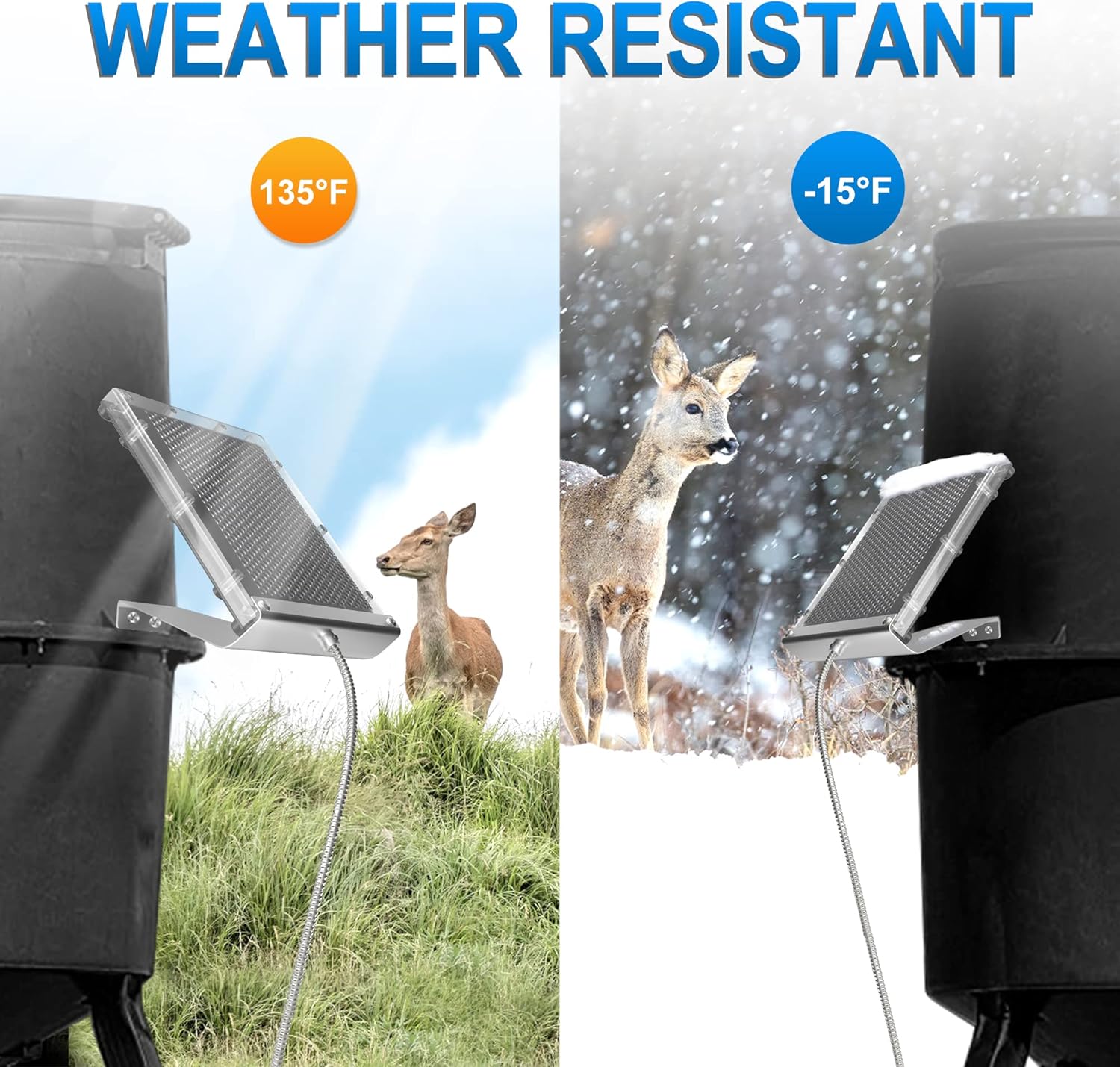
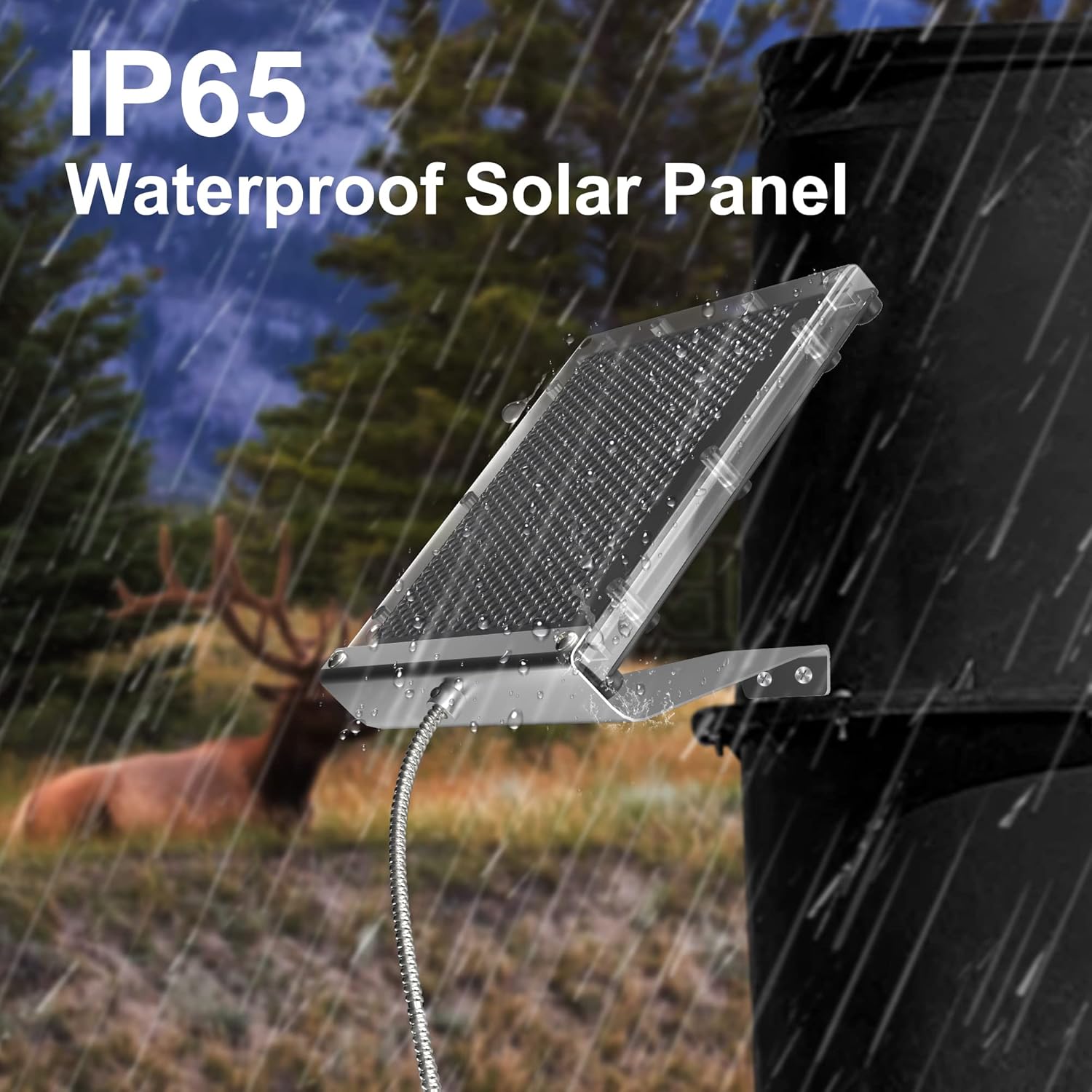
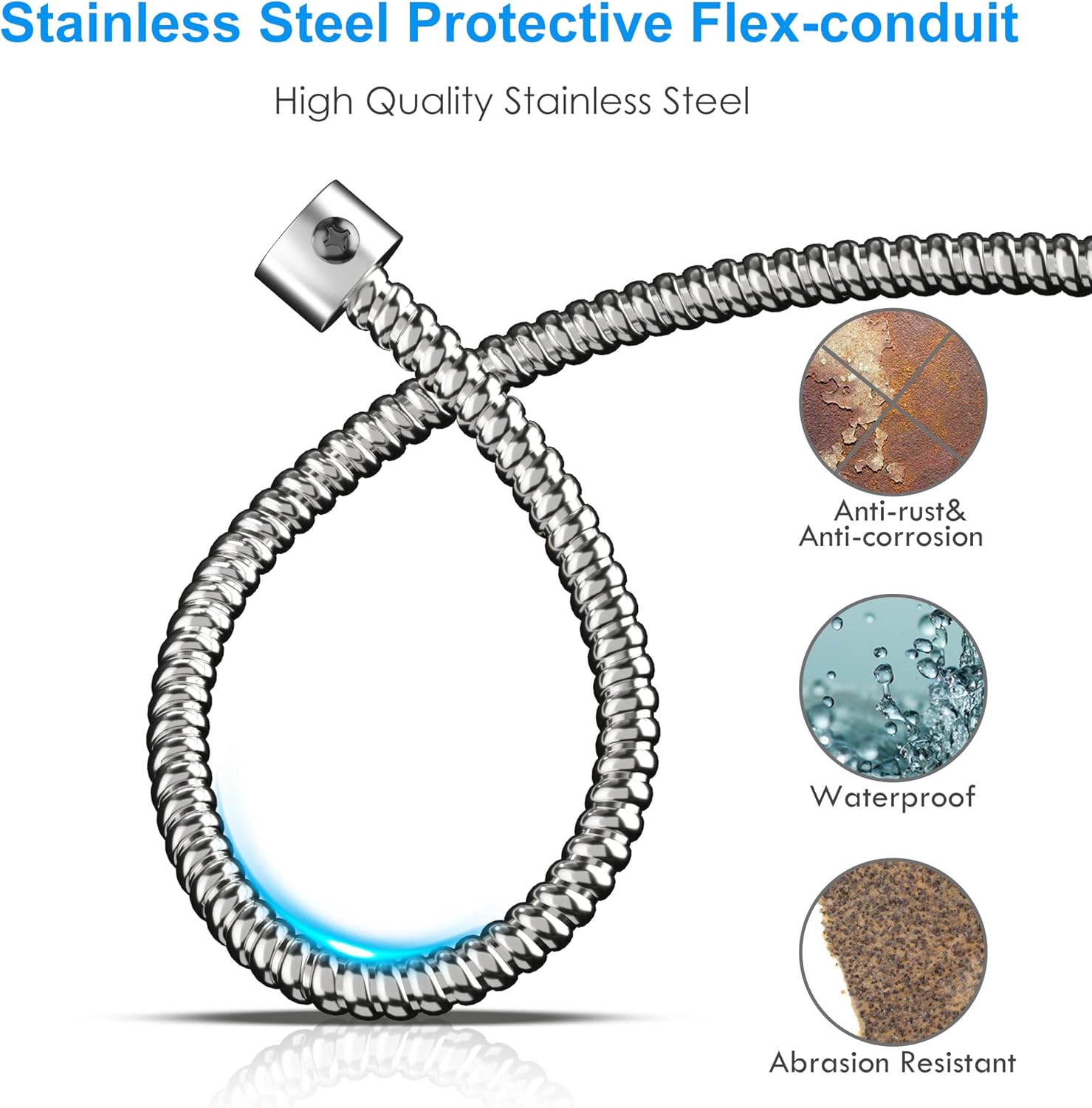
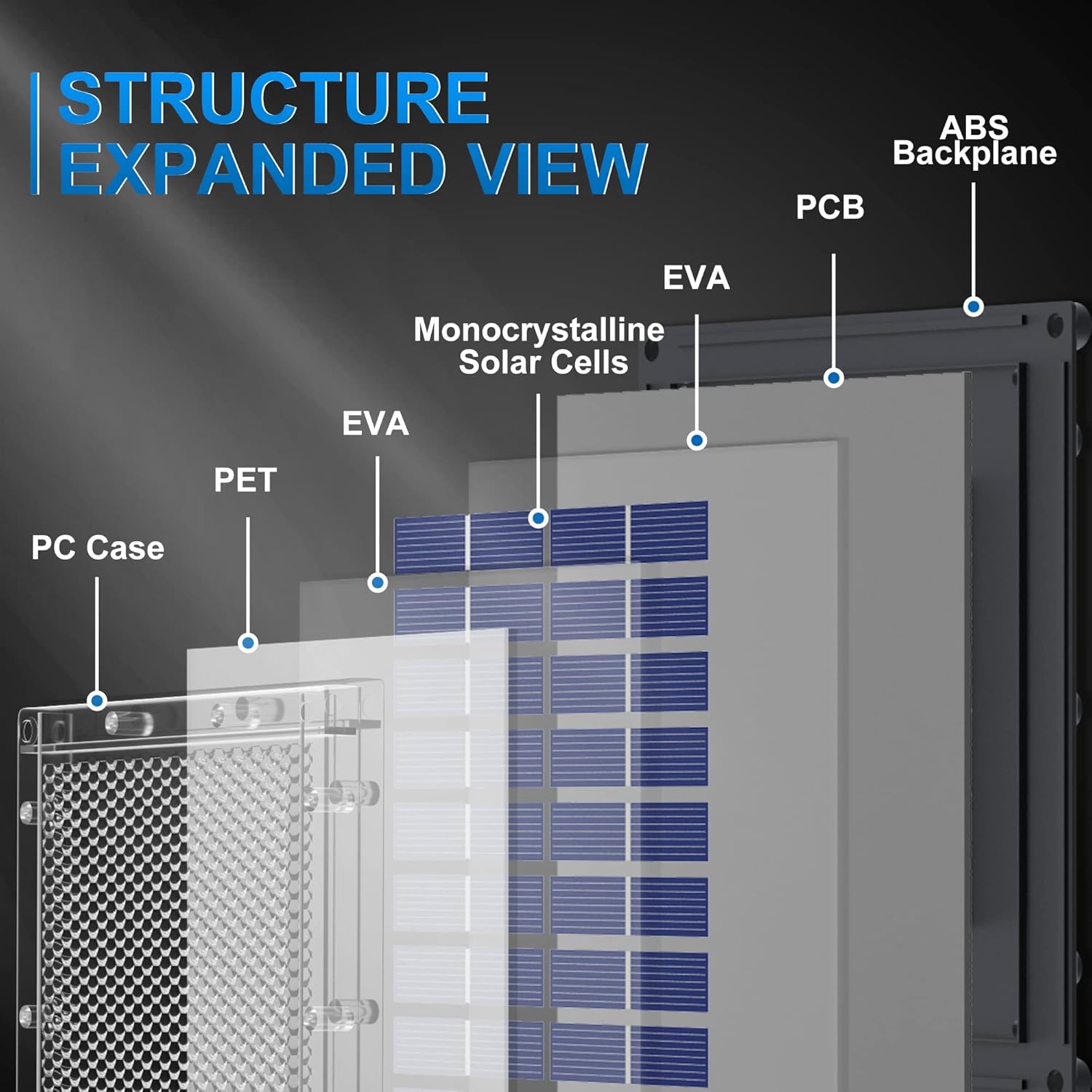
The POWOXI 12V solar panel delivers fast charging performance through its monocrystalline silicon technology, which maximizes light absorption. It features an integrated diode block to prevent overcharging and protect the battery from energy loss. The panel is built to withstand harsh outdoor conditions, including rain, wind, and temperature extremes. Its flexible stainless steel conduit provides extra protection for wiring, reducing the risk of damage during installation or use.
Technical Specifications
Brand + model: POWOXI 12V Solar Panel for Deer Feeder
Voltage: 12 V
Panel type: Monocrystalline silicon
Light transmission rate: Up to 95%
Maximum power output: 12 watts
Material: Polycarbonate housing, stainless steel conduit
Temperature resistance: Suitable for high-temperature environments
Installation support: Aluminum anti-corrosion stand with included screws
Benefits
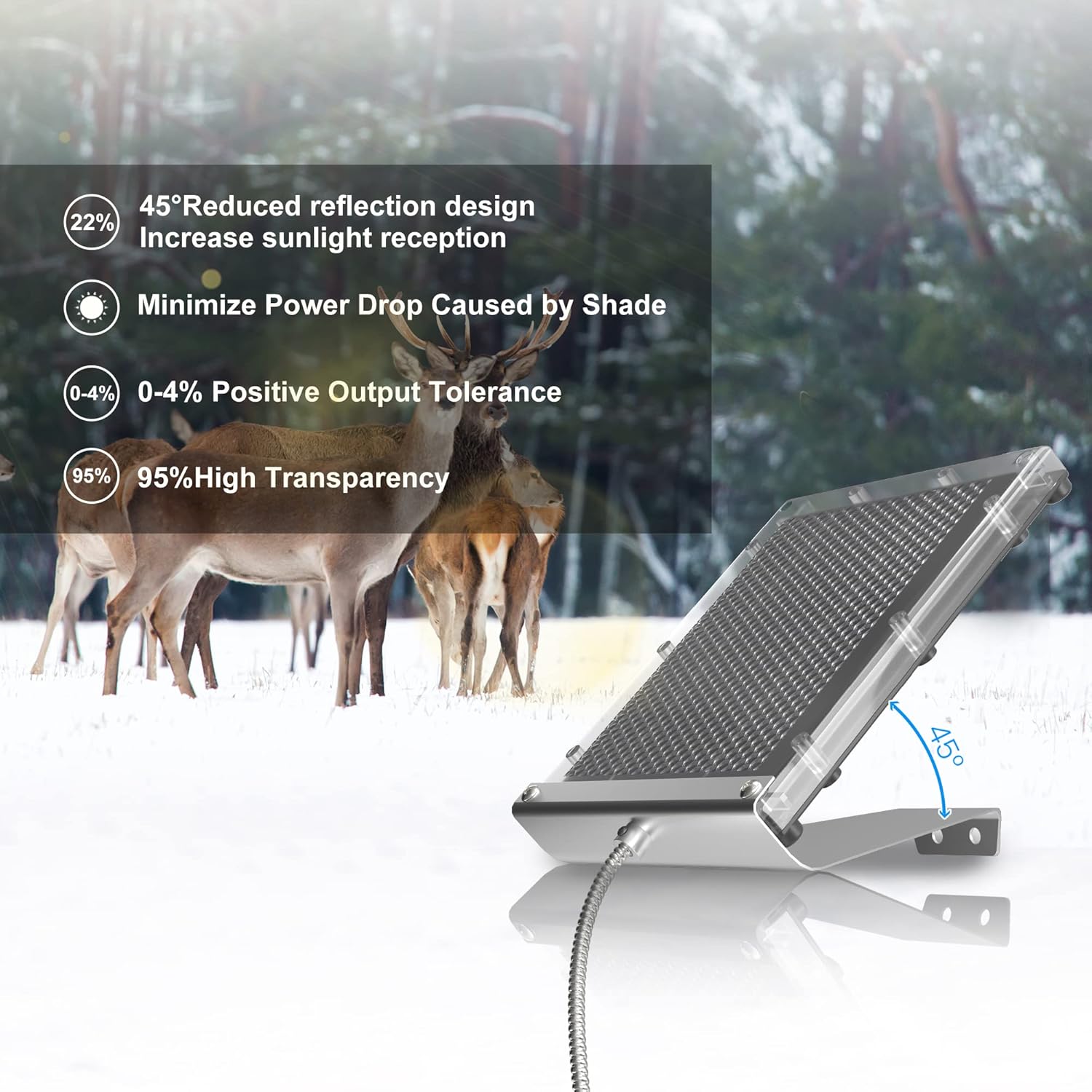
This solar panel ensures consistent power delivery throughout the year, even in low-light conditions. By aligning the panel at a 45-degree angle, users can optimize sunlight exposure and reduce charging time. The rubber alligator clip, measuring 9.8 feet, securely holds the battery in place while allowing easy access for maintenance. The design prioritizes long-term reliability, with minimal maintenance needed once installed.
Usage Recommendations
Place the panel in a sunny, elevated area to maximize exposure to daylight. Position it at a 45-degree angle to improve solar absorption. Secure the panel using the included aluminum stand and rubber clip to prevent movement or displacement. Avoid direct contact with standing water or wet surfaces during installation. If used in snowy conditions, ensure the panel remains angled to allow sunlight penetration. The panel operates independently of weather patterns, making it ideal for remote feeding stations.